Plastibac Euronorm crates: a circular solution for a structured supply chain
Text Plastibac / Geert Van Cauwenberge Beeld Plastibac
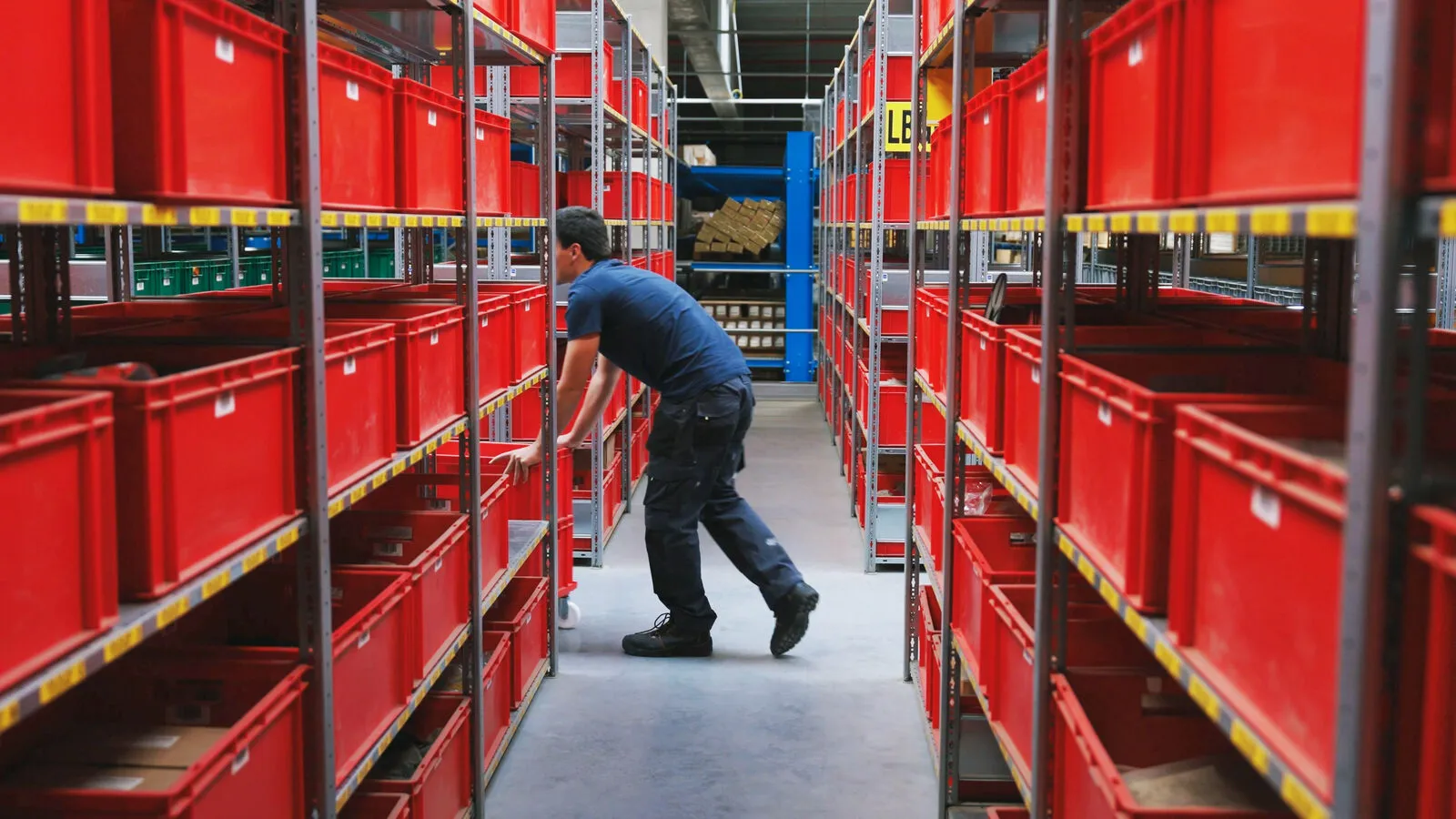
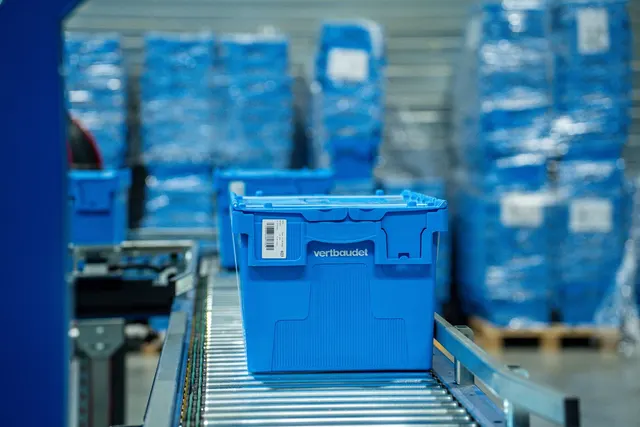
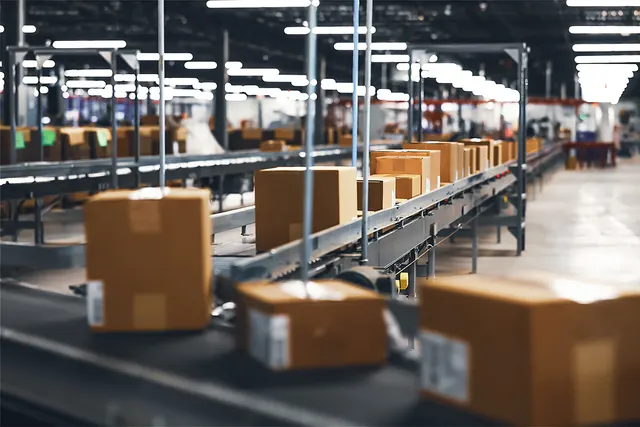
In logistics, the choice of load carriers is still often determined by the initial cost or the simplicity of the solution. Cardboard seems attractive in this respect: lightweight, cheap and widely available. But when you look at the entire flow of goods, you can see that this choice can also create complexity. Euronorm crates follow a different logistics logic: reusable, standardised and designed as part of the supply chain.
The difference lies not only in the material, but above all in standardisation. Euronorm sizes such as 600 x 400 mm and 400 x 300 mm can be matched to pallets, racking, conveyor systems and automated systems. Their fixed dimensions and structural properties make processes such as stacking, storage, transport and order picking more predictable. Cardboard varies more and is more susceptible to deformation caused by moisture or loads, for example. In automated environments, such deviations can lead to disruption more quickly. The more automated a logistics environment becomes, the more important it is to use a stable load carrier with consistent dimensions.
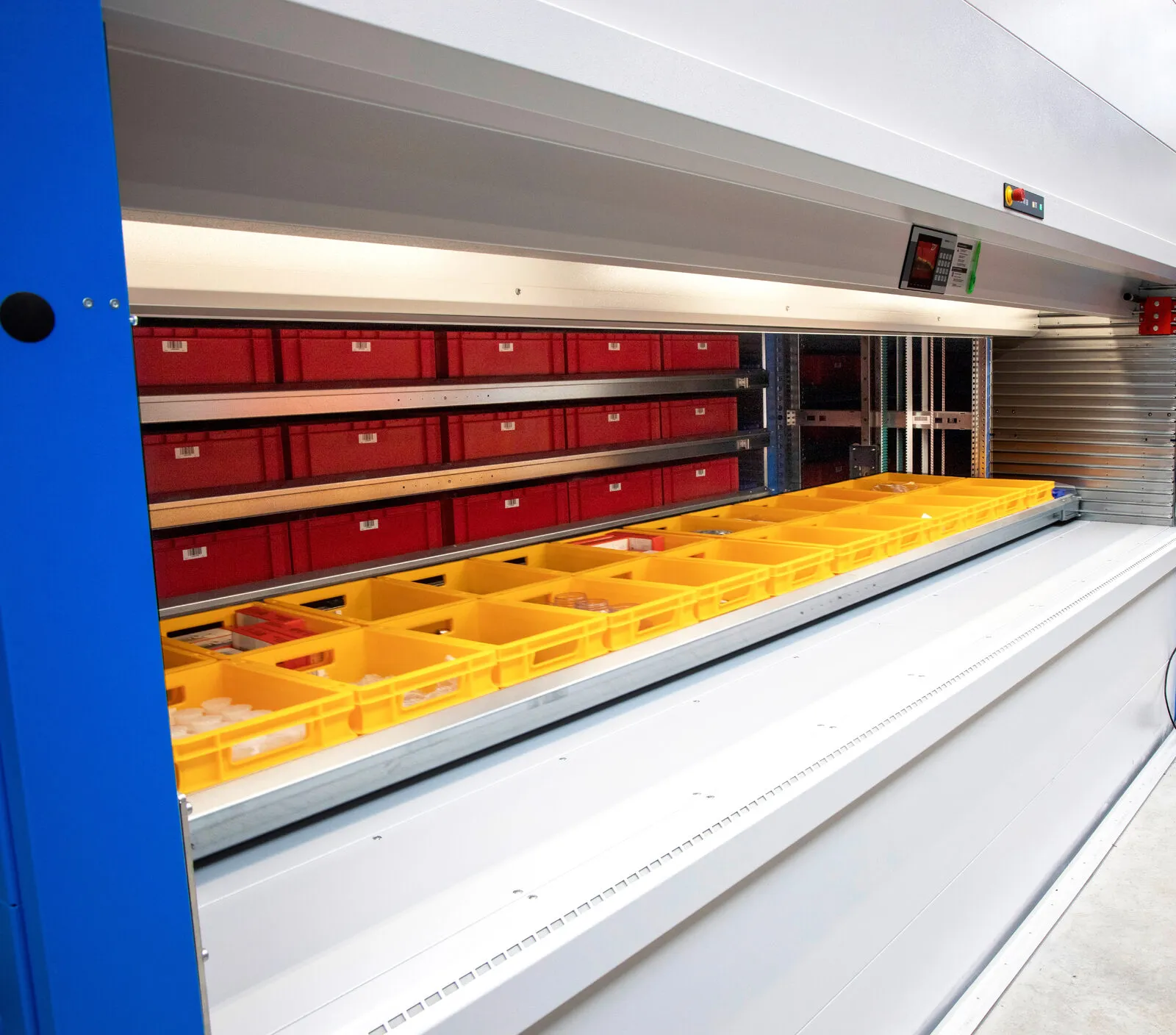
From waste stream to circular flow
Cardboard also has an inherently linear character. After use, it is collected and processed. This creates additional waste streams, along with the associated collection, storage, sorting and transport activities. Reusable Euronorm crates, by contrast, remain in circulation. Return flows can be linked to existing deliveries, distribution runs or other logistics movements. The question therefore shifts from “How do we avoid returns?” to “How do we keep our load carriers in circulation as efficiently as possible?” This is not an additional logistics system, but a different way of organising the existing supply chain.
The load carrier as a system component
This also changes the role of the load carrier. In many applications, cardboard is temporary packaging. A Euronorm load carrier is a system component that remains part of the same logistics flow over multiple use cycles.
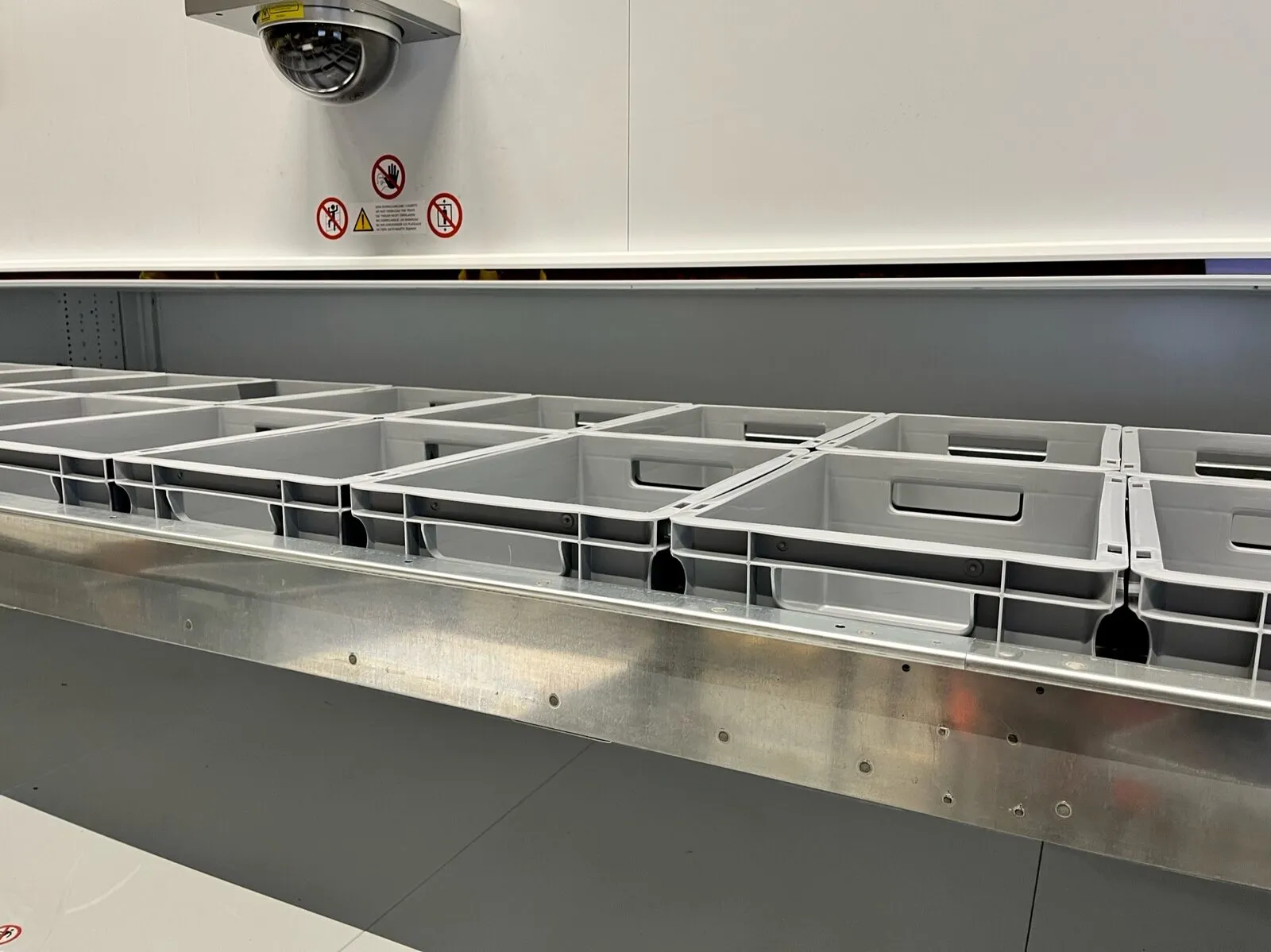
Cost per use cycle
Financial assessment also calls for a broader perspective. What matters is not just the purchase price, but the cost per use cycle. Factors include service life, maintenance, cleanability, storage and handling, reverse logistics and compatibility with automation. A load carrier is therefore not a one-off purchase, but a logistics asset that must continue to create value throughout its service life.
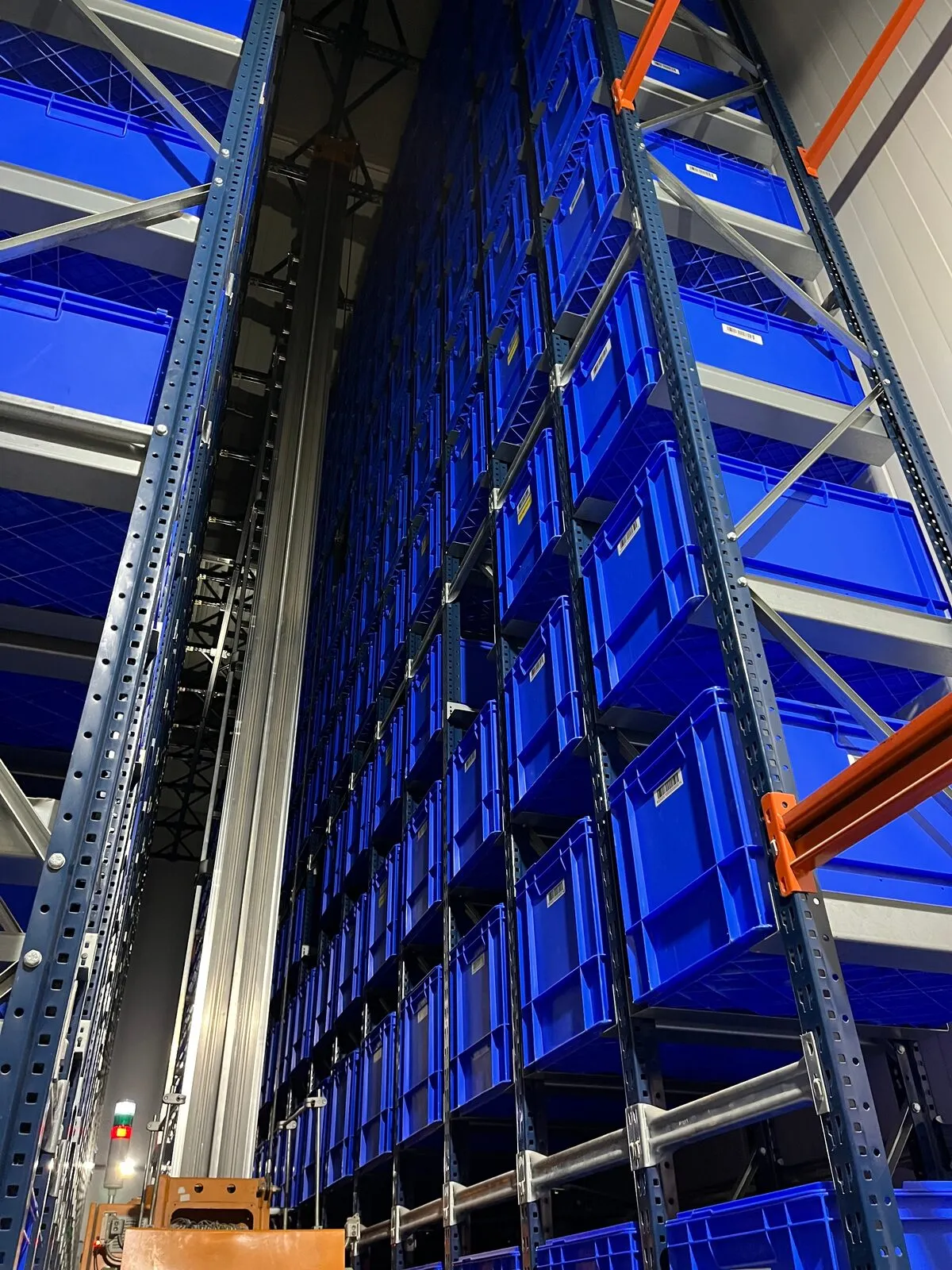
From disposable thinking to systems thinking
At first glance, the choice between cardboard and Euronorm crates seems to be a choice of material. In reality, it is about how you organise a supply chain. Do we want a linear flow involving continual replacement and waste, or a circular flow using standardised, reusable load carriers? The real transition is therefore not from one material to another, but from disposable thinking to systems thinking. When we stop seeing a load carrier as packaging for a single transport and instead see it as an asset that can create value many times over its service life, the way we think about logistics efficiency changes too.
Have a business enquiry for Plastibac NV? Get in touch
Companies in this story
Keep following this
Get an email when a new story is published. No account needed.
- ThemeSmarter use of packaging
- SubjectPackaging
- CompanyPlastibac NV