How modular robotics future-proofs existing warehouses
Text and images SSI SCHÄFER
Automation is high on the agenda for almost every logistics organisation. Yet the biggest challenge is not always the processes, but the space available. Order volumes are growing, product ranges are expanding and delivery times are under pressure, while expansion is not always possible or profitable. The question is therefore increasingly: how can you get more capacity from the same building? According to SSI SCHÄFER, the answer lies not only in automation, but above all in making better use of the warehouse space already available.
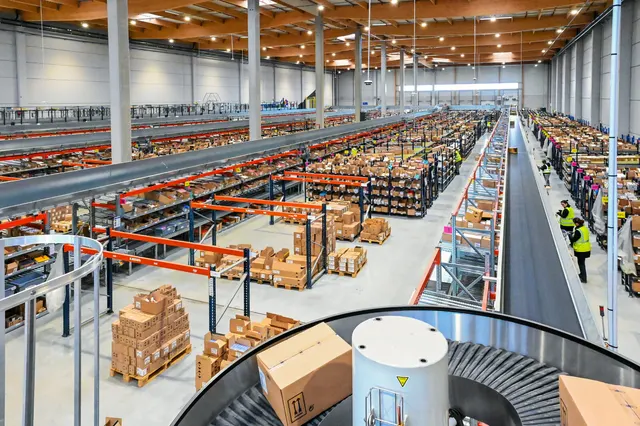
For many warehouse managers, this is a familiar dilemma. Creating additional storage capacity often means extending the building, relocating or carrying out major renovations. These projects require considerable time and investment, and involve operational risks. For small and medium-sized businesses in particular, it is therefore more attractive to look at how existing facilities can be used more effectively.
This is driving growing interest in automation solutions that not only add capacity, but also remain flexible as processes, product ranges or order flows change.
Scale up without rebuilding
Many automated storage systems require fixed infrastructure. This often makes later expansion complex and costly. One alternative is a modular approach in which storage capacity and performance can be scaled up independently.
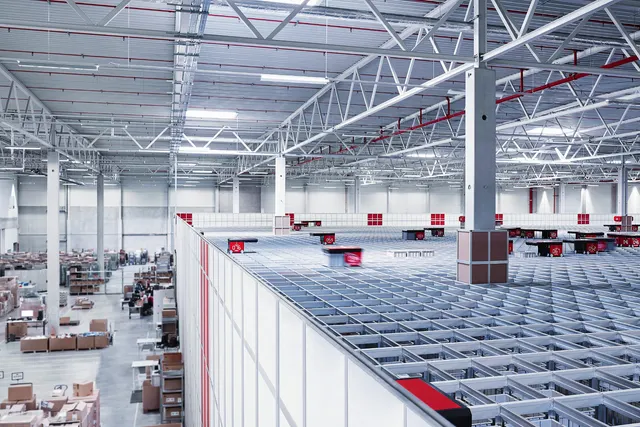
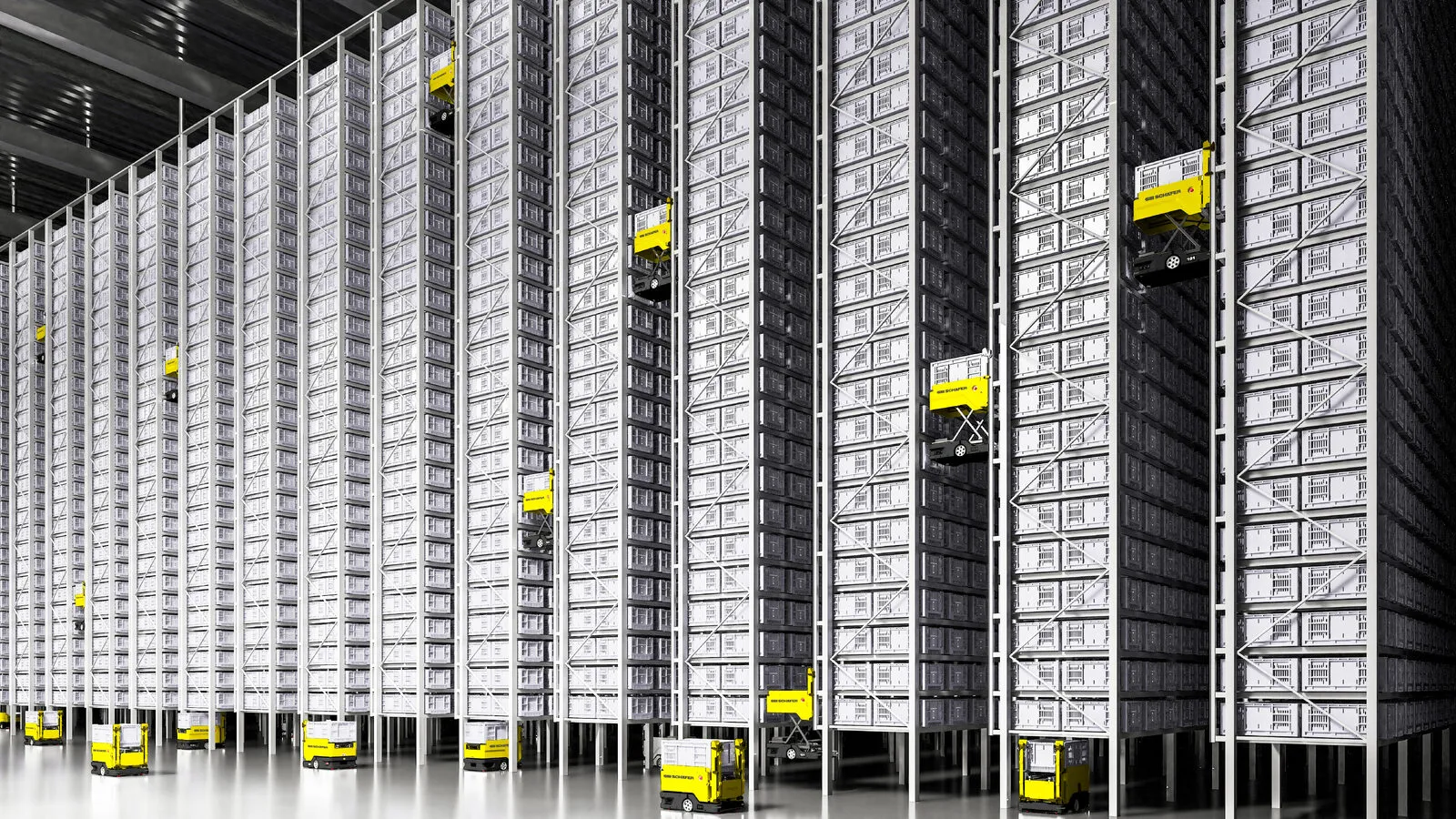
SSI SCHÄFER’s RackBot Systems combine conventional racking with autonomous mobile robots. This means the system can be integrated relatively easily into existing warehouses without major structural alterations.
As demand grows, additional robots or racking can be added without having to modify the entire installation. What’s more, this can be done while the operation is running, minimising downtime.
This offers additional benefits for existing buildings. Warehouses with unusual layouts or building structures can also be configured without having to start the design from scratch.
More storage capacity in the same footprint
Many warehouses focus mainly on the available floor space, even though there is often still scope to optimise the use of vertical space.
RackBot Systems make use of storage heights of up to twelve metres and support double- and triple-deep storage. This creates a compact storage structure with high storage density. Depending on the application, up to 43 totes can be stored per square metre. At the same time, storage remains flexible. The system supports different tote sizes, boxes and trays within a single installation. Storage carriers can also be retrieved directly from the system for further processing, without additional buffering or transfer steps.
For organisations dealing with changing product mixes or seasonal peaks in demand, this flexibility is often just as important as storage capacity itself.
No reliance on a single aisle
One key difference from traditional shuttle systems and other aisle-bound automation solutions is the freedom of movement enjoyed by the robots.
While conventional systems are often tied to specific aisles or zones, the robots in RackBot Systems can access every storage location. This removes the direct link between storage capacity and the performance of a particular aisle. In practice, this results in shorter access times and stable throughput, even when utilisation is high or order patterns fluctuate significantly. This design also makes the system less sensitive to changes in product profiles, stock turnover or order structures, providing greater long-term flexibility.
Sequencing without additional conveyor systems
Order fulfilment also benefits from the robots’ intelligent control. The required totes are delivered to workstations in the correct sequence, eliminating the need for additional sorting systems or complex conveyor lines. This improves process reliability and shortens lead times. It also offers additional benefits for urgent orders. In performance-optimised configurations, a required tote can be available at a workstation within two minutes.
Scale capacity when needed
One of the biggest challenges when investing in a warehouse is predicting what operations will look like in five or ten years. Many companies therefore invest upfront in capacity they will not need for years. Modular automation offers an alternative: capacity is added in stages as the business requires it.
This can be done by:
• adding more robots;
• installing additional workstations;
• adjusting operational strategies.
Because the racking system remains unchanged, major layout changes are not needed. This allows companies to align their investments more closely with the organisation’s actual growth.
Case study: Spanish fashion brand Desigual
The implementation at fashion company Desigual shows that this approach works in practice, not just in theory. The company deployed 25 RackBots to increase warehouse performance, achieving throughput of up to 650 boxes per hour and 150,000 units per week in a two-shift operation.
The project lead time is also noteworthy. Just seven months elapsed between initial planning and the system going live.
The results show that additional capacity does not always have to come from expanding the building. In many cases, the biggest gains come from making better use of the space already available. SSI SCHÄFER’s solution highlights the importance of systems that not only deliver higher performance, but can also scale with changing logistics needs.
Have a business enquiry for SSI SCHÄFER BV? Get in touch
Companies in this story
Keep following this
Get an email when a new story is published. No account needed.
- ThemeAutomating goods flows
- SubjectLogistica Next
- CompanySSI SCHÄFER BV