Circular logistics as a backbone: Building a closed-loop system step by step
Text and images Plastibac
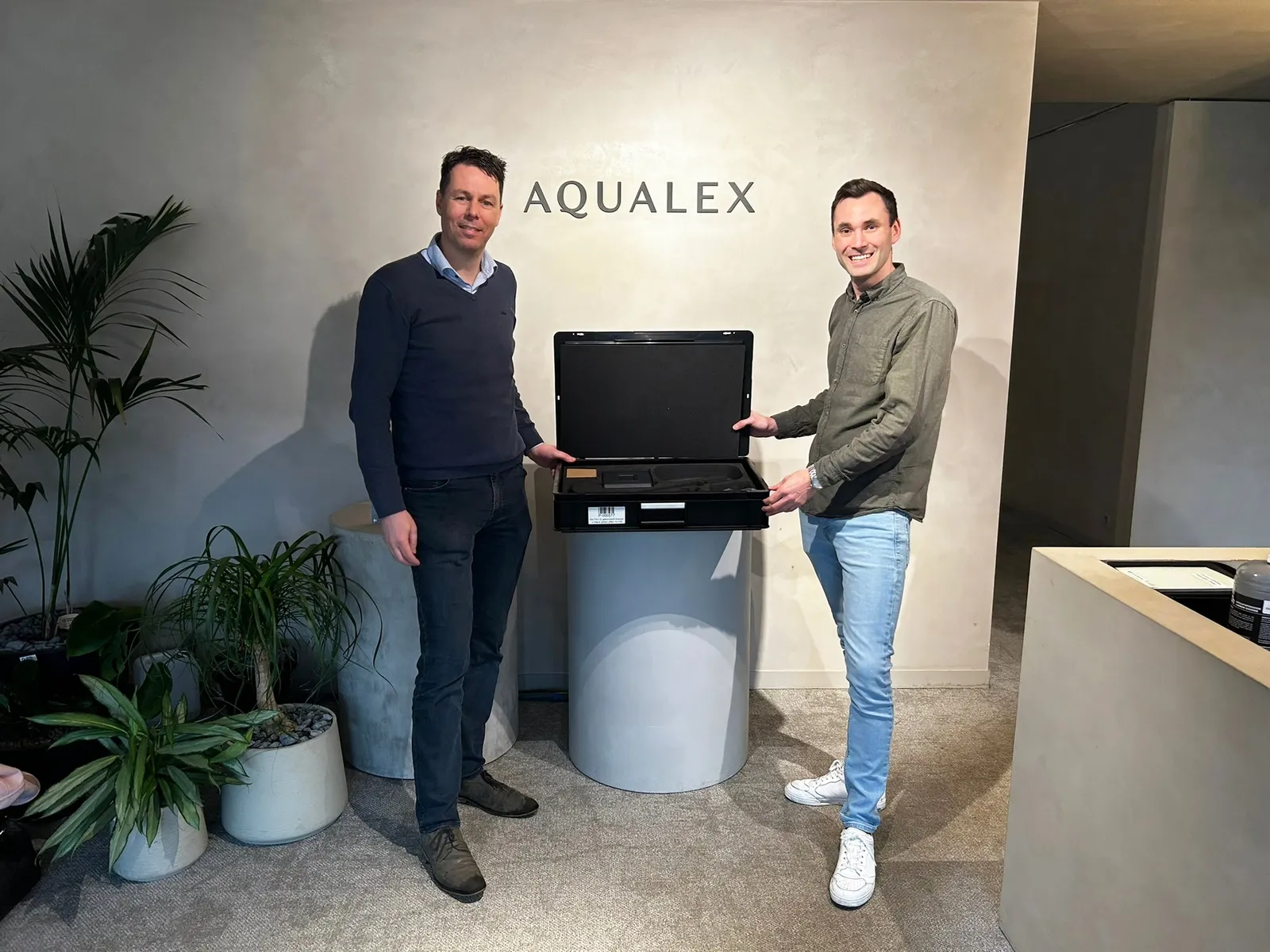
Sustainability and efficiency are still too often treated as separate ambitions in many organisations. At AQUALEX, they come together in day-to-day operations. The Belgian specialist in drinking water systems shows how logistics can become a strategic pillar supporting both operational performance and sustainability goals. In recent years, AQUALEX and Plastibac have built a circular system that is now firmly embedded in the organisation.
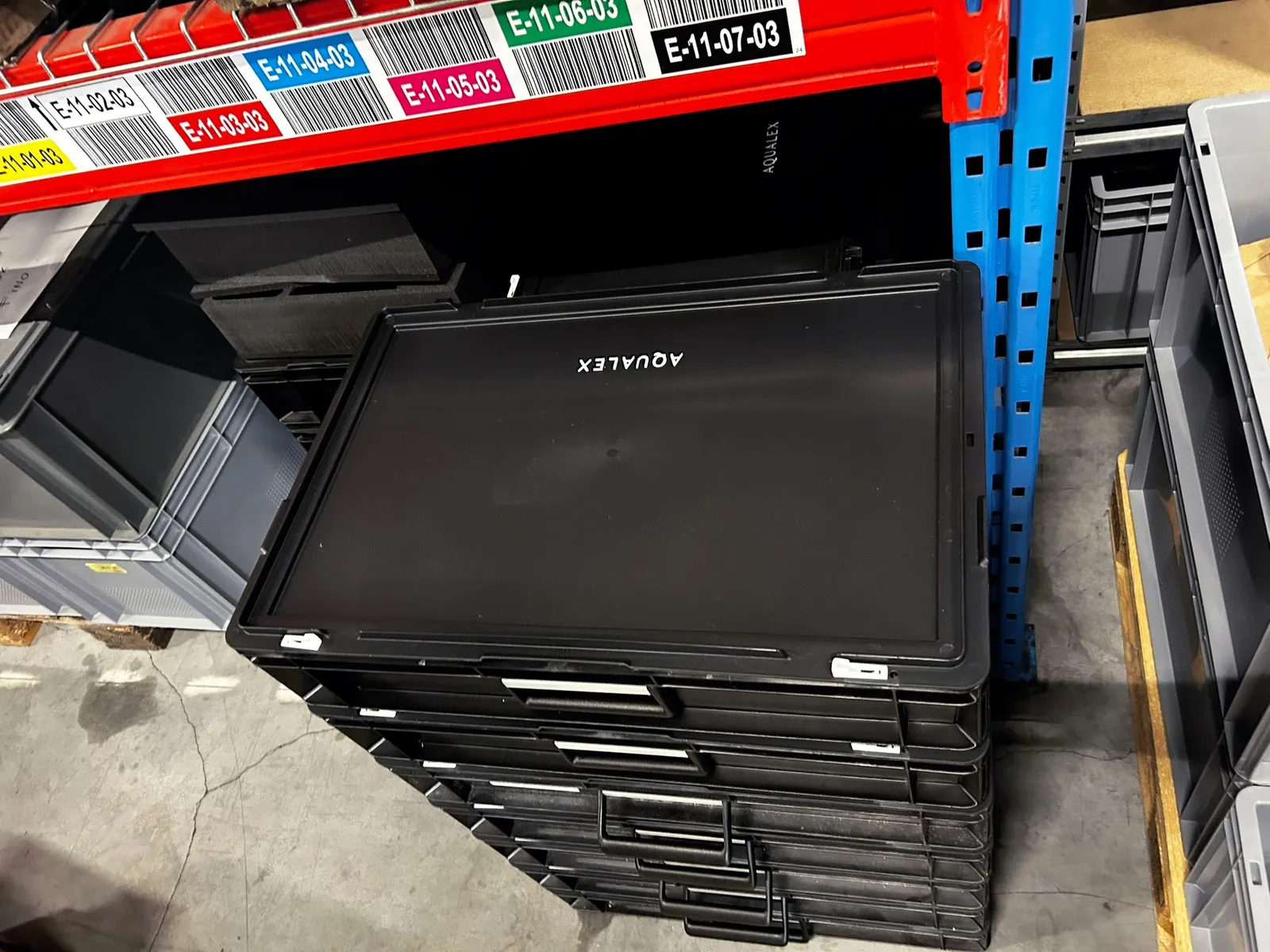
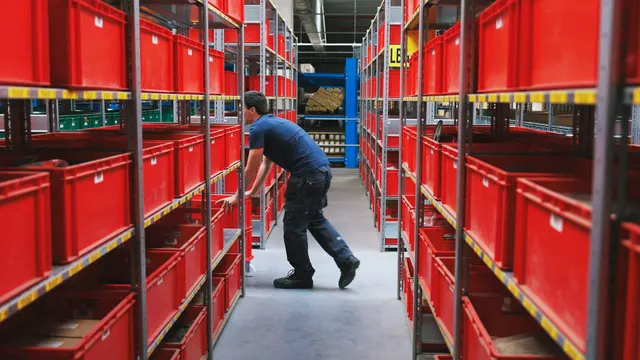
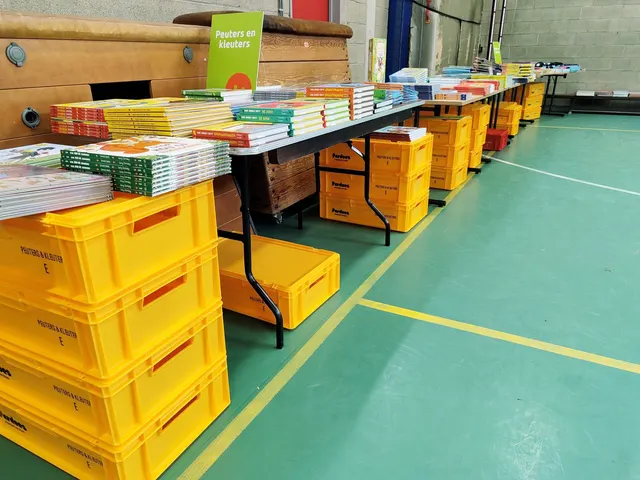
The foundation was laid with an apparently simple choice: switching to standardised Euro containers. No more loose packaging or ad hoc solutions, but one uniform carrier for internal storage, transport and movements between sites. The impact goes beyond simply keeping the warehouse tidy. Standardisation brings order to operations, reduces handling and significantly cuts waste streams.
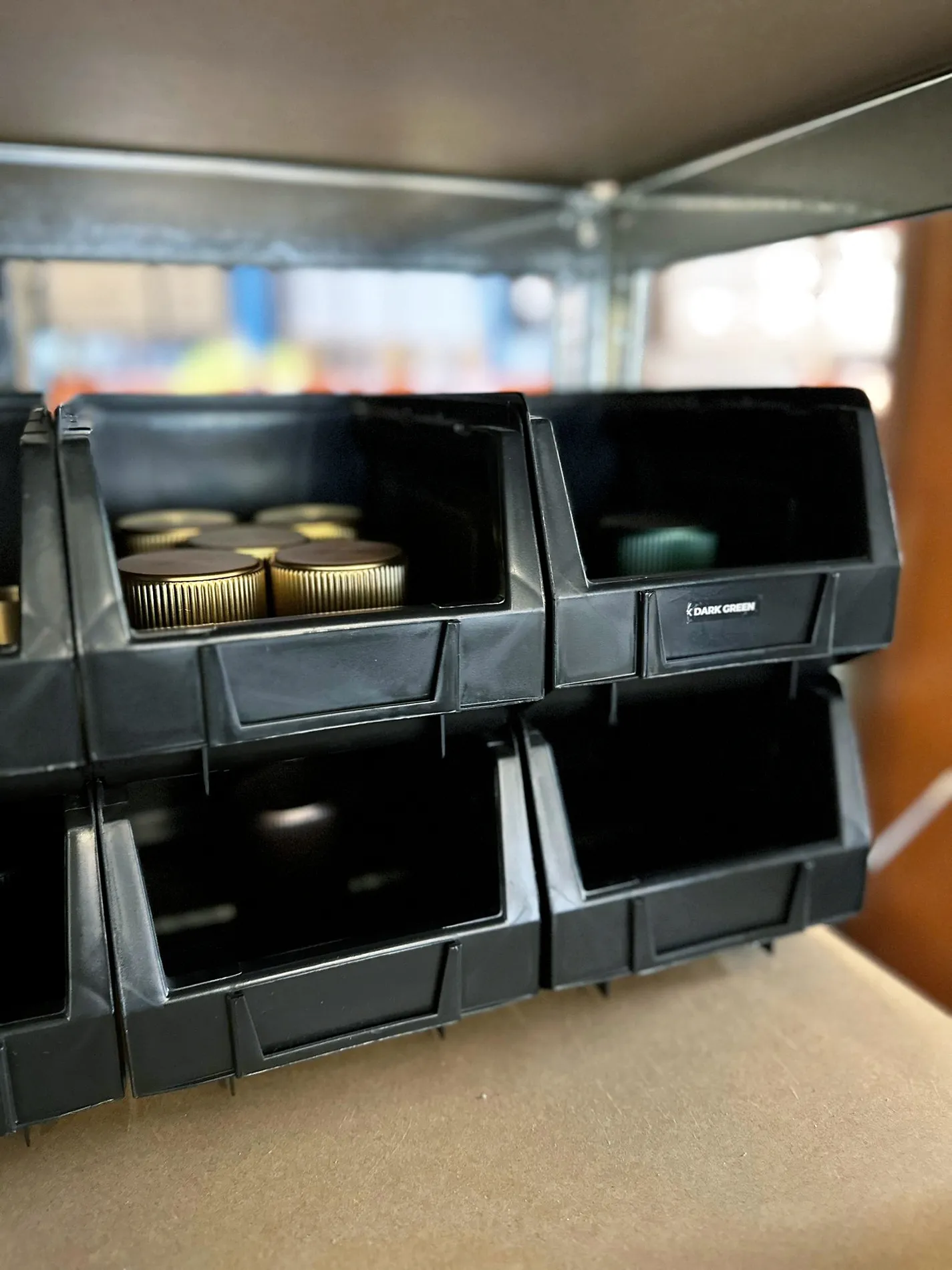
This approach was extended to small-item logistics. For smaller components, AQUALEX introduced storage bins that support the picking process and speed up installation preparation. Especially in an environment where products consist of hundreds of parts, visibility is not a luxury but a prerequisite for quality.
At the right time
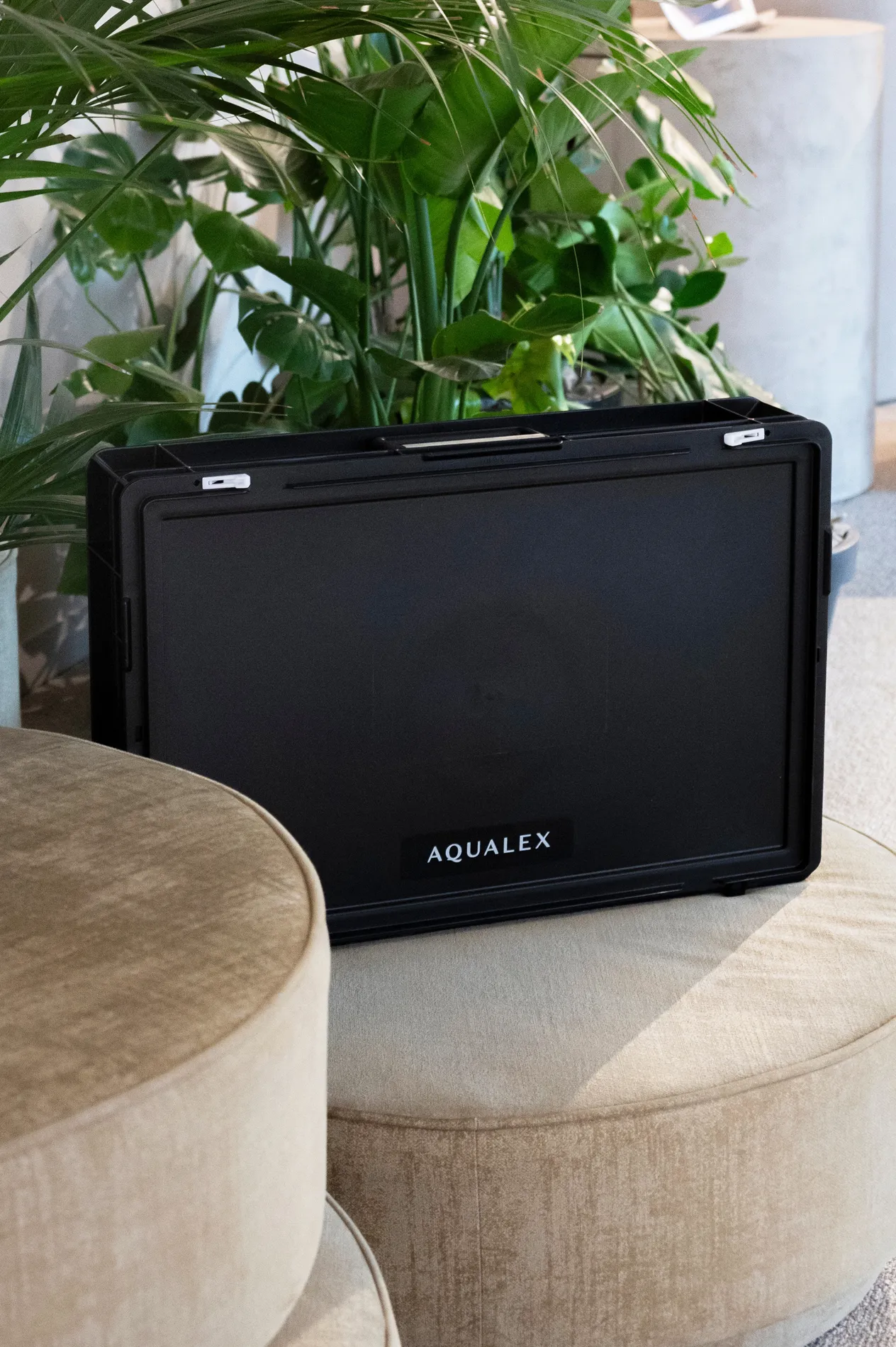
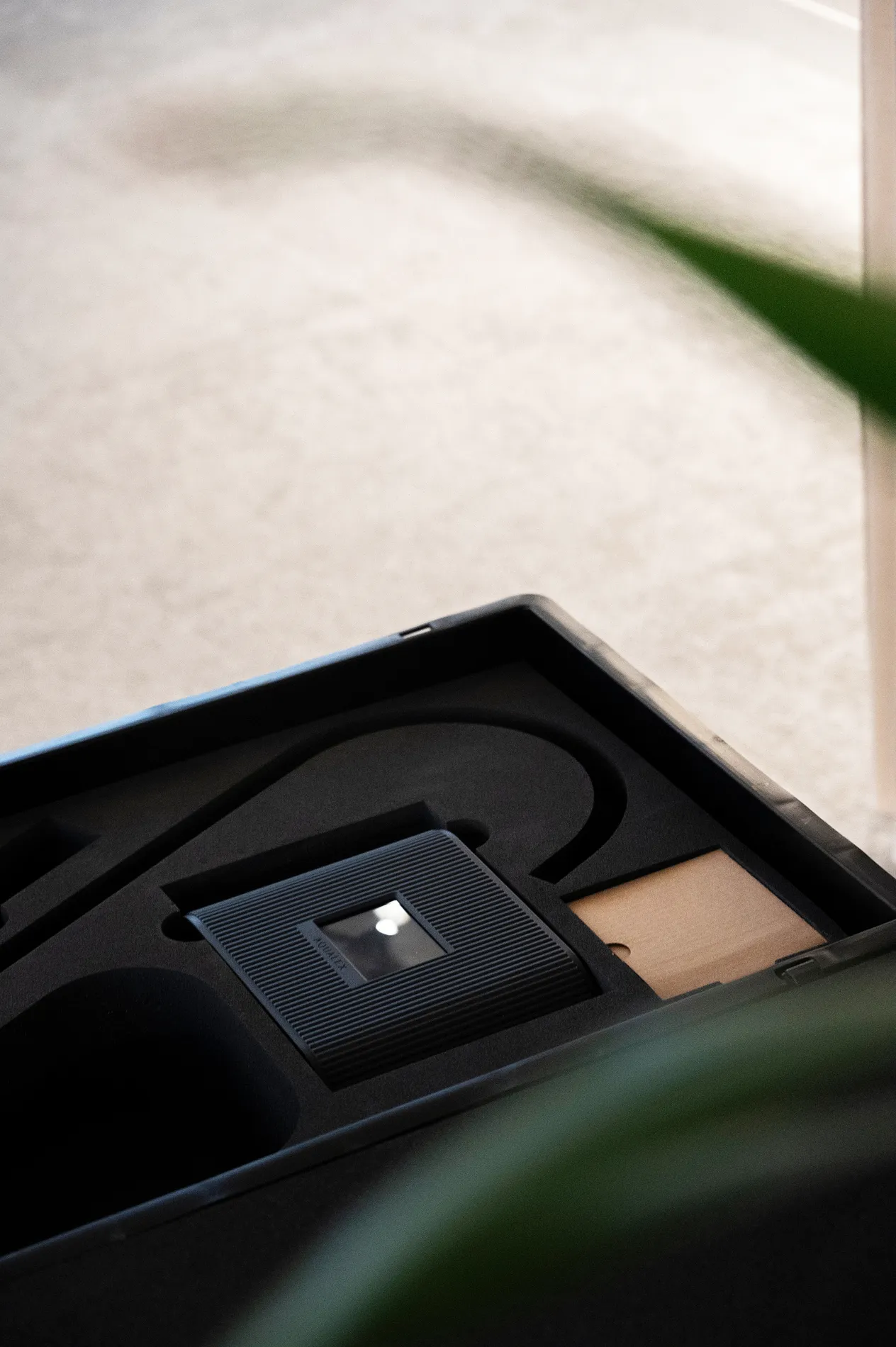
This is particularly true of the company’s own products. AQUALEX Fino and Duo taps are developed and assembled entirely in-house in Deerlijk, in partnership with customisation partner WAAK. The complexity of this assembly places high demands on logistics and organisation. Every component must be available at the right time, in the right configuration and without damage. Plastibac’s storage and transport cases play a key role, providing structure and protection throughout the process.
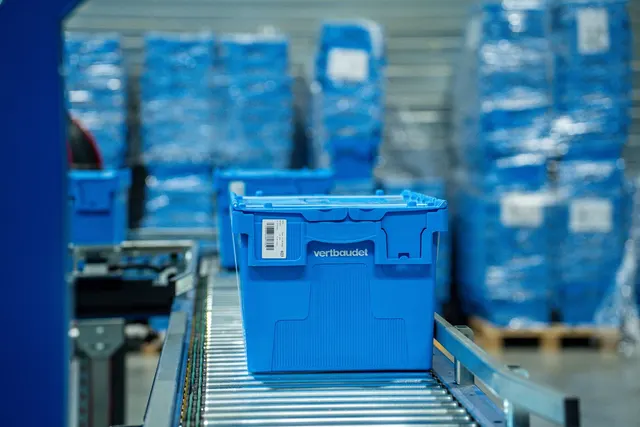
The next stage in the system’s development shows how logistics and sustainability can reinforce one another. AQUALEX expanded the concept with robust lid cases made from recycled plastic, complete with printed branding. These cases are packed in the warehouse, travel with technicians to the customer and return after installation. This creates a closed loop in which packaging material no longer becomes waste, but remains a permanent part of operations.
According to product manager Robbe Vangheluwe, this approach fits seamlessly with the company’s wider vision. Its ambition to have everyone drinking tap water by 2030 is reflected not only in product development, but also in its use of materials and logistics. Reusability and durability are not secondary considerations, but starting points. The choice of recycled plastics and a system that remains in circulation underlines this commitment.
Designing together
For Plastibac too, the partnership illustrates how logistics solutions are evolving. Whereas the focus used to be on supplying individual products, it is shifting towards designing systems together. In this case, a system that not only operates efficiently, but also helps reduce environmental impact and ensures consistent ways of working across multiple sites and teams.
What this case makes particularly clear is that circular logistics is rarely the result of one major intervention. It comes about through a series of considered steps, each building on a solid foundation. From Euro containers to specialist transport cases, from internal optimisation to a closed loop that extends all the way to the customer.
AQUALEX shows that circularity need not remain an abstract concept. It becomes tangible on the shop floor, visible in the warehouse and evident in day-to-day operations. That is precisely where logistics makes a difference.
Have a business enquiry for Plastibac NV? Get in touch
Companies in this story
Keep following this
Get an email when a new story is published. No account needed.
- SubjectPackaging
- CompanyPlastibac NV