Electric forklifts make timber merchant almost entirely self-sufficient
Text Theo Snijders Image Houthandel Jan Sok
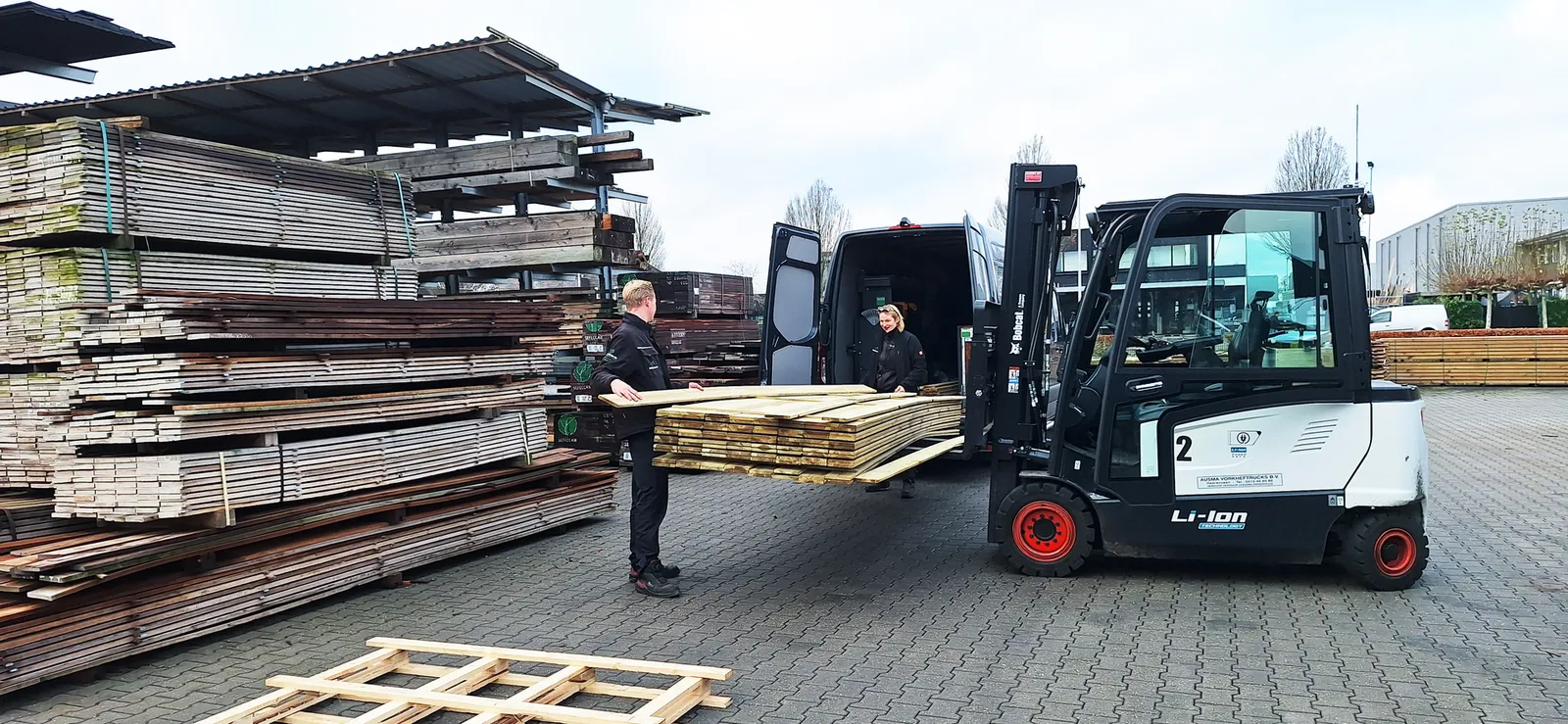
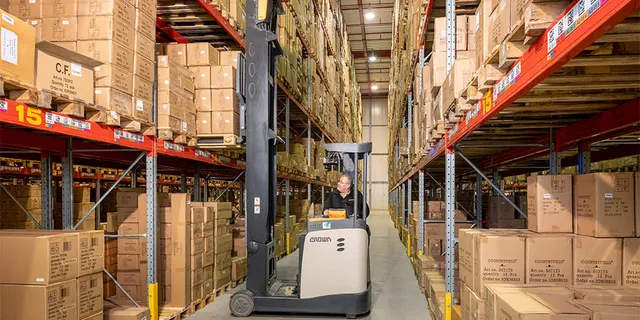
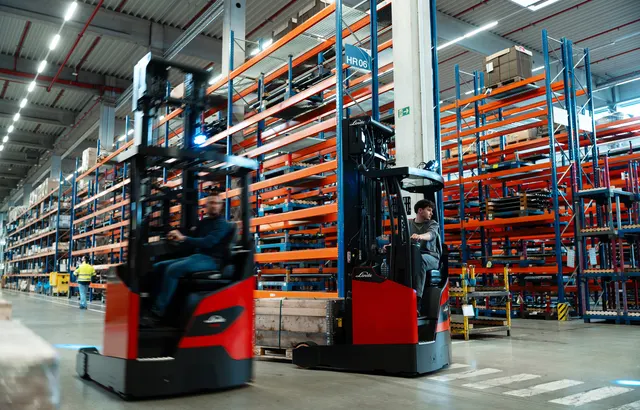
Houthandel Jan Sok has recently put 5 new electric Bobcat forklifts into service for loading and unloading timber products and handling logistics at its sites in Meppel and Wanneperveen. There, the forklifts are used to unload the timber, store it in racking and move it to the packing stock. Loads range from pallets of lightweight products to packs of beams 6 metres long and weighing several tonnes. Jan Sok’s electric forklifts are an integral part of its drive to become fully self-sufficient in energy management.
Houthandel Jan Sok supplies an extensive range of timber species and timber products, including sheet materials, boards, beams, fencing and sheet piling for construction, landscaping and garden design. The company also sells a wide range of other products at its shop in Meppel, such as fixings, paint and tools for working with and installing timber. In that respect, the shop is comparable to a DIY store. Three-quarters of its products are supplied to businesses and self-employed professionals, and around a quarter to private customers.
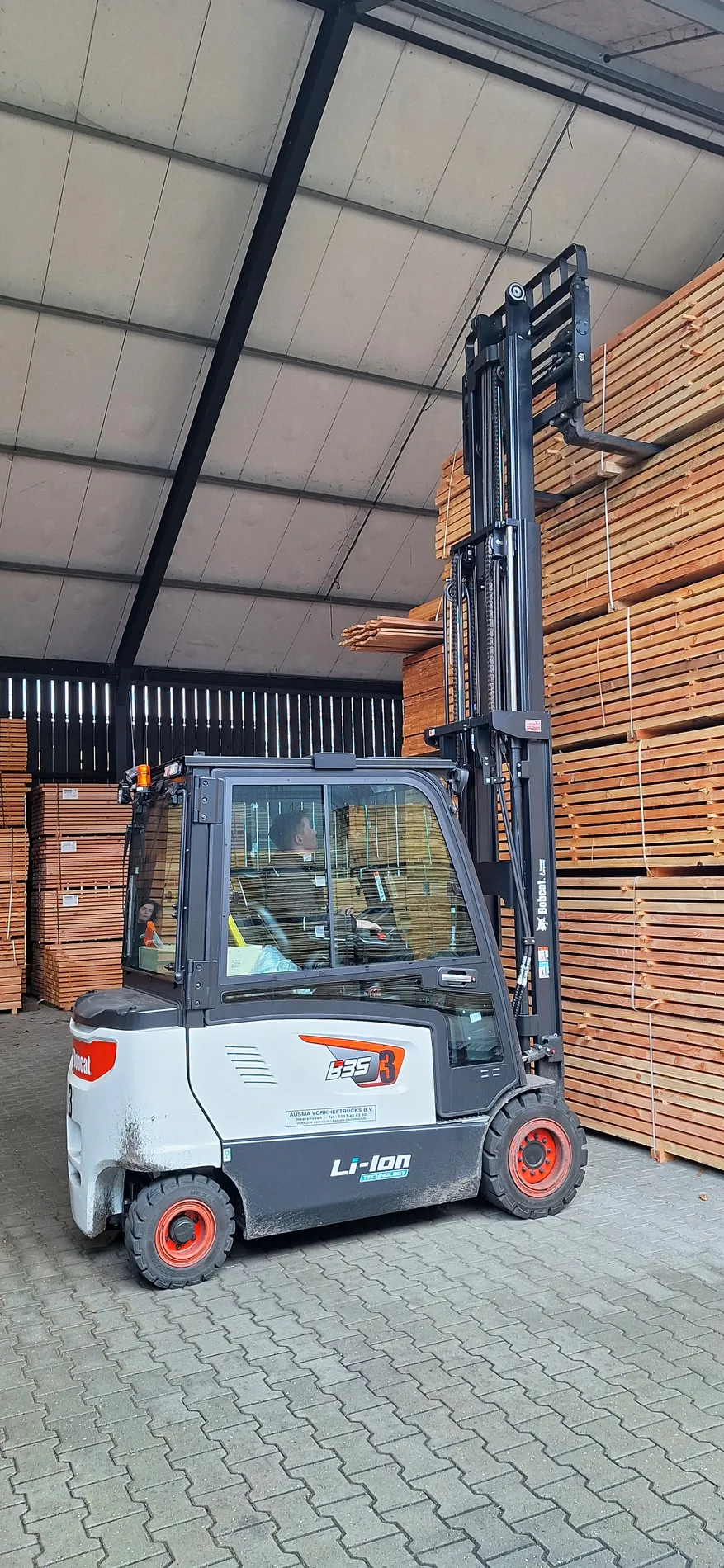
New Bobcat forklifts
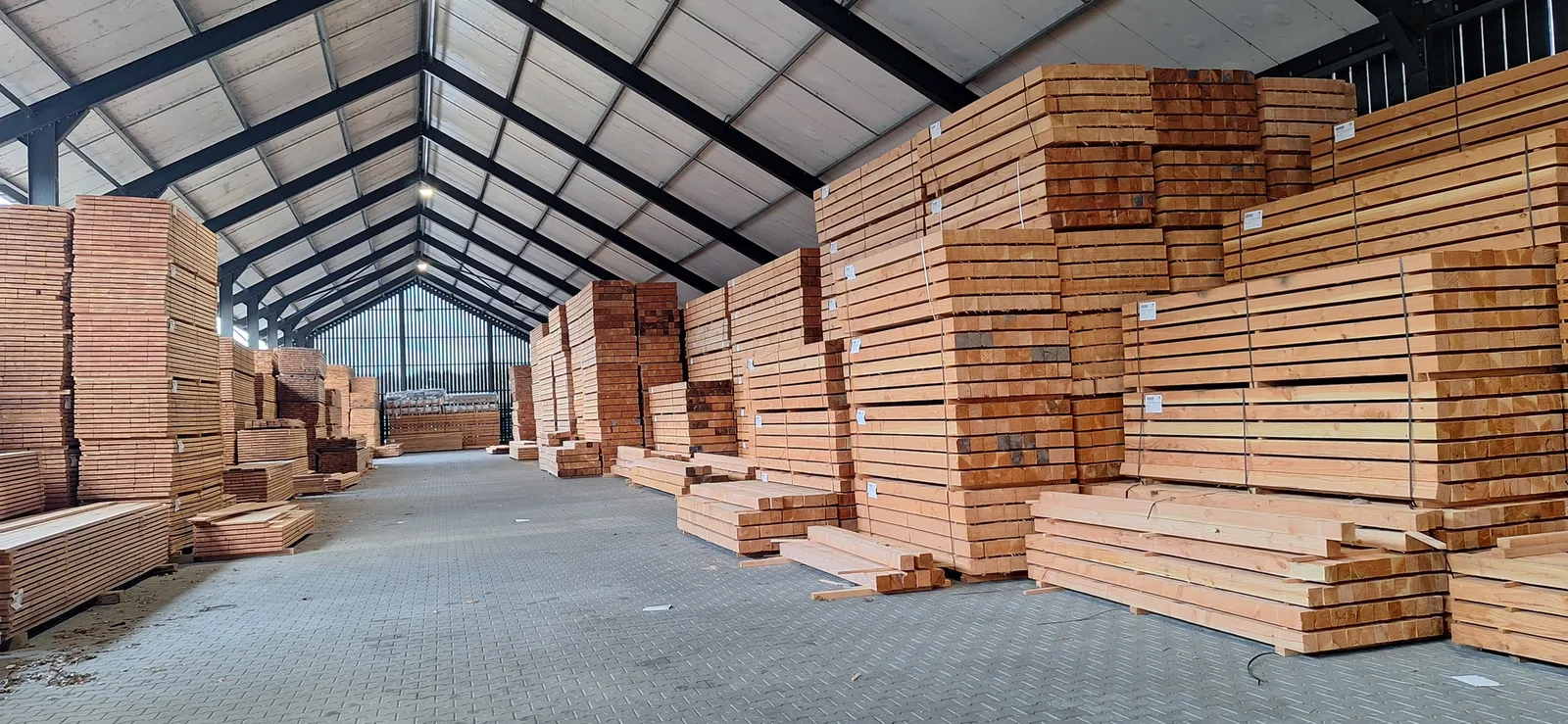
The timber purchased by Jan Sok is unloaded at various ports in the Netherlands and Belgium, then transported by lorry to Wanneperveen. The company has a storage site of around 2.5 hectares there, which supplies the shop in Meppel and the franchise outlet in Joure. At the shop in Meppel, the timber is unloaded using forklifts, stored in racking and moved to the packing stock. As the five forklifts purchased in 2020 had reached the end of their service life, Jan Sok decided to order new ones. The company once again chose Ausma in Heerenveen, where the timber merchant had also bought its previous forklifts. Those were Doosan forklifts, but since the company became part of Bobcat, the forklifts have been sold under that brand name since 2024.
“We could keep the forklifts for longer, but we have decided to buy new ones every five years to avoid technical problems and additional maintenance costs,” says Jan Sok, founder and owner of the timber merchant. “And because we are very satisfied with the support from Ausma, we saw no reason to change supplier.” The Joure outlet has also recently bought three new Bobcat forklifts. Jan Sok handles most of the forklift maintenance in-house.
168 solar panels
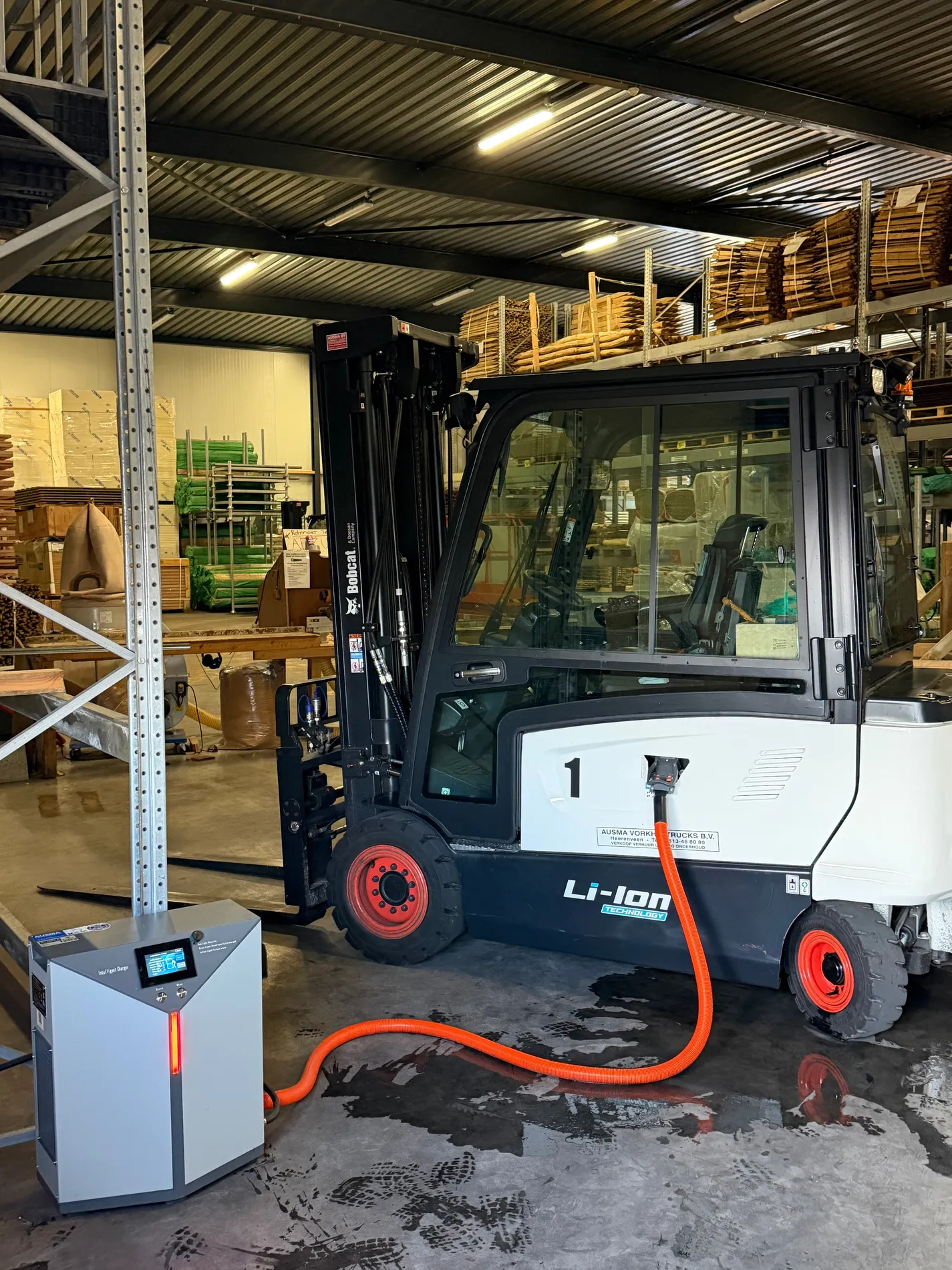
Unlike with its previous order, this time the timber merchant deliberately opted for electric forklifts, specifically the B35X-7 Plus model. They are fitted with lithium-ion batteries and have a lifting capacity of 3,500 kilos. The initial switch to electric forklifts was prompted mainly by the fact that facilities for storing diesel and refuelling the forklifts were not permitted on site. Driving the forklifts to a petrol station several times a week would have caused too much downtime.
The timber merchant has installed 168 solar panels on its roof, which generate more than enough electricity to charge the forklifts as well. Electric forklifts are very clean, which is a welcome benefit for customers walking around the site. Working with electric equipment is also more pleasant for staff. Jan Sok deliberately chose a more fully equipped version for his employees, including luxury seats and heated seats.
Self-sufficient
Jan Sok has invested heavily in its own energy supply. The aim is to become fully self-sufficient in the long term. With 168 solar panels on the roof, heat pumps to heat the building and batteries to supply electricity in the evening and at night, the company is currently making good progress towards that goal.
The forklifts are charged during the day only. Jan Sok says: “If there’s no need to charge them in the evening, why do it? Charging during the day is safer because there is always someone keeping an eye on things. With the net metering scheme being phased out, it is also much more efficient to use the solar energy generated on site straight away. The forklifts do not run continuously, so we have enough time to charge them during the day. Charging for half an hour during a break is usually enough to keep them in use for the whole ten-hour working day.
The exception is the peak season in March/April. The forklifts then run almost continuously. During those months, an additional forklift is kept ready for drivers to use while the batteries on another forklift are being charged.
Have a business enquiry for Bobcat? Get in touch
Companies in this story
Keep following this
Get an email when a new story is published. No account needed.
- ThemeMaterials handling in motion
- SubjectMaterial handling
- CompanyBobcat