‘Longer peak periods call for a different approach to capacity’
Text Ferdi den BakkerImage Syncore
From Black Friday to Carnival
Logistics organisations are increasingly seeing periods of one or a few busy days turn into longer peak periods. For many retailers, the peak period now starts before Black Friday, followed almost immediately by Sinterklaas and Christmas. In some markets, demand remains high until Carnival. This development is also changing the logistics challenge. It means managing not just a single peak day, but weeks or even months of higher stock levels and order volumes.
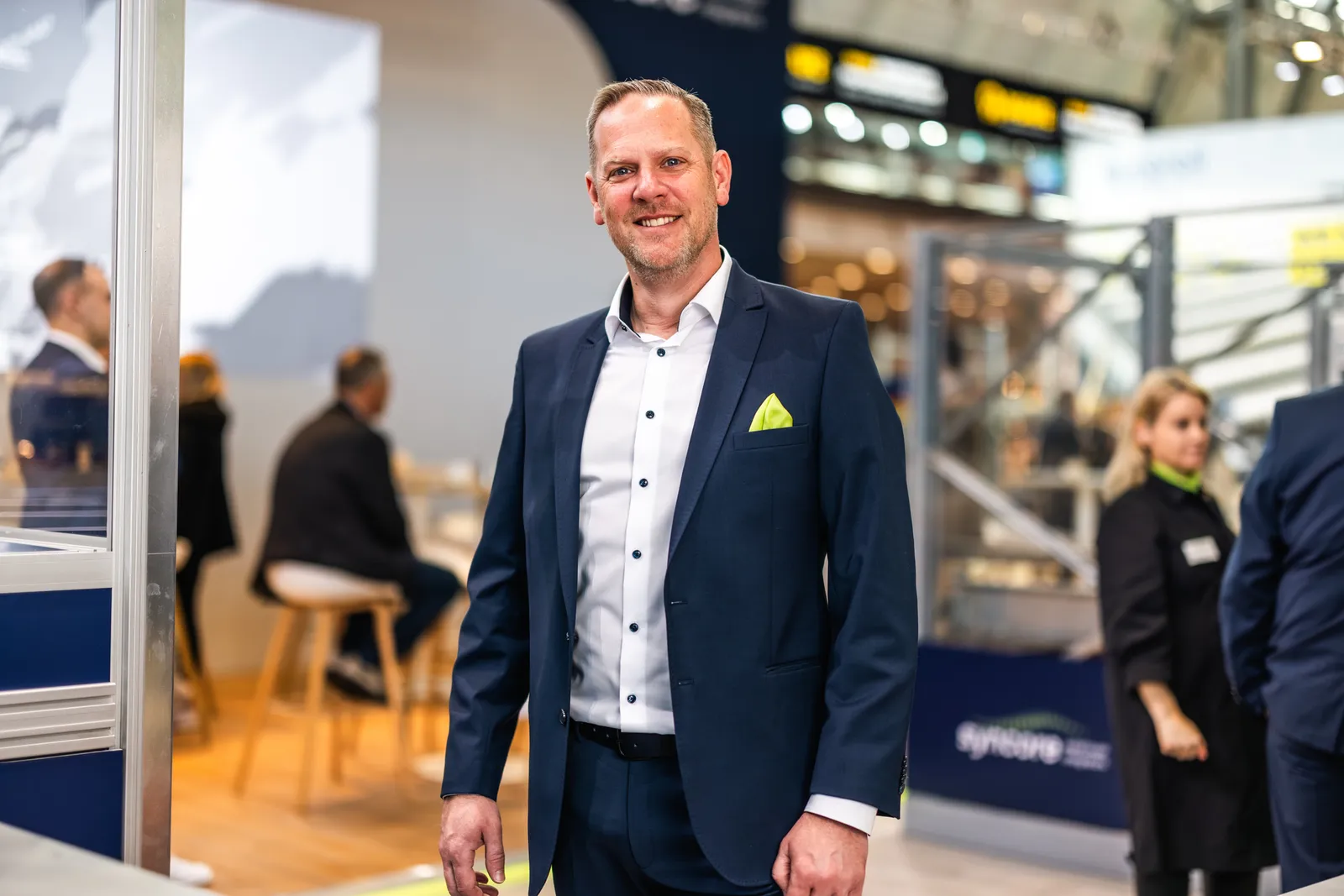
According to Mark van de Weijer, Head of Sales Benelux at Syncore, the longer peak period makes thorough preparation more important than ever. “Forecasts and data may be even more important than the hardware.”
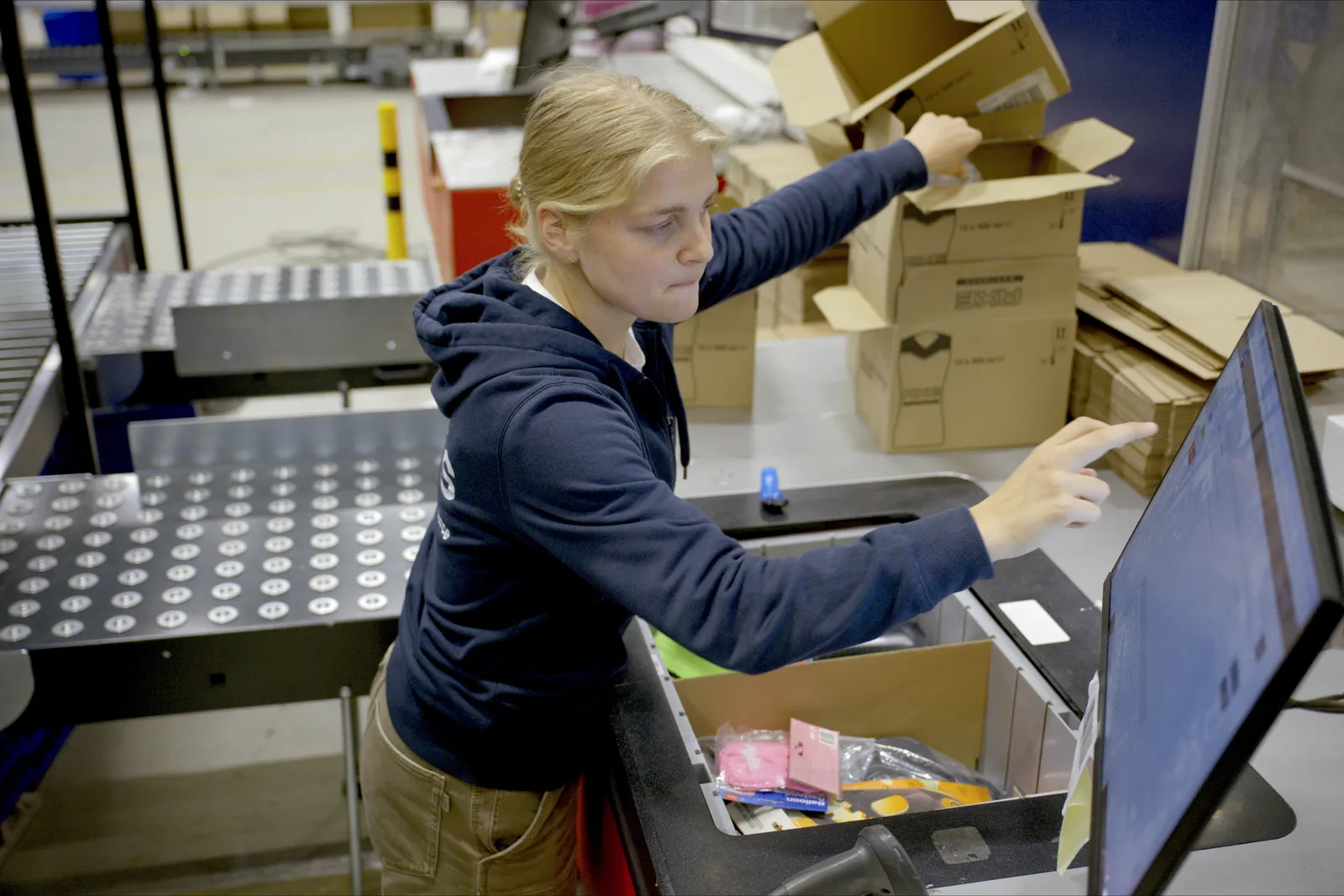
Van de Weijer says that commercial peaks are attractive, but also place a sustained burden on logistics operations. “The question is how to ensure the operation can continue to perform throughout that entire period. To do that, you need to look at the entire flow of goods. The bottleneck may be in storage, but just as easily at the workstations, in internal transport, staffing or the packing process.”
Preparing for the busy period
He says it is best to analyse developments in the flow of goods well ahead of the peak. “For organisations whose year-end peak starts in autumn, September is generally no longer the time to make major changes to critical systems. Expansions and optimisations should already have been prepared and tested. Maintenance must also be up to date, so the installation remains available to the fullest extent during the busiest months.”
However, installation availability alone is not enough. “A technically reliable installation may still lack the capacity to process higher volumes over an extended period.” That is why Syncore looks at storage capacity, system load, stock levels and the order profile, among other factors. This is not just about the individual parts of the system. “How these parts affect one another determines how much capacity the operation as a whole can actually deliver.”
More hardware is not always the answer
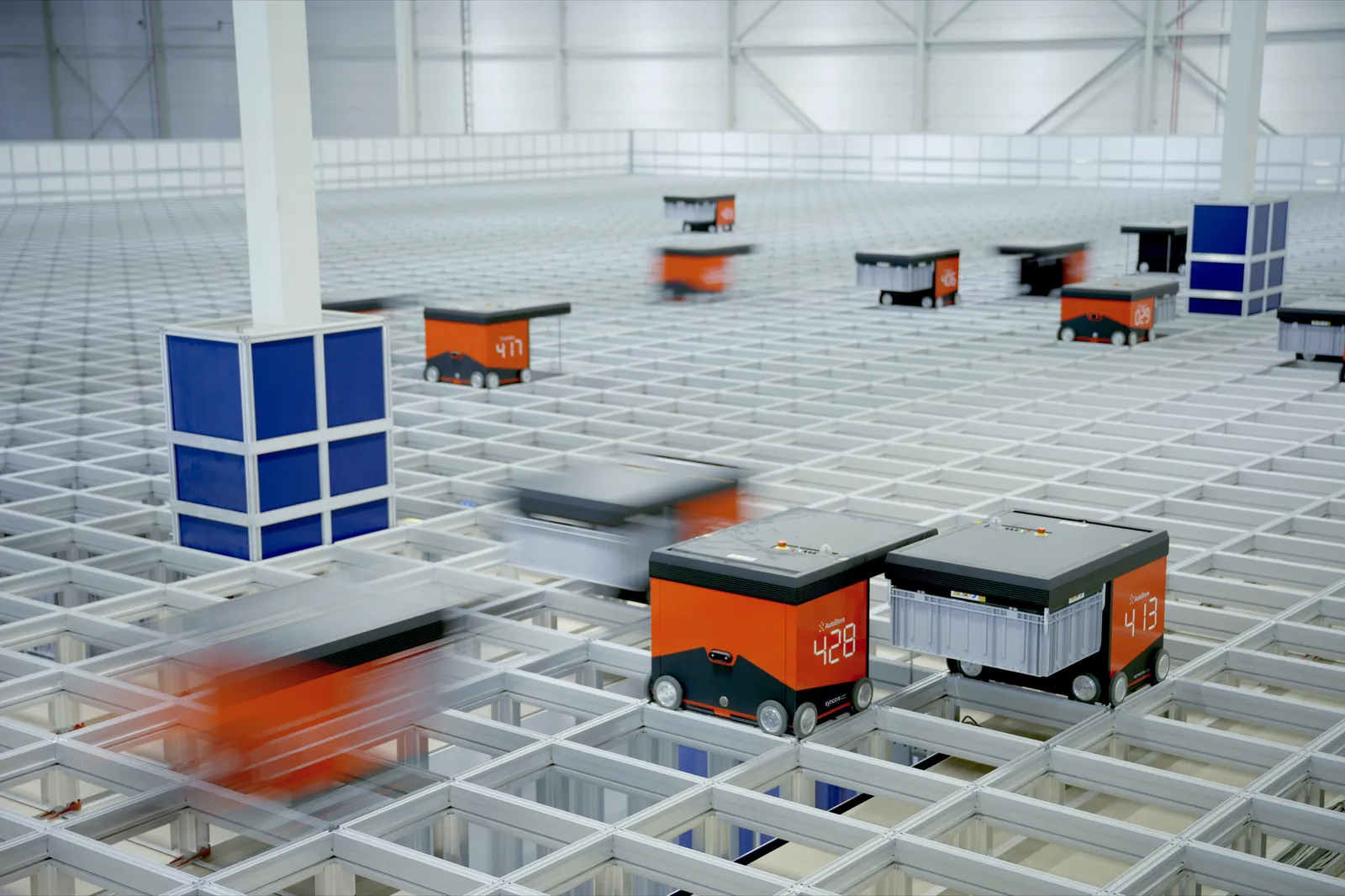
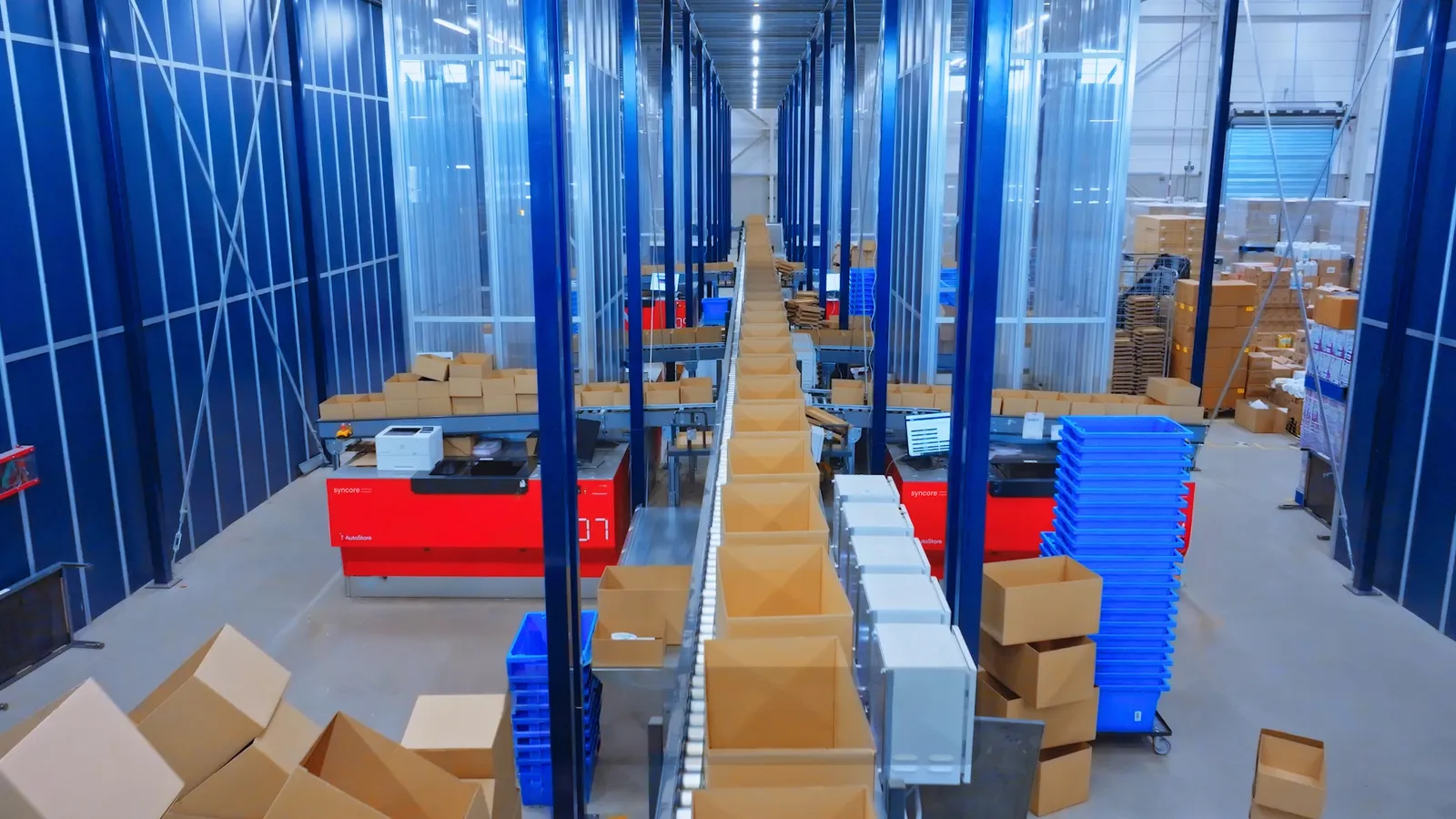
A thorough analysis prevents companies from turning too quickly to additional hardware. “More storage capacity, extra workstations or robots may be needed, but sometimes capacity can be freed up through different planning, process design or staffing. It all starts with understanding the situation. Only then can you determine what the operation actually needs. Historical order data, current system data and forecasts provide the basis for that decision. Syncore also draws on its experience from more than two hundred AutoStore installations and over 850 warehouse automation projects.”
“None of those two hundred AutoStore installations is identical, even though they are built from the same basic components. The layout and use of the components have a major impact on system performance. That experience is valuable.”

Investing with further growth in mind
According to Van de Weijer, an investment needed to handle the peak does not have to pay off only during that specific period. He often sees order volumes at growing organisations fail to return fully to their previous levels after the peak. An expansion will therefore not only provide extra capacity during the busiest months, but also create room for further growth. His main advice is not to wait until the busy period arrives. “The question is not just whether your warehouse can handle the busiest day, but whether the entire operation can continue to perform at a higher level for months.”
Have a business enquiry for Syncore? Get in touch
Companies in this story
Keep following this
Get an email when a new story is published. No account needed.
- ThemeThe supply chain under pressure
- SubjectLogistica Next
- CompanySyncore