Why internal and external inspections matter for safe warehouse racking
Text Carolien Klees Image Cor Verkolf/Jungheinrich
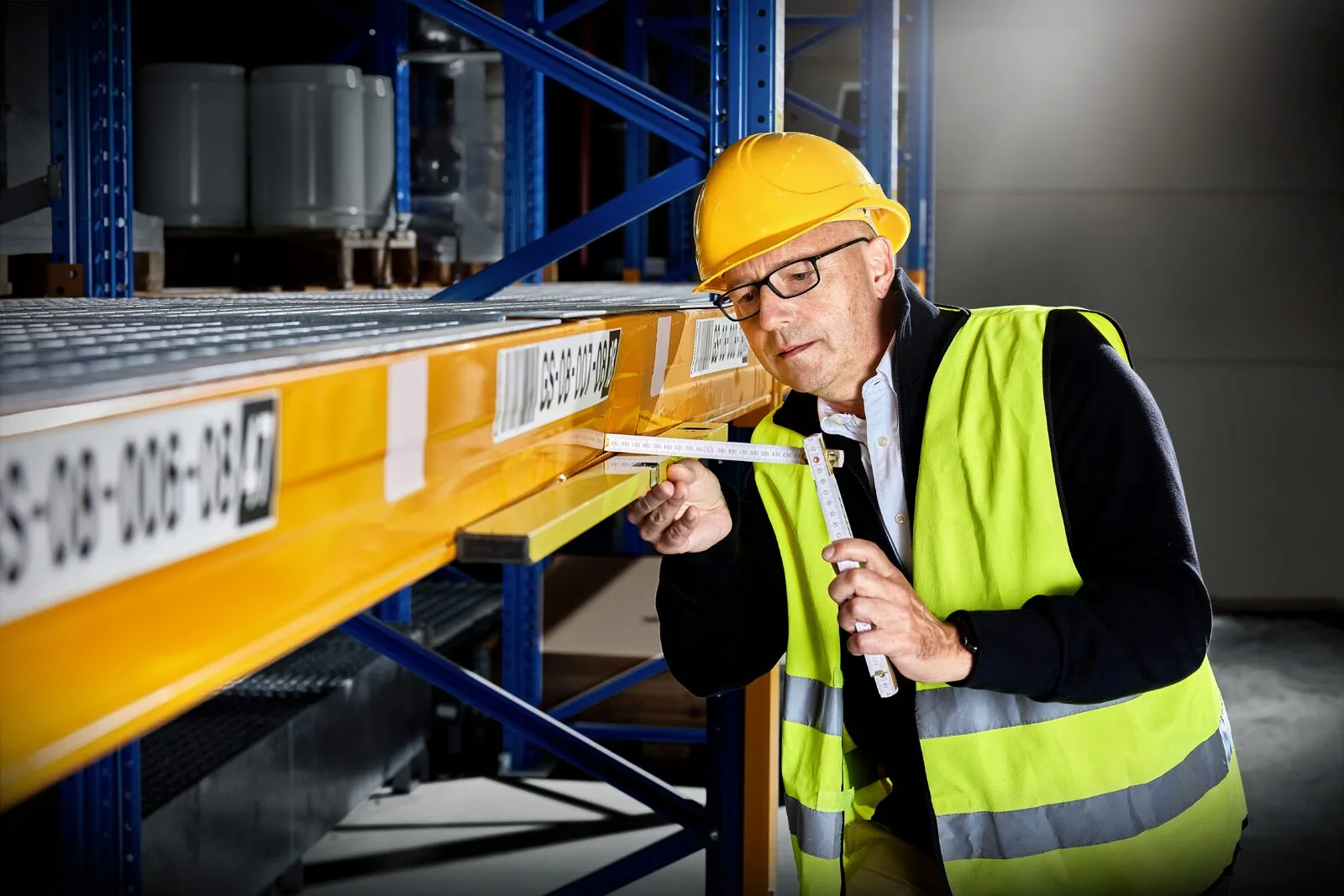
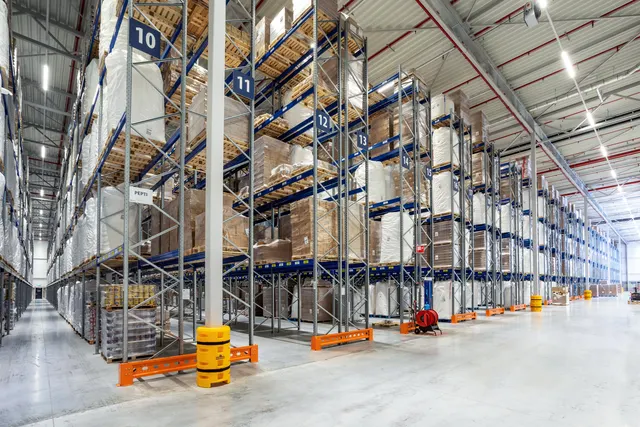
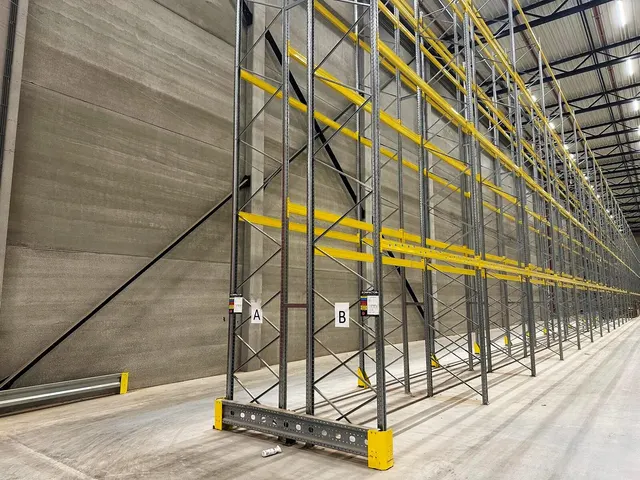
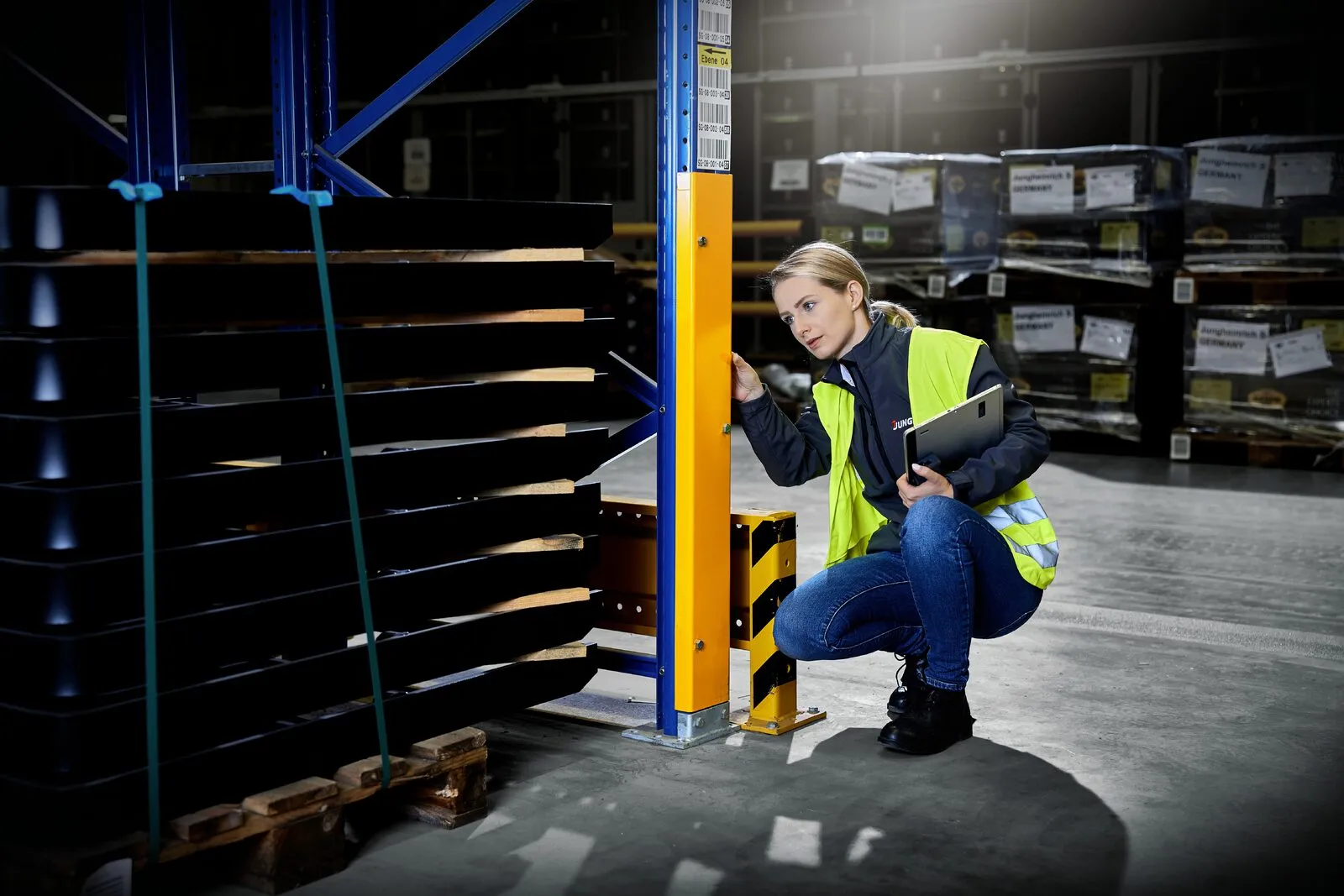
"Incidents involving warehouse racking often do not stem from large, spectacular collisions, as many a YouTube clip suggests. It is the small, everyday deviations that go unnoticed for years", says Peter Trimp, Safety & Legislation manager at Jungheinrich. BMWT coordinator Edwin Cas of Cor Verkolf recognises the picture: "Missing safety pins or wedge bolts, relocated beams, changed pallet dimensions and altered goods can still turn a safe rack into an unsafe one."
When warehouse racking fails, the consequences can be serious: injury, loss of product and damage to the business. Which inspection offers the most certainty, which guidelines apply, who is responsible for what and what does NEN-EN 15635 prescribe?
The supplier calculates and builds a rack for a specific application. If the use changes, an assessment is needed to establish whether the structure is still suitable. According to Trimp, relocating beams is the most underestimated modification. "The height configuration has an enormous influence on load capacity", he warns. "In particular when the lowest beam is positioned higher, the buckling length of the uprights increases and the maximum bay load can drop considerably. That calls for a new calculation by the manufacturer or supplier."
The risk of missing or unsuitable safety pins is also often underestimated: "People think: surely such a small piece of steel can never be that important? But the pin prevents a beam above from being lifted out of the upright when a pallet is removed", says Trimp. "Incidentally, any old pin will not do. The original safety pin is calculated for the upright in question", he stresses.
Responsibilities
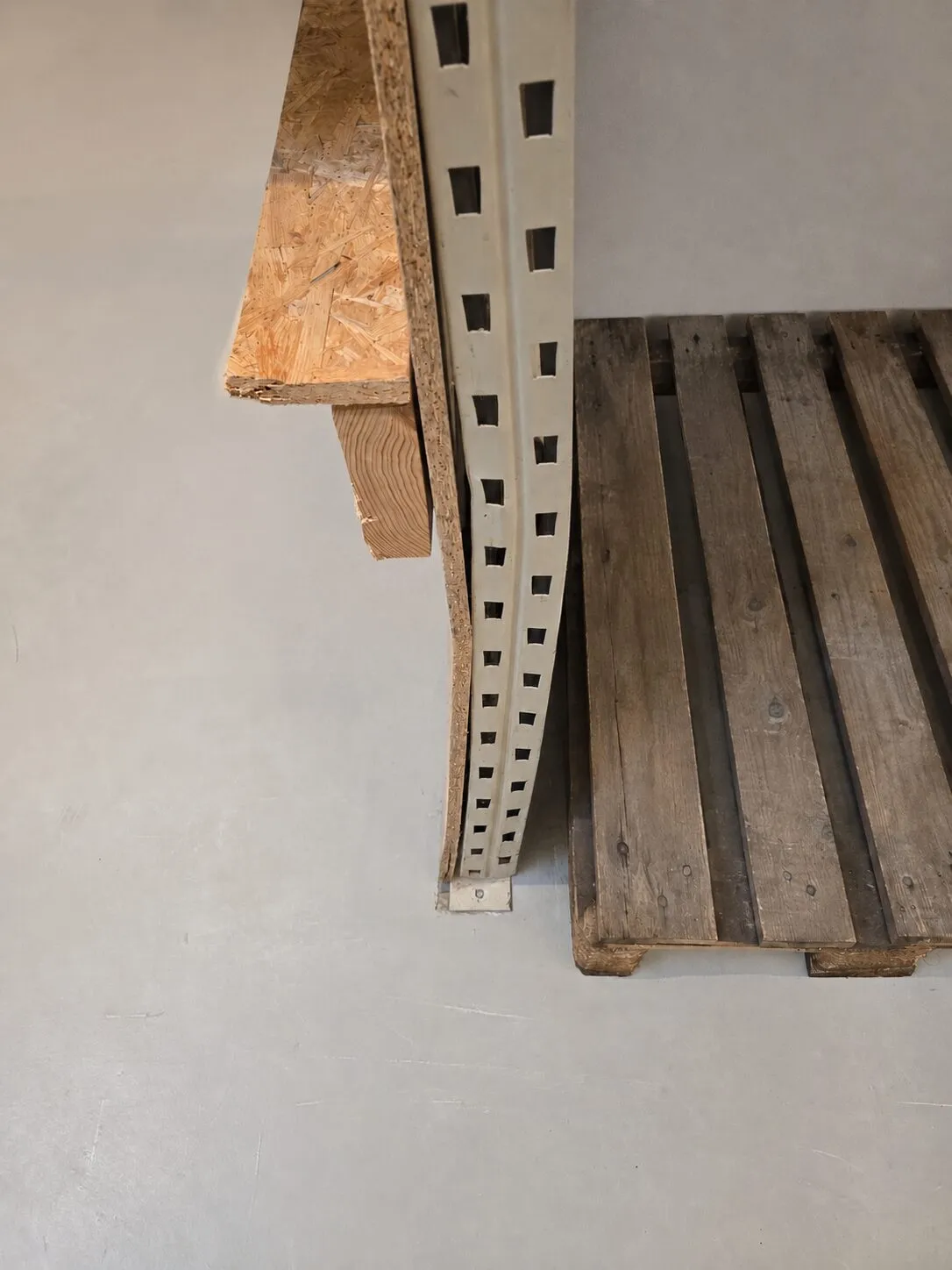
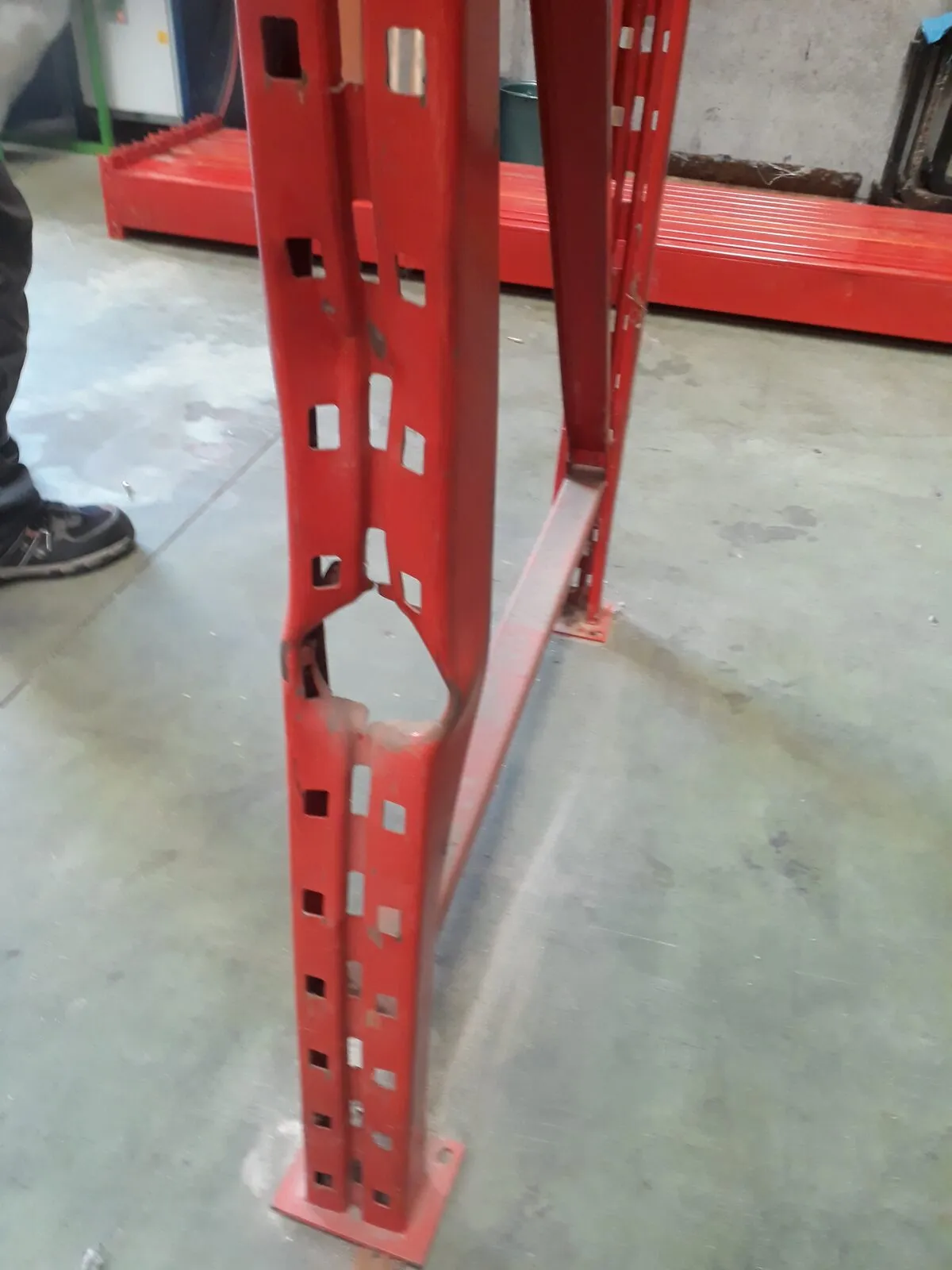
The employer bears ultimate legal responsibility and must ensure that inspection, maintenance, repair and instruction are properly organised. In day-to-day practice, the warehouse manager or foreman monitors compliance with the safety rules, records damage and takes hazardous rack components out of use. Employees and forklift truck drivers must follow instructions, use the racking safely and report every collision or instance of damage immediately. "It is important to create an open reporting culture in which employees feel safe to report a collision and any damage", Cas advises.
Knowledge
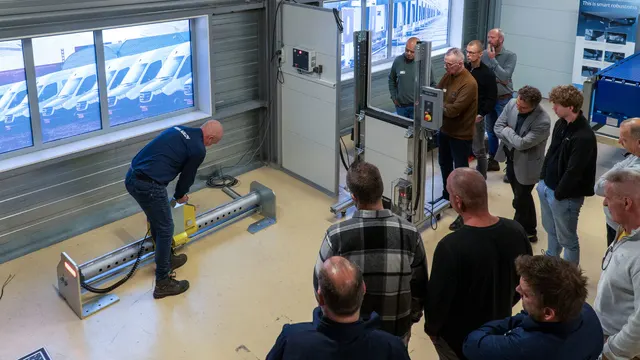
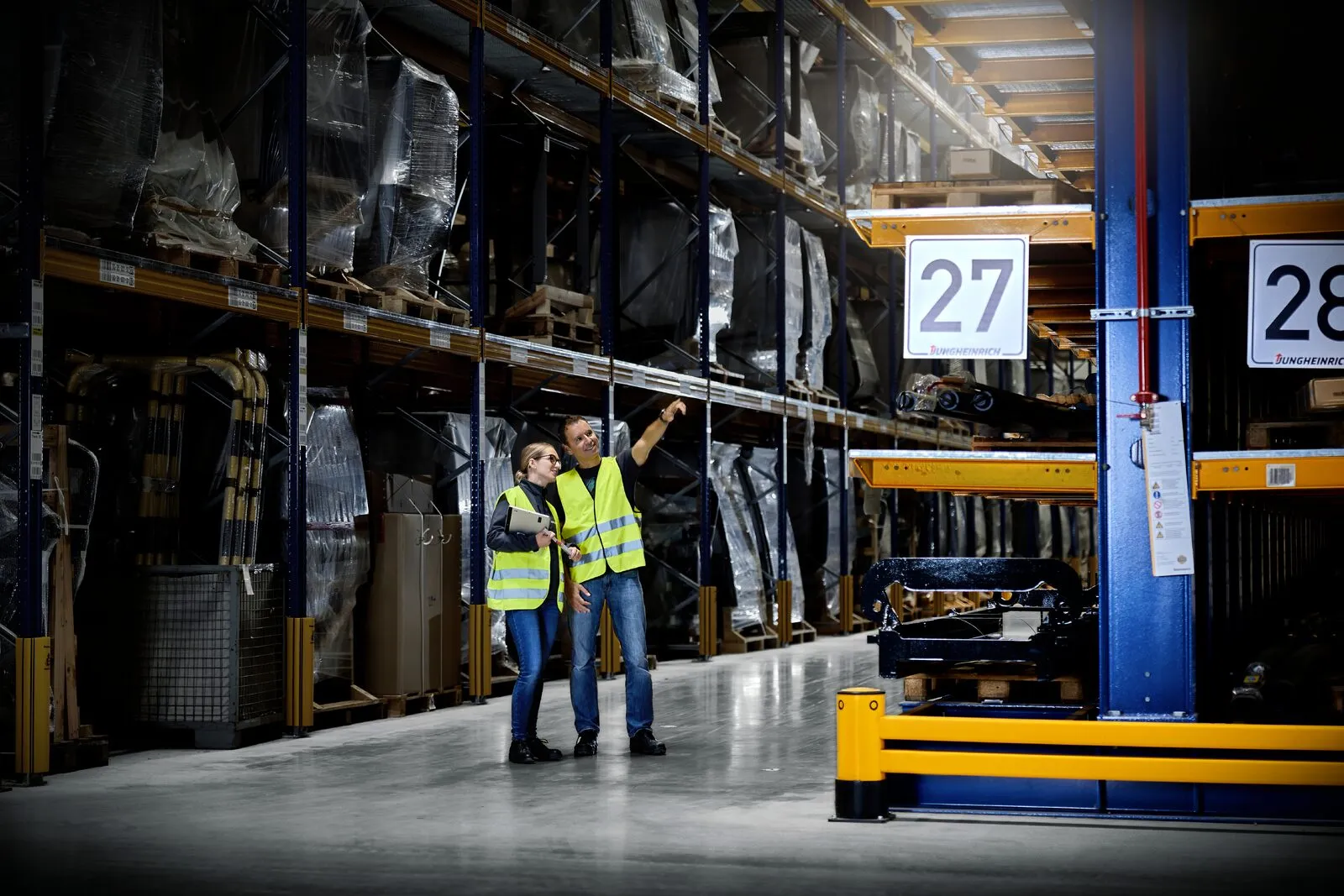
"Sufficient knowledge among employees is important here", Trimp adds. "At a minimum, employees must know how to use the racking and forklift truck safely, which damage or deviations they must report, what to do after a collision and that they must not modify beams, safety pins or other rack components themselves." Both Trimp and Cas favour on-site forklift truck training, so that drivers learn to identify risks through recognisable practical situations.
Inspection
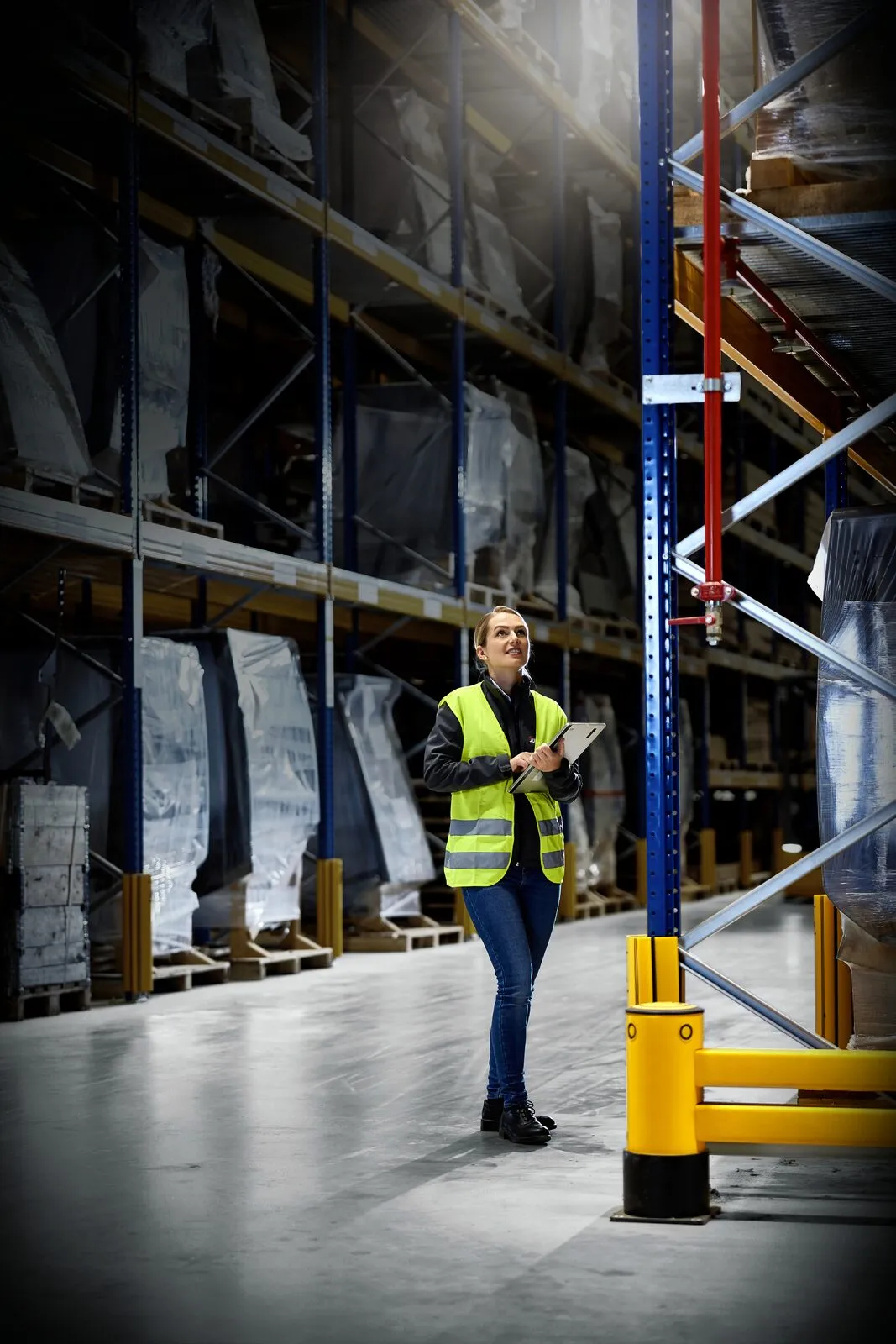
In addition to a weekly visual check by an internal employee, NEN-EN 15635 prescribes an inspection by a competent person at least once every twelve months.
"The advantage of a BMWT inspection lies mainly in quality assurance. BMWT participants have product knowledge and the technical files for the rack. BMWT also provides back-office support. Audits and spot checks moreover test whether companies and inspectors work according to the established requirements", Cas explains.
"The BMWT inspector works to fixed assessment criteria and uses uniform reporting forms drawn up by BMWT. They are the same kind of forms you receive, for example, with a BMWT forklift truck inspection. That uniformity makes it immediately clear where the defect is, what is wrong and which measure is needed. This enables the technical department or supplier to act in a targeted way. A non-certified inspection company may also have the expertise, but the client does not automatically get the same guarantees on working method, reporting and external quality control."
Finally, Cas wants to dispel a misconception: "Some people think: I have had my racking inspected, so that's it. But the user also has a duty to repair. Rejected components really do have to be replaced."
A business question for Jungheinrich Nederland? Get in touch
Companies in this story
Keep following this
Get an email when a new story is published. No account needed.
- ThemeMore warehouse space
- SubjectWarehouse equipment & safety
- CompanyJungheinrich Nederland