‘A future-proof warehouse doesn’t start with a robot’
Text Roel van Gils Image Groenewout
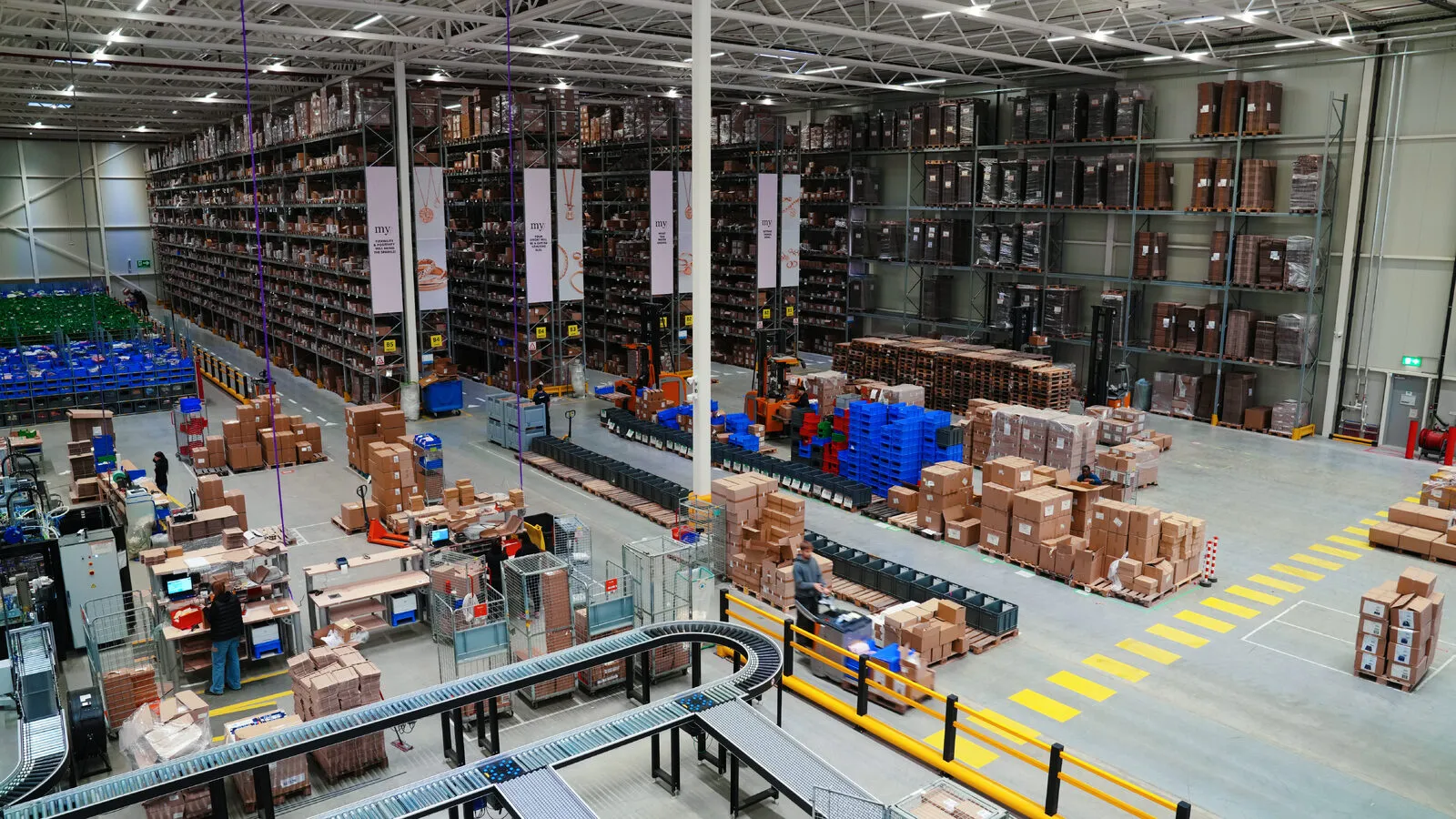
Designing a new warehouse or automating an existing logistics operation? The temptation is to look straight at technology, racking and robots. But according to Étienne Teunissen of Groenewout consultants en engineers, a successful automation project starts with data, a sound design and, above all, the question of what an organisation will need in the years ahead.
Ideally, warehouse design starts from the inside out, Teunissen says. “First, we map out what a company does today and where it wants to grow. Inventory, replenishment, order lines and storage capacity form the basis. Sometimes that information comes from a single Excel file; sometimes it takes dozens of files to build a detailed model. If less data is available, interviews and a walk around the shop floor can still provide insight into the current operation.”
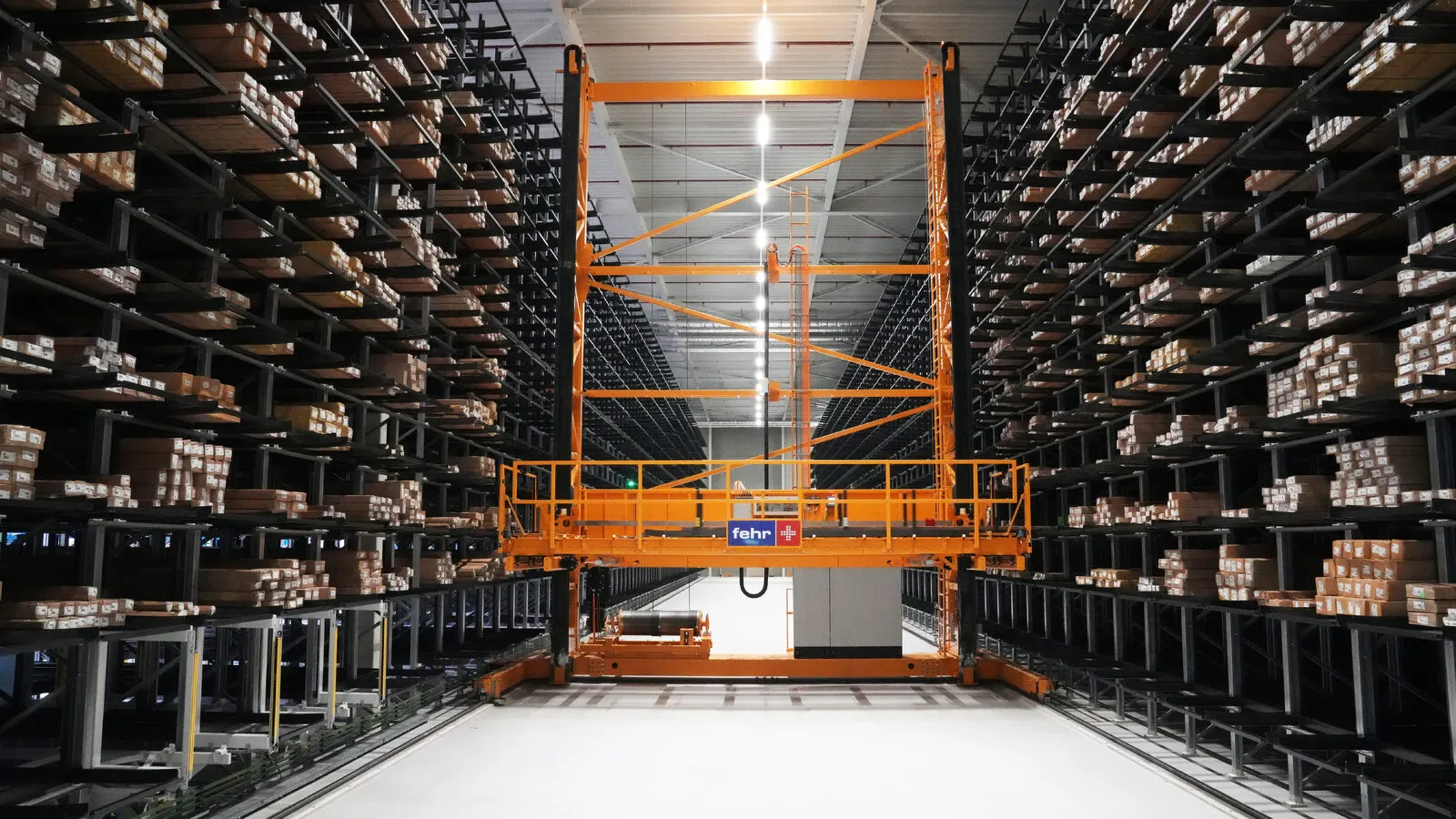
Feasibility study
The advice, according to Teunissen, is to compare options before building. “That’s the key,” he stresses. “A feasibility study sets out different scenarios side by side, from fully manual to highly automated. Each scenario is assessed for factors including staffing requirements, space utilisation, scope for growth and flexibility. Qualitative aspects such as sustainability and quality are also taken into account. The various options are then discussed with the customer in workshops.”
A feasibility study takes an average of twelve to sixteen weeks. “Around weeks eight to twelve, a preferred concept is selected and then developed further. The result is not yet a detailed design, but it does give a clear picture of the future logistics set-up and an initial block layout.”
Automation
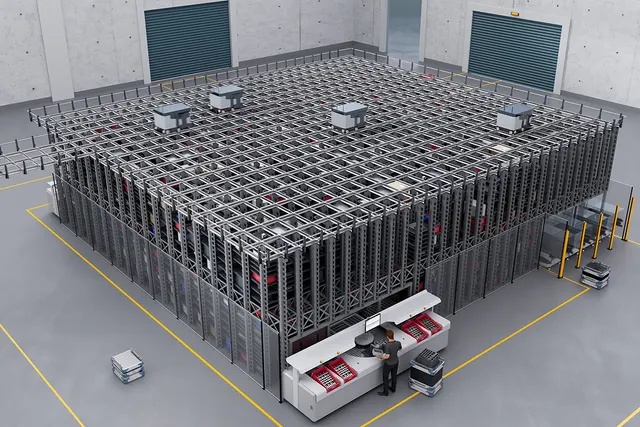
The next stage is to explore the details: storage locations are developed further, material flows analysed and a requirements specification drawn up. “Suppliers can then be selected. The customer can specify exactly what they need, but the requirements specification can also deliberately leave room for suppliers’ expertise and creativity,” Teunissen notes. It is striking that automation is now almost always part of the considerations. “Not only because of the payback period, but also because of staff shortages and the desire to improve quality. Flexibility is becoming increasingly important, too. AMR solutions, for example, make it possible to increase the level of automation in stages, rather than installing full capacity from the outset.”
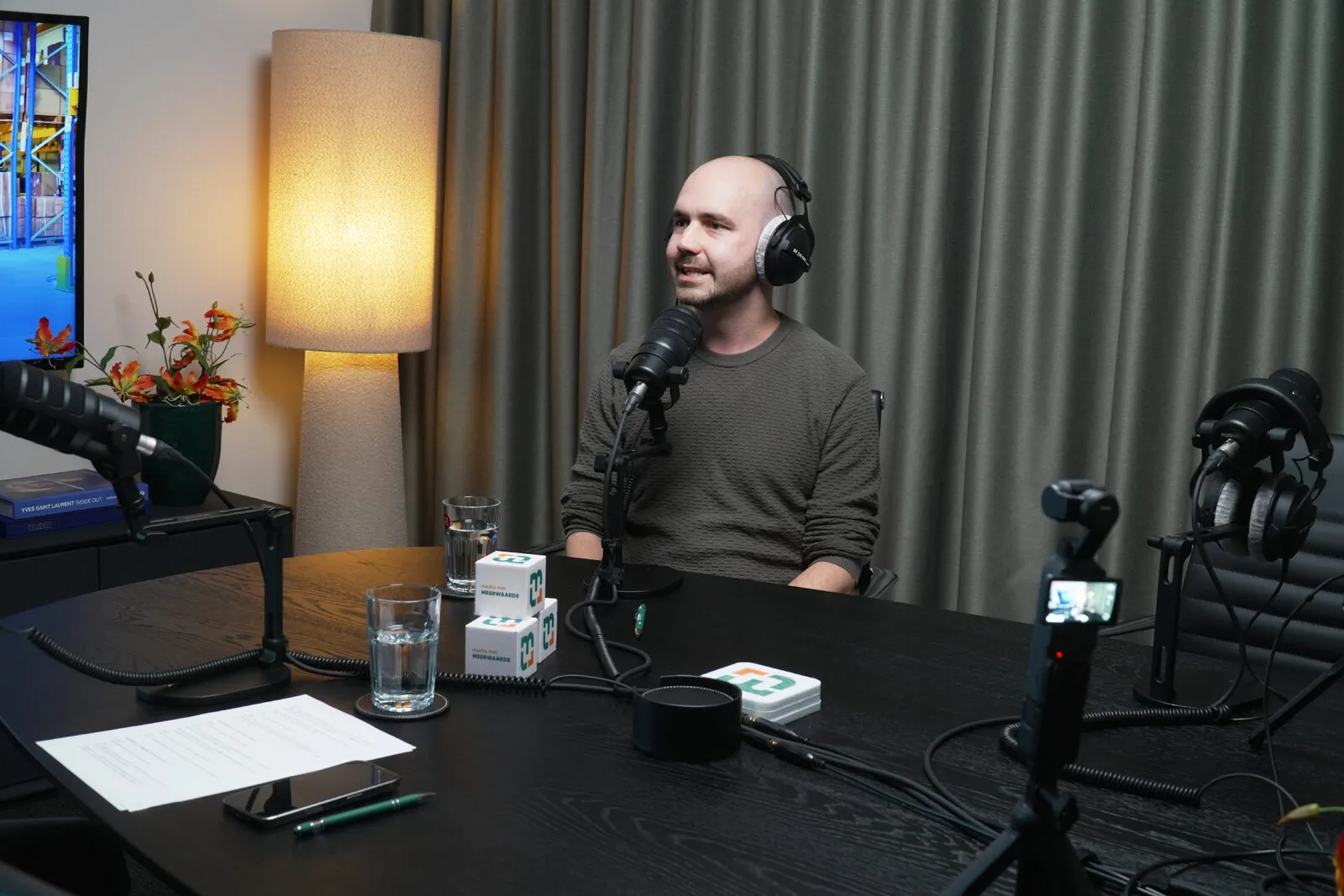
Valuable input
Still, not everything needs to be automated. “Product characteristics, volumes and the complexity of the operation determine what makes sense,” Teunissen acknowledges. “Sometimes an optimised manual process is simply the best solution. Ultimately, technology is only a means to an end. A successful implementation depends on the people who have to work with it. That’s why we always involve operations in testing, commissioning and training. Employees learn the new way of working and can also provide valuable input based on their practical experience.”
And when is a project a success? “Not on the day the installation goes live. You only reap the benefits of automation once the system has been running for some time, the dust has settled and any necessary optimisation has been carried out. So if you want to build a future-proof warehouse, don’t start with the robot. Start by asking the right question.”
A business enquiry for Groenewout B.V.? Get in touch
Companies in this story
Keep following this
Get an email when a new story is published. No account needed.
- SubjectAutomation
- CompanyGroenewout B.V.