warehouselogistiek.eu
EN

The platform for internal & external logistics, supply chain and automation
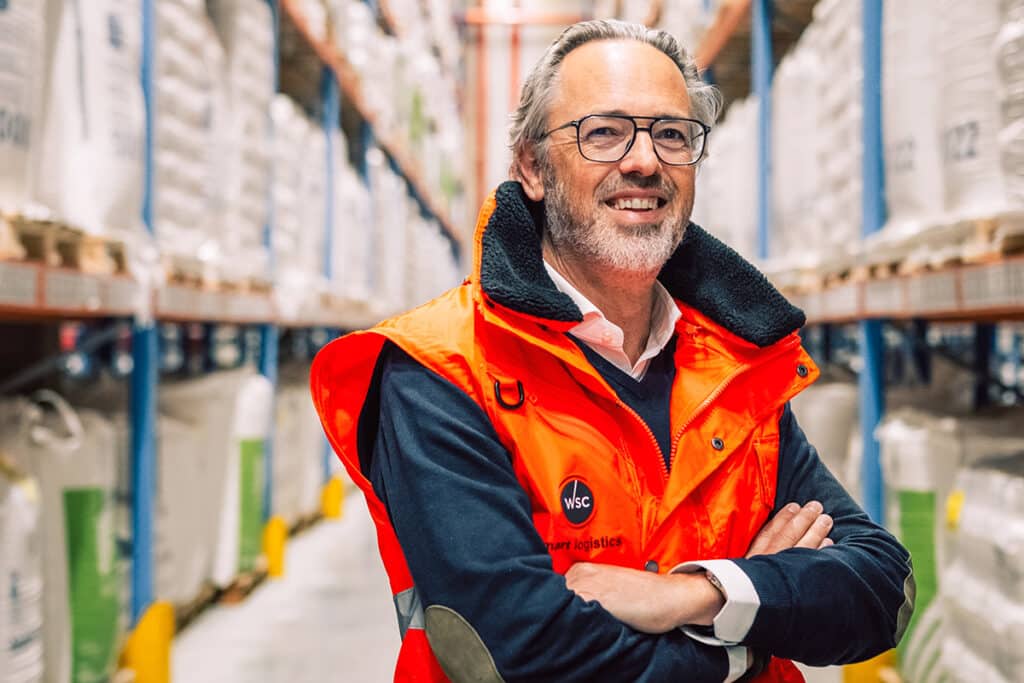
How does Didier Weerts (WSC) view new developments?
In the first issue of this trade magazine (September/October 2023), we visited Weerts Supply Chain (WSC). As one of the subsidiaries of Weerts Group, this ambitious market player has grown over the past decades to become a mainstay in the logistics sector. In this issue, we sit down with CEO Didier Weerts to explore how the sector is addressing the numerous challenges that continue to arise—from rising energy costs and chronic labor shortages to escalating geopolitical tensions.
Many experts have already pointed this out in this magazine: warehousing is rapidly evolving from a storage function into an intelligent organizational model centered on technology, data, and operational agility.
At the same time, the logistics sector is at a tipping point: as companies strive to make their supply chains more resilient, challenges are piling up—structural labor shortages, geopolitical tensions, rising energy costs, and stringent sustainability requirements. Combined with a market that expects greater flexibility, shorter lead times, and higher predictability, this is putting a lot of pressure on the system.
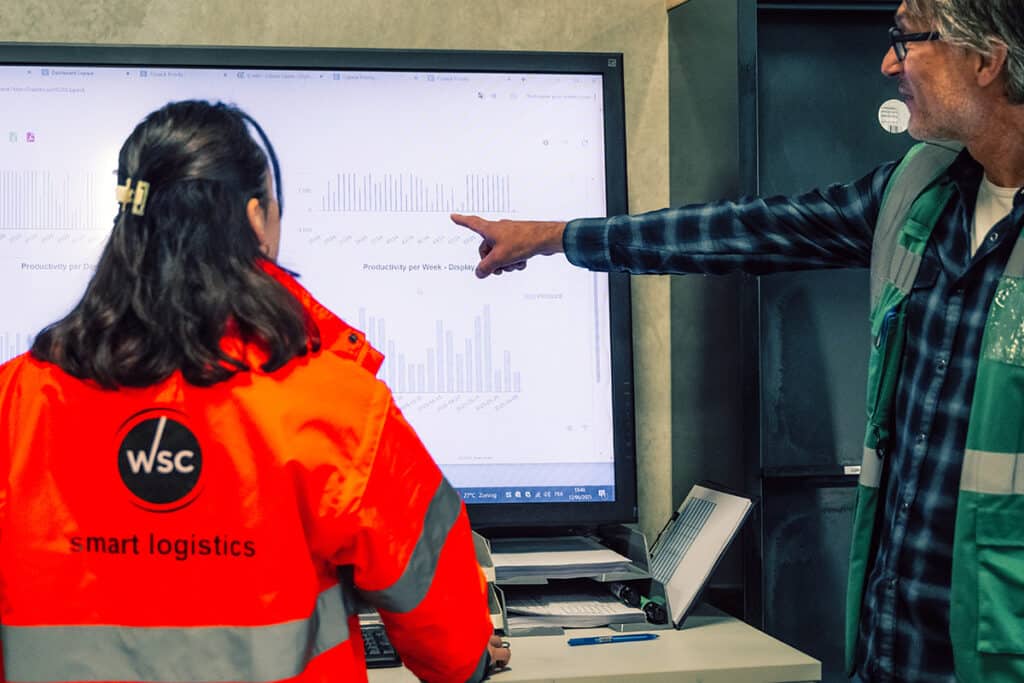
As an experienced CEO, how does Didier Weerts view these developments? He begins by addressing the chronic labor shortage that continues to plague the sector. “In Belgium, it’s becoming increasingly difficult to find operational staff, while the driver shortage is also worsening year after year due to an aging workforce and a lack of young people entering the field.”
“That labor shortage has a direct impact on the scalability of logistics operations. Whereas we used to be able to scale up by hiring more people, today we’re primarily looking for ways to structurally increase our productivity.”
For Didier Weerts, the current geopolitical volatility is a second major concern. “Along with my peers in the industry, I’ve noticed that disrupted trade flows, international tensions, and rising trade tariffs are leading to structurally higher costs—not only in international transportation but also in warehousing. After all, our warehouses are facing highly fluctuating volumes, making profitability and capacity planning more difficult to manage. Although reshoring and nearshoring are often put forward as solutions, I’d like to temper overly simplistic expectations. After all, such strategic shifts require substantial investments and cannot be achieved overnight.‘
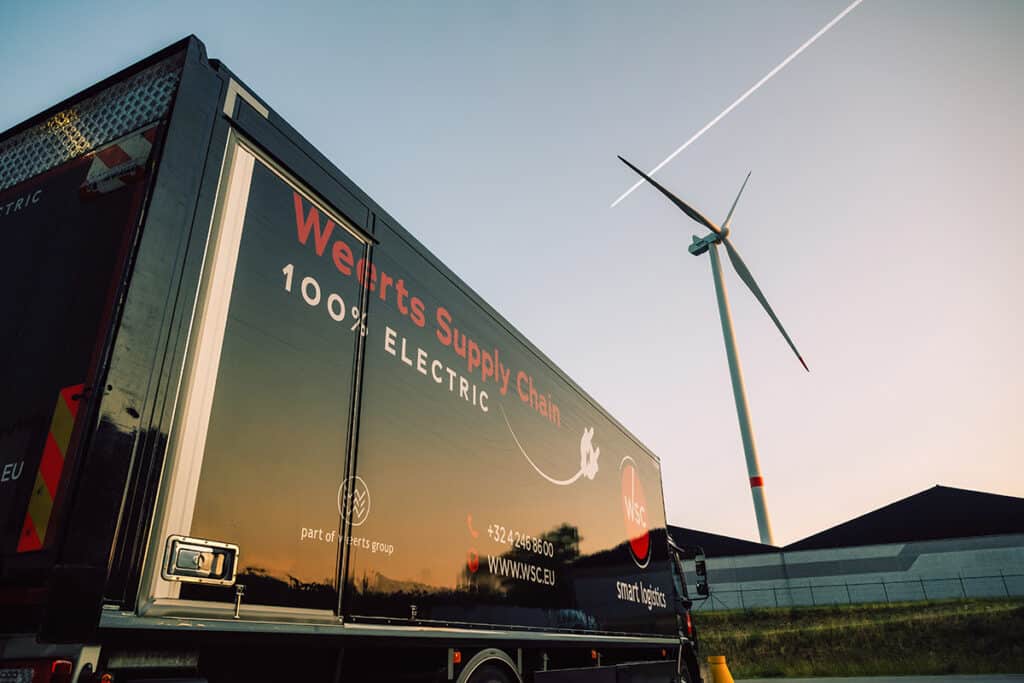
“A demanding sustainability agenda also continues to shape the playing field. Warehouses are increasingly expected to operate energy-efficiently, generate energy locally, and at the same time comply with European reporting requirements. This remains a significant challenge time and time again.”
At the same time, Weerts sees a technological acceleration that will fundamentally redefine the logistics sector. “In my opinion, the biggest change lies not in any single innovation, but in the combination of artificial intelligence and robotics as an integrated system.”
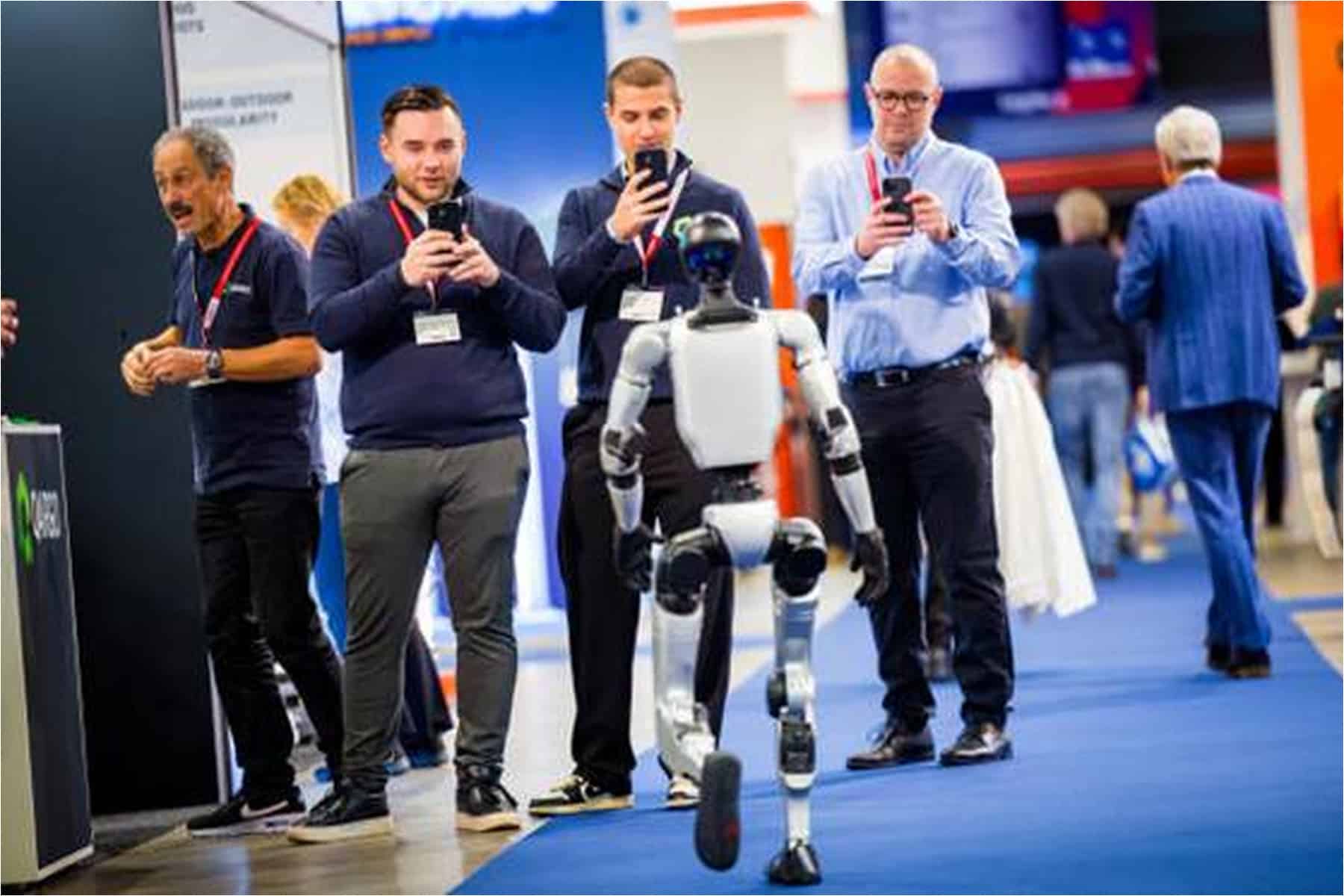
“Whereas automation used to consist mainly of fixed conveyor belts or traditional robotic arms, we’re now seeing a shift toward flexible systems. I see a lot of potential in autonomous mobile robots (AMRs) that move independently through warehouses and can take over operational tasks without requiring major infrastructure changes.”
“The real breakthrough lies not only in automation itself, but above all in the intelligence that is integrated into it. AI systems are increasingly making real-time decisions about what needs to be picked, restocked, or moved, and when. In doing so, they no longer rely solely on fixed rules or historical patterns, but instead combine current data on inventory levels, delivery times, utilization rates, and operational priorities.”
That makes warehousing fundamentally different from what it is today, says Weerts. “Many Belgian warehouses still operate largely according to traditional logic, while AI allows for continuous adjustments based on real-time conditions. What seemed exclusive to global players like Amazon or large retailers just a few years ago is, in my opinion, gradually coming within reach of mid-sized logistics companies as well.”
“Our company is currently running several pilot projects in which we are actively using AI to organize warehouse processes more efficiently. For example, the warehouse layout is constantly recalculated based on movement data, so that products are placed closer to optimal picking locations and our warehouse employees have to walk shorter distances.”
According to Weerts, this efficiency gain has an important additional function: “It helps address the labor shortage without putting extra pressure on our employees. AI shouldn’t replace people, but rather allow them to focus more on tasks with higher added value.”

Nowhere is this increasing complexity more evident than in temperature-controlled logistics. Demand for refrigerated and frozen storage capacity has been growing strongly for years, driven by food logistics, e-commerce, and stricter quality requirements. At the same time, available capacity is under pressure and operational demands are increasing.
According to Didier Weerts, the food industry is undoubtedly one of the most challenging sectors for warehousing. “This is due to the combination of various levels of complexity that must be managed simultaneously: temperature zones, food safety standards, limited shelf life, and an exceptionally low margin for error,” he explains.
“In a single warehouse, we sometimes have to manage frozen products at -18°C, fresh food at around +4°C, and dry goods simultaneously, each with its own storage logic, staffing requirements, and traceability standards. In addition, strict HACCP standards apply, and we often have to operate according to FEFO principles (first expired, first out), whereby products with the shortest shelf life are shipped first.”
The management of cold storage and freezer warehouses is also undergoing a fundamental transformation. Didier Weerts explains: “Today, smart WMS applications continuously monitor temperature data, inventory movements, and loading activities. Real-time monitoring allows us to detect anomalies more quickly, while advanced inventory optimization helps us reduce waste and energy consumption.”
“Last but not least, dock management is also playing an increasingly important role. In temperature-sensitive logistics, every minute counts: the longer loading docks remain open, the greater the impact on temperature stability and energy efficiency. That’s why we’re increasingly investing in smart loading procedures, optimized routing, and more compact warehouse layouts.”
In addition to automation, the transportation strategy is also shifting. Multimodal logistics—which combines road transport with rail or inland waterway transport—is evolving from a sustainability initiative into a strategic necessity. How does WSC’s CEO view this trend?
“For companies operating internationally, flexibility in modes of transport is becoming a crucial factor, especially now that traffic congestion, emissions targets, and cost volatility are putting pressure on traditional transport models. It is therefore no coincidence that, with WSC, we deliberately locate our warehouses near terminals and multimodal hubs, so that our customers can more easily utilize alternatives to traditional road freight transport. Through connections to rail and inland waterways, we create greater reliability and a better distribution of operational risks.”
“In doing so, we deliberately choose to form partnerships with specialized terminal operators. WSC focuses on its core business as a 3PL provider, while these partnerships allow us to still offer our customers an integrated multimodal solution.”
However, implementing new technology requires more than just investment. According to Weerts, organizational culture also plays a major role in determining whether logistics innovation pays off.
“At WSC, we therefore focus on fostering an entrepreneurial spirit, despite the large scale of our organization. Local autonomy plays an important role in this: our sites must be able to operate independently, but within a clear operational framework.”
According to Weerts, bureaucracy is being reduced, while employees are actively encouraged to propose ideas for improvement and take the initiative. “Continuous improvement should not be a project separate from operations, but rather a reflex within our daily operations. At the same time, we on the executive team remain closely connected to operations. Executive team members regularly work from different sites, which allows us to stay in touch with the front lines and translate decisions into operational reality more quickly.”
“It’s also important to note that WSC is investing in an internal academy, through which we deploy experienced employees on a flexible basis to support new client launches, innovation projects, or operational transformations.”
According to Didier Weerts, that is precisely where the major challenge lies for logistics players: not so much in the technology itself, but in how companies can transform their existing operations without shutting them down—while at the same time helping their employees adapt to new roles and skills.