Less cardboard, less void fill and more efficient use of transport capacity
Text Roel van Gils Image Packsize
A small product in a huge box, surrounded by air and packing material. Anyone who regularly shops online will recognise the sight. For years, it was the most normal thing in the world: use a limited number of standard box sizes and fill the remaining space. Packsize turns that principle on its head. The product, not the box, is the starting point.
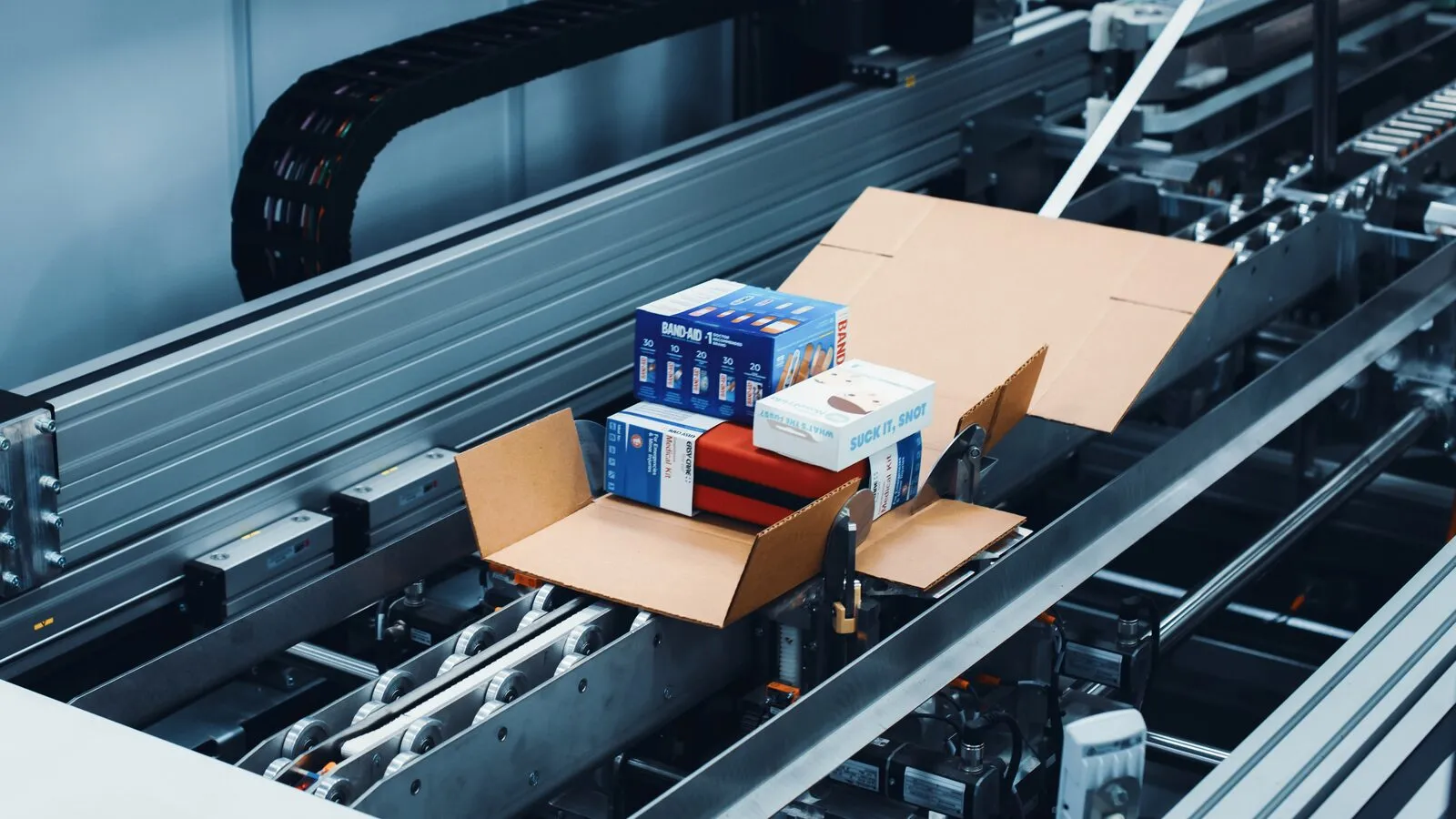
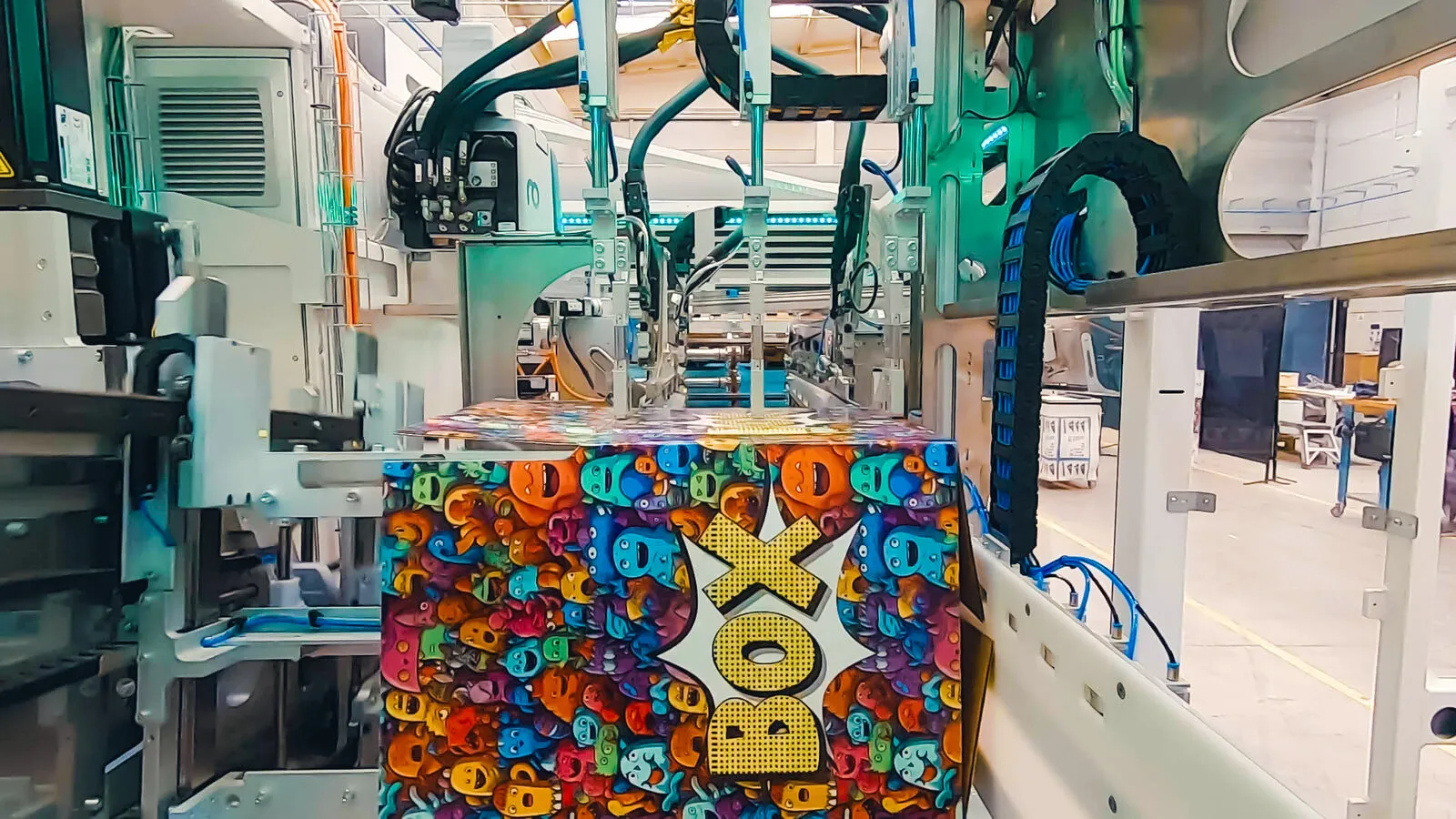
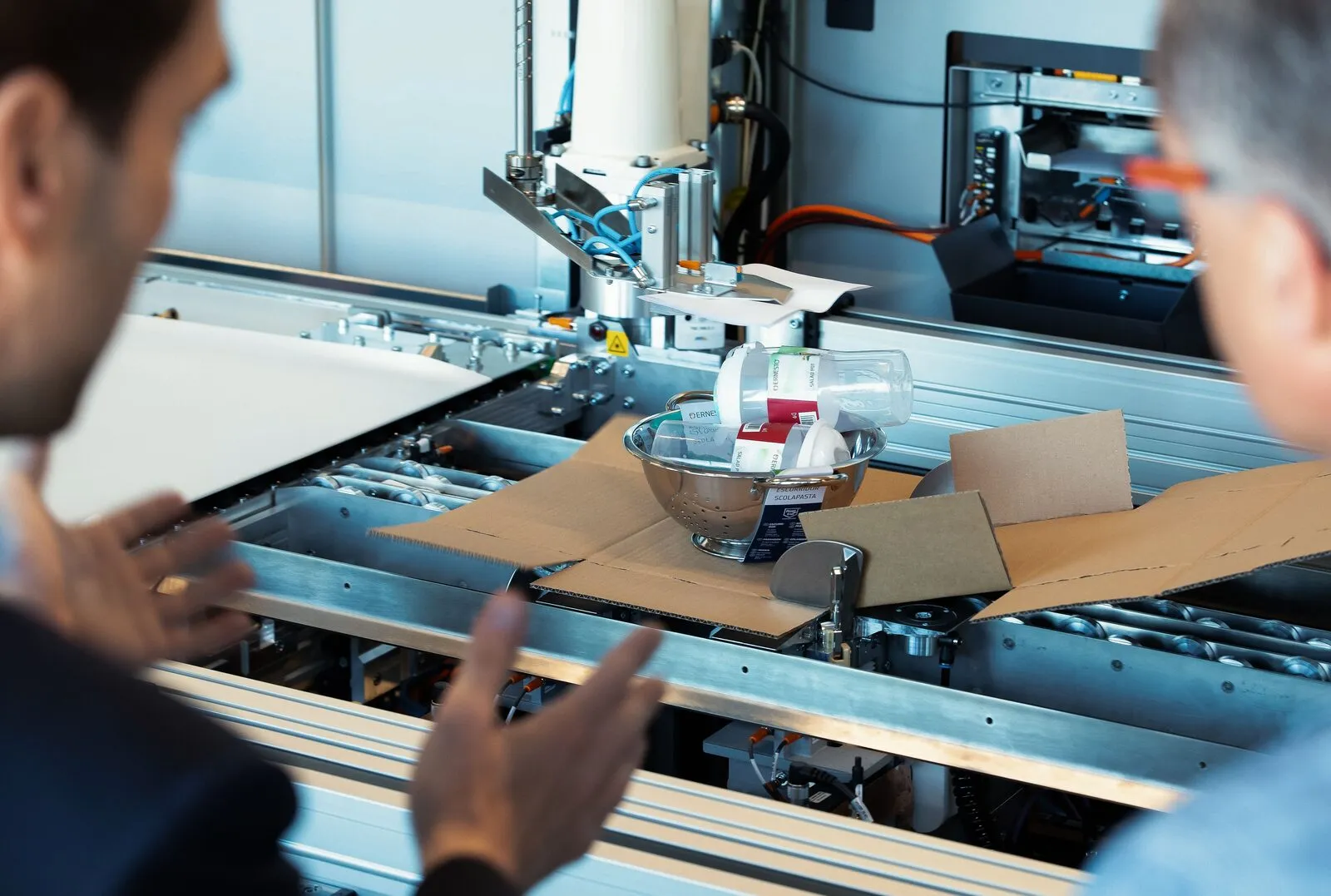
The principle is remarkably simple: make packaging that fits its contents exactly. Packsize does this using two approaches: box-first and box-last. With box-first, product data from the WMS is used to produce a custom-sized box in advance. With box-last, products are placed directly on a machine, which then uses a 3D scan to determine the required dimensions. The machine then cuts, folds and seals the right box there and then.
Endless corrugated cardboard
The result is more than just smaller packaging. “Less air means less cardboard, less void fill and more efficient use of transport capacity,” says Jeroen Brabers of Packsize. At the same time, the need for dozens of different box sizes is reduced. Packsize uses what it calls ‘endless corrugated cardboard’: flat corrugated board supplied on pallets and converted by the machine into the required box. This also makes packaging stock considerably easier to manage.
Automation
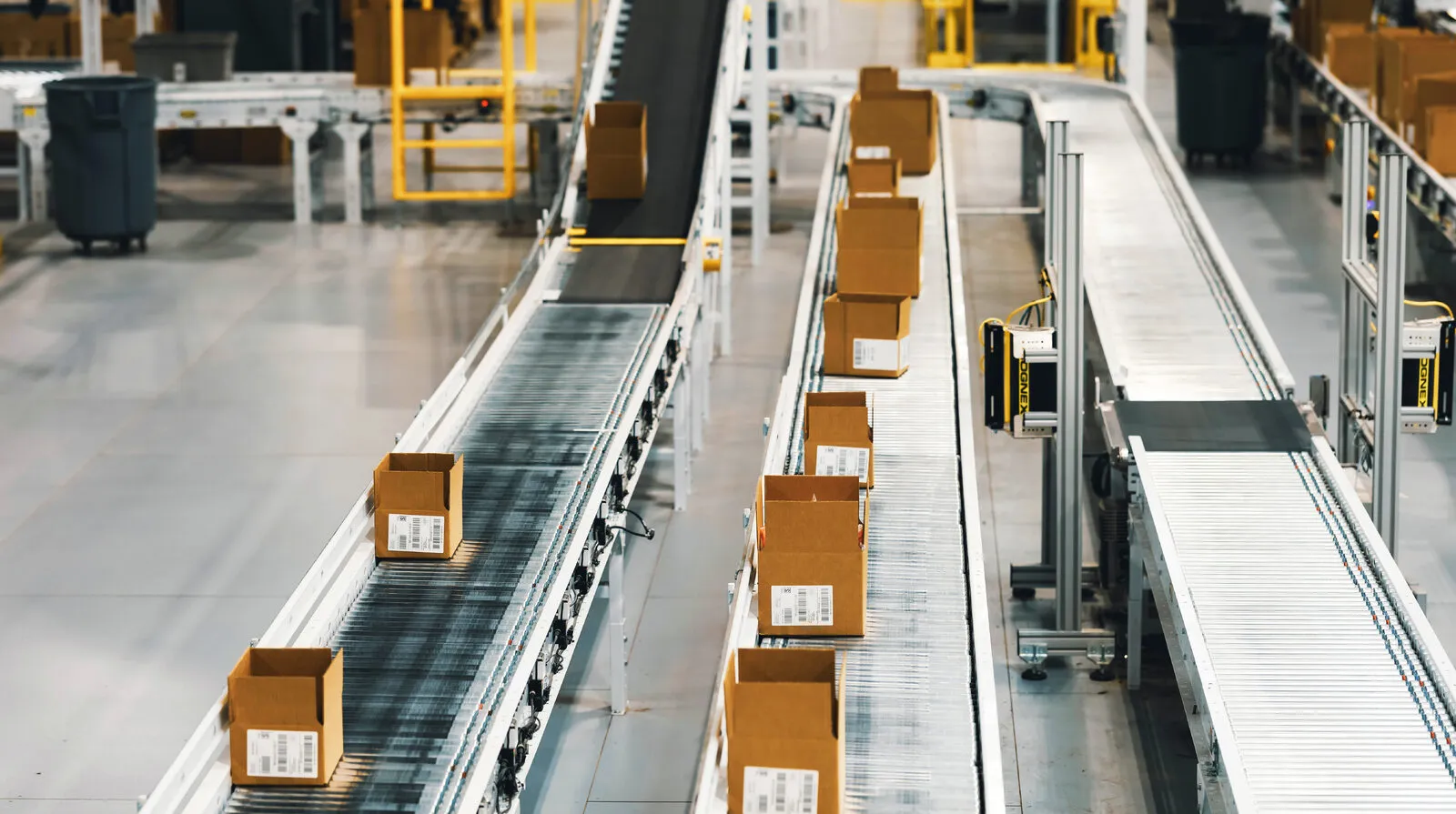
Automation plays an important role, particularly for companies processing hundreds or thousands of parcels every day. According to Brabers, the solution becomes financially attractive at around 500 to 1,000 boxes a day, but labour savings, scalability and delivery capacity are also important arguments. “Large numbers of parcels can be processed with few people, even just before the daily cut-off.”
Wide range
The technology is also suitable for a wide range of applications. “The range of machines extends from solutions for relatively low volumes and non-standard products to systems that produce hundreds or more than a thousand boxes per hour,” Brabers explains. “Even a letterbox-sized format is possible. This not only has the potential to reduce shipping costs, but also increases the chance that a parcel can be delivered straight away.”
Communication tool
There is also a new dimension: the box as a communication tool. “With on-box printing, each package can be customised with, for example, a name, logo or message. A necessary part of logistics thus suddenly becomes part of the customer experience,” says Brabers.
PPWR regulations
Making a box to measure is more relevant than ever. “Packaging is under close scrutiny today,” says Brabers. “Among other things, the European PPWR regulations focus on sustainability, recycled materials and reducing excess packaging volume. From 2030, the regulations will limit the amount of excess air shipped to no more than 50 per cent. So there is every reason to start preparing for this now.”
Brabers concludes: “Why adapt a standard box to your product when you can start with the product instead? Packaging then becomes not a necessary evil, but an automated part of a more efficient, sustainable and smarter logistics process.”
Have a business enquiry for Packsize? Get in touch
Companies in this story
Keep following this
Get an email when a new story is published. No account needed.
- ThemeSmarter use of packaging
- SubjectLogistica Next
- CompanyPacksize