Space-saving packaging designed for the new European PPWR packaging legislation
Text Carolien Klees Beeld Gamma-Wopla/Smart-Flow
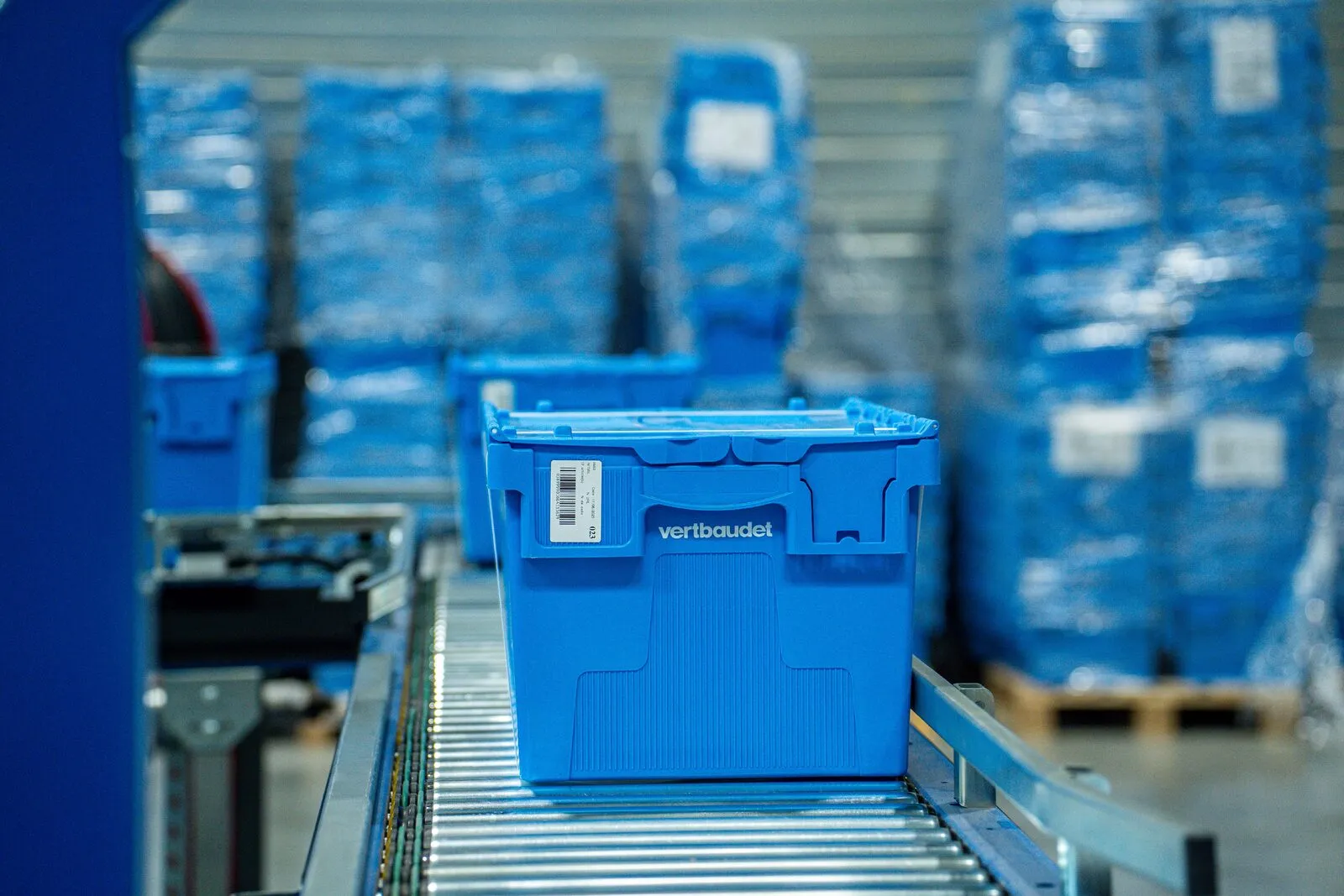
Packaging that is efficiently filled on the outbound journey but transports mostly air on the return journey is missing the point. Gamma-Wopla/Smart-Flow (GW-SF) has the solution. The family-owned business in Mouscron develops reusable plastic boxes, pallets and containers around one central idea: how can every step in the logistics chain be made as efficient as possible? This question runs through product development, from use and storage to transport and return flows. Space efficiency and lower costs go hand in hand with sustainability. This combination has been the foundation of the company’s approach for years, and is becoming even more relevant now that the European PPWR aims to reduce packaging waste and promote reuse and circularity.
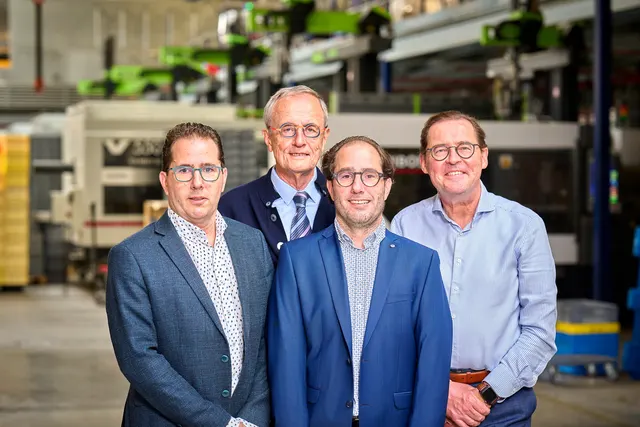
The potential gains from space efficiency depend largely on the volume of a company’s empty return flows. Eddy van Sas, sales manager for the Netherlands, and Jan Verhaeghe, sales manager for Belgium, therefore see an important role for packaging that can be returned in a compact form after use. One practical example is GW-SF’s space-saving, reusable Smart Sleeve Pack.
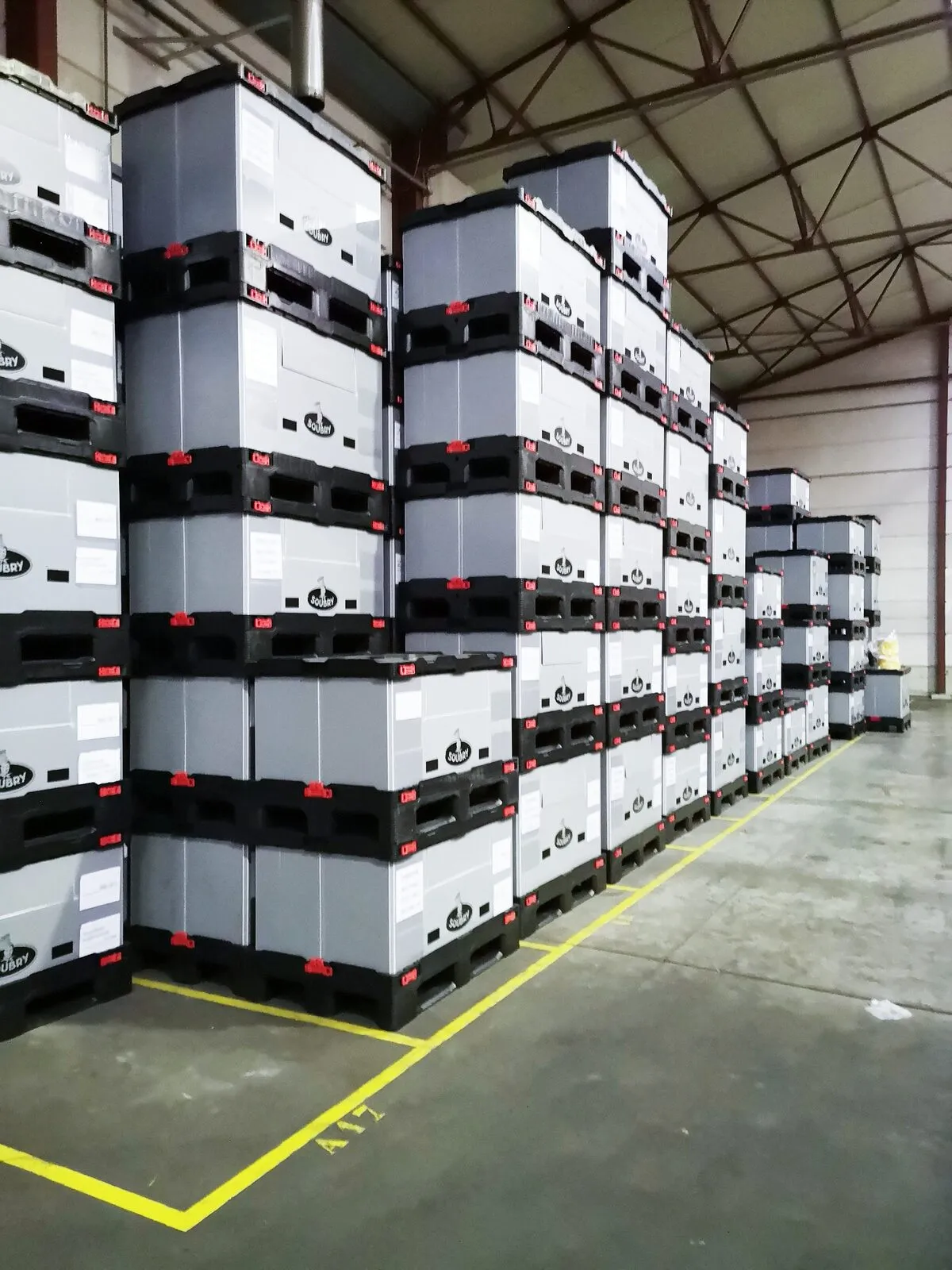
This modular system consists of a pallet, a collapsible sleeve and a lid. “Ten pallet spaces on the outbound journey take up just one pallet space on the return journey. That saves a huge amount of space,” says Van Sas.
Efficiency knows no borders
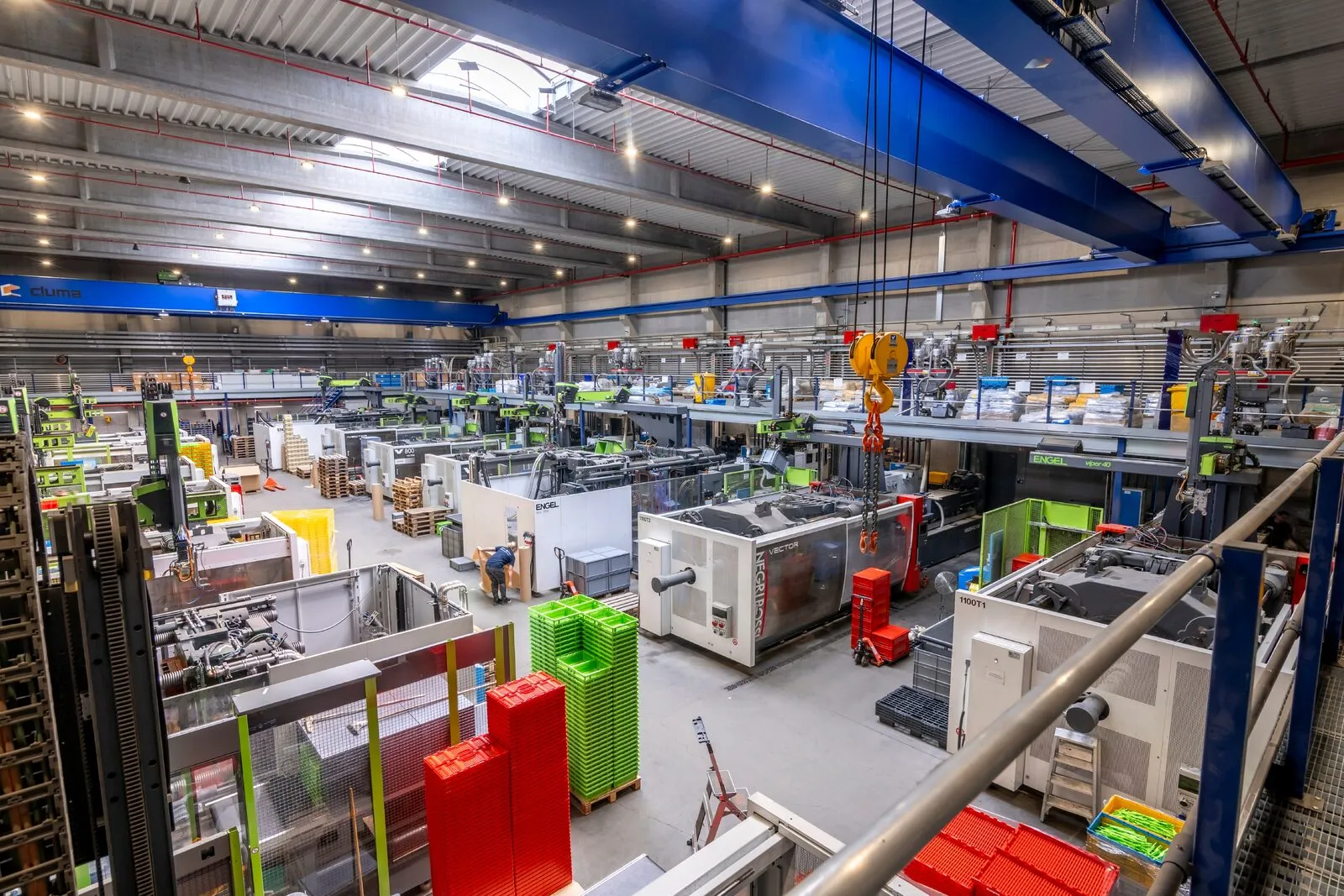
GW-SF’s focus on more efficient logistics chains extends beyond Belgium. Companies with sites in different countries prefer to organise their packaging flows in the same way everywhere. Those looking to comply with the PPWR also want to apply this approach in every region. A European network of in-house sales staff and dealers makes this possible. “We have a European outlook and see this as a major benefit for our customers,” says Verhaeghe. “Even so, our decision-making involves few steps. We are still a family business, which means we can act quickly.” Van Sas adds: “That keeps the path from a customer’s request to a tailored solution short.”
Smart, efficient product design
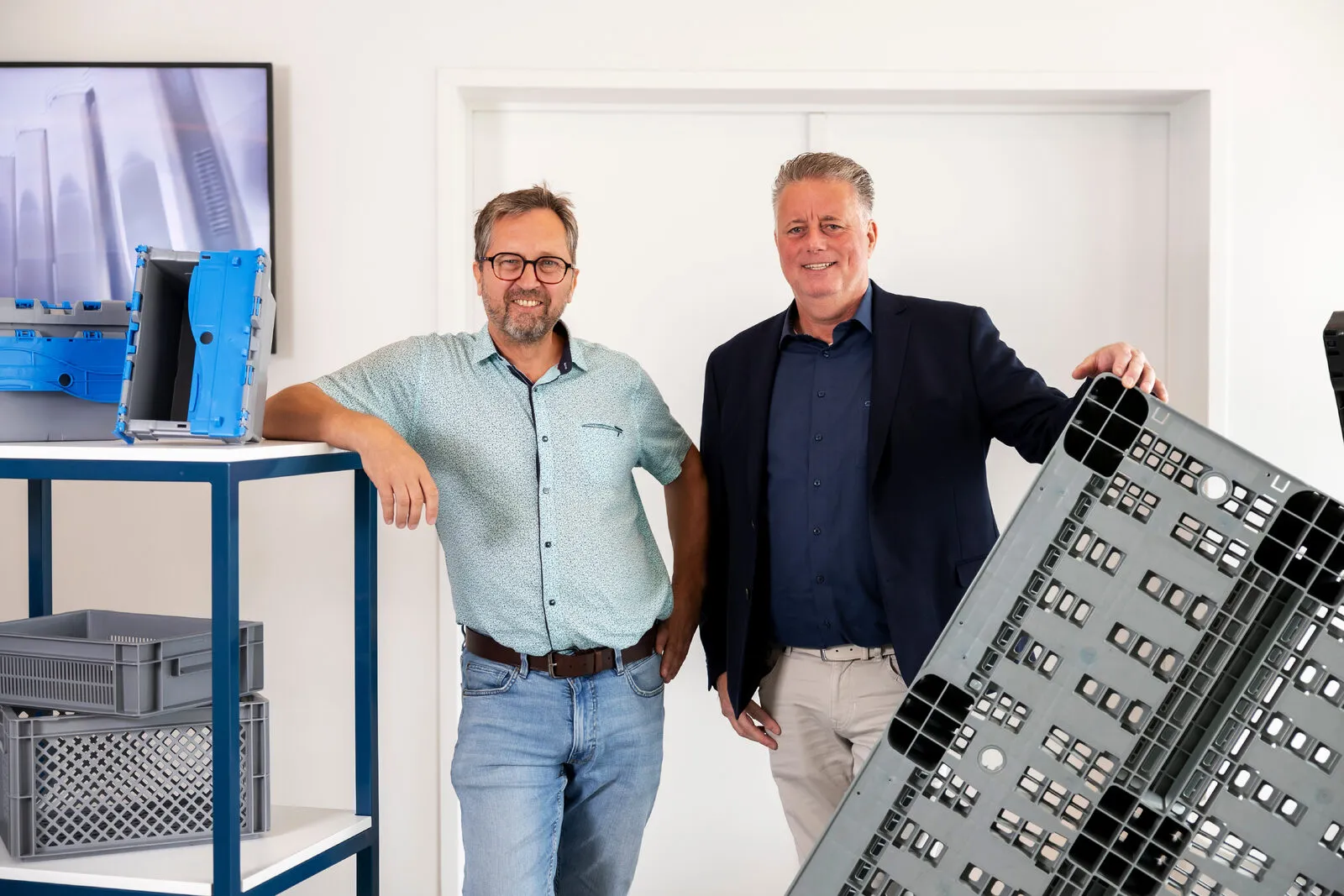
The customer’s application and logistics context determine which product configuration is most efficient. Some boxes, for example, can be stacked during use and nested when returned empty. Ease of use is also taken into account in the design: “Because the right-hand side of our boxes is a different colour from the left-hand side, it is immediately clear which way to stack or nest them,” explains Verhaeghe.
Part of a broader sustainability mission
According to Verhaeghe, saving space and sustainability go hand in hand: “If space-saving products allow you to transport more goods per load, you need fewer journeys. That reduces not only logistics costs, but also fuel consumption and emissions.” He says the recent PPWR also gives this approach added weight: “What Europe is increasingly calling for today in terms of reuse and circularity partly reflects the principles we have followed in product development since our foundation.”
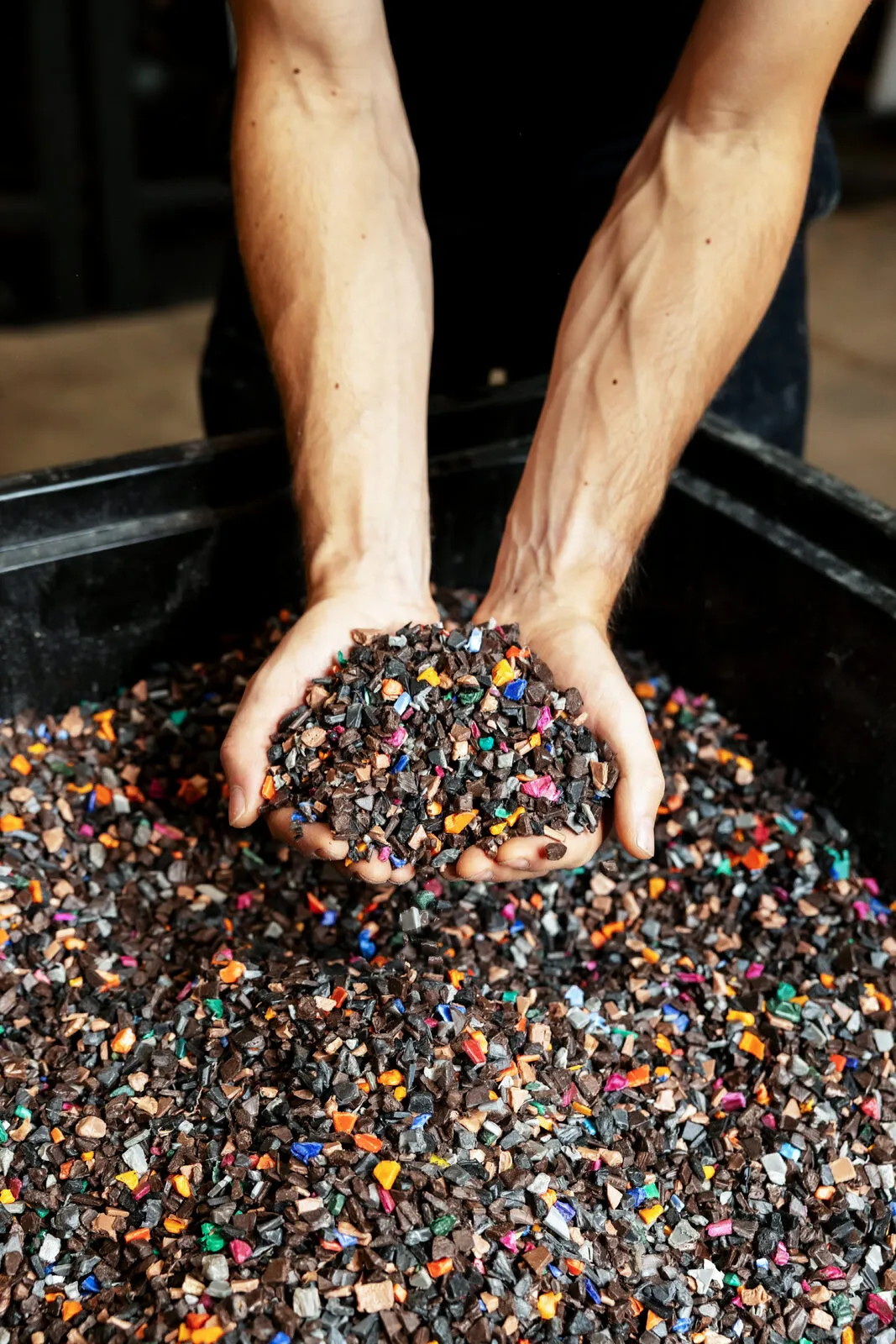
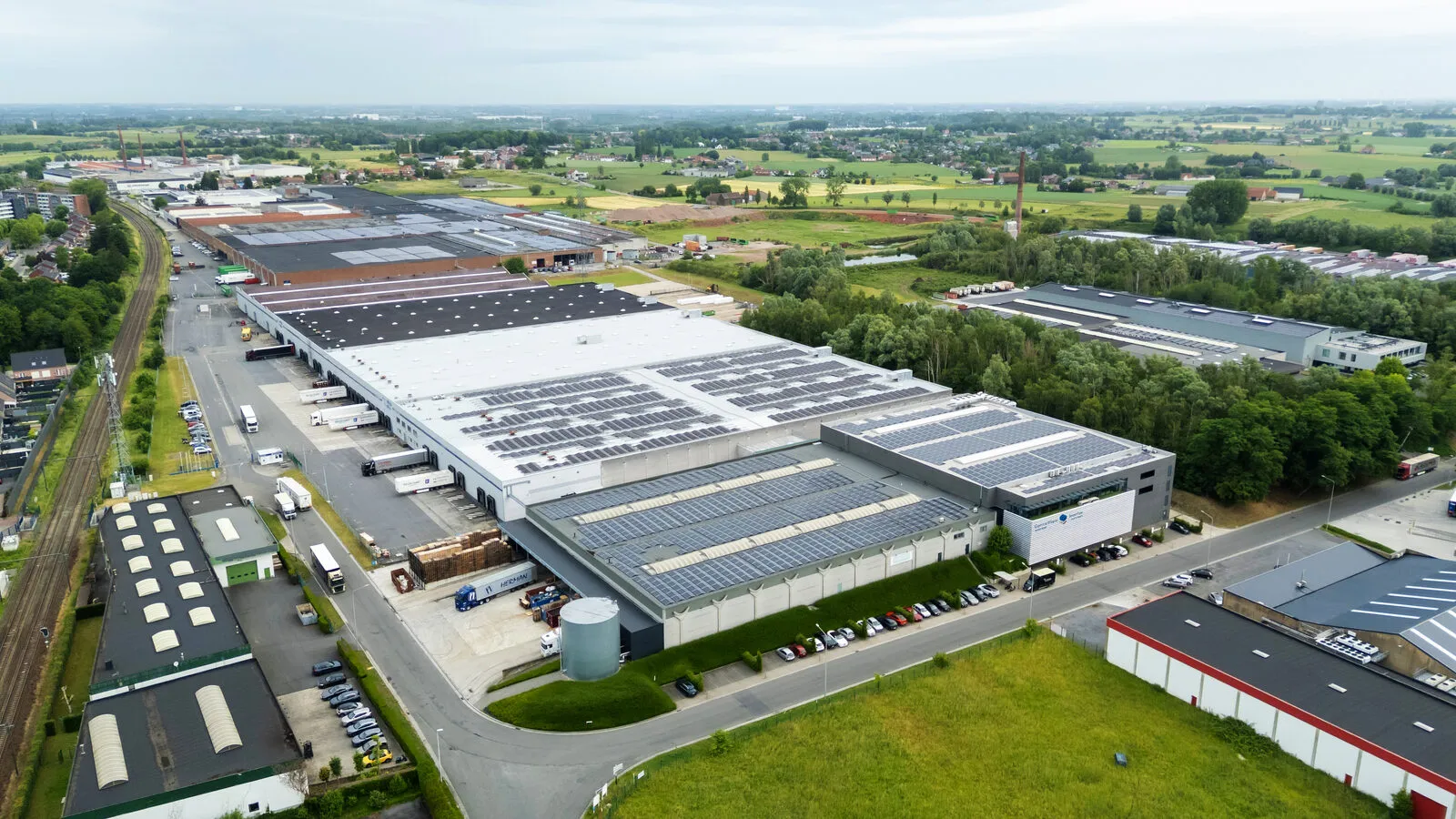
The link between sustainability and space efficiency also fits perfectly with GW-SF’s business operations, from investing in solar panels and more energy-efficient production technology to using as much recycled material as possible. “We also consider the entire life cycle of our products. They are designed for long-term reuse and can be recycled again at the end of their service life,” adds Van Sas.
Question about this story? Ask your question
Keep following this
Get an email when a new story is published. No account needed.
- ThemeSmarter use of packaging
- SubjectPackaging