Refurbished devices: cost savings and sustainable operations
Text Carolien Klees Image Reverse-IT
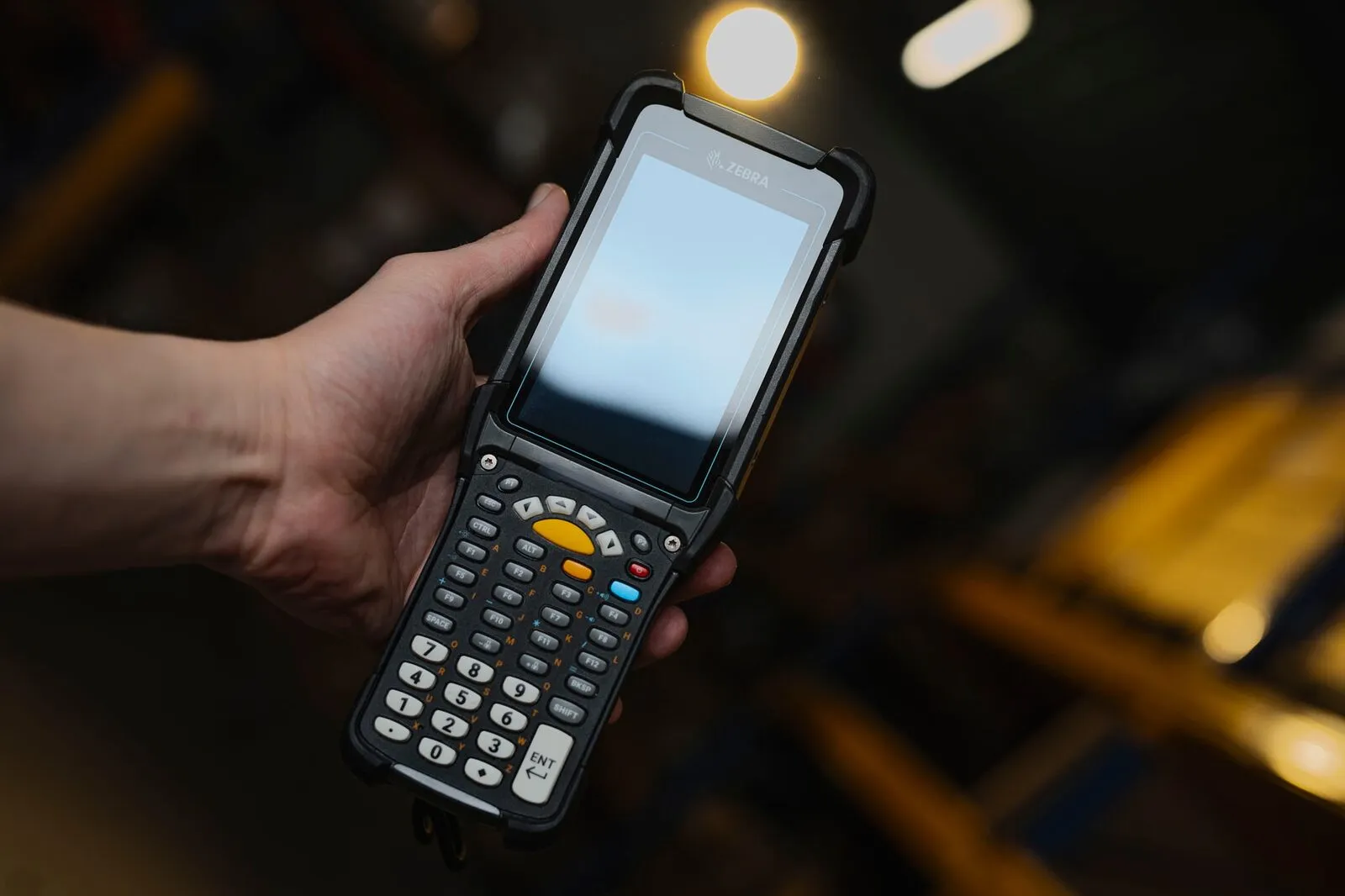
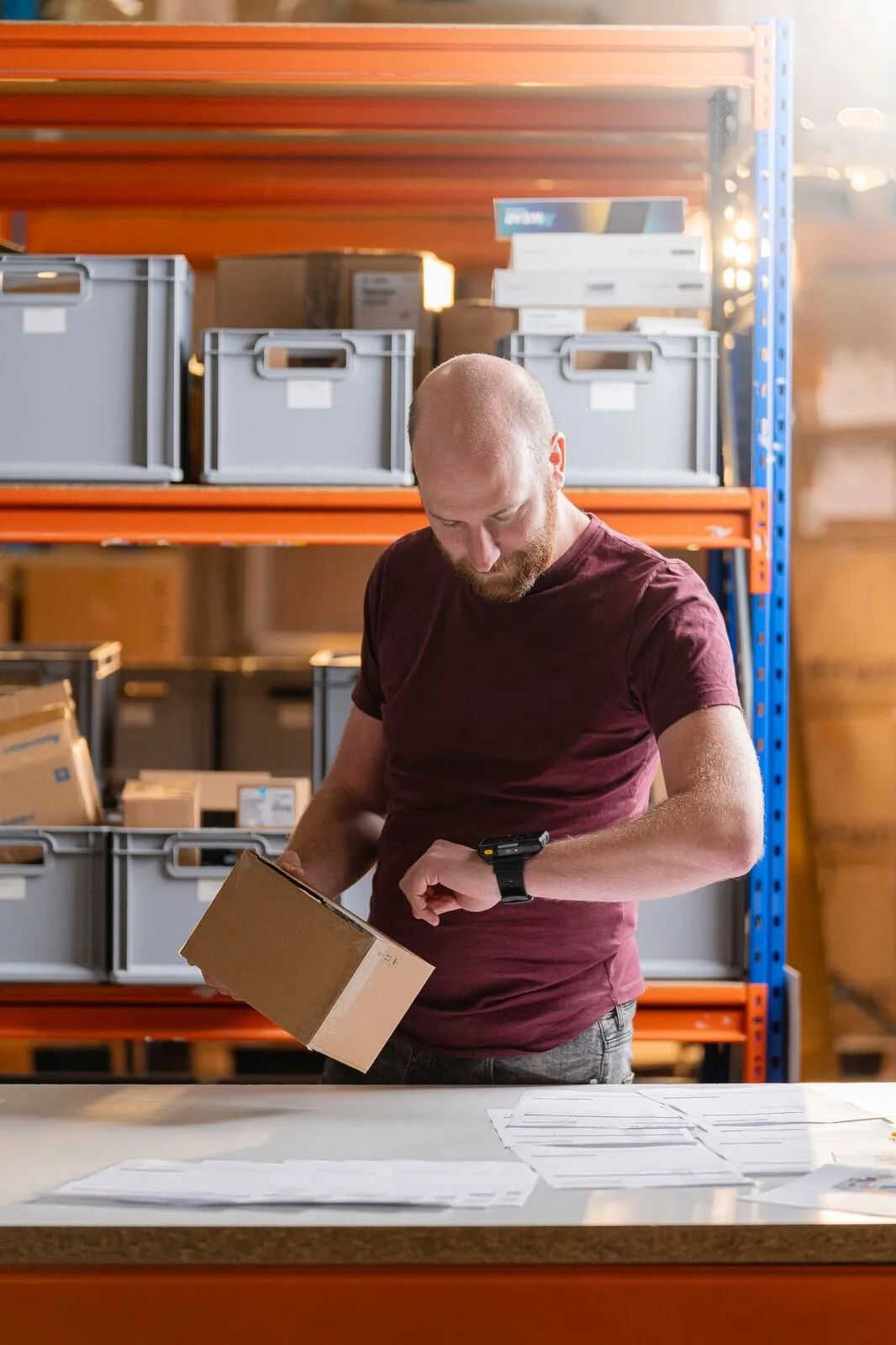
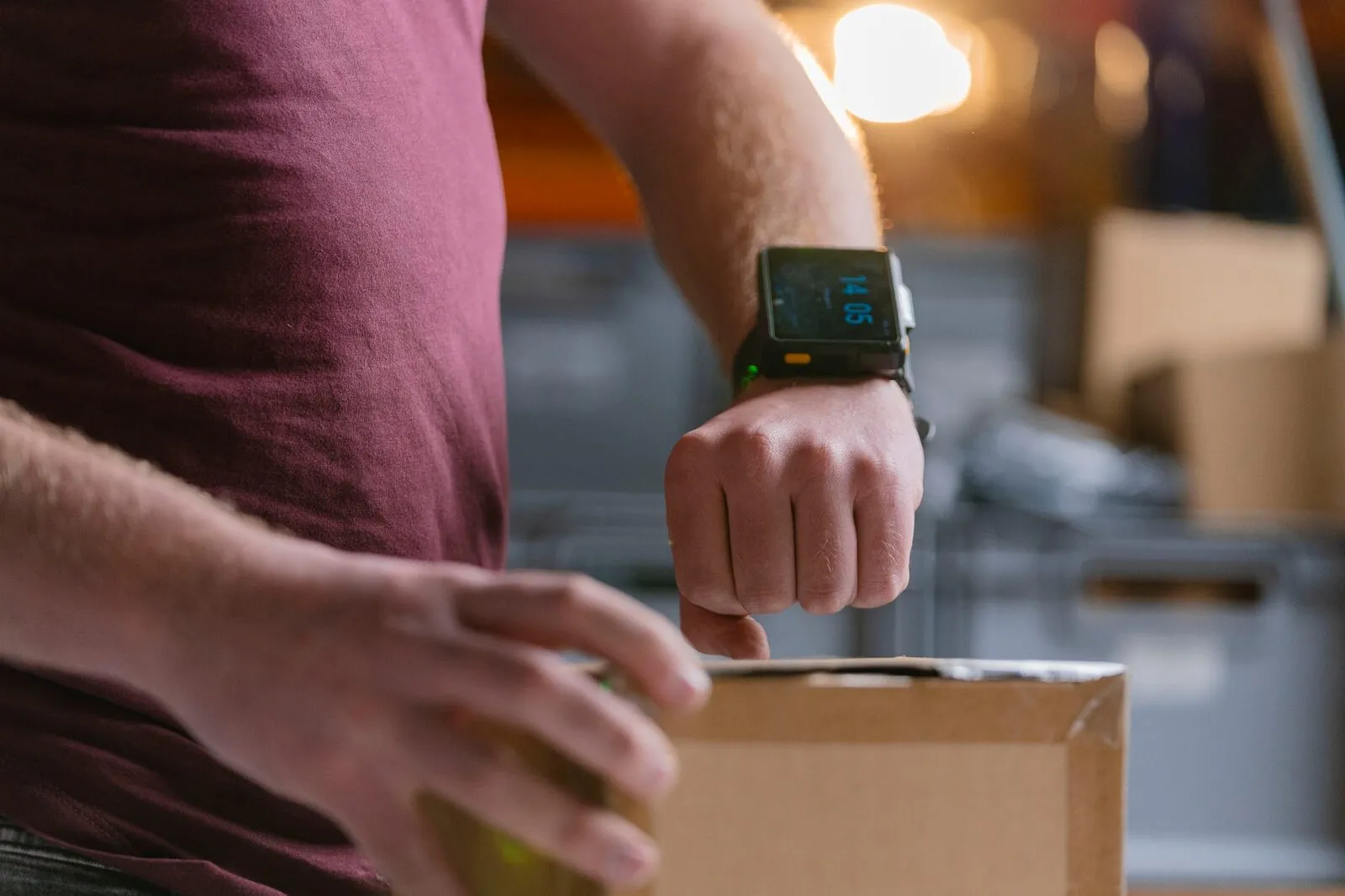
What do you do when a faulty scanner needs replacing immediately, but the familiar model is no longer available anywhere? For many logistics companies, this is not a theoretical problem. Chip shortages, rising prices and the phasing out of older models are making the switch to new hardware increasingly costly. Refurbished handheld terminals, barcode scanners and rugged tablets offer an alternative: keep working with equipment employees already know and that is compatible with the software and infrastructure in use. Wouter Turpijn, customer solutions architect at Reverse IT, explains how this choice supports continuity and what needs to be considered.
Mobile devices in warehouses typically last for years. However, manufacturers eventually stop producing and supporting a model. Companies looking to expand their device fleet or replace a faulty unit are then often advised to switch entirely to the latest model.
Reverse IT buys back used business hardware from organisations that are upgrading. The devices are refurbished and made available to companies that want to extend the life of their existing fleet. "The software runs on them, all the accessories are available and employees are familiar with them. They are often very happy with that. There is no need for new chargers, infrastructure changes or extensive testing with business applications", explains Turpijn. "Reusing equipment also reduces electronic waste and contributes to circular, more sustainable operations."
Thorough checks
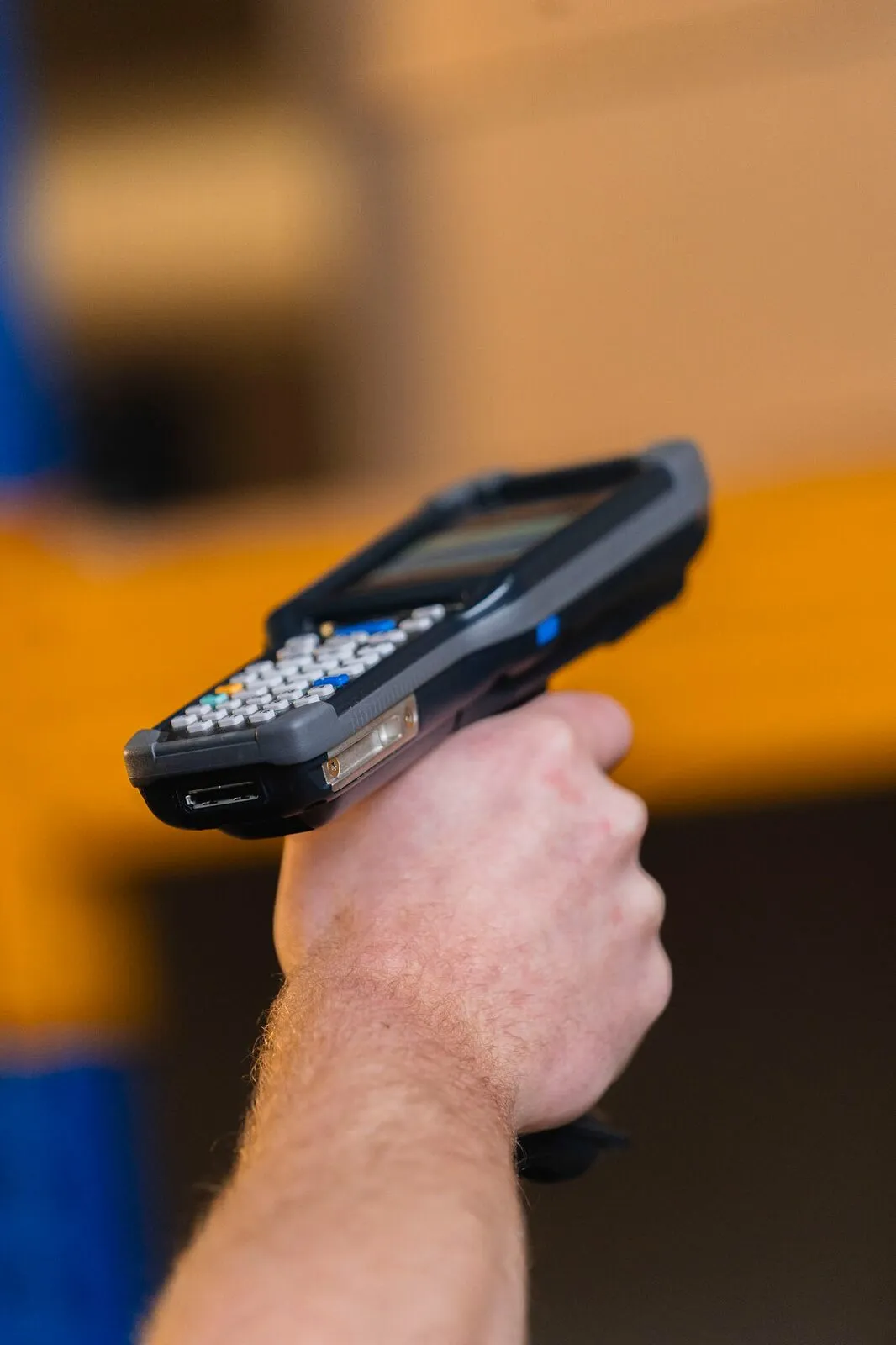
Refurbished is not the same as second-hand. As part of Reverse IT's Certified Selection, every device is cleaned, technically inspected and functionally tested. Faulty components are replaced where necessary, old data is erased and the device is fitted with a stable software installation.
The battery also deserves attention. Reverse IT has software that can read battery condition and estimated remaining lifespan. "This allows us to determine how many new batteries an organisation actually needs", says Turpijn. Replacement batteries for older models are also available.
Every Certified Selection device comes with a standard 180-day warranty, which can be extended to a maximum of three years. Technical support, repairs, Mobile Device Management and lifecycle management can extend its service life even further.
Hidden savings
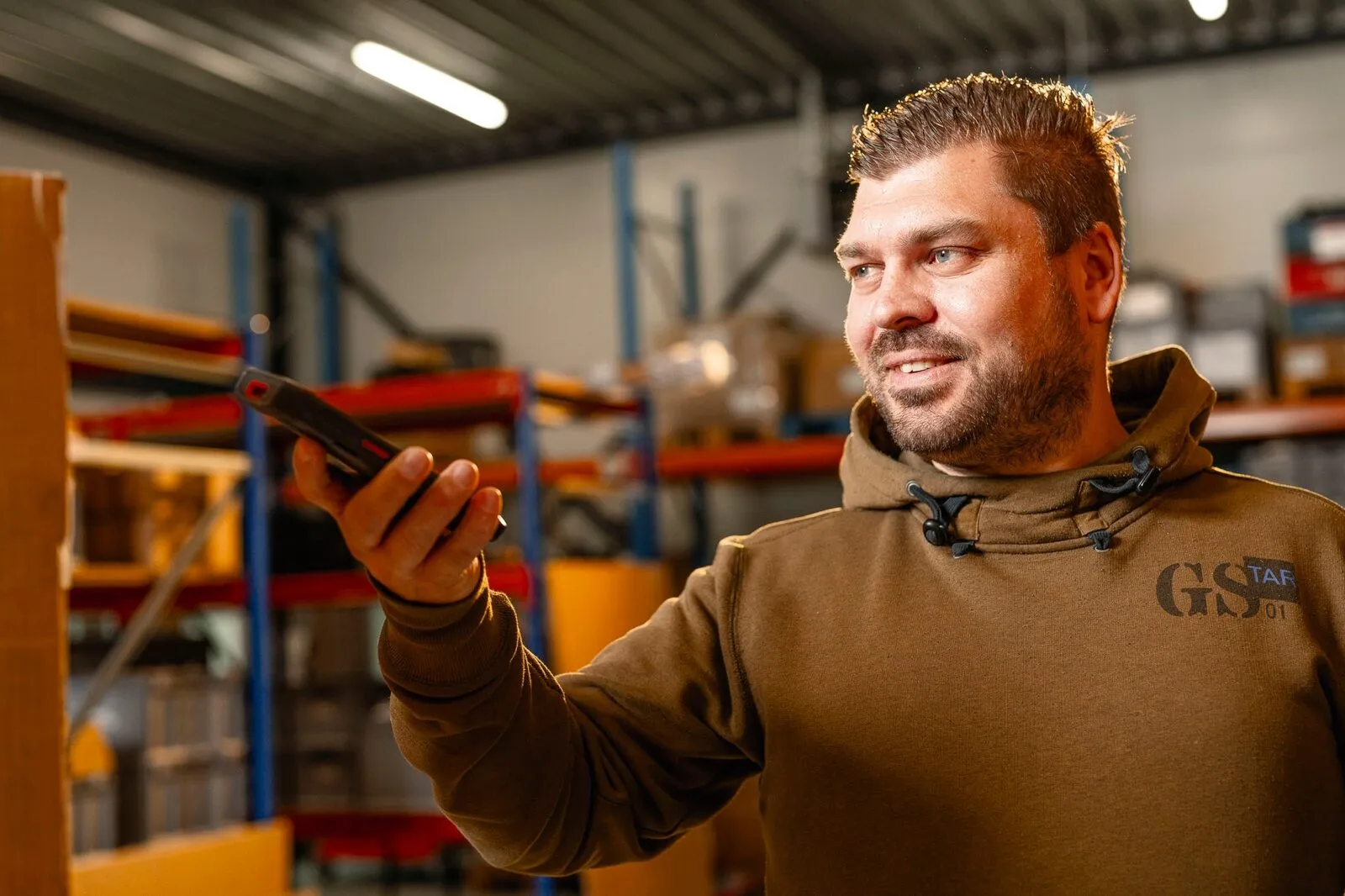
According to Reverse IT, refurbished hardware can cost up to 60 per cent less than new equipment. The actual savings go further. A company can continue using its existing chargers and accessories, while software images and applications do not need to be adapted and tested again. In addition, the device fleet can be renewed gradually, rather than requiring all the investment at once.
The calculation therefore comes down to the total cost of ownership. A cheap device that breaks down more often, has limited support or requires modifications can end up costing more overall. According to Turpijn, this is particularly true of some B-brands. He points to potential limitations relating to certification, compatibility, parts and software support. "In this industry, you really do get what you pay for", he says.
A safe baseline
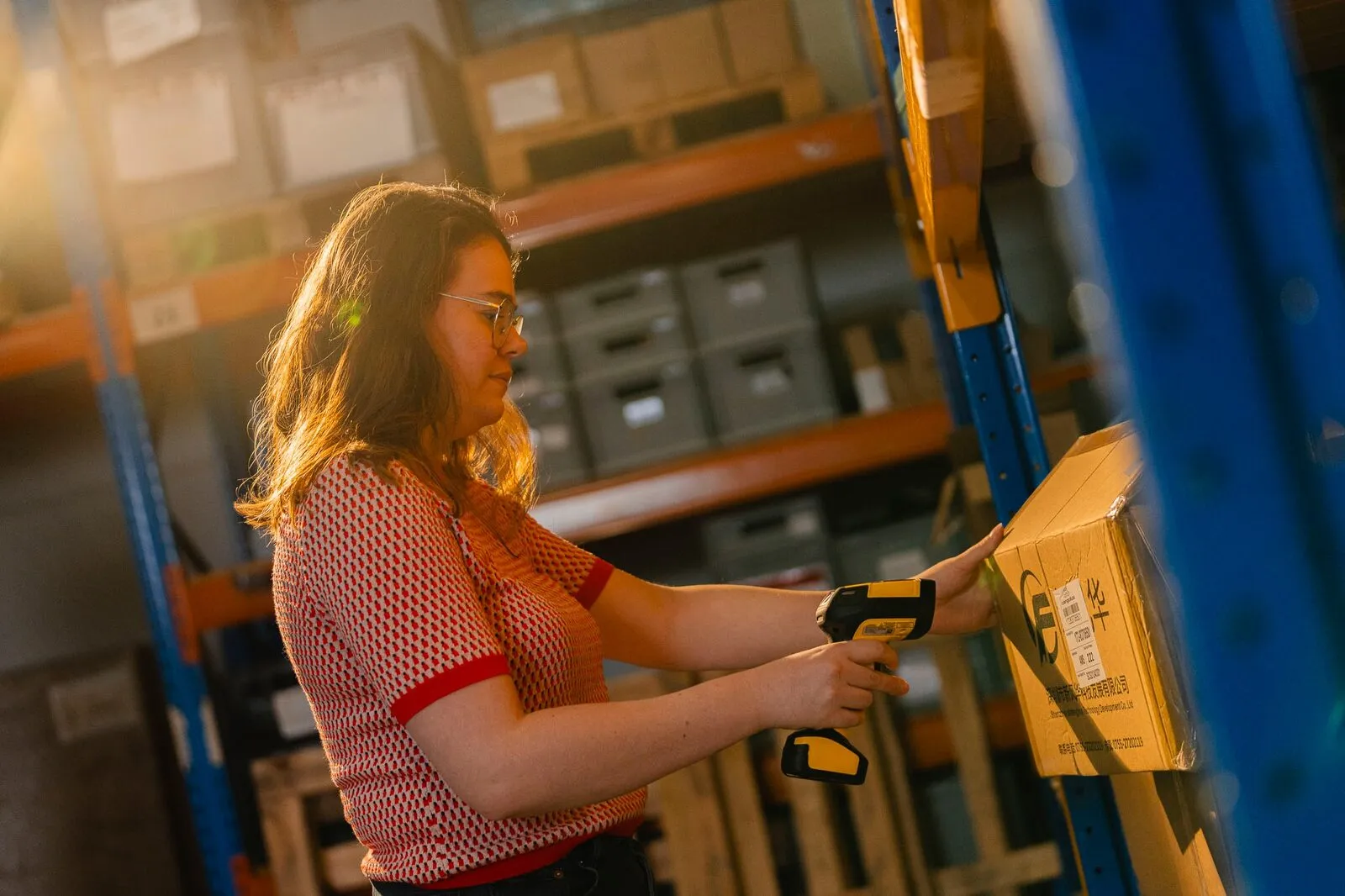
There is a limit to how long refurbished equipment can remain in service. Older Android versions eventually stop receiving security updates. Organisations with strict information security requirements should therefore establish in advance how long a model will continue to be supported. "It depends on how far back you go and what you are using now", Turpijn stresses. In some cases, a previous-generation model is sufficient; in others, new hardware is the wisest choice.
Reverse IT was recently acquired by TRG Solutions.
Have a business enquiry for Reverse IT? Get in touch
Companies in this story
Keep following this
Get an email when a new story is published. No account needed.
- SubjectAutomation
- CompanyReverse IT