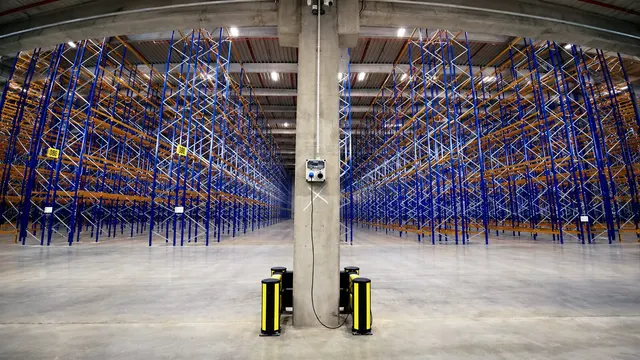
‘The logistics revolution starts at floor level’
Text Roel van Gils Image BECOSAN Flooring
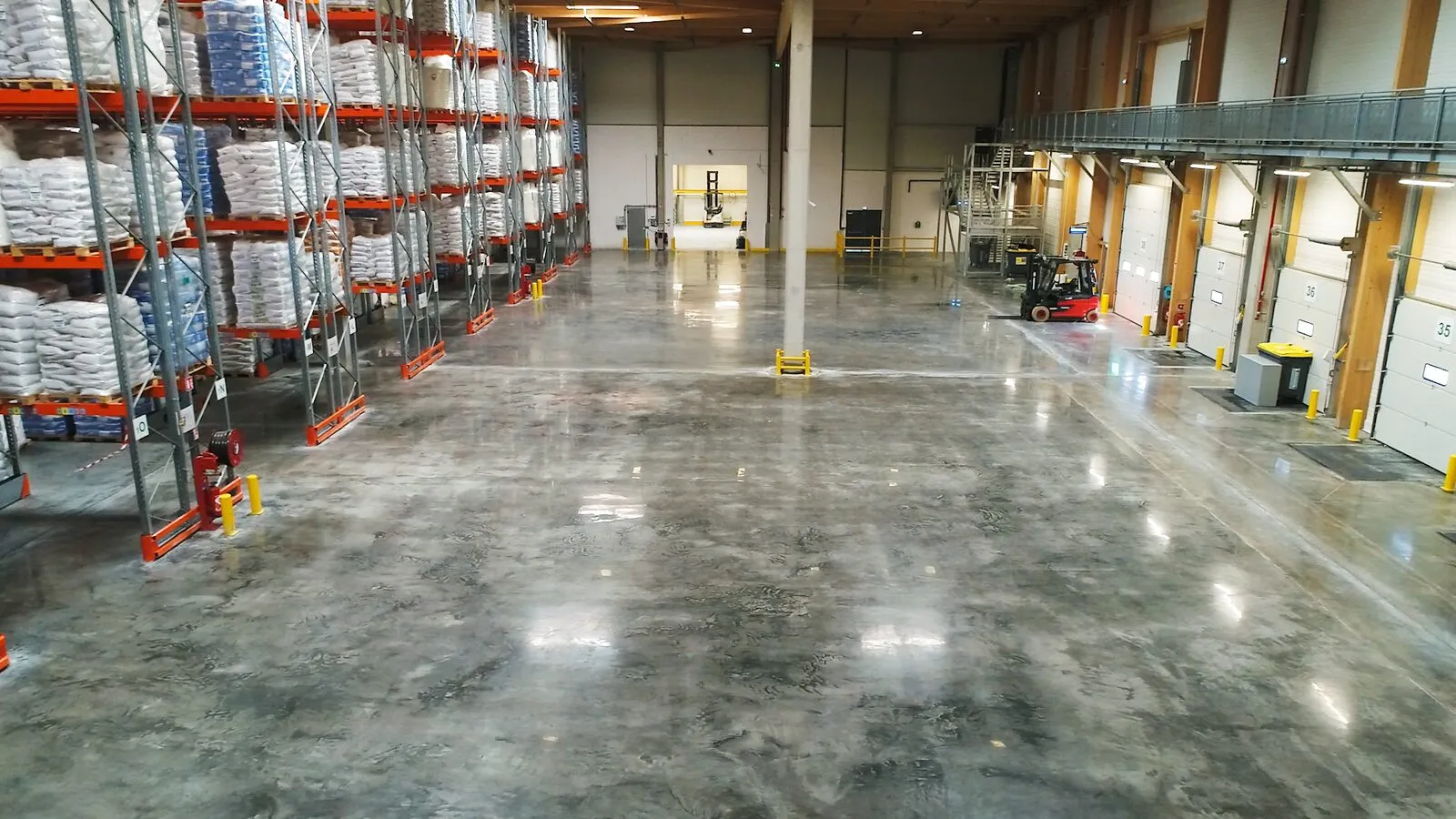
A warehouse can be as advanced as you like, but without a flat concrete floor, the technology can only go so far. As robotics and automation increasingly make their way into logistics, millimetres suddenly matter a great deal. Yet in practice, the floor often gets attention only when a tenant moves out and the signs of years of intensive use become visible. That is when the specialists at BECOSAN Flooring come in.
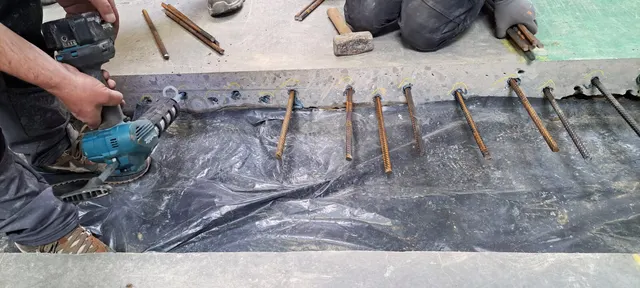
“We are indeed often called in when a tenant moves out to give the floor a major overhaul,” says Steven van Oossanen of BECOSAN Flooring, which specialises in renovating industrial concrete floors. “Floor markings have to be removed, along with thousands of anchor bolts left behind by former racking. That does not mean simply grinding the bolts off just below the surface. A bolt left behind could cause problems again when a new racking layout is installed. That is why we remove the bolts completely by hand, then fill the holes with a special mix of low-shrinkage mortar and epoxy.”
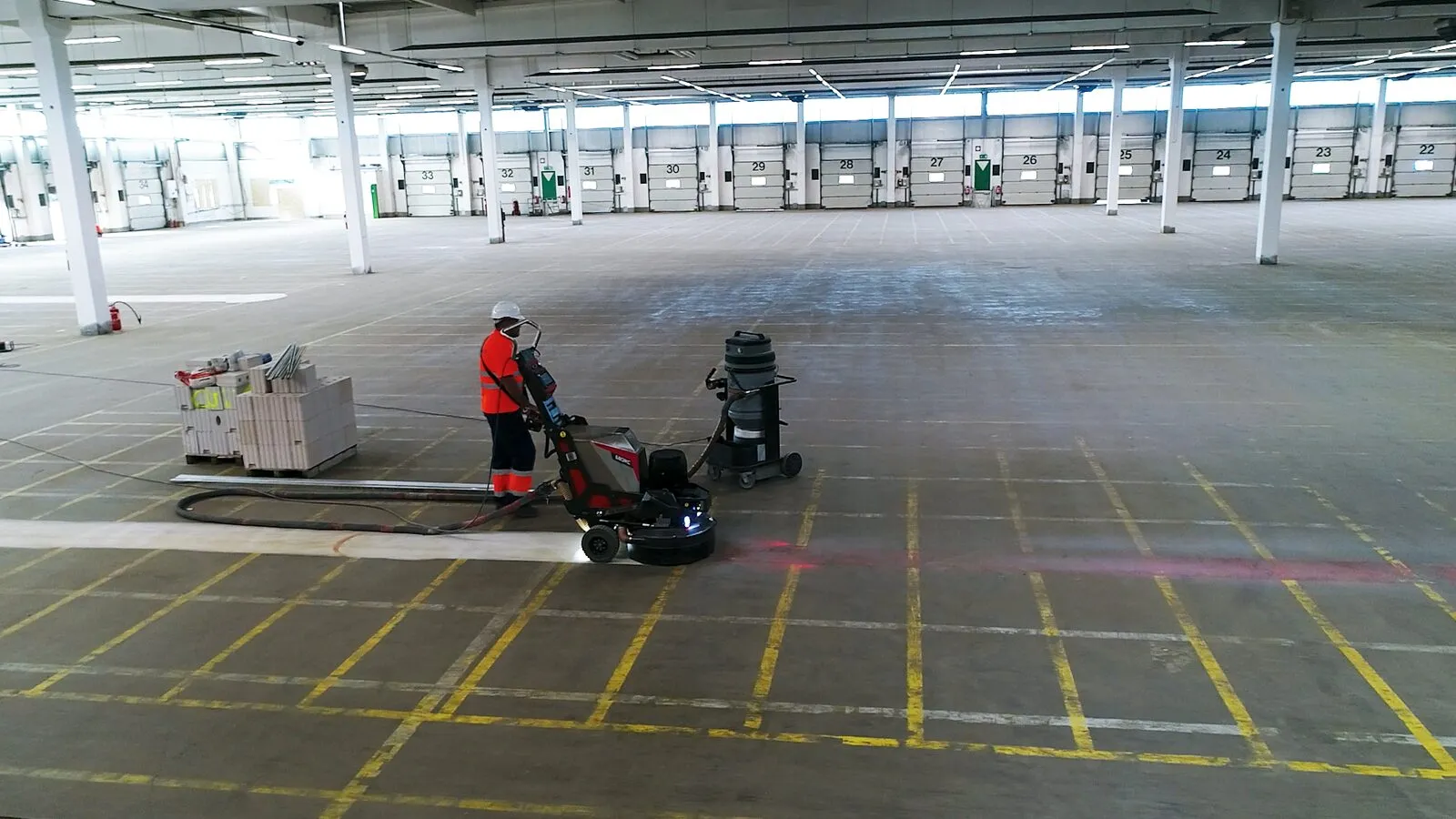
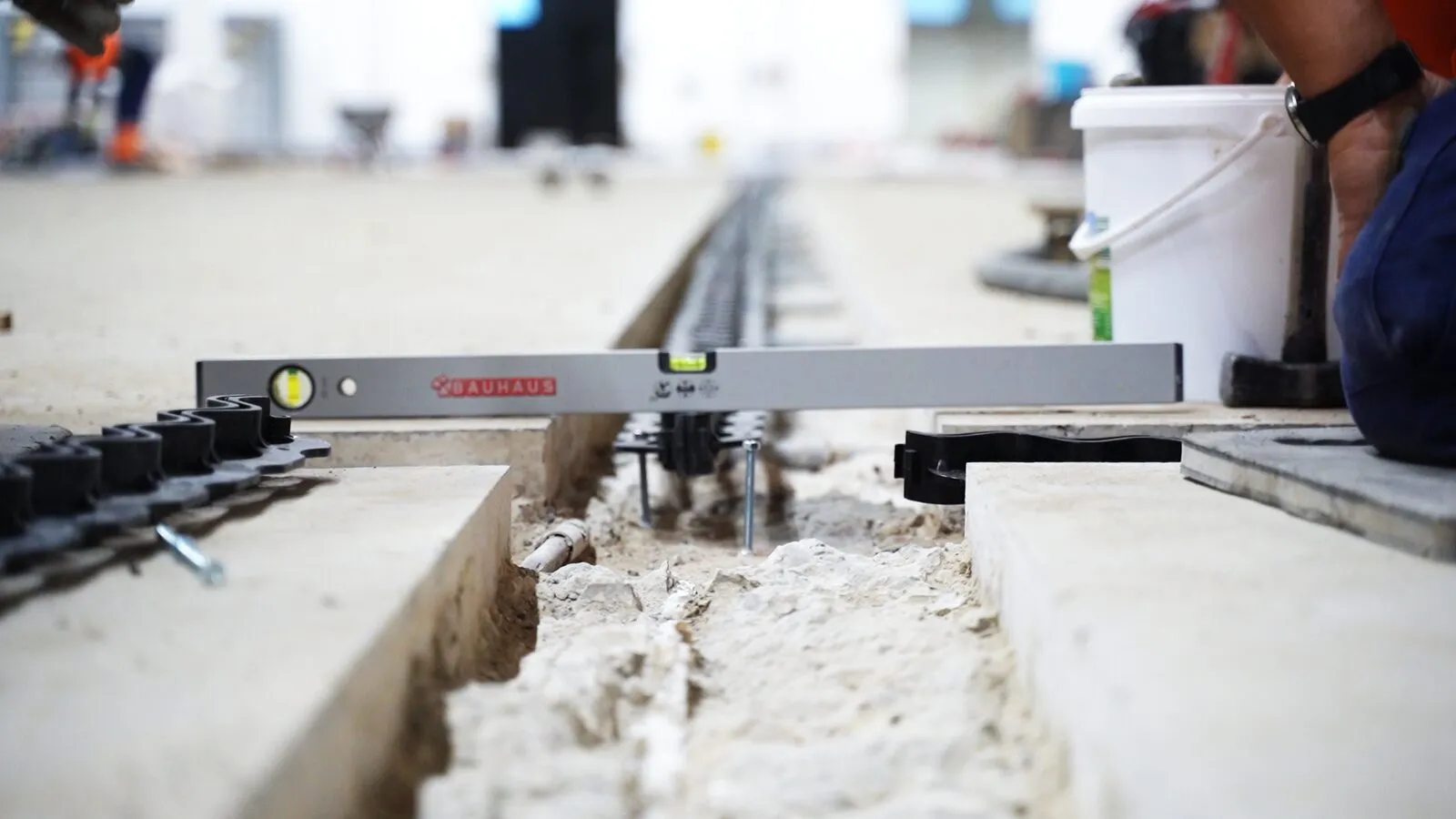
Anchor bolts and expansion joints
The scale of such an operation is clear from a project in Germany. “We were brought in to remove around 18,000 anchor bolts. By hand, yes,” Van Oossanen stresses. “With three teams working in shifts, we got the distribution centre floor ready for the next tenant in just four weeks.” Expansion joints can also cause problems after years of use. “A difference in level may seem harmless, until forklift trucks or autonomous vehicles cross it hundreds of times a day. This leads to wear on wheels and components. With robotics, an uneven surface can even affect how the system operates. That is why we remove a standard expansion joint completely and rebuild it, then level it together with the rest of the floor. It is better than the original and lasts ten to twenty years, depending on the level of use.”
New grinding machines
According to Van Oossanen, the rise of robotics makes floor quality even more important. “A small deviation at floor level can become many times greater at the top of a high-reach truck. That precision is essential, particularly in automated warehouses.” New grinding machines make it possible to correct existing floors precisely to high planarity standards. “You load the flatness report into the machine, which then grinds the floor autonomously. We can also run our grinding machine only through the aisles between the racking, so there is no need to clear the entire warehouse.”
After grinding, Van Oossanen recommends treating the floor with a lithium-based BECOSAN treatment. “It reacts with the free lime in the concrete and hardens the surface. The treatment can be applied to both new and existing floors, and also creates a dust-free surface.”
His most important piece of advice? “Don’t wait until the floor becomes a problem,” says Van Oossanen. “If you invest in automation and robotics, you also need to get the basics right. Periodic inspections and timely repairs can prevent minor floor damage from developing into costly problems.” The logistics revolution may be driven by robotics and data, but ultimately it starts at floor level.

Question about this story? Ask your question
Keep following this
Get an email when a new story is published. No account needed.
- ThemeAutomating goods flows
- SubjectWarehouse equipment & safety