Nedcargo makes electrification an operational choice
Text Armand Landman Images Nedcargo
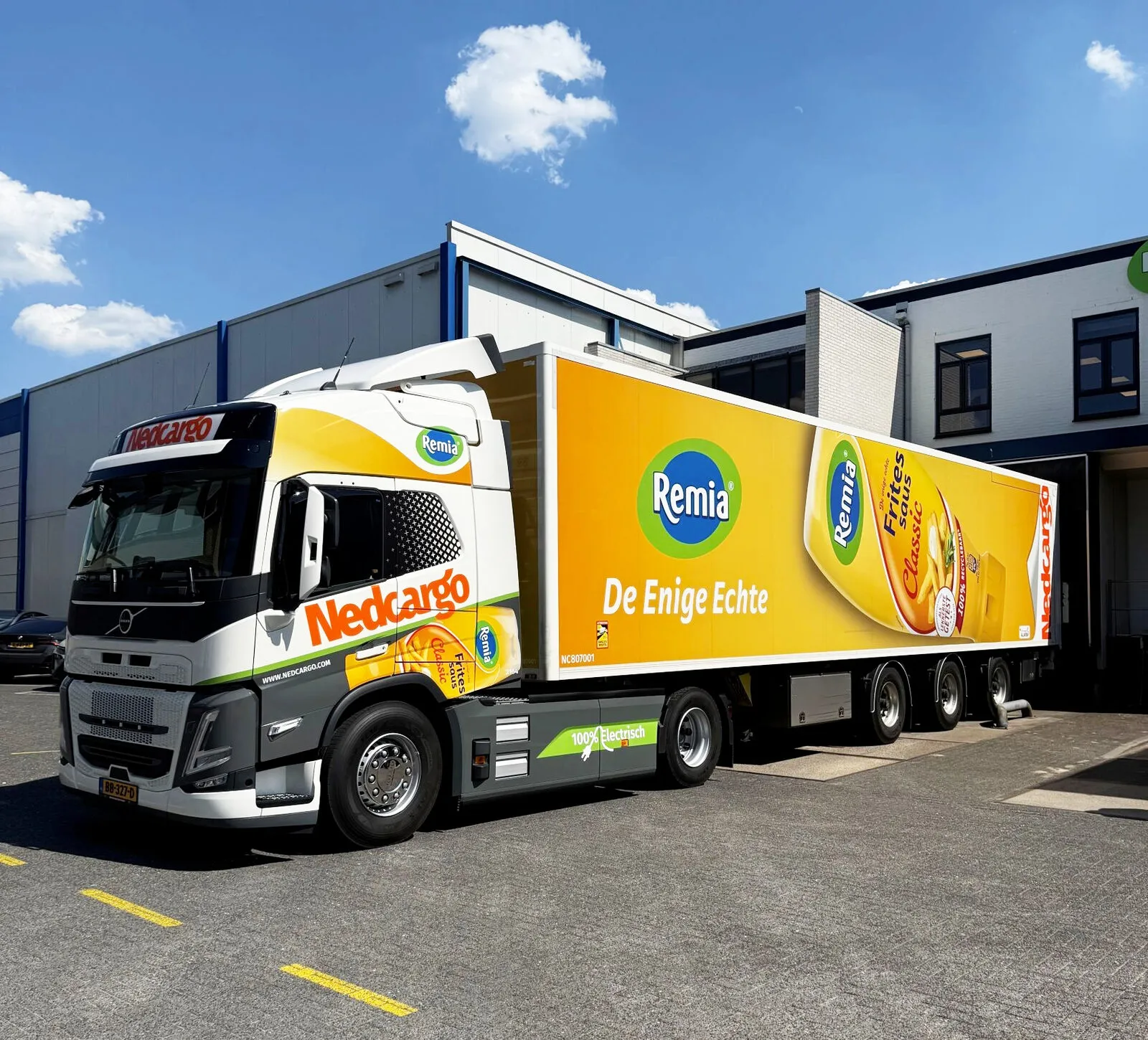
Fixed shuttle routes, own charging points and sound calculations: for Nedcargo, these are the conditions for successfully deploying electric trucks. The logistics service provider now operates two electric trucks from Volvo and has ordered two more. The Remia shuttle between Den Dolder and Soesterberg shows what is possible when customer, carrier and infrastructure are aligned.
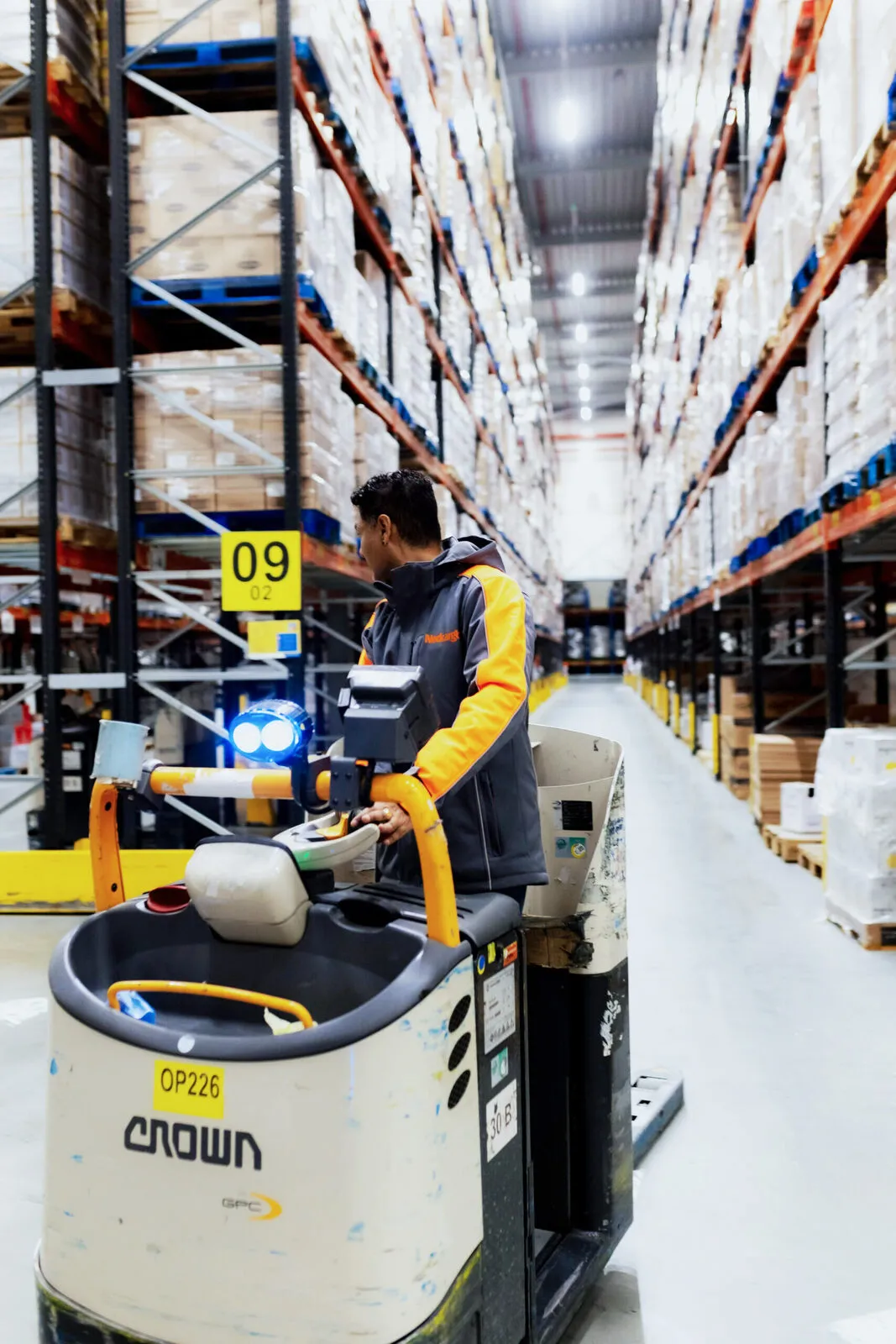
Anyone who sees Nedcargo only as a carrier is seeing only part of the business. The logistics service provider has eight locations in the Benelux and specialises in food and beverage logistics. In addition to transport, Nedcargo handles inbound goods, storage, order picking, value-added services, excise duty processing, container handling, and imports and exports. Drawing on this broad role in the supply chain, the company also arranges road transport to the final destination.
“We have a large fleet and also hire in several vehicles every day as a flexible buffer,” says Marten van der Laan, Manager Transport & Fleet Operations at Nedcargo. “Our job is to take the burden off our customers and deliver the quality they have agreed with their own customers. A to B, today or tomorrow: keeping our commitments is crucial.”
That responsibility makes making the fleet more sustainable more than a technical choice. Customers are increasingly asking for transport with lower CO₂ emissions. At the same time, the options vary from one transport flow to another. Nedcargo mainly serves industrial estates and large distribution centres, often covering longer distances. This puts the company in a different environment from carriers that handle only retail and urban distribution.
“We are further down the supply chain,” says Van der Laan. “The demand is certainly there, but sometimes it comes through later. That is why we are also developing our own vision: what steps can we take, and which type of energy suits which operation?”
No blueprint for the entire fleet
Nedcargo is not committing entirely to one solution. Alongside electric trucks, the company is looking at using HVO and LNG. It is also keeping a close eye on developments in hydrogen. “For the type of work we do, I believe a mix is the way forward for now,” says Van der Laan. “If you drive only in urban areas, the direction is much clearer. We also cover longer distances and run trips to large distribution centres. You have to look carefully at what is practical and makes economic sense.”
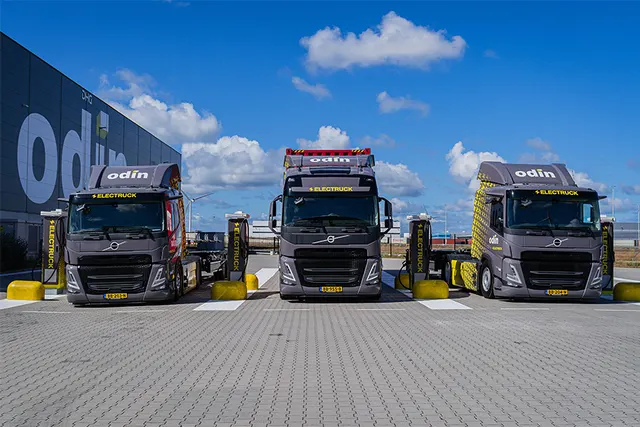
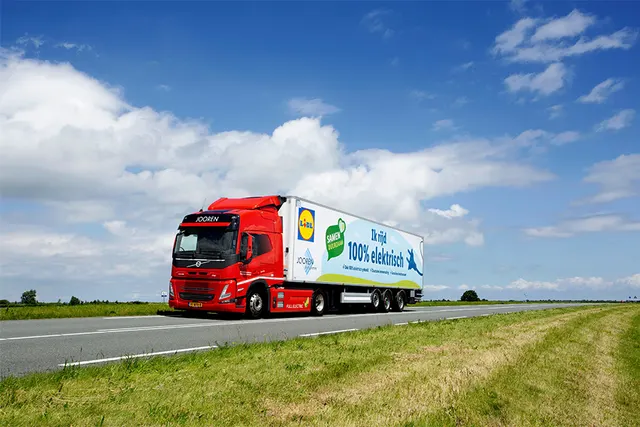
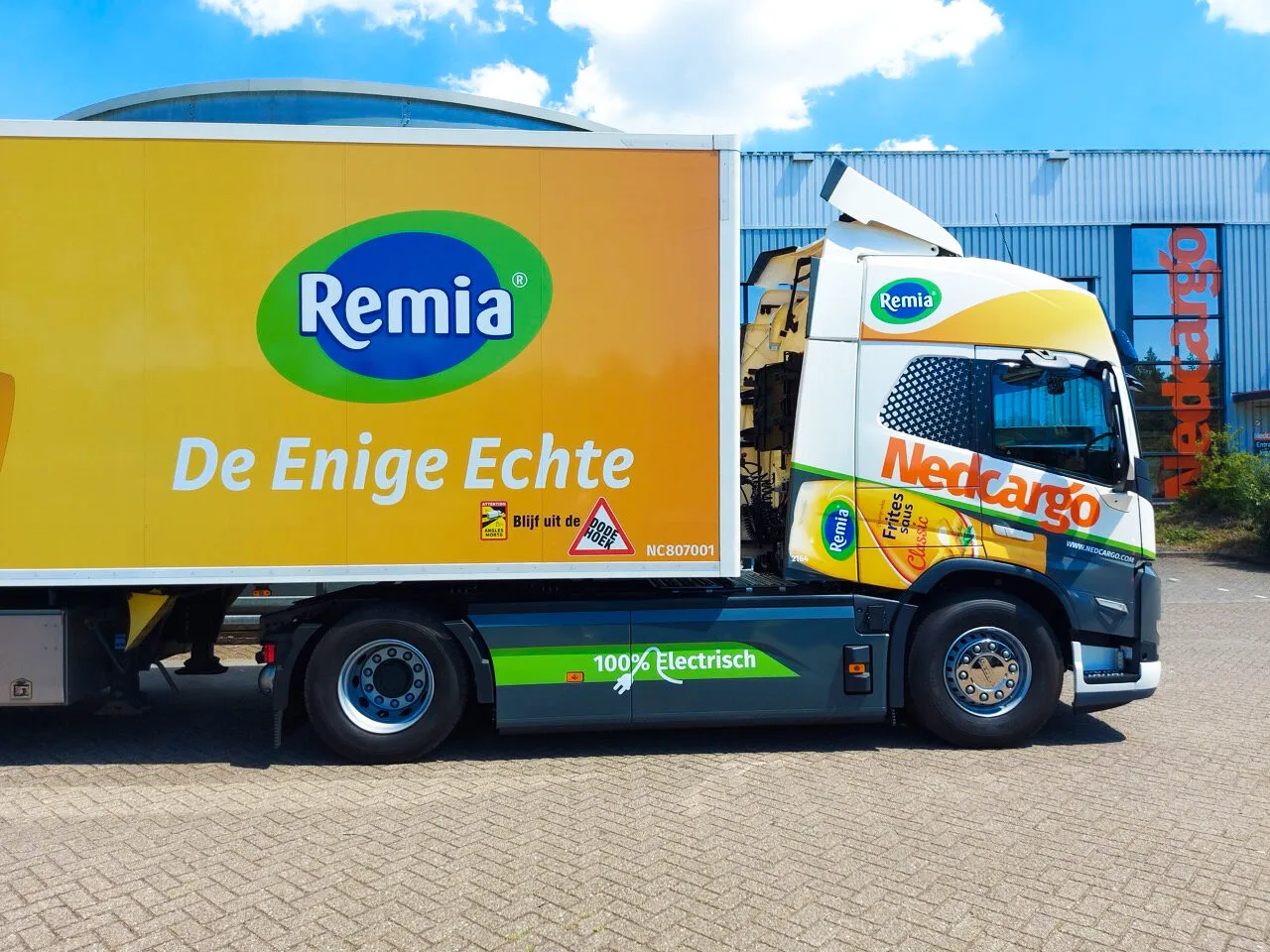
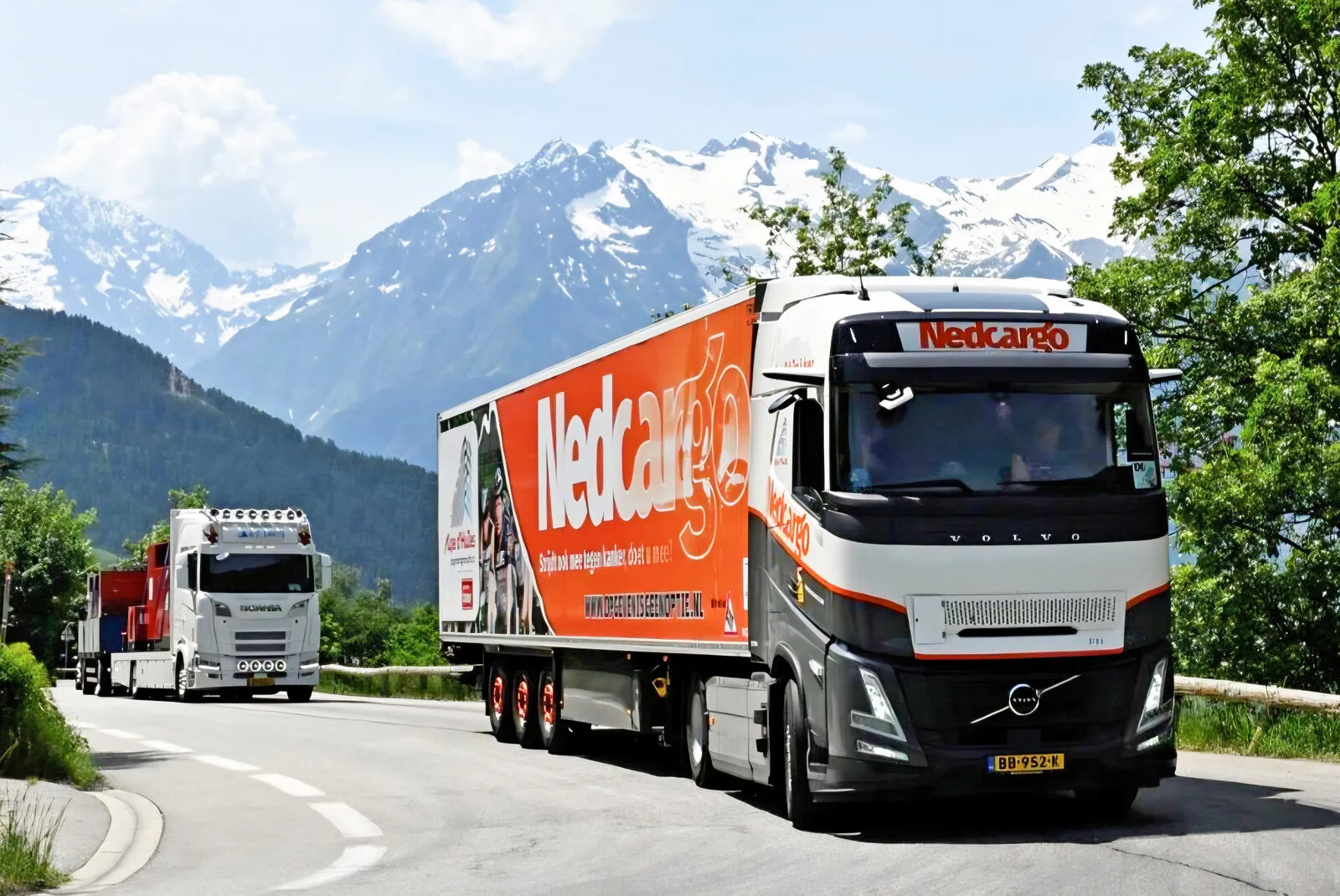
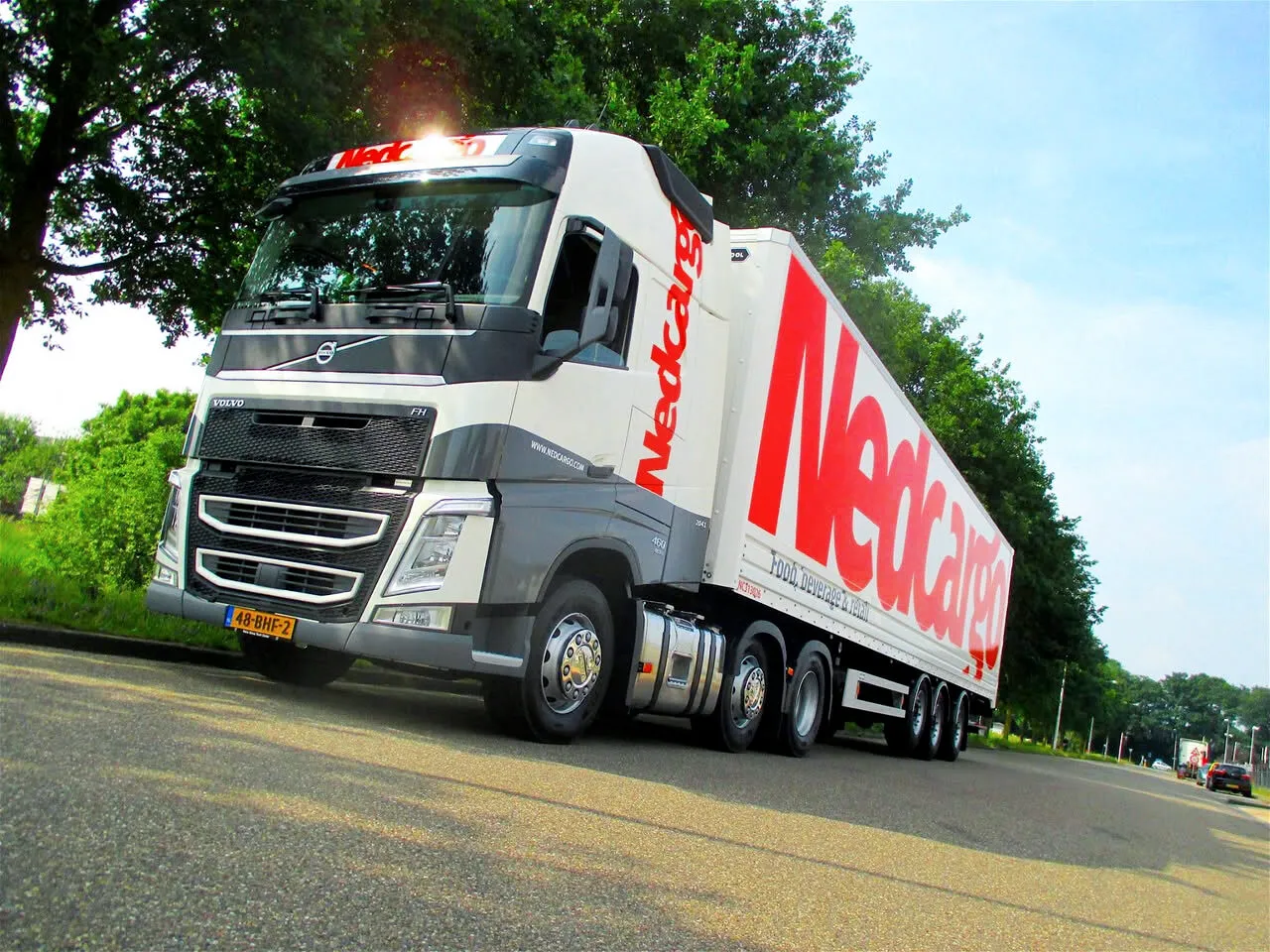
The company currently has two electric trucks in operation and has ordered two new vehicles from Volvo Trucks. One of the most visible applications is the Remia shuttle between Den Dolder and Soesterberg. The Volvo FM Electric travels a fixed route of eight kilometres each way.
According to Van der Laan, it is precisely these shuttle routes that are ideally suited to electrification. “The timings are fixed, the distance is known and you know how much power you need. You also know where you can charge. That makes it much more predictable than a transport flow that changes every day.”
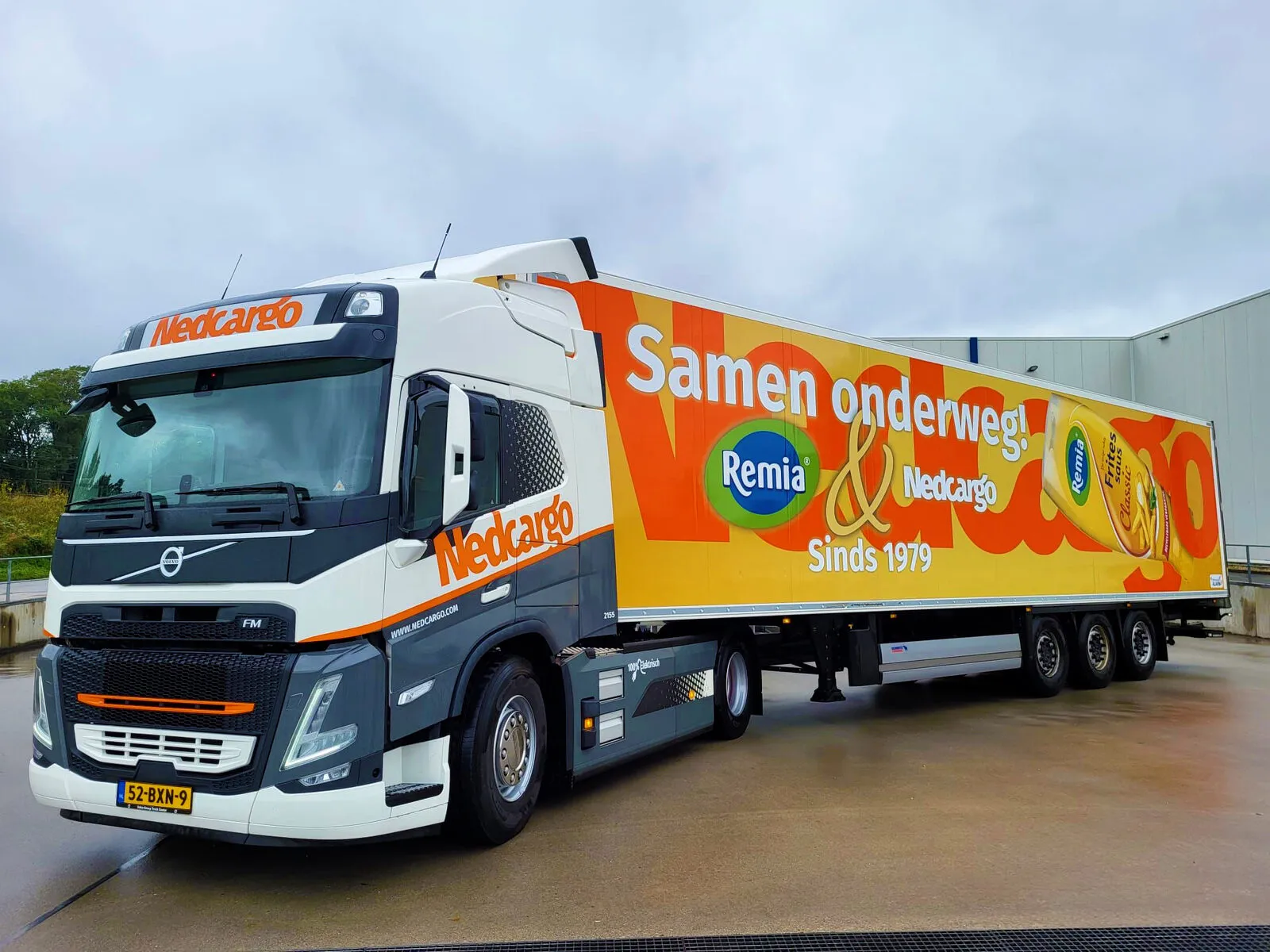
The choice also comes down to collaboration. Remia has been a Nedcargo customer for many years. “You invest together and work together to build a solution. This truck also drives through a built-up area, where noise reduction and local emissions are particularly important.”
For Nedcargo, the electric shuttle is no longer a trial. “This is simply a success story. The drivers are happy, the customer is happy and the local community is happy. The fact that this truck does its job every day proves that it works.”
Charging sets the pace
The biggest brake on further electrification is not the truck, but the available electricity capacity. Nedcargo has its own charging point in Soesterberg, but grid congestion means it does not have enough capacity for future expansion.
“If the facilities and capacity were available, I would be keen to put more electric trucks on the road,” he says. “Large charging depots and the power they require call for substantial investment. Much of the Netherlands is shown in red on the grid congestion maps.”
Nedcargo does see scope for expansion with another dedicated customer. The (?) two new electric Volvo trucks that can charge at the customer’s site will be deployed there. “That customer has sufficient power available. Charging on site is the most efficient solution for us.”
That also matters financially. According to Van der Laan, charging en route currently costs roughly three to four times as much as charging at your own site.
“If you cover a lot of kilometres on motorways and can charge at your own site, the business case can already be positive. That was much harder two years ago.” ➤
Government policy is also changing the calculations. Excise duties, surcharges, road pricing and the expected further pricing of fossil fuels are making diesel more expensive. “That widens the gap. Electric transport is becoming more attractive step by step, provided the necessary conditions are in place.”
Nedcargo is meanwhile investigating how its own sites can be prepared for a larger share of electric transport. Applications to increase grid capacity are under way, although such processes can take years. The company is also looking at solar panels, batteries, load balancing and collaboration with other businesses on industrial estates.
“We are looking at the maximum potential between now and five years from now,” says Van der Laan. “What charging capacity can we provide, and what investment will that require?”
Reliability and support
Nedcargo chose Volvo for its electric trucks. Its existing relationship with the company was a factor, as were its technological development and nationwide service network. With several depots, a reliable network is essential, according to Van der Laan.
“We depend on an organisation that keeps our fleet on the road. Volvo responds quickly and its workshops provide consistent service nationwide. That gives us confidence.”
The transition to electric does require more support than buying a diesel truck. “In the past, you ordered a diesel and largely knew what you were getting. Now you have to look much more closely at the route, the load, the battery pack required and the charging infrastructure. You cannot automatically choose the heaviest vehicle with the largest battery.”
The manufacturer’s expertise is valuable here. Volvo can simulate journeys and help determine which configuration suits a specific operation. “Explanation, calculations and simulations are hugely important in making the right choice. This is still new technology, and not everyone has experience with it yet.”
Drivers also need time to get used to the change. Nedcargo therefore provides a comprehensive introduction and training. “You cannot just hand over the keys and say: work it out for yourself. After a week or two, drivers are very positive. They particularly appreciate the driving comfort and quietness.”
Van der Laan expects the share of electric trucks to grow further in the coming years. He does not give a precise timeframe. The route to that growth lies in finding transport flows that are a good fit, having sufficient charging capacity and collaborating across the supply chain.
“Electrification is not a switch you flip,” he concludes. “But where the operation makes sense, the customer is on board and you can charge, it has become a practical choice.”
Question about this story? Ask your question
Keep following this
Get an email when a new story is published. No account needed.
- ThemeLower-emission transport
- SubjectTransport