Innovation and circularity are key to success in sustainable load carriers
Text Carolien Klees Beeld Gamm Wopla/Smart Flow Europe
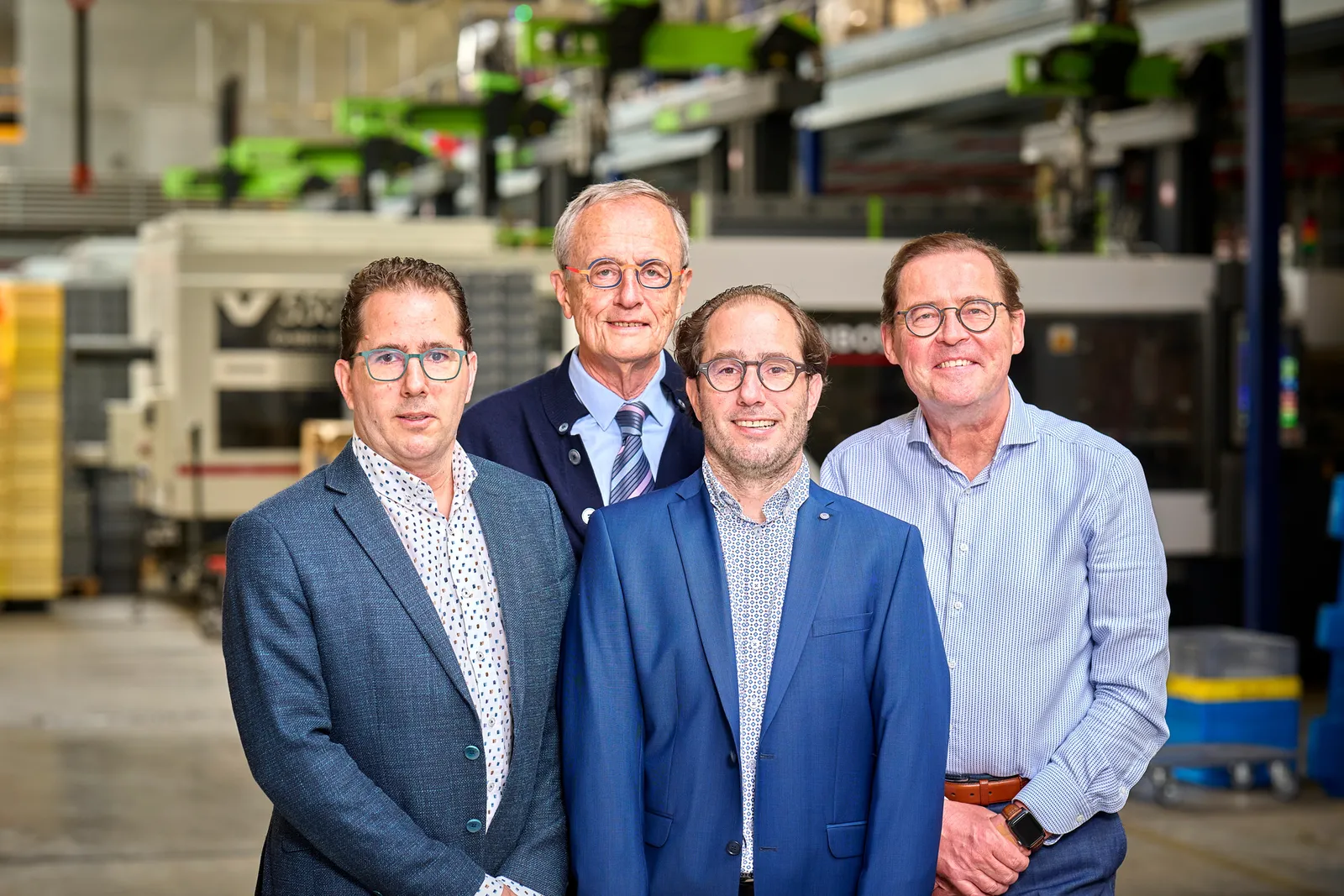
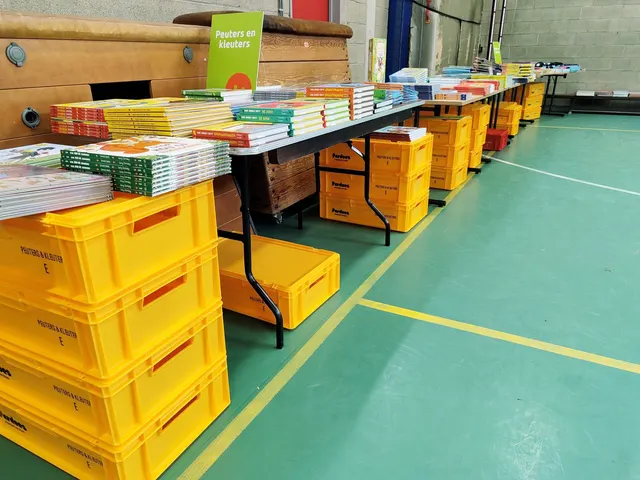
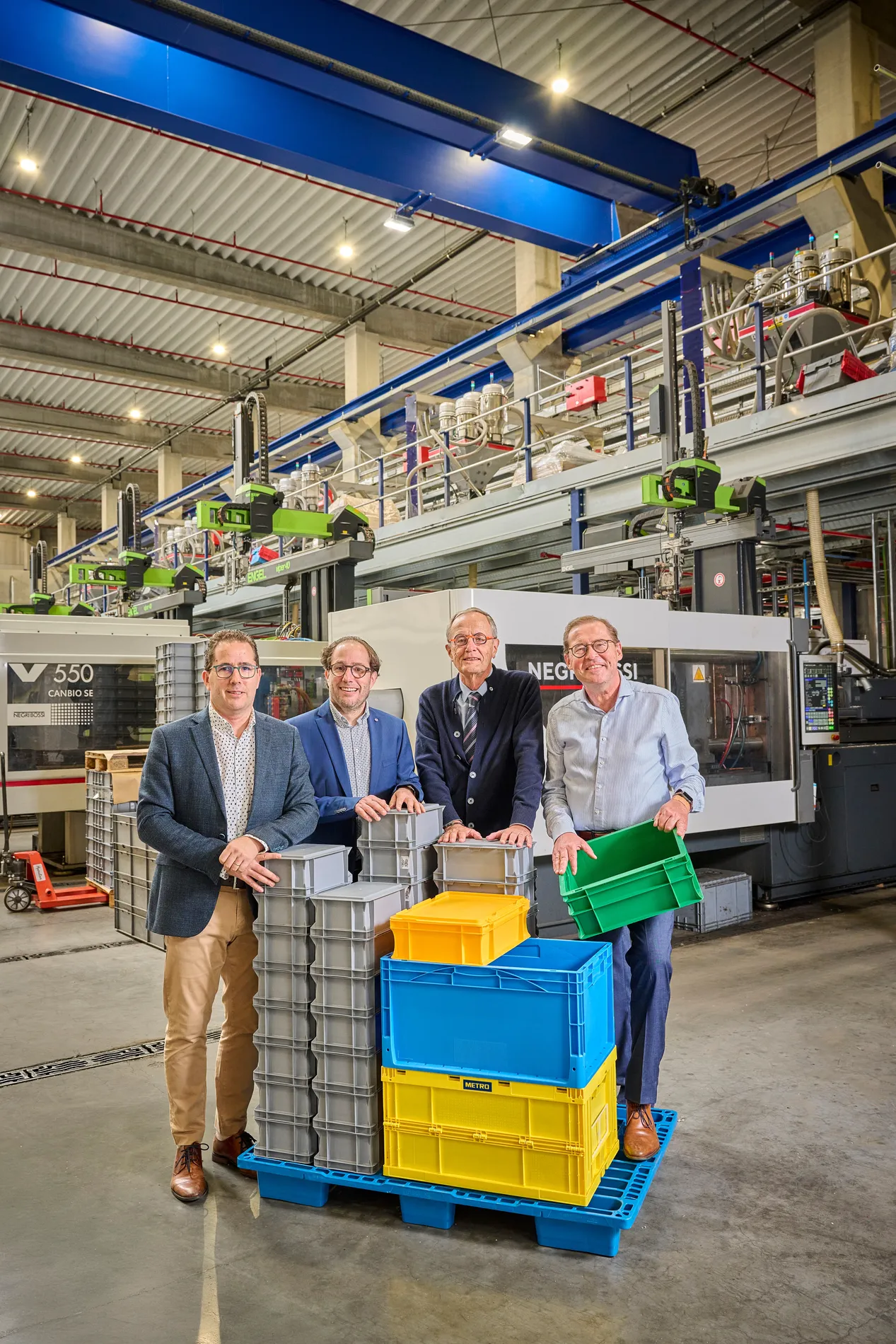
Gamma-Wopla and Smart-Flow Europe are complementary businesses with a winning formula: the Belgian family company supplies the European market with a comprehensive, advanced range of plastic crates, pallets and containers. A remarkable family history lies at the heart of their success, a story that makes every entrepreneur’s heart beat faster. Owner Jan Vandewiele, 77, found the key to success by putting R&D and sustainability at the centre of the business. He is now in a transition phase, handing over the reins to his sons, twins Mikaël and Grégory Vandewiele (52).
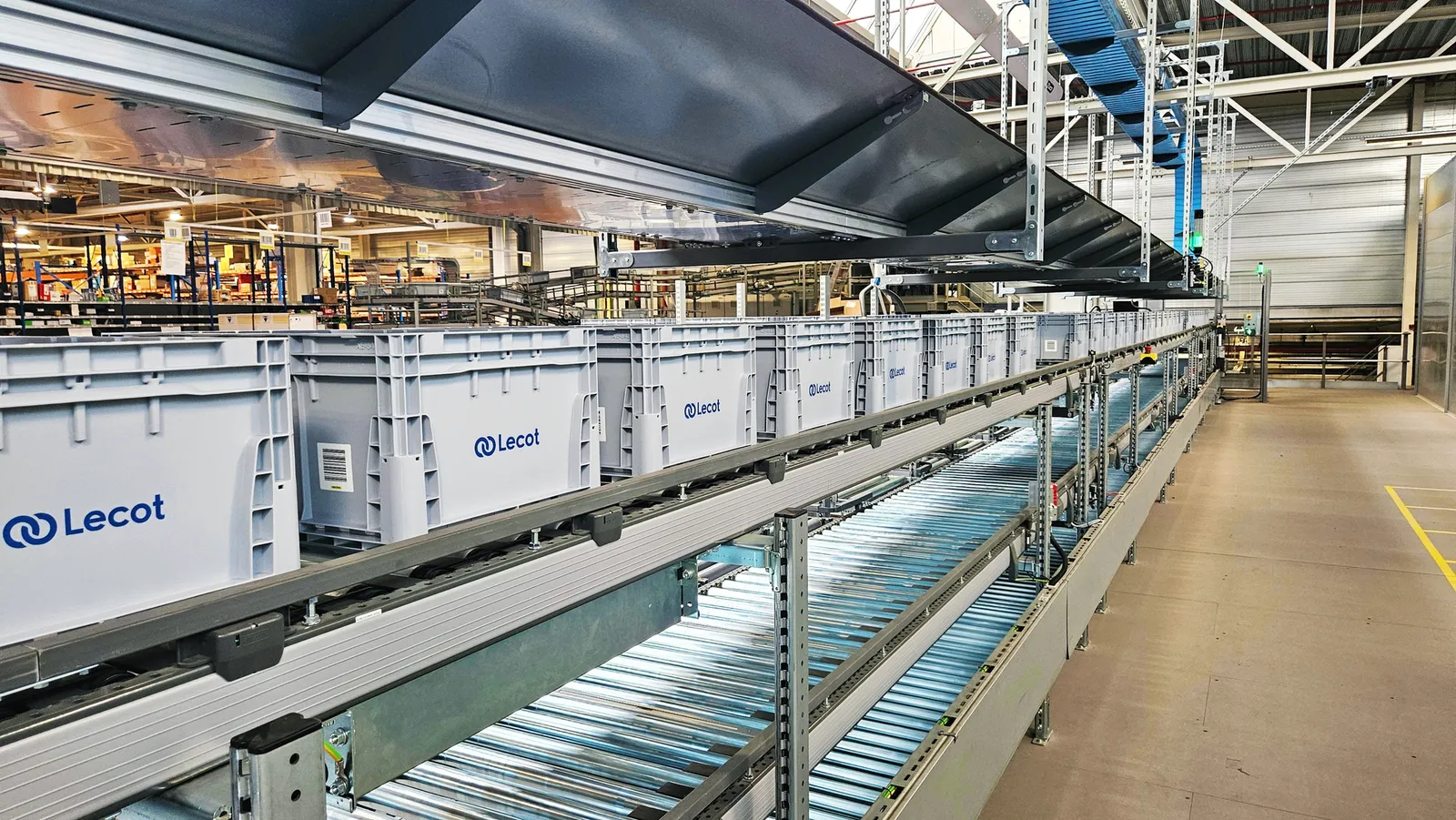
As the son of legendary West Flemish entrepreneur Michel Vandewiele, Jan took the helm in 1970 at the company his father had built: the internationally renowned textile machinery manufacturer Vandewiele. When the company was sold in 1994, Jan did not choose to take things easy. Quite the opposite. Curious about opportunities beyond the textile sector, he saw potential in injection moulding and gradually built Gamma-Wopla into a manufacturer of reusable plastic load carriers that make customers’ supply chains smarter and more sustainable. What began as contract manufacturing for a single customer grew into a European supplier with a broad range for distribution, intralogistics, pharma, food and automotive.
Starting from scratch
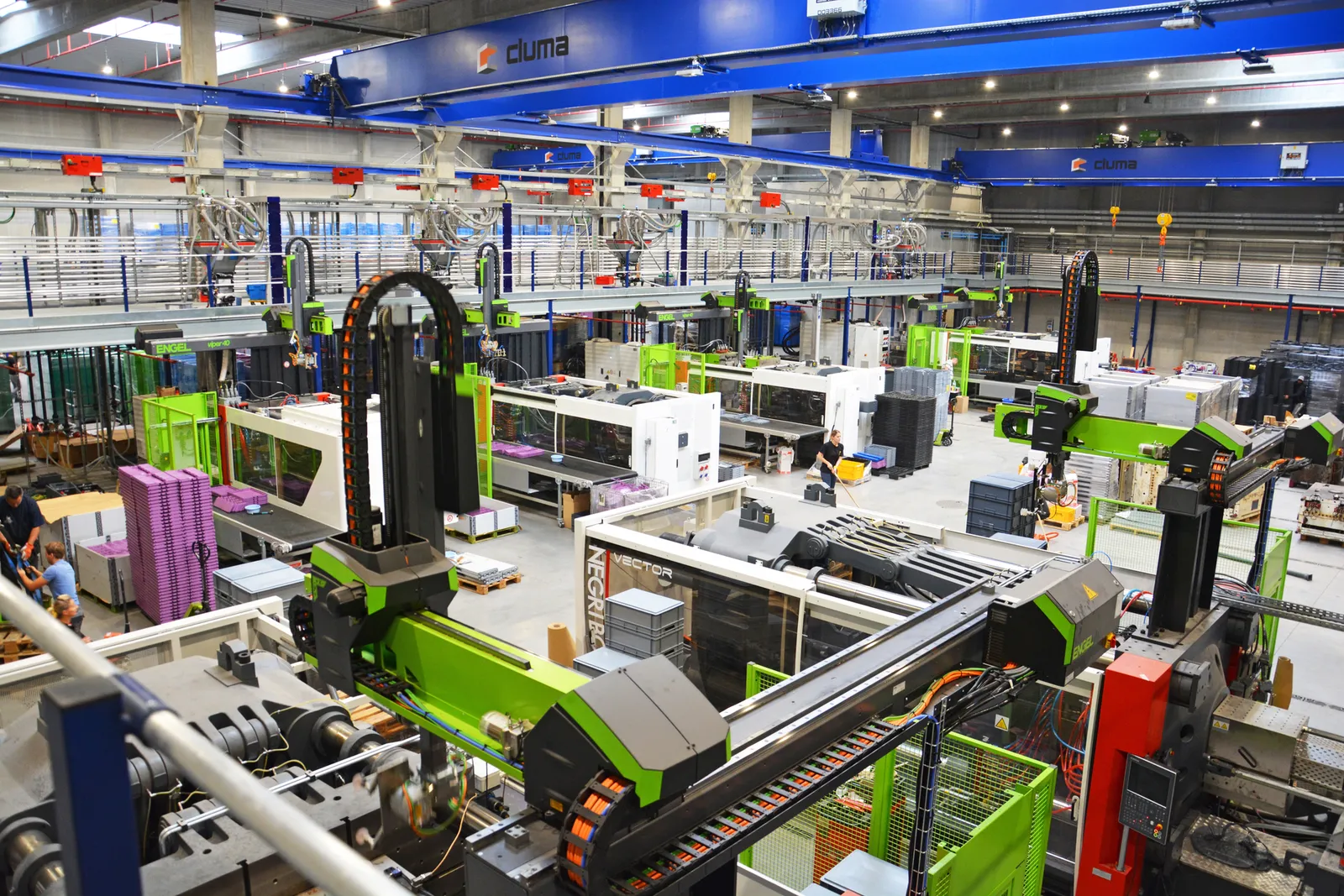
Jan Vandewiele: “I deliberately chose to start small and grow step by step. So I started with one customer and two machines. I later made the transition from contract manufacturing to my own product line, and from a product line to a broad range of plastic crates.” Smart-Flow Europe was subsequently established, focusing entirely on the production of plastic pallets and containers. The two companies now have 43 injection moulding machines, generating annual sales of €62 million.
Succession
Asked whether it was always clear that his children would also join the family business, Jan laughs: “It was clear to me, yes, but not to the children.” His son Mikaël adds: “After our studies, we first wanted to make our own way and went to work for other companies.” His twin brother Grégory adds: “When we decided to join the business, we did not start at the top of the hierarchy either. I simply started by loading and unloading lorries. Step by step, we worked our way up to our current roles as CEOs.”
The same freedom to choose your own path is now being passed on to the fourth generation. Mikael: “We do sometimes talk about it around the kitchen table, of course, but not often. My eldest son is 21 and still studying. The most important thing to me is that he chooses work that makes him happy.”
Transition phase
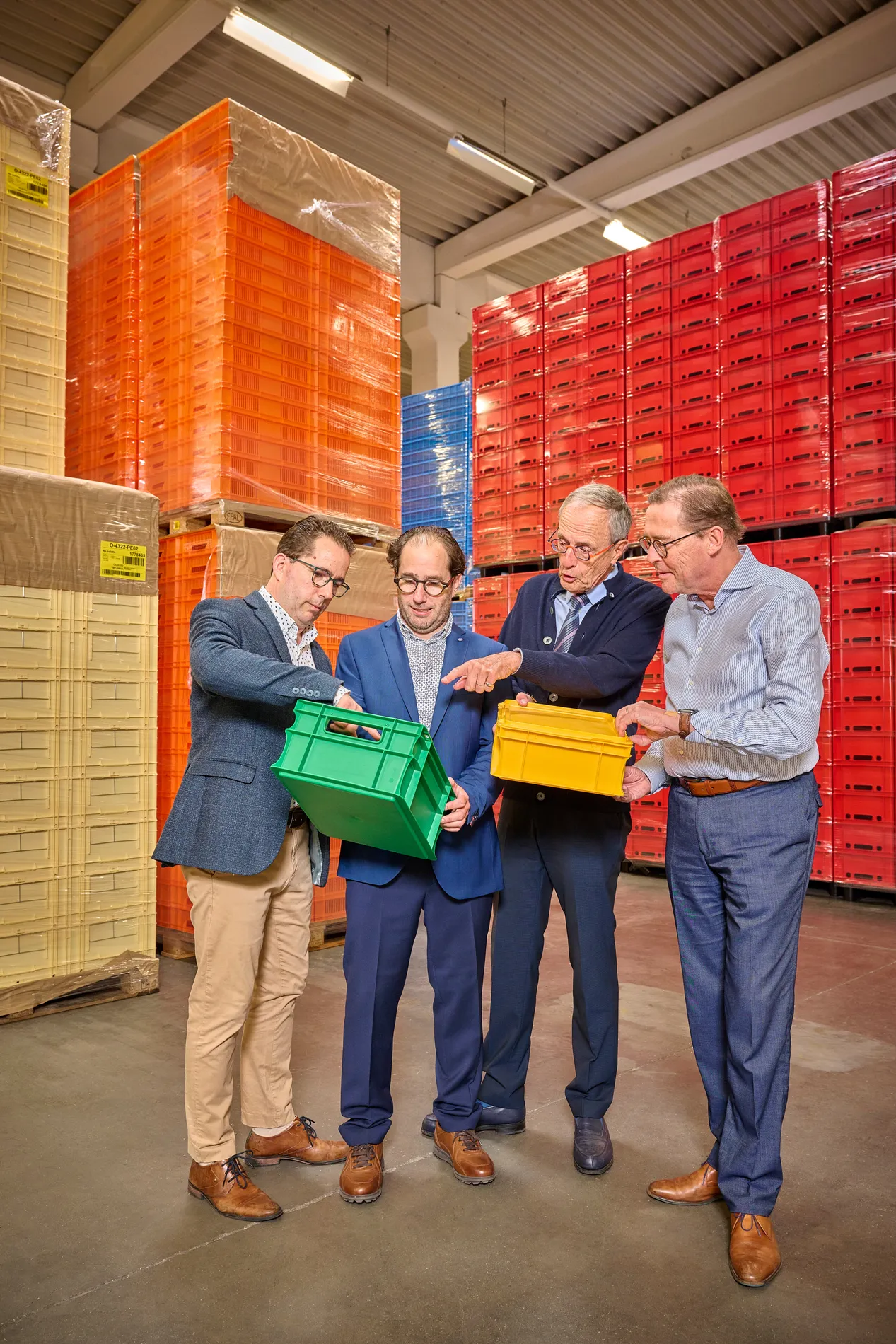
Jan: “Entrepreneurship is in my blood and I still enjoy my work immensely every day, but of course we have to think about the continuity of the business. That is why, three years ago, I brought in Stefaan Duchi (64) as an external CEO.”
Duchi: “The transition from a paterfamilias who founded the company and wants to pass on its soul to the children, who must carry it forward in their own way, is a delicate process that takes time and trust. But it is going very smoothly here. As an outsider, I can bring a degree of objectivity. That was Jan’s intention too: for me to act for a number of years as a kind of transitional figure for the next generation. My aim is to contribute to a smooth generational handover and to sustaining growth.”
R&D as a driving force
One core strategy the next generation will undoubtedly embrace is investment in R&D. “Innovation and product development are our top priority,” says Duchi. “Every year, we spend seven to eight per cent of our turnover on innovation. This has led, for example, to the innovative Smart Sleeve Pack. This system is ideal for sectors where efficient, cost-effective storage, reverse logistics and transport are crucial. It is a modular system consisting of a pallet, a collapsible sleeve and a lid. The collapsible sleeve saves up to 80 per cent of space on return journeys when empty. Our designs are based on the day-to-day reality of warehouses: speed, reliability and damage prevention.”
Plastic Euro pallets
Another example of their innovative strength is the plastic Euro pallet, an excellent alternative to its wooden counterpart. Grégory: “Its medium weight and specific properties, such as being splinter-free and durable, make this product unique on the market. It is also dimensionally stable, robust and hygienic. This solution delivers significant savings, in this case on maintenance and replacement costs.”
Sustainability as standard
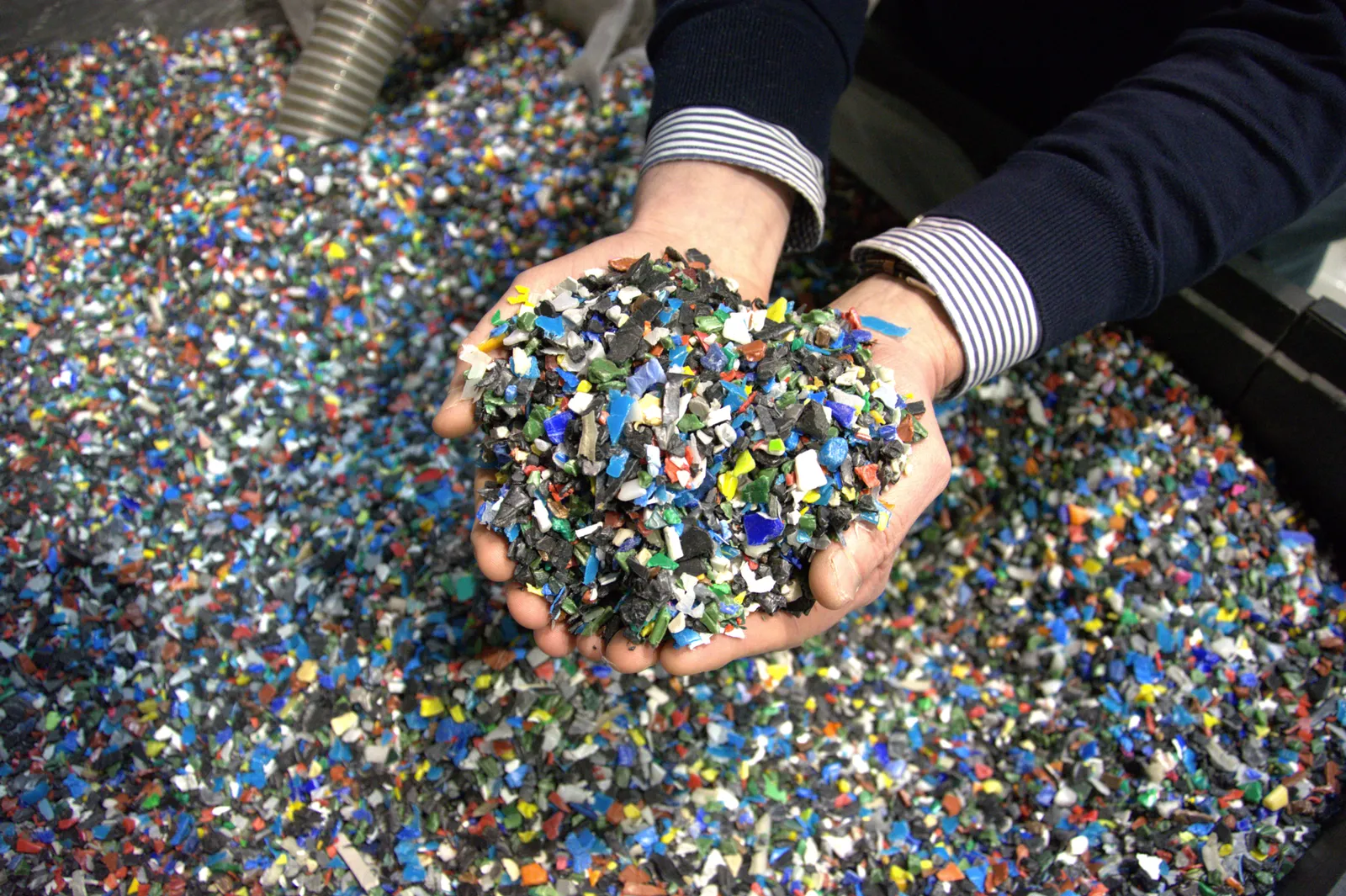
Sustainability is in the DNA of the Belgian company. Mikaël: “For us, it applies both to making our customers’ logistics processes more sustainable and to our own operations. In the first area, our nestable, stackable and collapsible designs help reduce ‘empty volume’, handling and transport movements. Their low weight further reduces the transport footprint and also improves ergonomics for employees. In addition, our crates, pallets and containers are made from recycled raw materials and are themselves 100% recyclable at the end of their service life.”
From Belgium, Gamma-Wopla & Smart-Flow serves not only the local market but also numerous European countries, including the Netherlands.
Question about this story? Ask your question
Keep following this
Get an email when a new story is published. No account needed.
- ThemeSmarter use of packaging
- SubjectPackaging