How can you tell whether a certificate is worth anything?
Text and images BMWT-Train
From certification to competence in logistics practice
Forklifts, reach trucks and other types of materials handling equipment are used every day in warehouses and distribution centres. At the same time, safety remains a key concern. Accidents involving work equipment still occur every year. Strikingly, the cause is often not technical.
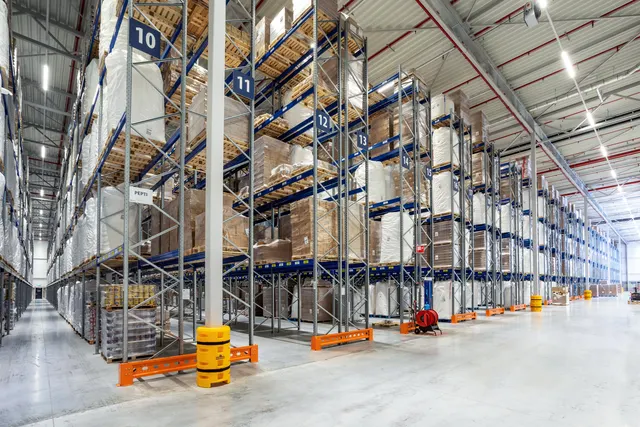
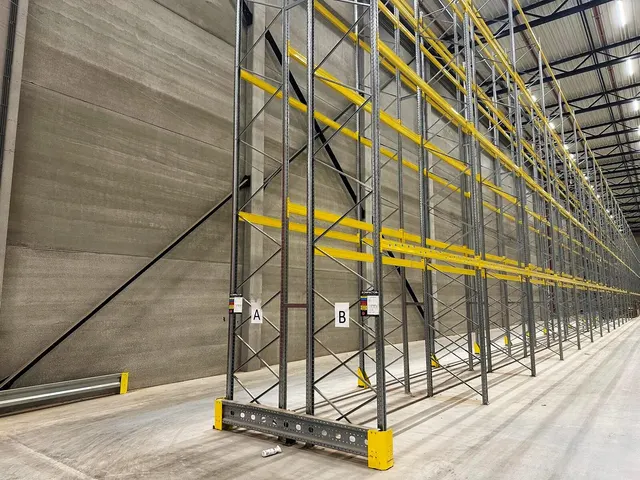
Machines are inspected periodically, maintained and repaired where necessary. Warehouse racking and other safety provisions are also checked regularly. In the Netherlands, the technical side of safety is generally well organised. But safety is about more than technology alone.
The human factor plays at least as important a role. Employees need to know not only how a machine works, but also how to use it safely in day-to-day operations. This is where many employers face a challenge.
A certificate does not always mean competence
Almost every logistics organisation employs people with a forklift or reach truck certificate. In practice, however, the content and quality of training courses can vary considerably.
Difficult to assess
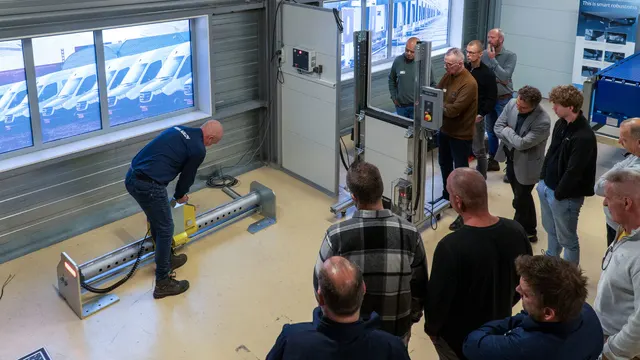
Employers see certificates from a range of training providers, but often find it difficult to judge what they actually represent. Have both theory and practical skills been assessed?
Are the learning objectives comparable? Is the assessment independent? And does every certificate holder actually meet the same standard? The logistics sector also relies heavily on temporary workers, agency staff and changing teams. New employees bring their own certificates, but not always the same knowledge, skills or safety habits. This makes it difficult for employers to assess employees’ competence objectively.
The question is therefore becoming increasingly relevant: when can you be confident that someone has demonstrable competence?
Growing need for a single quality standard
The sector is increasingly looking for greater consistency in operator training. The aim is not to give training providers less room to respond to specific requirements and expectations, but to make it clearer what a certificate actually represents.
With this in mind, BMWT has developed the updated BMWT-Train. This quality standard combines tailored training with consistent knowledge and skills. BMWT has long been known in the industry for BMWT-Keur, the quality mark for the technical safety of work equipment. With BMWT-Train, the organisation focuses on another part of the same safety chain: the quality of training and the competence of machine operators and drivers.
The principle is simple: employers should be able to trust the value of a certificate, regardless of where the training was completed.
Safety starts with behaviour
Safety experts nevertheless stress that training is only one part of a safe working environment. Ultimately, behaviour, safety awareness, supervision and company culture determine how safely people actually work.
An employee may hold a valid certificate, but their actions on the shop floor still depend on the choices they make every day. Time pressure, routine and production targets can all have an influence. Safety therefore requires a combination of good equipment, demonstrable competence and an organisational culture in which working safely is second nature.
That is precisely why training quality is receiving more attention. Not because a certificate in itself prevents accidents, but because good training lays the foundations for safe behaviour in practice.
Further professionalisation
The logistics sector is professionalising at a rapid pace. Employers expect greater insight into employees’ knowledge and skills, while clients are setting higher standards for safety and quality.
A uniform training standard can support this development. Not by restricting training providers, but by clarifying what competence means and how it can be demonstrated objectively. This shifts the focus from holding a certificate to the question that ultimately matters most: can someone do their job safely, responsibly and competently?
Find out more about BMWT-Train? Training providers interested in joining can request an introductory meeting about the opportunities and quality requirements via the contact form at bmwt.nl/train.
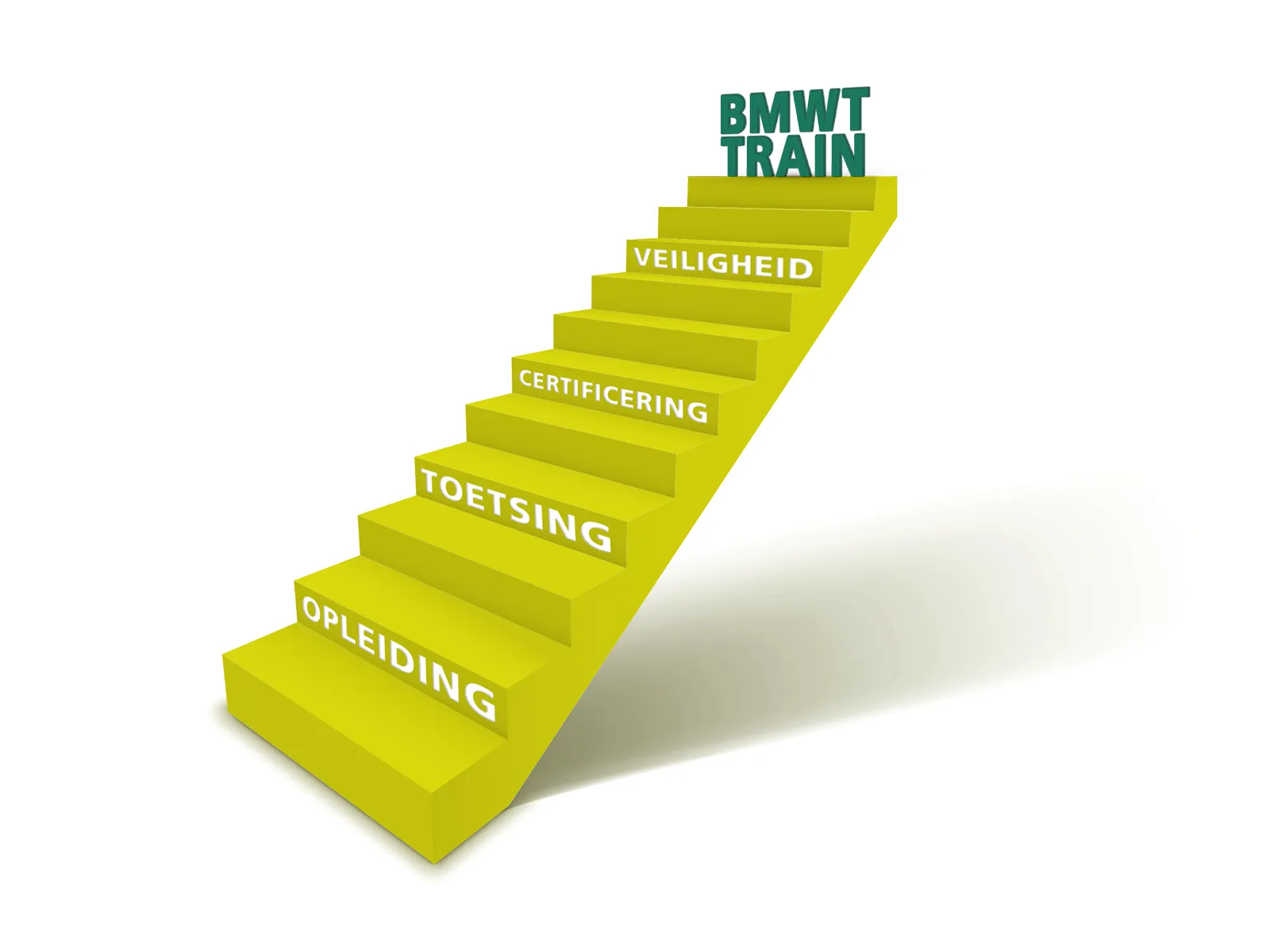
FOUR PILLARS OF QUALITY
BMWT-Train has been set up as an independent quality system for operator training. Training providers retain control of the course content, while quality is assured through four pillars.
Standards and assessment
Clear requirements are set for the knowledge and skills needed for each course. This creates a recognised standard for participants and employers.
Independent assessment
Participants are assessed on both theory and practical skills. It is not just knowledge that counts, but also the ability to apply it safely in realistic working situations.
Quality assurance
Audits and spot checks ensure that affiliated training providers continue to meet the specified quality requirements.
Certification and registration
Successful participants receive an official certificate, which is entered in a central register. This creates greater transparency for employers and clients.
Question about this story? Ask your question
Keep following this
Get an email when a new story is published. No account needed.
- ThemeMaterials handling in motion
- SubjectWarehouse equipment & safety