RFID makes returnable packaging smarter, cheaper and more sustainable
Text and images Turck
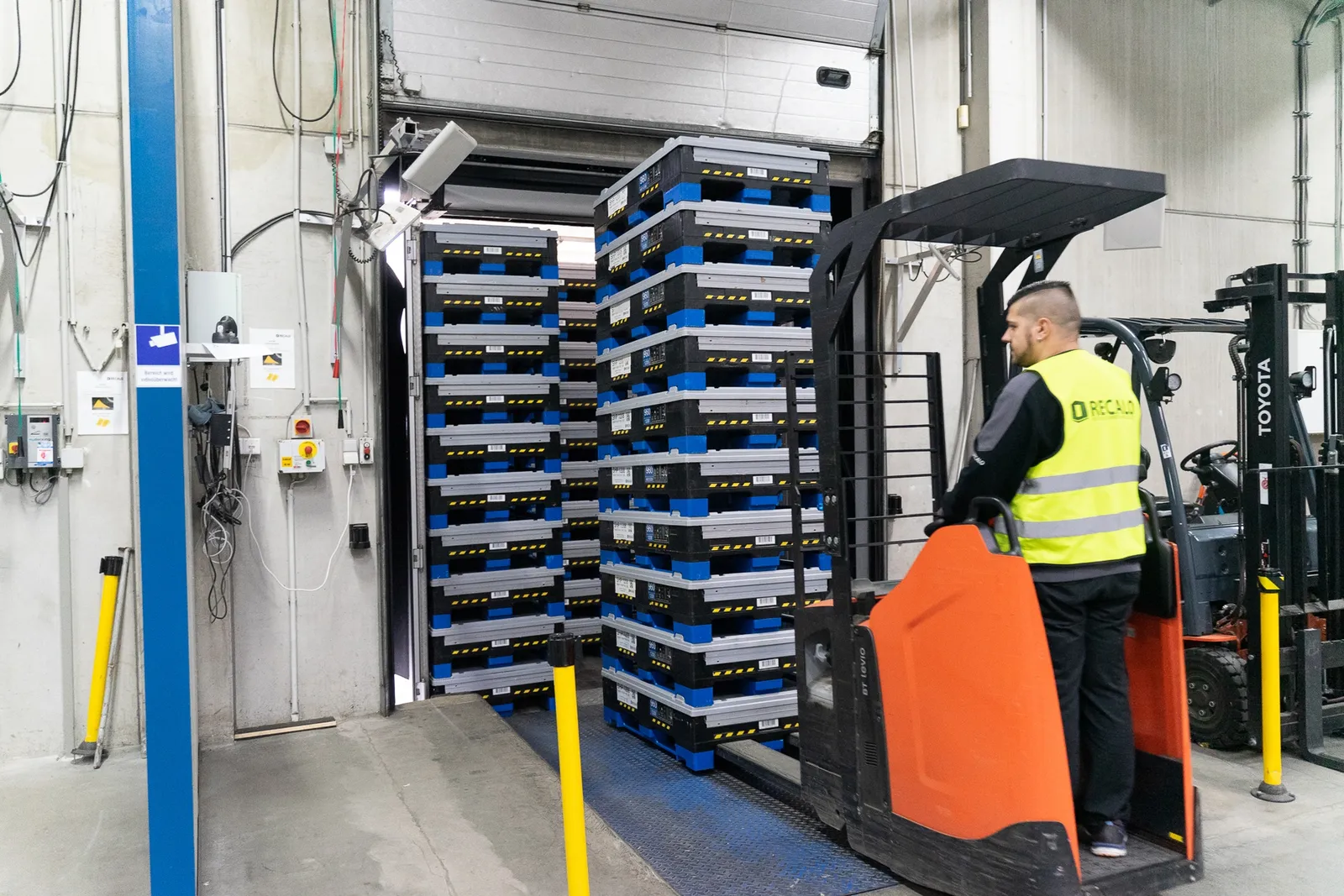
Full visibility across the logistics chain helps cut costs, optimise capacity and reduce CO2 emissions
Companies in the logistics sector are under increasing pressure to operate more efficiently, sustainably and cost-effectively. At the same time, demands for delivery reliability, stock availability and supply chain transparency continue to grow. For organisations using returnable transport packaging and load carriers, managing these assets is a particular challenge.
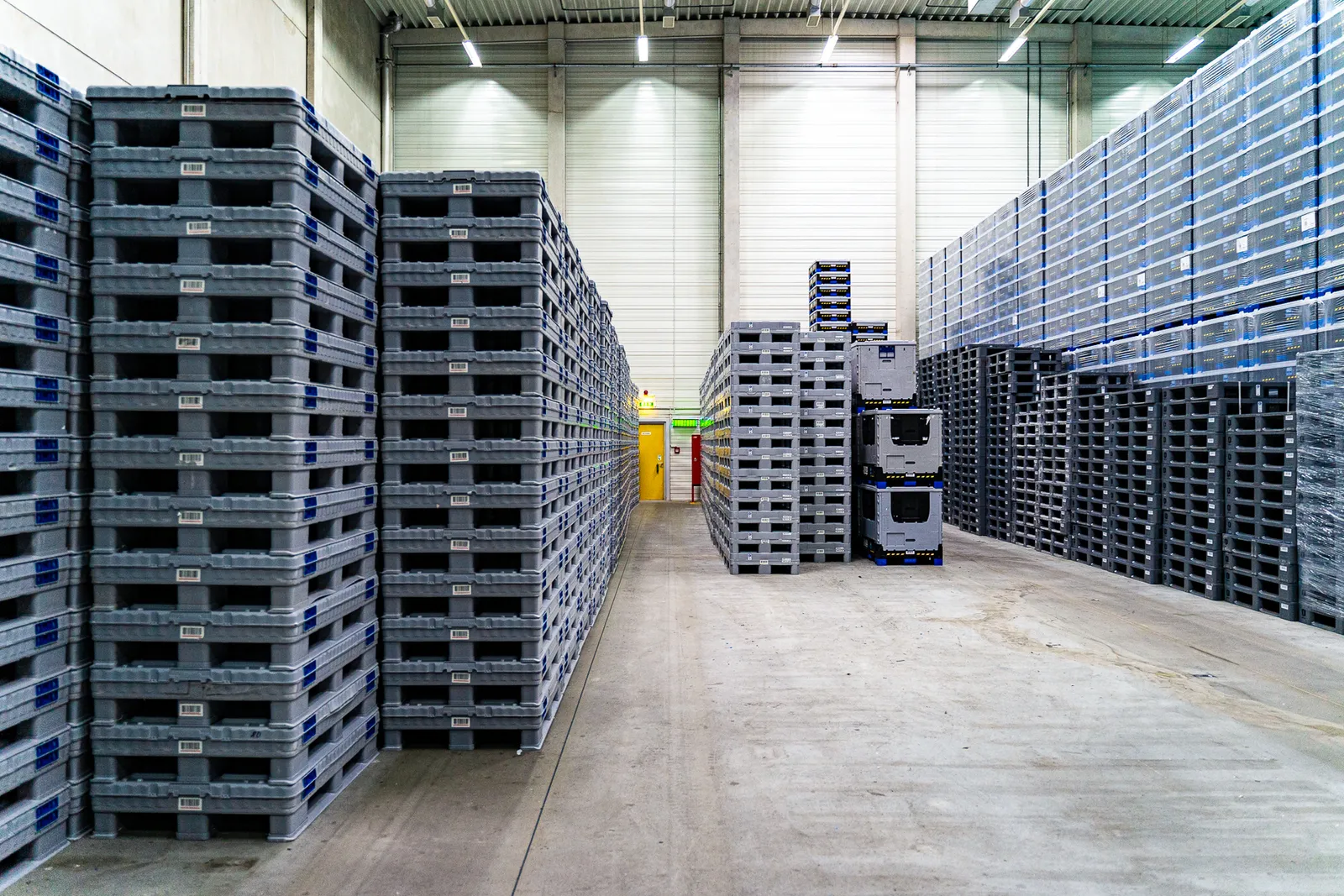
This is also true for Recalo, a specialist in pooling Returnable Transport Items (RTIs). The company manages more than 90,000 reusable load carriers, which circulate continuously between manufacturers, logistics service providers and end users. To ensure customers always have enough transport equipment, it is essential to know the location and availability of every load carrier.
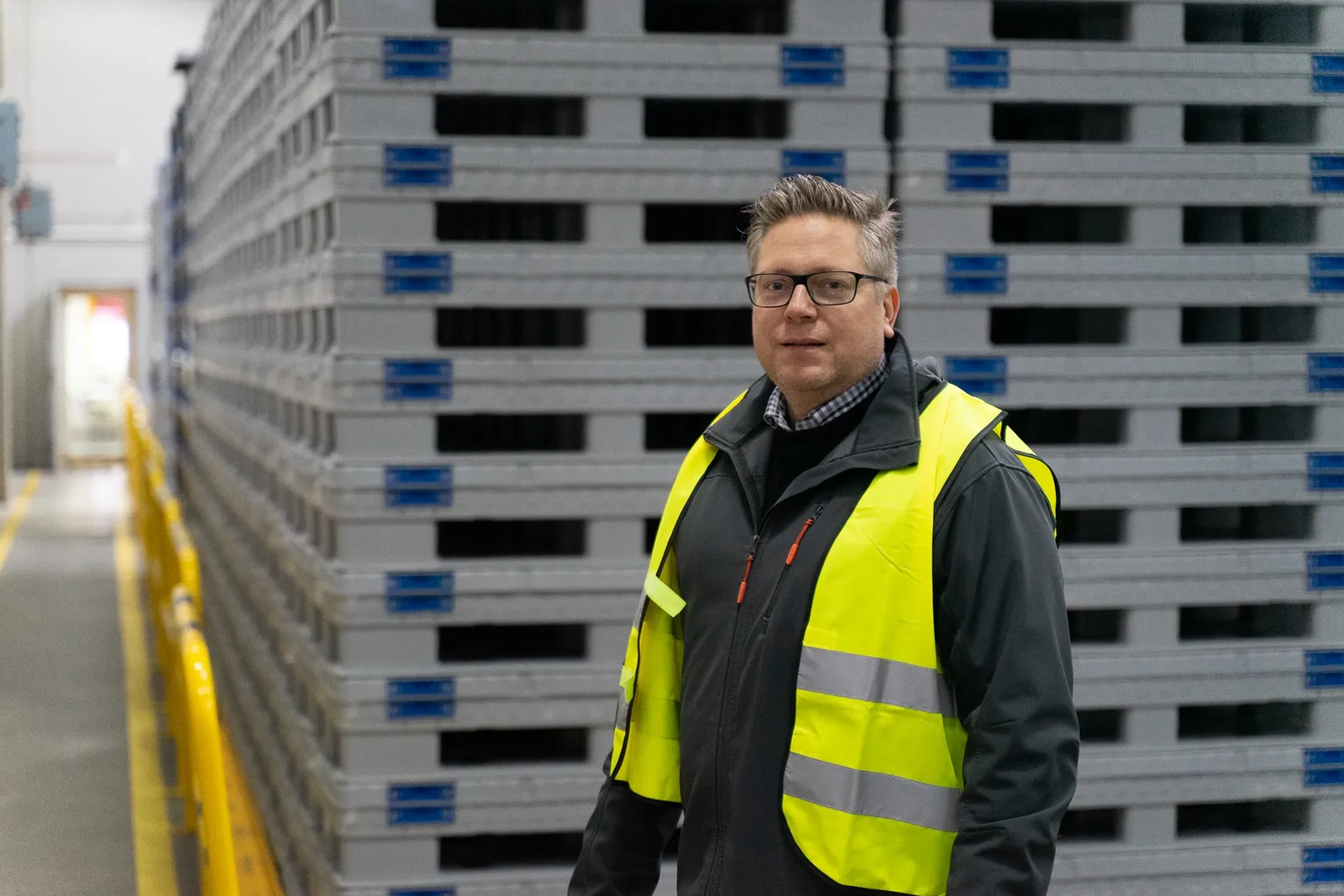
Lack of visibility
Many organisations have insufficient visibility of their transport equipment in circulation. The result is a combination of lost assets, higher safety stocks, inefficient return flows and unnecessary transport movements. In addition, a surplus of load carriers ties up a significant amount of working capital to cover peaks in demand.
For Recalo, it was clear that manual recording or a solution based solely on barcodes would not be sufficient. Large numbers of RTIs need to be processed simultaneously and recorded in real time.
“Our key criteria were high data quality, rapid bulk registration and the ability to automate processes,” says Daniel van der Vorst, managing director of Recalo. “When hundreds of load carriers are being dispatched at the same time, using barcodes alone is simply not practical.”
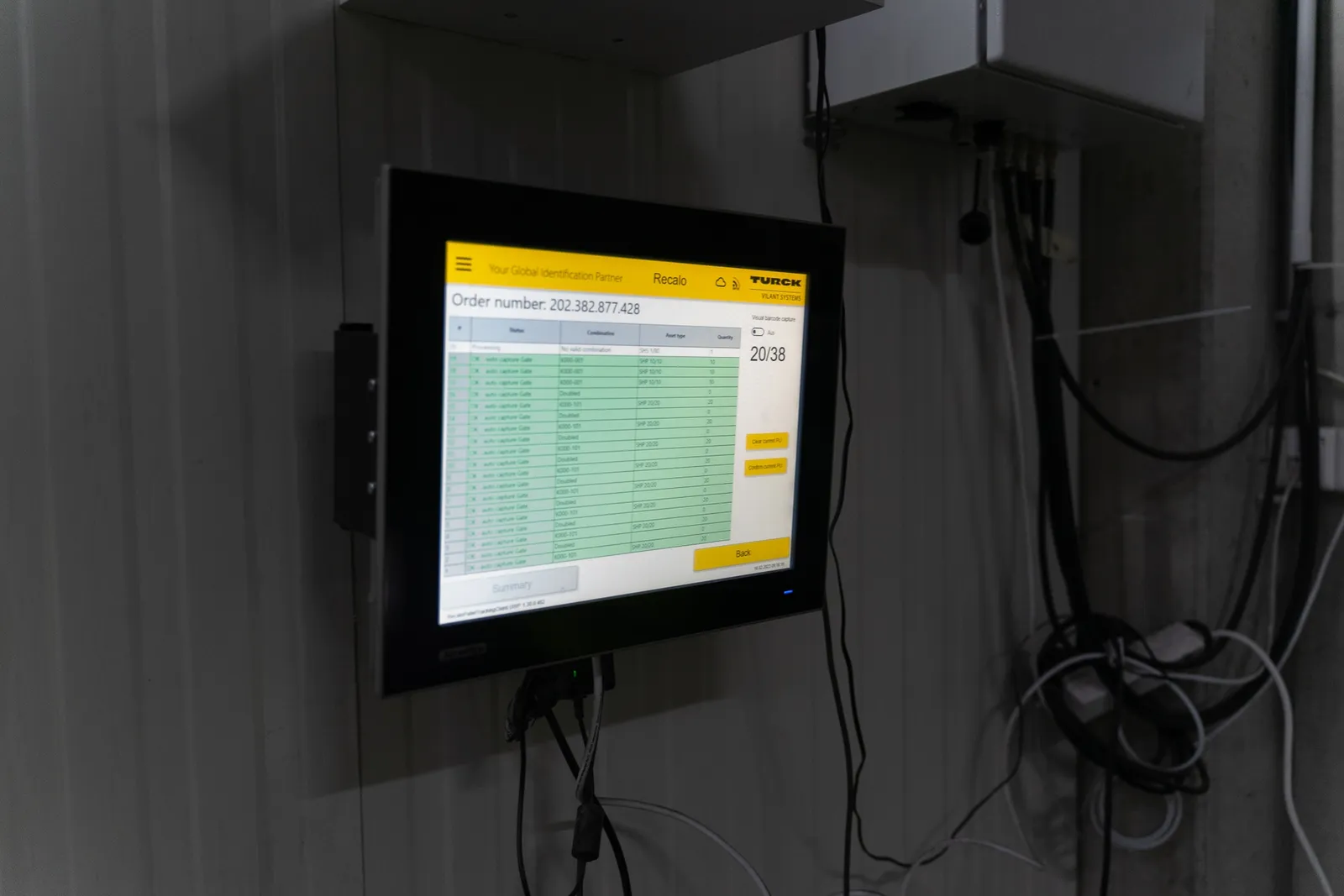
Full supply chain transparency
To achieve full traceability, Turck Vilant Systems implemented an RFID-based track & trace solution. Each RTI was fitted with a hybrid label containing both a barcode and an RFID tag. RFID gates automatically register complete loads as they enter or leave the warehouse.
The solution is integrated with Recalo’s ERP system, providing continuous visibility of the location, status and availability of all load carriers. This enables the company to identify shortages early, optimise return flows and ensure customers always have enough RTIs. According to Van der Vorst, this was precisely the strength of the partnership with Turck Vilant Systems. “I could tell straight away that Turck Vilant understood our processes and challenges. We were looking not just for technology, but for a partner with insight into our logistics operations and international growth plans.”
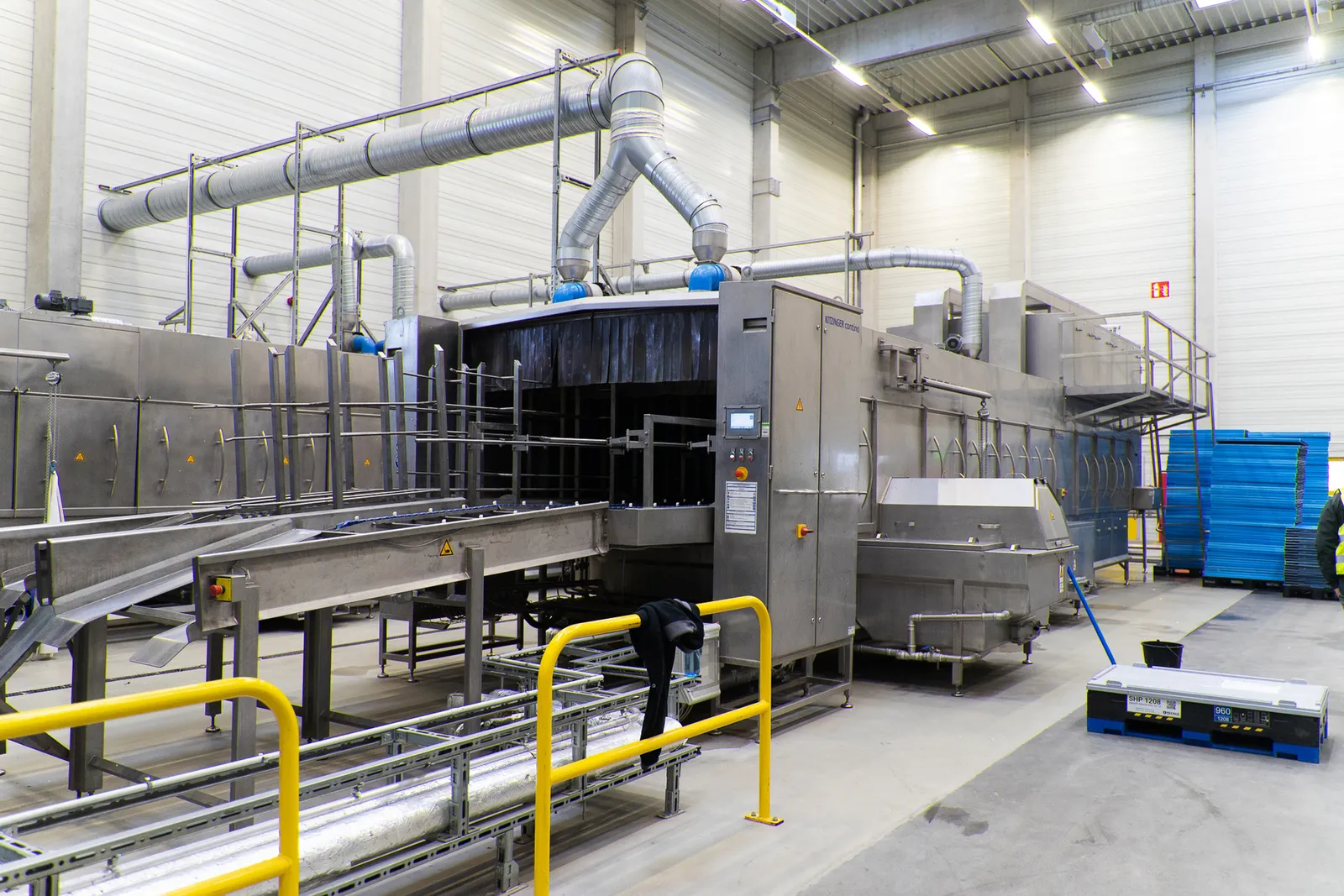
Lower transport costs
One particular benefit of the solution is the optimisation of lorry loading. The system calculates how high load carriers should be stacked to make maximum use of the available load space. This means the same quantity of goods can be transported in fewer trips.
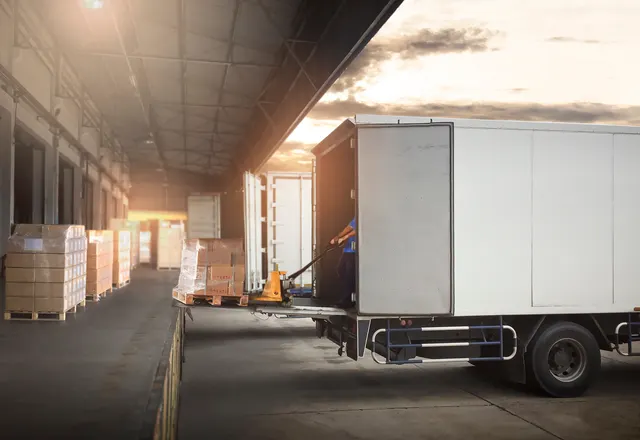
The loading and unloading process is also significantly faster. Complete stacks of load carriers are registered in a single movement via RFID gates, reducing errors and increasing operational efficiency. At Recalo, this means a full lorry can be loaded in less than half an hour.
Making sustainability measurable
As well as reducing costs, the solution delivers clear sustainability benefits. The pooling concept ensures that transport equipment is continually reused, while optimal vehicle loading means fewer transport movements and lower fuel consumption. The reusable plastic RTIs also have a long service life and feature replaceable wear parts, reducing the need for complete replacement.
“Sustainability is central to our business model,” says Van der Vorst. “Our aim is to provide the best possible logistics service with the fewest resources. By combining pooling, smart logistics planning and real-time tracking, we can help our customers genuinely reduce their CO2 footprint.”
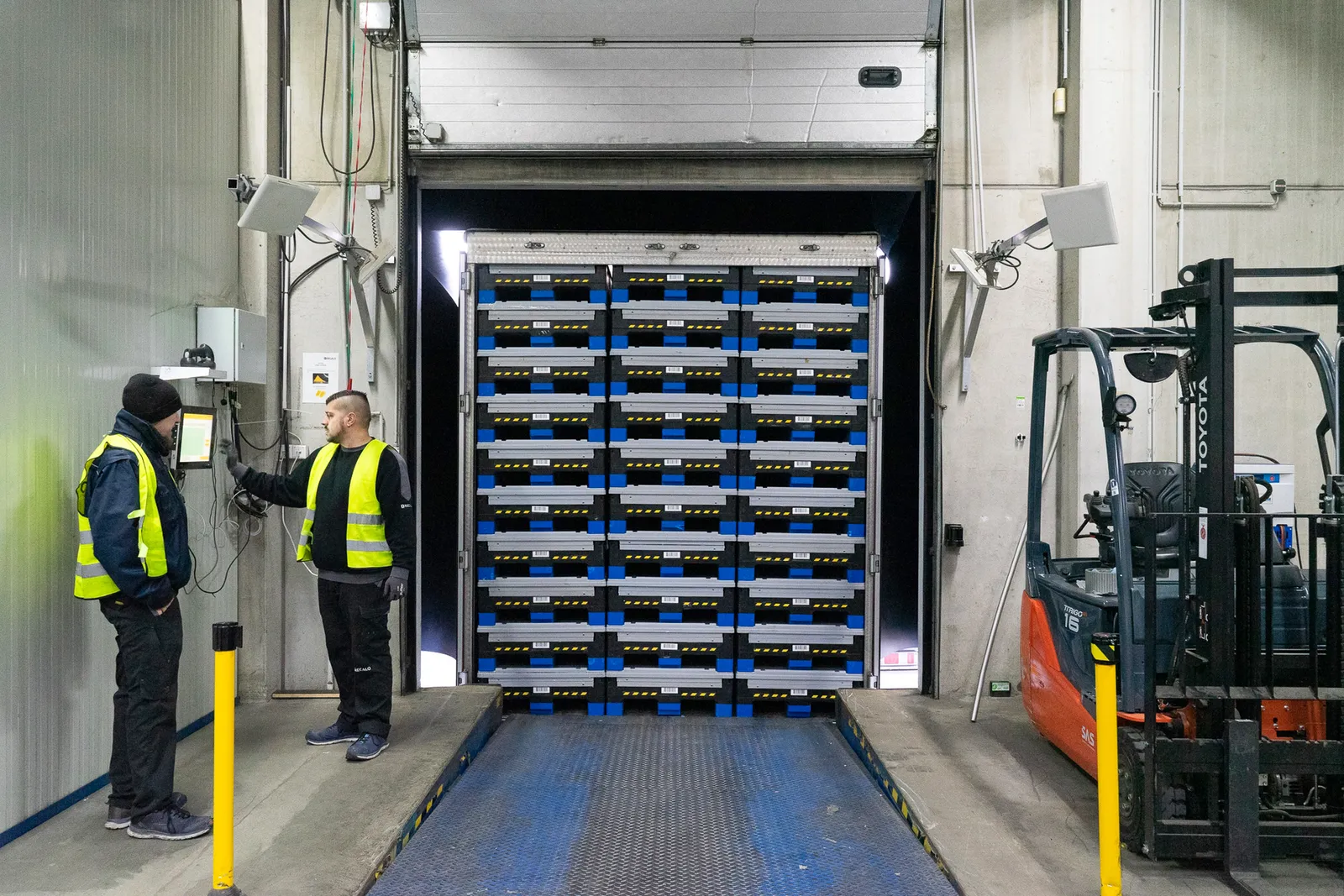
With Turck Vilant Systems’ RFID solution, Recalo now has full control of its international RTI pool. The result is a combination of lower operating costs, maximum availability of load carriers, greater transport efficiency and demonstrably lower CO₂ emissions. It is a practical example of how digitalisation can directly improve both the economic and environmental performance of logistics.

808.E012
Een zakelijke vraag aan TURCK MULTIPROX? Get in touch
Companies in this story

Keep following this
Get an email when a new story is published. No account needed.
- ThemeTaking control of logistics processes
- SubjectICT & logistics
- CompanyTURCK MULTIPROX