












‘No value is lost along the way’
Text Kris Vandekerckhove Beeld Gamma-Wopla / Smart-Flow
Circular load carriers as an answer to efficiency and sustainability
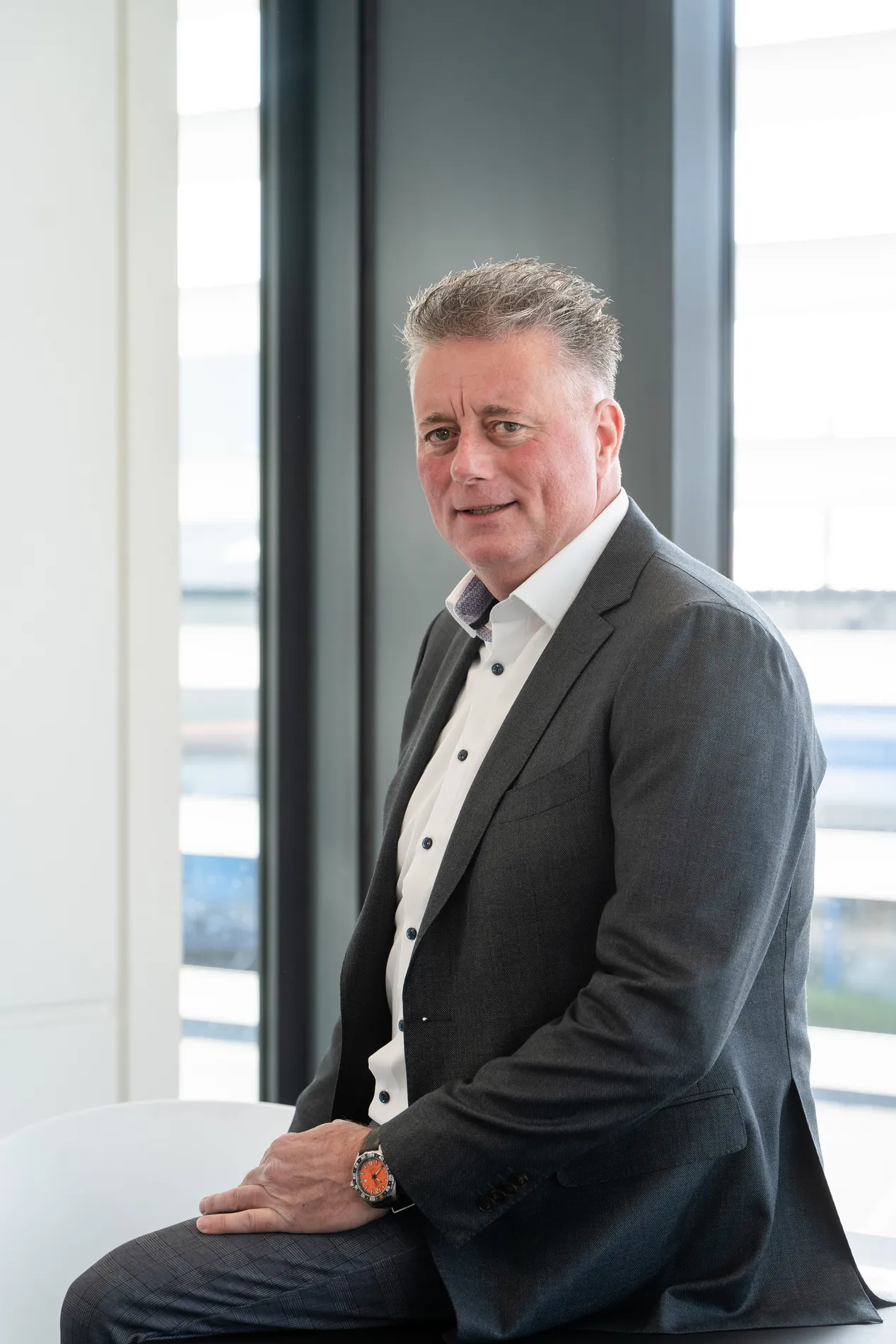
Working more efficiently, keeping costs under control and operating more sustainably at the same time: these are no longer separate ambitions, but firm requirements in warehouses and logistics environments. Yet, according to Eddy van Sas, who is responsible for the Dutch market at Gamma-Wopla and Smart-Flow, one element is often underestimated when it comes to optimisation: the load carrier. In other words, the crates, pallets and bins used to move goods through the supply chain.
“Efficiency and sustainability are often sought in processes and technology, while a significant part of the gains lies in something very fundamental: how a company moves its goods,” says van Sas. “That is exactly where reusable, circular, all-round solutions such as ours make a difference: they last longer, reduce waste and lower overall logistics costs at the same time.”
From single-use to multiple rotations
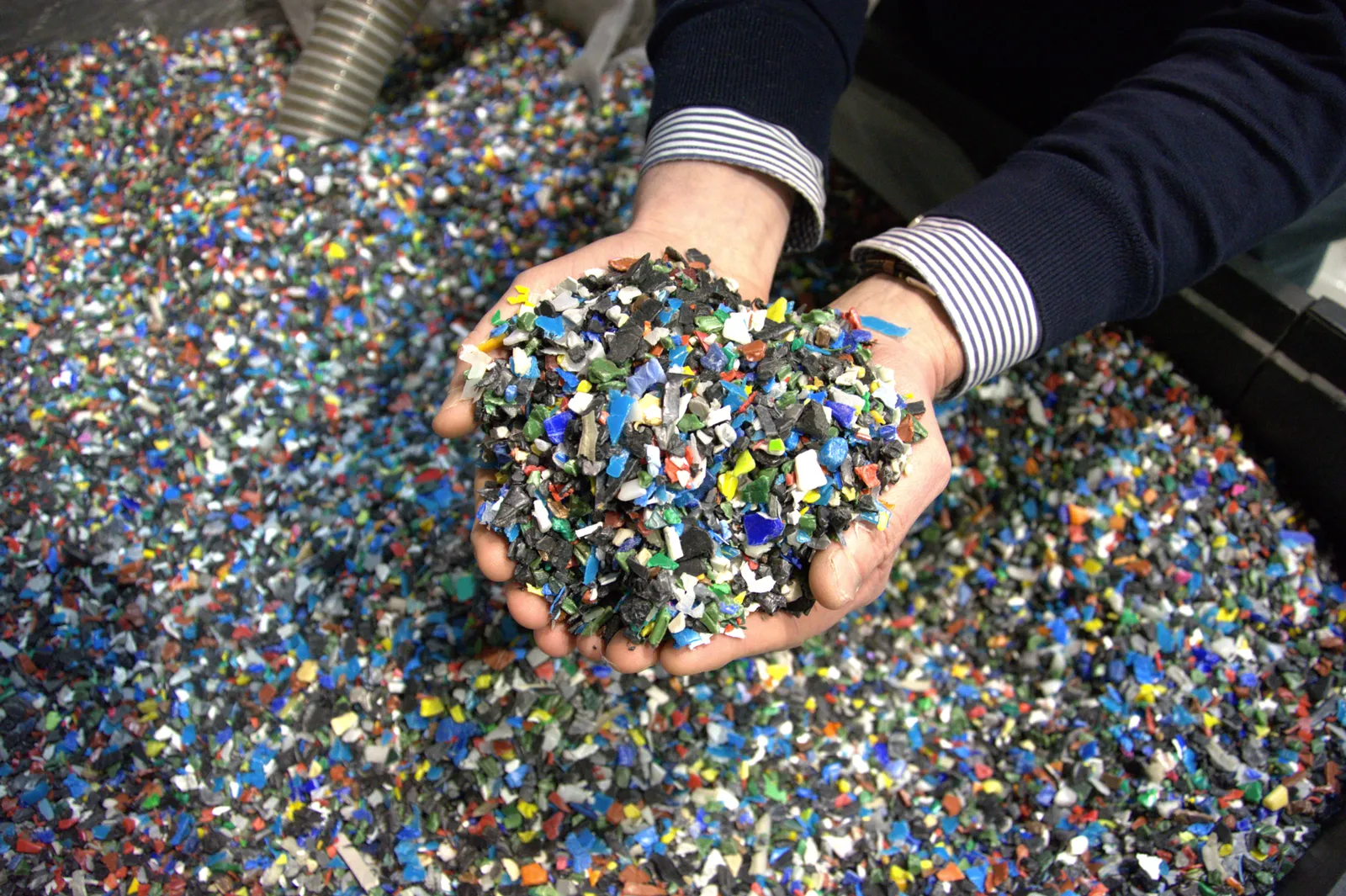
According to van Sas, one of the biggest shifts in the market is the move from single-use packaging to reusable systems. While cardboard boxes are often used just once, plastic crates and pallets have a much longer service life. “A cardboard box is opened, cut up and thrown away. That’s one rotation. Our bins last for hundreds of rotations. That changes the entire cost structure.”
The shift also affects waste streams and supply chain organisation, not just costs. Reusable load carriers are used to their full potential in closed logistics chains, with regular customers and return flows. “Customers simply take them back on their next delivery. That makes the system both circular and practical.”
Transporting less air
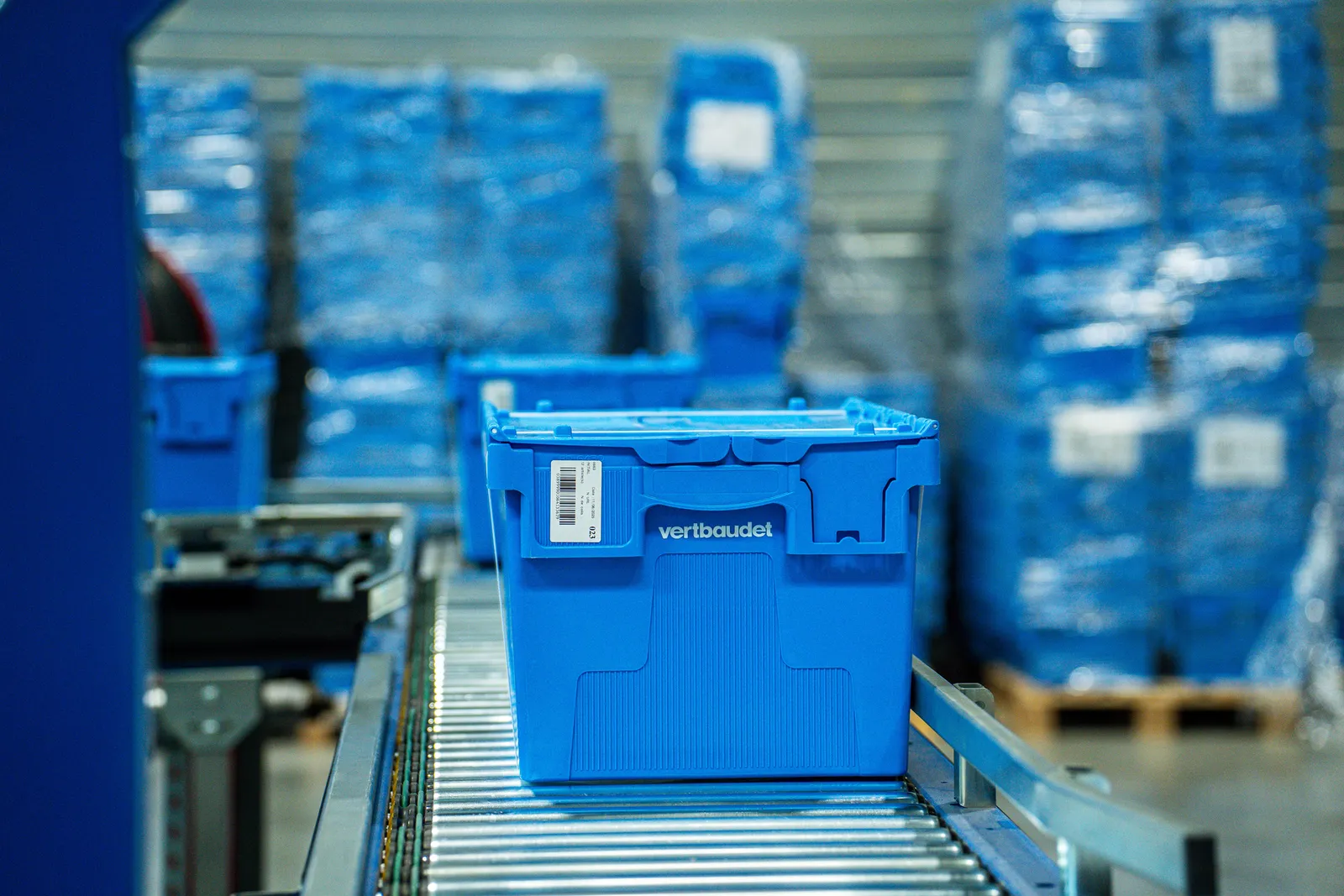
Efficiency is about more than service life; it also matters in transport. Foldable systems such as sleeve packs play a key role here. “Transporting empty packaging is often pure inefficiency. With foldable solutions, you can carry up to ten times as much volume in the same space.”
That directly translates into fewer transport movements, lower costs and a smaller environmental footprint. “You save not only on logistics costs, but also on CO2 emissions. That puts your company in a stronger position when bidding for contracts and meeting customer requirements, which increasingly focus on this.”
Hygiene and circularity
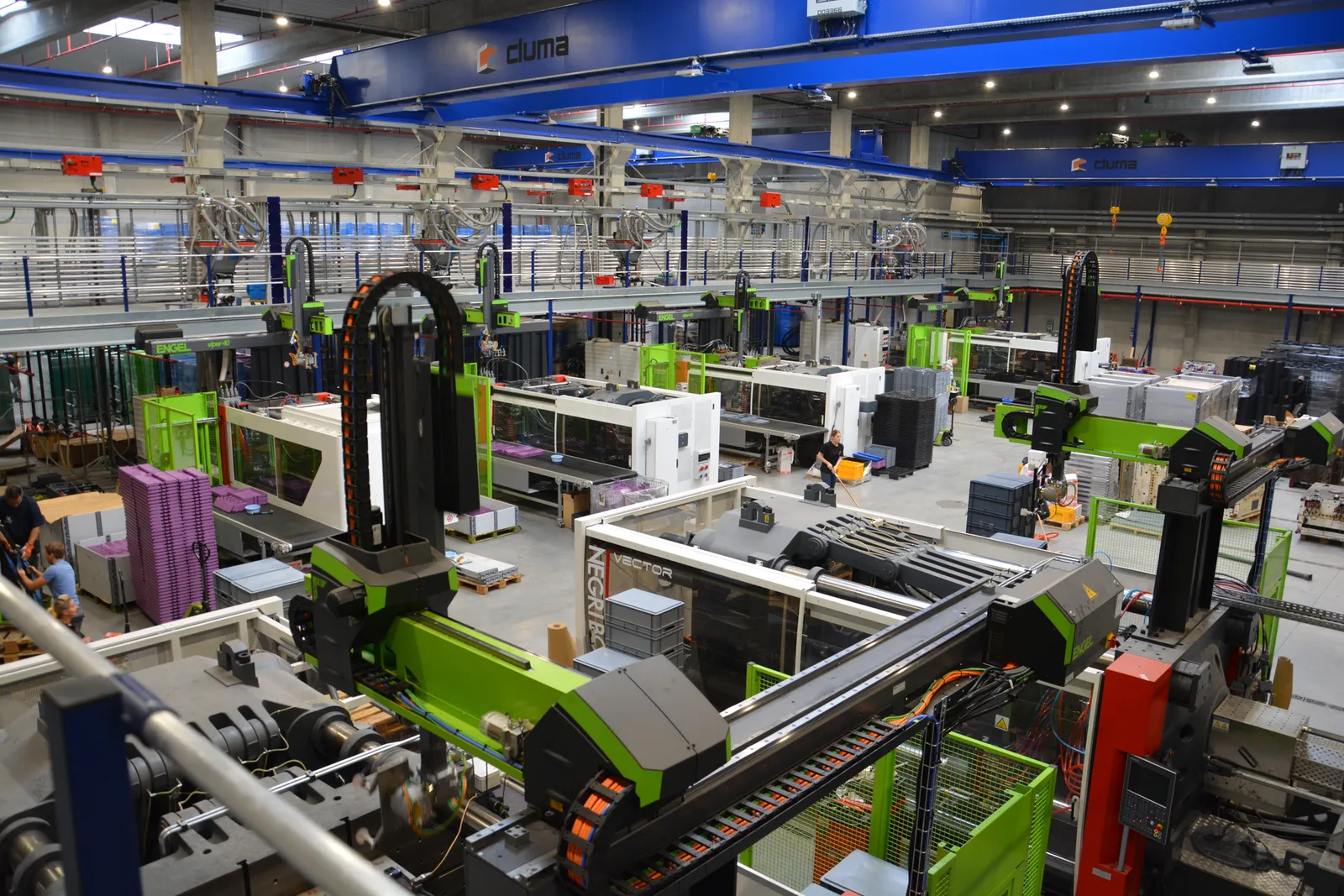
The product range deliberately uses different material streams, depending on the application. For the food sector, new, or ‘virgin’, material is used to meet strict hygiene and certification standards.
At the same time, recycled material is used wherever possible for other applications. “We take back damaged bins, grind them down and process them into new products. That keeps the raw material in the chain.” According to van Sas, this dual approach, food-safe where necessary and circular wherever possible, is essential to meeting a wide range of customer needs.
One striking feature is the extent to which product development is driven by the specific needs of different sectors. “Today, there is a tailored crate for every industry. This applies to everything from dimensions to load capacity and functionality. It is the result of our dedicated R&D department and close collaboration with our customers.”
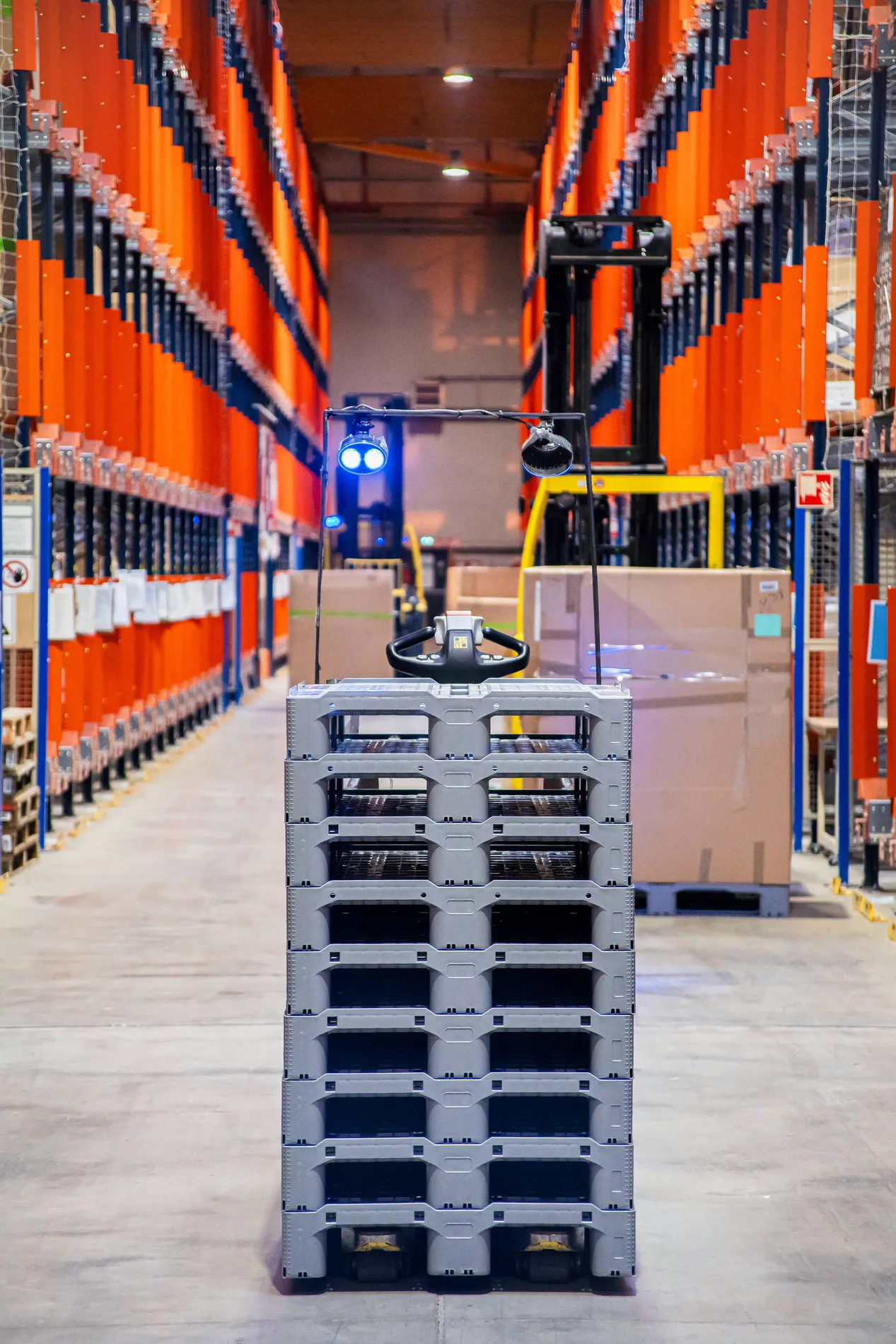
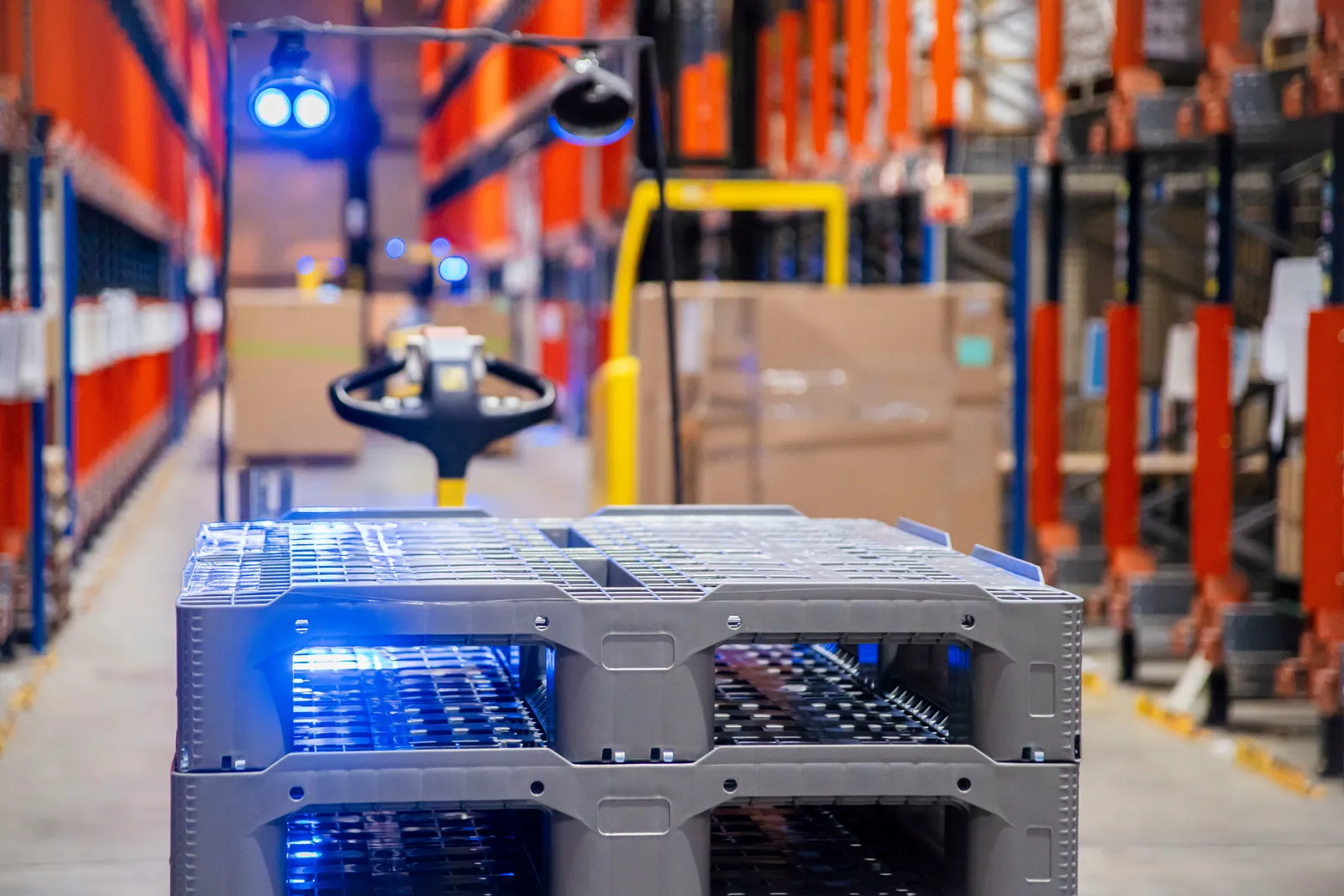
New developments fit seamlessly with this approach. For example, the company has developed a lightweight plastic alternative to the traditional wooden Euro pallet. “Wood has its drawbacks: it gets wet, becomes heavier and can develop mould. Plastic remains stable and is more hygienic. It is also better suited to automated environments.”
Gaps are also being filled in the existing range, for example with intermediate load-capacity options. “Not every application needs a heavy-duty or ultra-light solution. That distinction makes a difference in practice.”
Automation requires preparation
The rise of automated warehouses places additional demands on load carriers. Gamma-Wopla is responding with specific bins designed for automation, for example with integrated scanning capabilities. “It remains a complex market, though,” van Sas notes. “Automation requires major investment and long-term planning. Many companies are still in a transition phase.”
Moreover, decisions about automation are often made at an early stage of new-build projects. “If you’re not involved from the outset, you’re often too late. That’s why we deliberately position ourselves as a partner who works with our customers from an early stage, rather than simply as a supplier.”
Growing with the market
What becomes clear from the conversation with van Sas is that load carriers are much more than a commodity. They play a strategic role in cost control, sustainability and operational efficiency. “Our products may look simple,” he says, “but an enormous amount of thought goes into them. And that is where the added value lies: developing solutions that really work in practice.”
By combining circular materials, considered product development and a focus on logistics optimisation, the company positions itself as a partner in the wider supply chain challenges businesses face today. Or, as Eddy van Sas sums it up: “When you get it right, no value is lost along the way.”
Question about this story? Ask your question
Keep following this
Get an email when a new story is published. No account needed.
- ThemeThe supply chain under pressure
- SubjectGeneral







