What solutions does Philippe Degraef (Febetra) see for filling vacancies in logistics and transport?
Text Febetra / Geert Van Cauwenberge Beeld Febetra
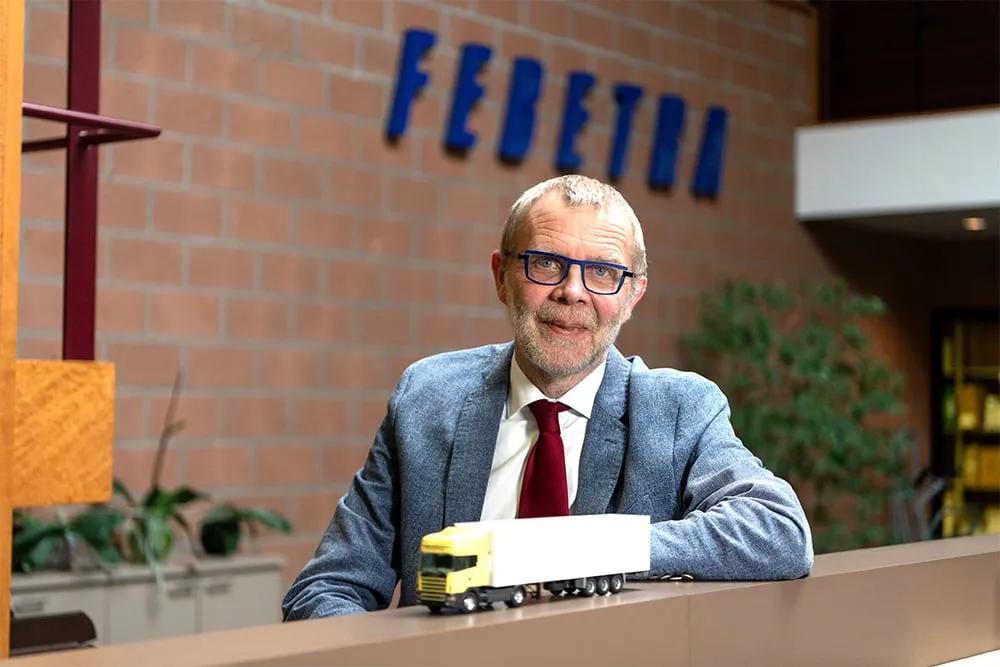
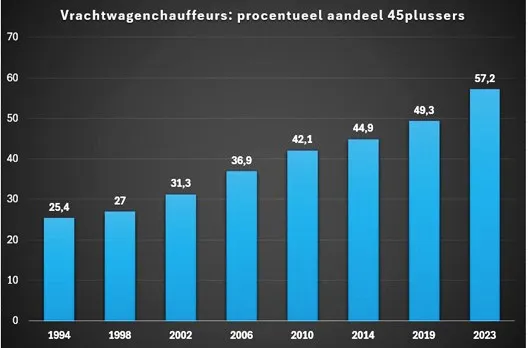
Thirty years ago, one in four lorry drivers in our country was over 45. Today, that share has risen to no less than 57.2%. This trend is not helping transport companies fill vacancies for drivers. How does Philippe Degraef, director of Febetra, view this labour market phenomenon? How, in his view, can targeted labour migration be part of the solution?
According to Febetra’s director, there is no miracle solution to the labour shortage. “If there were, it would obviously have been implemented long ago. Even if, through people working for longer and the activation of unemployed people, the long-term sick and those who are economically inactive, we manage to raise the employment rate to 80 per cent, that still will not be enough to address the labour shortage.” The demographic outlook is hardly encouraging. “The working-age population in our country will not grow over the next twenty years,” says Philippe Degraef. “For every ten employees who retire, only eight newcomers are ready to take over their jobs. Above all, let’s not ignore this demographic reality.”

No silver bullet
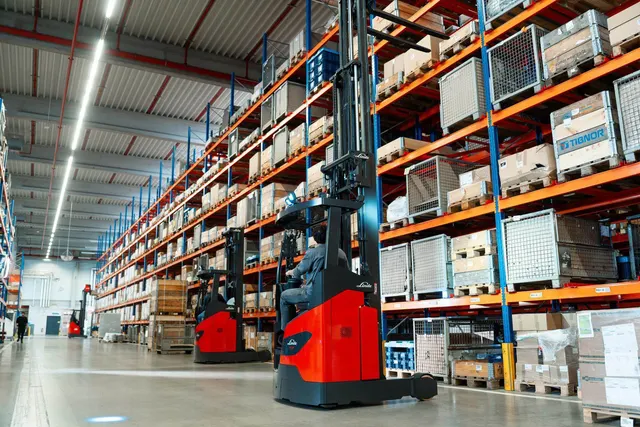
Some of the solution may come from digitalisation and automation. Philippe Degraef says: “Some activities lend themselves to this better than others. In a warehouse, it is certainly feasible to replace human labour with machines and software. Self-driving lorries, on the other hand, will at best provide relief in the distant future. The necessary technology is progressing well, but the legal framework still has to be developed almost entirely.”
Talent from non-EU countries
According to Philippe Degraef, targeted labour migration from outside the EU is politically very sensitive, especially for lower-skilled jobs. “But that is no reason to dismiss labour migration out of hand. For specific shortage occupations, such as lorry drivers, economic migration from countries with a surplus of workers is becoming necessary to address the structural labour shortage. To immediately put a stop to any suggestion of social dumping, Febetra emphasises that foreign workers must, of course, have the same employment contract and enjoy the same pay and working conditions as their Belgian colleagues. This creates a level playing field for all the parties involved.”
A win-win-win solution
Philippe Degraef says: “Contrary to what some people claim, migration is not necessarily a cost. Targeted economic migration can indeed be a win-win-win solution. Transport companies can increase their turnover, while migrant workers can make a useful contribution and earn a decent wage under Belgian pay conditions. Society also benefits from the additional social security contributions. Those contributions would, of course, not be generated if foreign workers were employed here through posting or all kinds of shady arrangements.”
Question about this story? Ask your question
Keep following this
Get an email when a new story is published. No account needed.
- SubjectTransport