82% of Dutch and Belgian companies fear transport management systems will fall short over the next five years
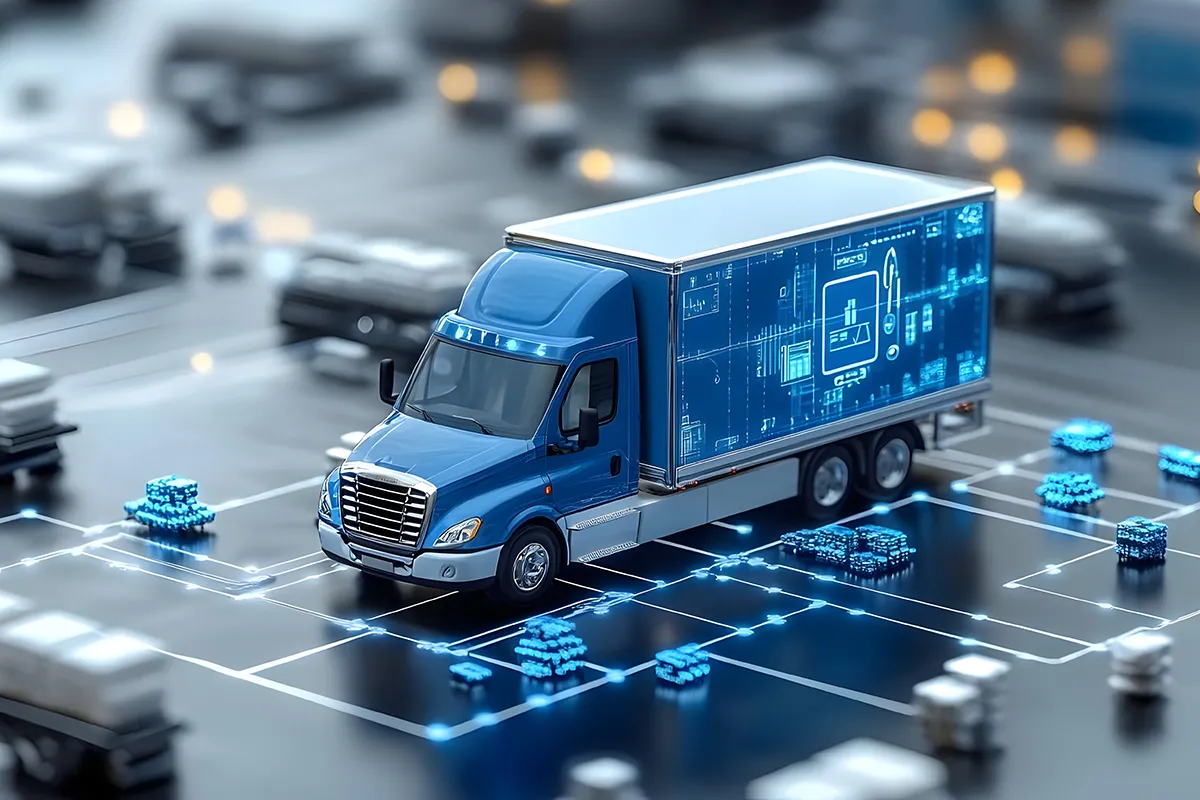
As many as 82% of Dutch and Belgian companies expect their current transport management systems (TMS) to be unable to meet modern requirements for speed, capacity and cost reduction over the next five years. This is according to research by Manhattan Associates and research firm Vanson Bourne.
Strategic value recognised, but major challenges remain
The strategic value of transport management is undisputed: 80% see it as crucial to success, rising to 87% over the next five years. Yet companies point to major challenges: compliance with sustainability requirements (47%), rising fuel and driver costs (37%) and limitations in information systems (37%) are cited as the main risks.
Lack of visibility
Companies often lack the insights they need to act proactively. More than half (55%) cannot link inbound shipments to dock and warehouse planning, while 51% cannot reroute shipments in time or resolve carrier issues before they escalate.
The integration of transport management systems with other supply chain management processes is also lagging. Only 55% of organisations have a complete, real-time connection with other systems. Respondents see integration with inventory planning (69%), order management (59%) and warehouse management (55%) as significant opportunities.
High expectations for AI, but there is still work to do
Although 60% of companies expect to use fully autonomous agentic AI to achieve specific goals within five years, only 22% have already deeply integrated AI and machine learning into their transport processes. The main barriers are integration issues (50%), data quality and availability (42%) and high implementation and usage costs (41%).
Sustainability: reporting is not enough
More than half of companies (56%) say they already report fully in accordance with the Corporate Sustainability Reporting Directive (CSRD). However, this does not automatically mean they are taking steps towards more sustainable transport. Practical action on sustainability is lagging: only 39% have introduced or are considering sustainable fuel options, while 9% do not measure their own CO₂ emissions at all.
“Organisations in the Netherlands and Belgium are at a crossroads,” says Pieter Van den Broecke, EMEA Leader Supply Chain Strategies at Manhattan. “The pressure to deliver faster, smarter and more sustainably is mounting, but many companies lack visibility. This is partly because TMS solutions are not well integrated with other supply chain management solutions, and companies still have work to do when it comes to AI adoption. The next five years will be crucial to making transport management fit for the future.”
See all the results of the research here.
About the research
The research was conducted by Vanson Bourne among 150 senior decision-makers in the Netherlands and Belgium, across sectors including manufacturing, retail, wholesale, consumer goods, food and drink. All organisations have annual revenues of at least $750 million.
Een zakelijke vraag aan Manhattan Associates Europe B.V.? Get in touch
Companies in this story
Keep following this
Get an email when a new story is published. No account needed.
- ThemeTaking control of logistics processes
- SubjectTransport
- CompanyManhattan Associates Europe B.V.