‘Electric driving just works on the Maasvlakte’
Text Armand Landman Images Huibert van den Bos
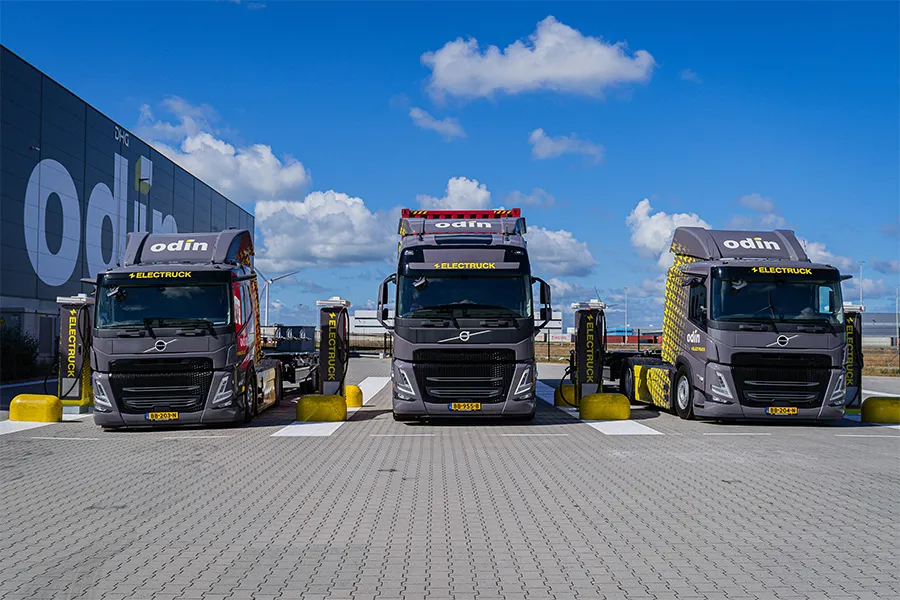
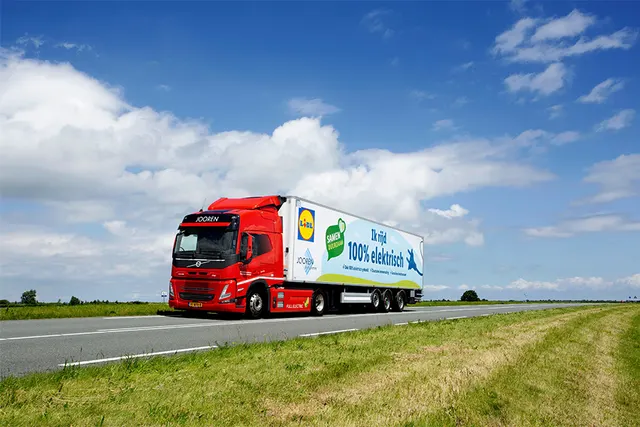
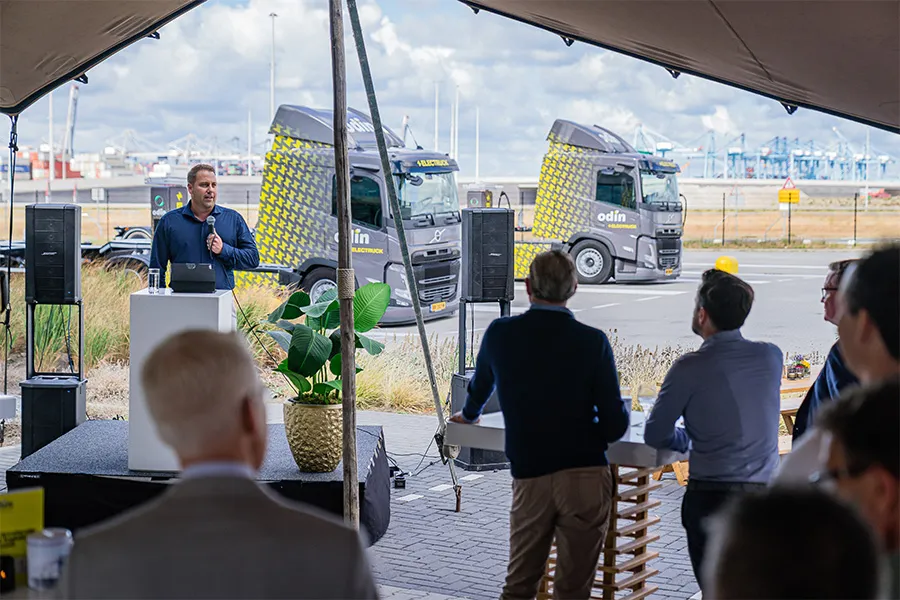
With 185,000 square metres of warehouse space in the Port of Rotterdam, most of it on the Maasvlakte, Odin Warehousing is one of the larger logistics operators in the port area. The company handles the unloading, loading, customs clearance and onward transport of container cargo to the hinterland. As sustainability becomes increasingly important in logistics, Odin is now taking a major step: deploying three fully electric Volvo trucks, supported by its own charging hub with six charging points.
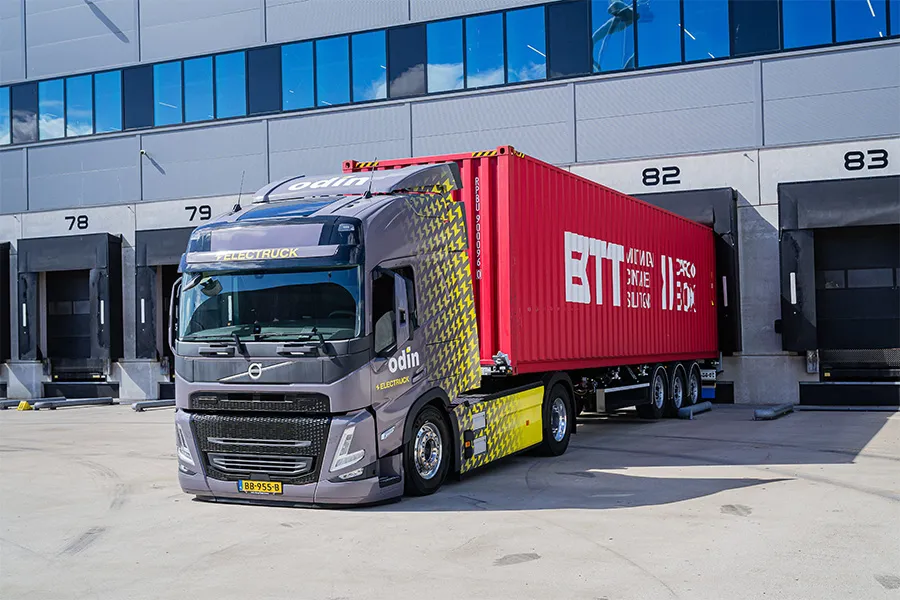
Odin’s location, just a stone’s throw from the container terminals, makes it ideally suited to electric transport. The limited range of electric trucks is no obstacle here: the short trips to and from the terminals are ideal for zero-emission vehicles. The move also gives Odin greater control over a crucial process. As congestion at the terminals increased, it became increasingly difficult to get containers out on time during the day. By operating at night and using its own trucks, the company can manage this process more effectively and make it more sustainable.
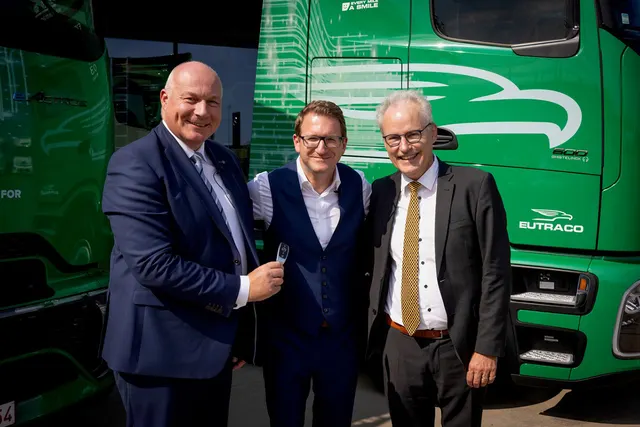
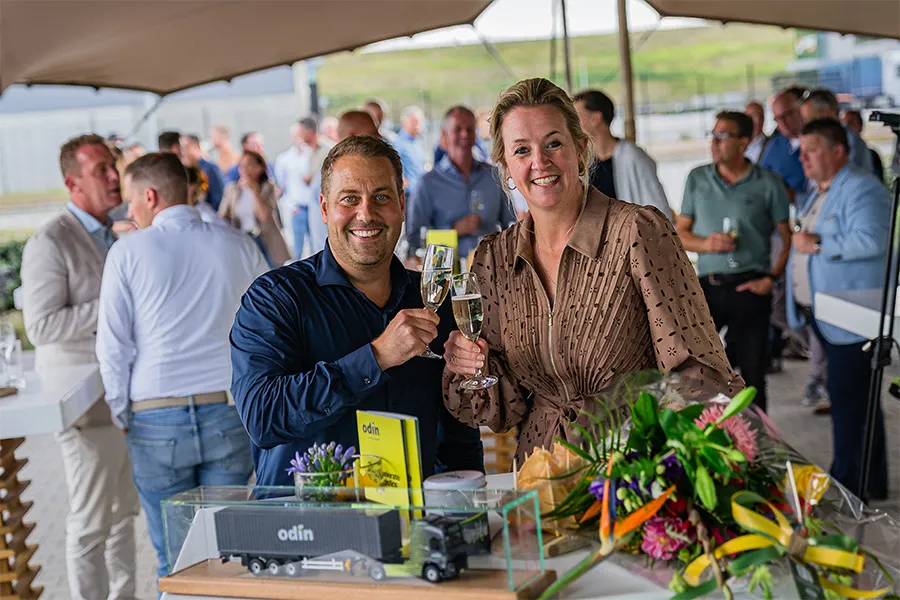
The Port of Rotterdam Authority also sees Odin’s move as an important development. It encourages initiatives that contribute to zero-emission port logistics and is supporting the new charging hub. The facility is being officially opened by the Authority’s COO. The port also wants the hub to be available not only to Odin, but to other carriers as well.
Warehouse & Logistics spoke to managing director Alain Grotenhuis about the reasons behind the decision, the response from drivers and customers, and the company’s ambitions for the future.
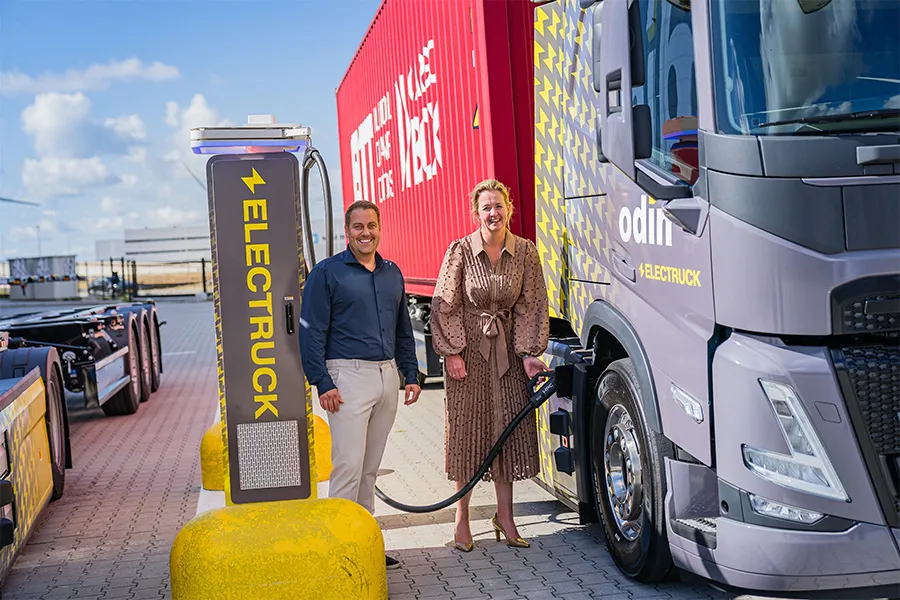
Why did Odin decide to deploy its own electric trucks?
“Until recently, we used a regular carrier for container transport. But the world is changing fast. The focus on sustainability is growing, and our warehouses are already CO2-neutral. What’s more, congestion at the container terminals during the day is increasing sharply, making it harder to collect containers on time. So we wanted to switch to night-time operations. Because we’re literally next to the terminals, this was the perfect time to deploy our own trucks. Electric trucks work perfectly for this: despite their more limited range compared with diesel trucks, we can make all the trips we need to.”
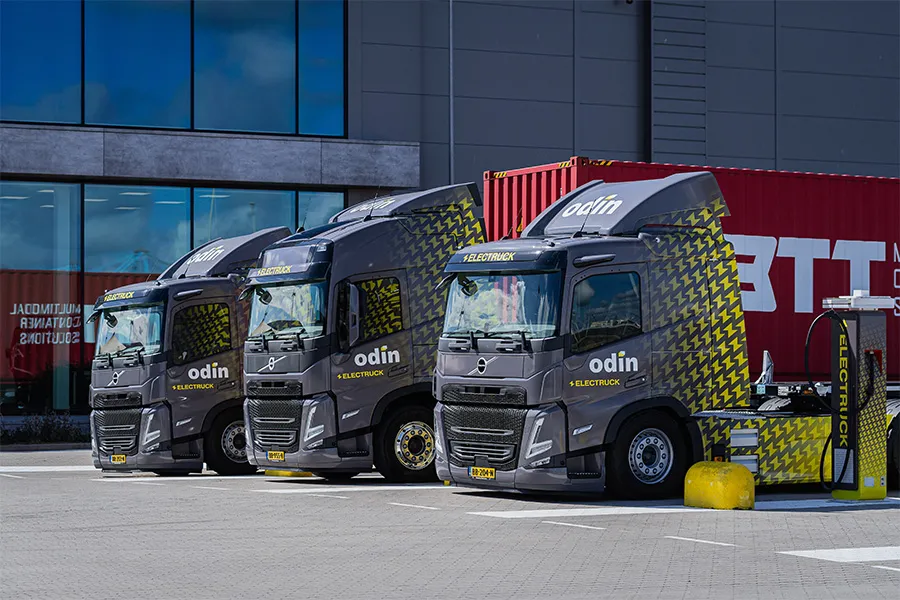
That also requires your own charging infrastructure. How did you arrange that?
“We developed our own charging facility with six charging points. That means we don’t depend on third parties, as there isn’t enough capacity in the port yet. We now have three trucks on the road, and our ambition is to at least double that number soon.”
How did the drivers respond?
“I hear that they’re surprisingly pleasant to drive. Less jolting, very quiet, and they have all the latest technology. I had a short go myself on our site, without a container behind me, and it felt almost like driving an automatic car. Just wider.”
What does this mean for customers?
“Although the CSRD rules are on hold for now, we’re seeing a lot of interest from large companies. We’re no more expensive than diesel transport, and our costs have remained competitive. That means we can switch to electric driving without raising prices. It’s an attractive proposition for customers: they can make their inbound logistics greener without paying more.”
You mentioned the charging hub. Will it also be open to others?
“The Port of Rotterdam Authority was keen for that to happen. At first we were a little hesitant, but we also feel this isn’t something you do just for yourself. So we’re going to open the hub to the public. The permit application is under way. Commercial rates will apply, but, to be honest, there are still relatively few electric trucks, so you won’t get rich from it. You do it above all to do the right thing and help move the sector forward.”
Why did you choose Volvo?
“As far as we could tell, Volvo has the most experience with electric trucks. They were open and honest, which suited us well. They also helped us explore leasing options. They said themselves: ‘We may have only six years’ experience with electric trucks, but in that time we’ve clocked up millions of kilometres’. We really liked that attitude.”
Are you proud of what you’ve achieved?
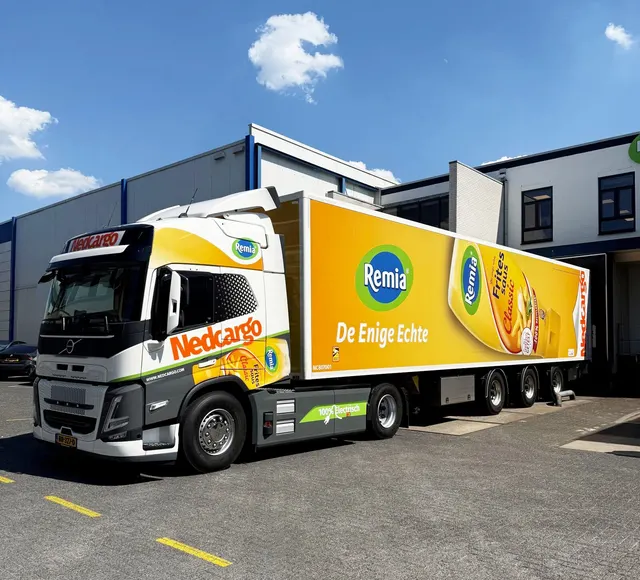
“Yes, absolutely. We’re getting a lot of interest from new customers, and the whole package just works. The trucks have smart livery, the charging facility is up and running, and it fits the way we want to do business. I’m genuinely proud of it.”
Question about this story? Ask your question
Keep following this
Get an email when a new story is published. No account needed.
- ThemeLower-emission transport
- SubjectTransport