What policy priorities does Philippe Degraef (Febetra) see for a resilient transport sector?
Text Philippe Degraef / Geert Van Cauwenberge Image Febetra / Pxhere
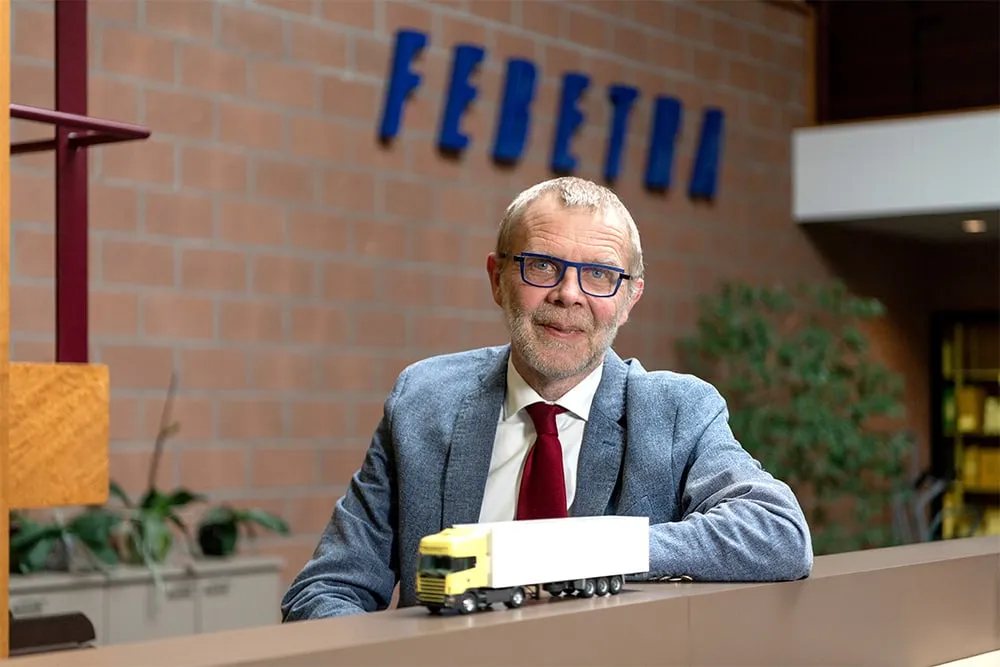
Elections were held in our country on 9 June 2024, with some rather surprising results. In the French-speaking part of the country in particular, a fresh breeze seems to be blowing, opening the door to a more business-friendly climate. A new government was quickly installed in Wallonia. The other levels of government also face the difficult task of getting our economy, public finances, labour market and much more back on track.
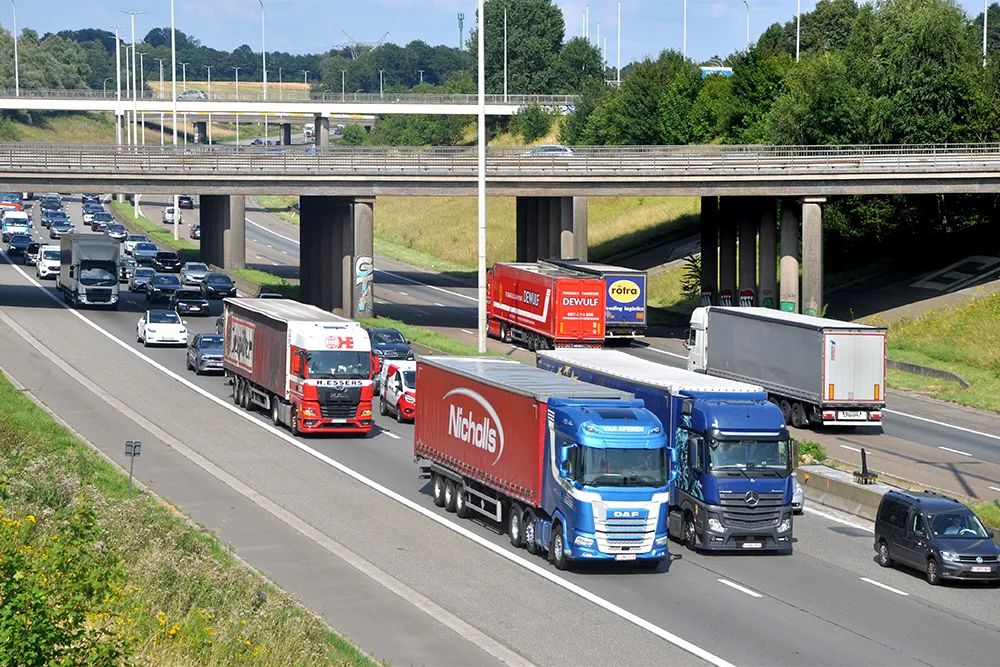
Labour costs are too high
During the last parliamentary term, the Vivaldi government went all out to ensure that citizens had sufficient purchasing power, while passing almost the entire bill for maintaining that purchasing power on to Belgian businesses. This policy has had a major impact on our businesses, which operate internationally and face competition from abroad. Our labour cost disadvantage compared with foreign competitors has only grown. In a sector such as transport, where labour costs are by far the biggest cost item, this is a huge problem.
Especially at a time like this, when shippers are looking for the cheapest possible transport and issuing tenders one after another. Since the enlargement of the European Union, Belgian hauliers have been caught in a downward spiral. To put it very briefly, for two decades they have been, and continue to be, too expensive compared with foreign competitors. This is their main problem and, at the same time, their greatest frustration. Febetra is therefore calling on the new governments to make competitiveness their top and most urgent priority, despite the difficult budgetary circumstances in which Belgium Inc. currently finds itself.
Realism
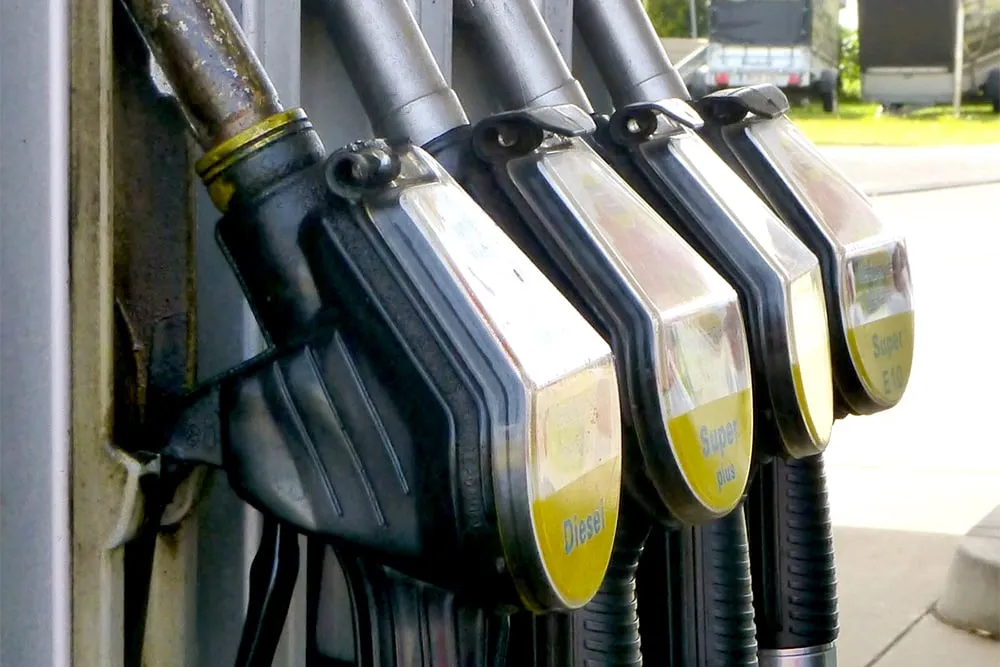
Greening the entire economy will be another Herculean task. It is vital that the timetable set out by politicians is not only practical, but above all remains affordable. Realism and affordability are factors that must be taken into account throughout the climate debate. No one, absolutely no one, can afford to pay through the nose for the transition to greener practices.
Maintaining professional diesel is therefore a matter of existential importance for the transport sector. In the long term, fossil diesel is doomed, and we all need to be aware of that. But organising the funeral of professional diesel now, as some left-wing parties would like, is clearly a step too far for Febetra. Until there are fully viable alternatives financially, operationally and technically, maintaining professional diesel is vital for the nearly 11,000 transport operators in our country. Cutting the sky-high cost of labour and taking a healthy dose of realism to the energy transition: these are the two items at the very top of the Belgian transport sector’s wish list.
Given the urgency and scale of the task, our policymakers would do well to hit the ground running from day one. There is really no time to spend 500 days negotiating in a castle.
Question about this story? Ask your question
Keep following this
Get an email when a new story is published. No account needed.
- SubjectTransport