Philippe Degraef (Febetra) on the need to invest in sustainable logistics
Text Geert Van Cauwenberge Beeld Febetra
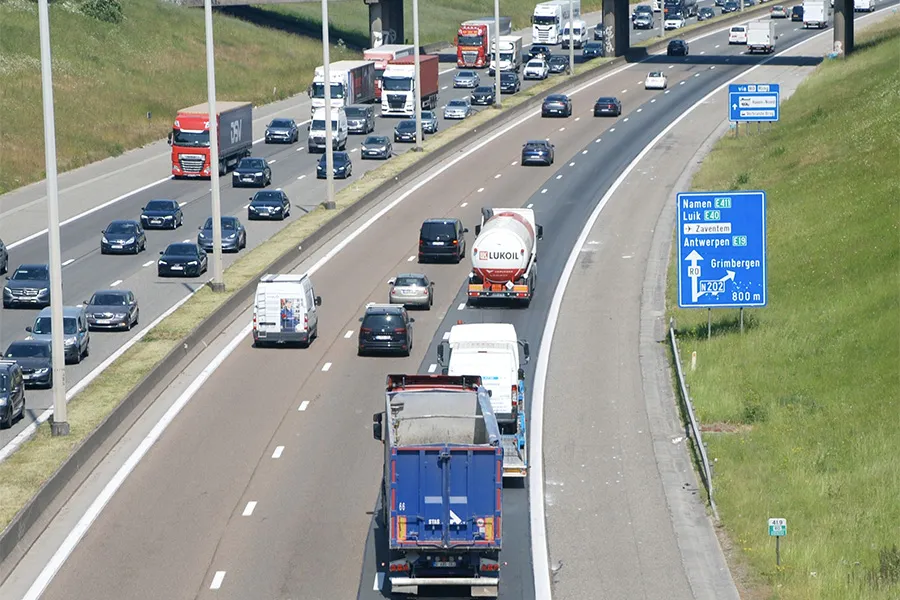
To claim that all is well globally in 2023 when it comes to the climate and the environment is to deny the evidence. As we move towards an energy transition, we all need to work flat out to cut our CO2 emissions and adopt sustainable energy sources. The recovery will be green, that much is certain. But, according to Philippe Degraef, director of Febetra, it is still too often overlooked that this transition will also cost us all a great deal. It is high time to address that uncomfortable truth.
The energy transition is a hot topic around the world. In our country, too, we are increasingly seeing the impact of climate change on society, including more extreme weather, unpredictable harvests, higher food prices and declining biodiversity in our natural environment. “With these warning lights flashing red, it would be irresponsible not to take action towards a sustainable energy transition,” says Degraef. “Switching to sustainable energy sources and reducing CO2 emissions are crucial to tackling climate change and protecting future generations. But this transition will not be plain sailing and will require considerable effort, collaboration and financial resources.”
A supply-chain approach is needed
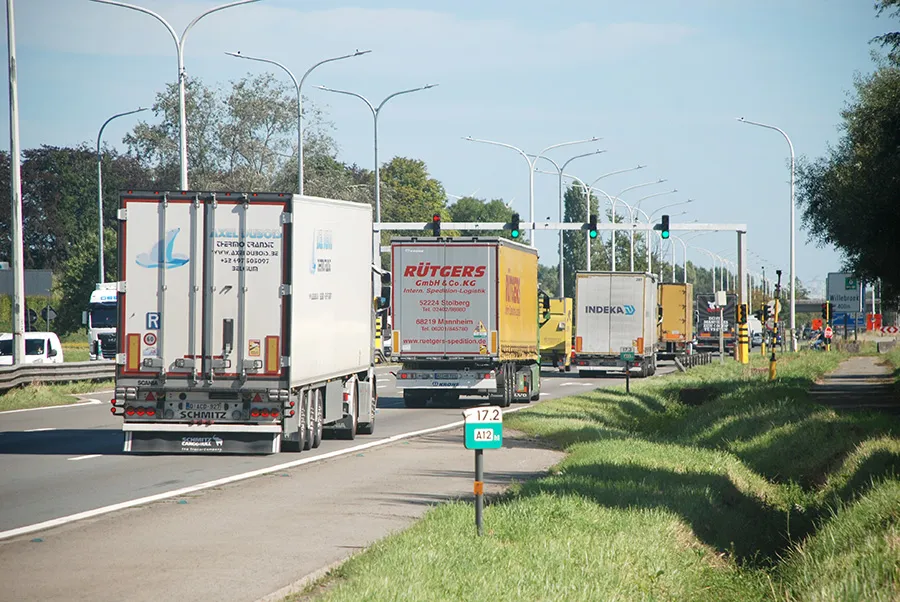
According to Degraef, one thing is certain: in the fight for a cleaner environment and a more stable climate, all stakeholders in society must do their part. As director of Febetra, he is therefore calling for a supply-chain approach, with close collaboration between truck manufacturers, energy suppliers and governments, among others, paving the way for a sustainable transport sector. “The ambitious VIAVIA project launched in March this year by Flemish Minister for Mobility and Public Works Lydia Peeters is part of this strategy,” says Degraef. “Through this project, the minister aims to drive forward greener inland shipping, greener aviation, zero-emission road freight transport, sustainable urban logistics and multimodal corridors.”
A fair share of investment costs
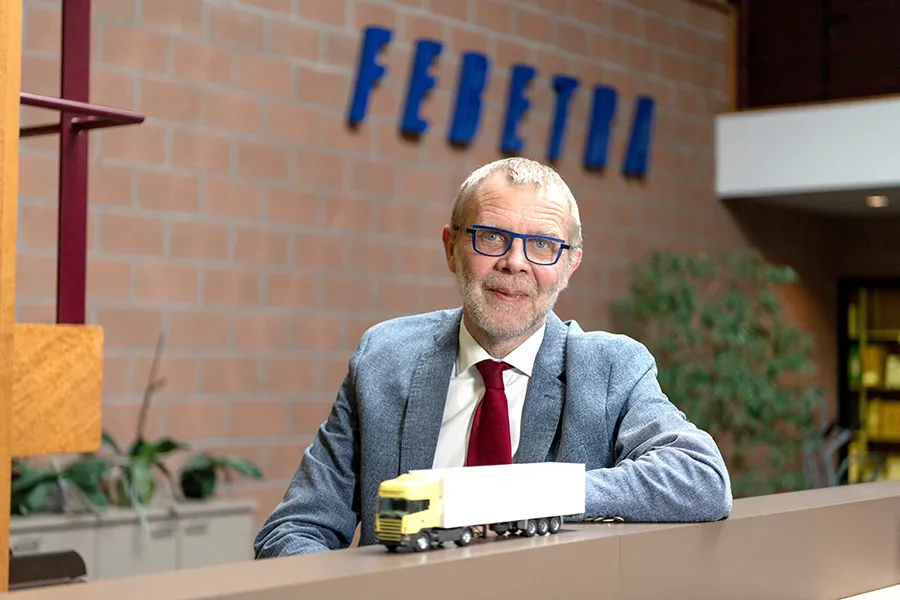
“As a trade federation, we are keen to support these objectives, because zero-emission freight transport and more logistics activity using modes other than road must become the ‘new normal’,” Degraef stresses. “We know the destination, but the road ahead is still full of question marks. Unless we join forces, with truck manufacturers, hauliers, energy suppliers and governments all in the driving seat, there is a risk that efforts to substantially green the transport sector will end up in a dead end. That can never be the aim.”
Everyone must therefore be pulling in the same direction. According to the transport sector’s leading representative, it must also be made clear how the additional investment costs of emission-free logistics will be shared fairly. “It is an illusion to think that making our region climate-resilient can be achieved without major financial investment,” says Degraef. “The uncomfortable truth is that sustainability comes at a price, and everyone in the supply chain will have to dig into their pockets. We are therefore calling for a fair distribution of the financial burden, taking into account the practical challenges facing hauliers and logistics operators.” ■
Question about this story? Ask your question
Keep following this
Get an email when a new story is published. No account needed.
- SubjectTransport