












Partner rather than supplier
Text Ferdi den Bakker Image Easy Systems
Meeting what customers really need today
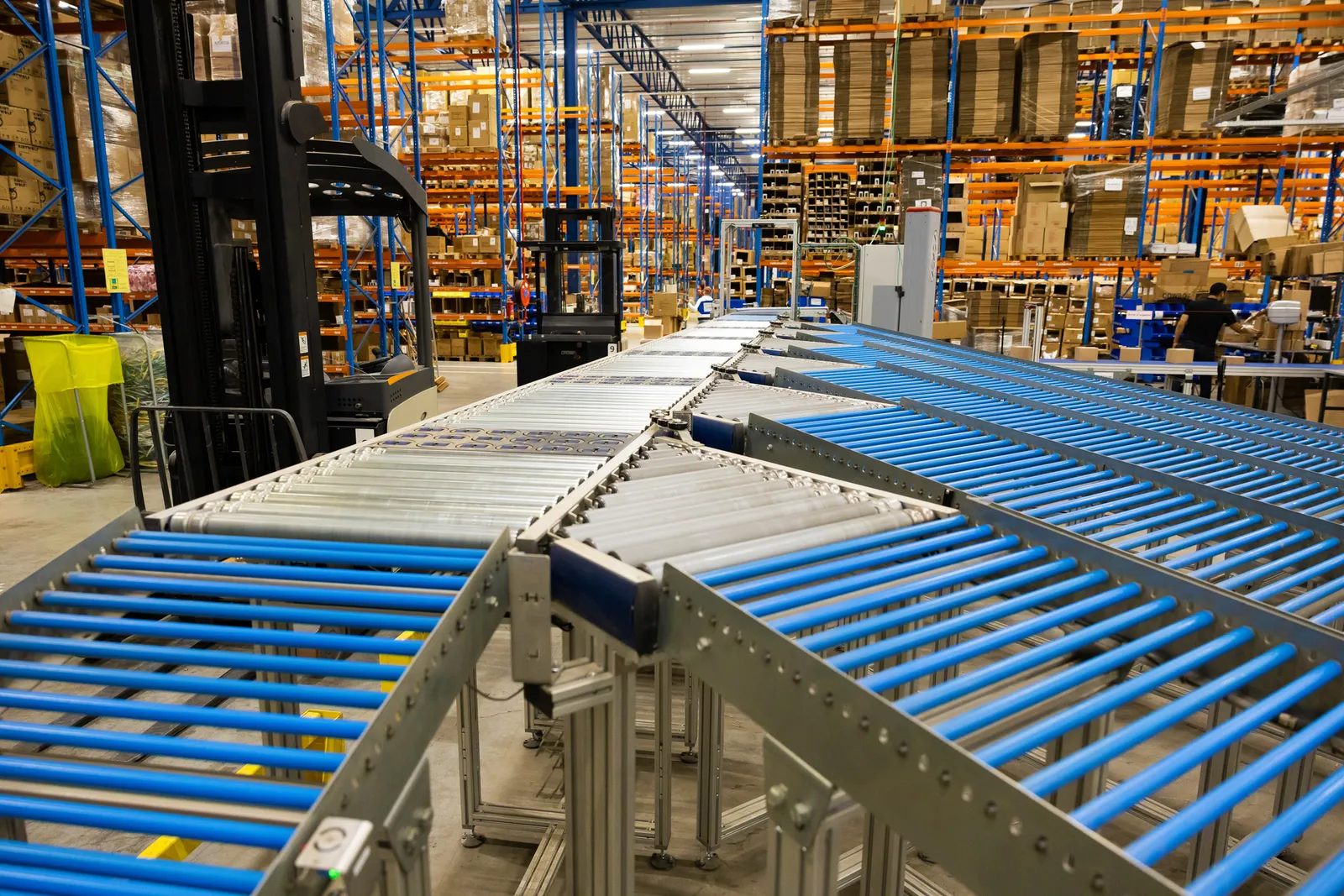
Easy Systems started out as a conveyor supplier and grew into an independent integrator, managing both the mechanical and software aspects of intralogistics projects. This evolution, from standalone conveyors to integrated projects, from products to solutions, from supplier to partner, is no coincidence. It is a response to what the company believes customers really need today: a single point of contact that understands how their operation works and keeps every part of the solution under its own control.
Smaller and medium-sized operations in particular face major challenges, such as making their processes more flexible. The choice is even more important for businesses with limited financial resources. David Taverniers, founder of Easy Systems: “Think of family businesses or entrepreneurs who don’t have the luxury of being able to deploy a solution for another customer straight away if they lose a customer.”
Advice when making decisions
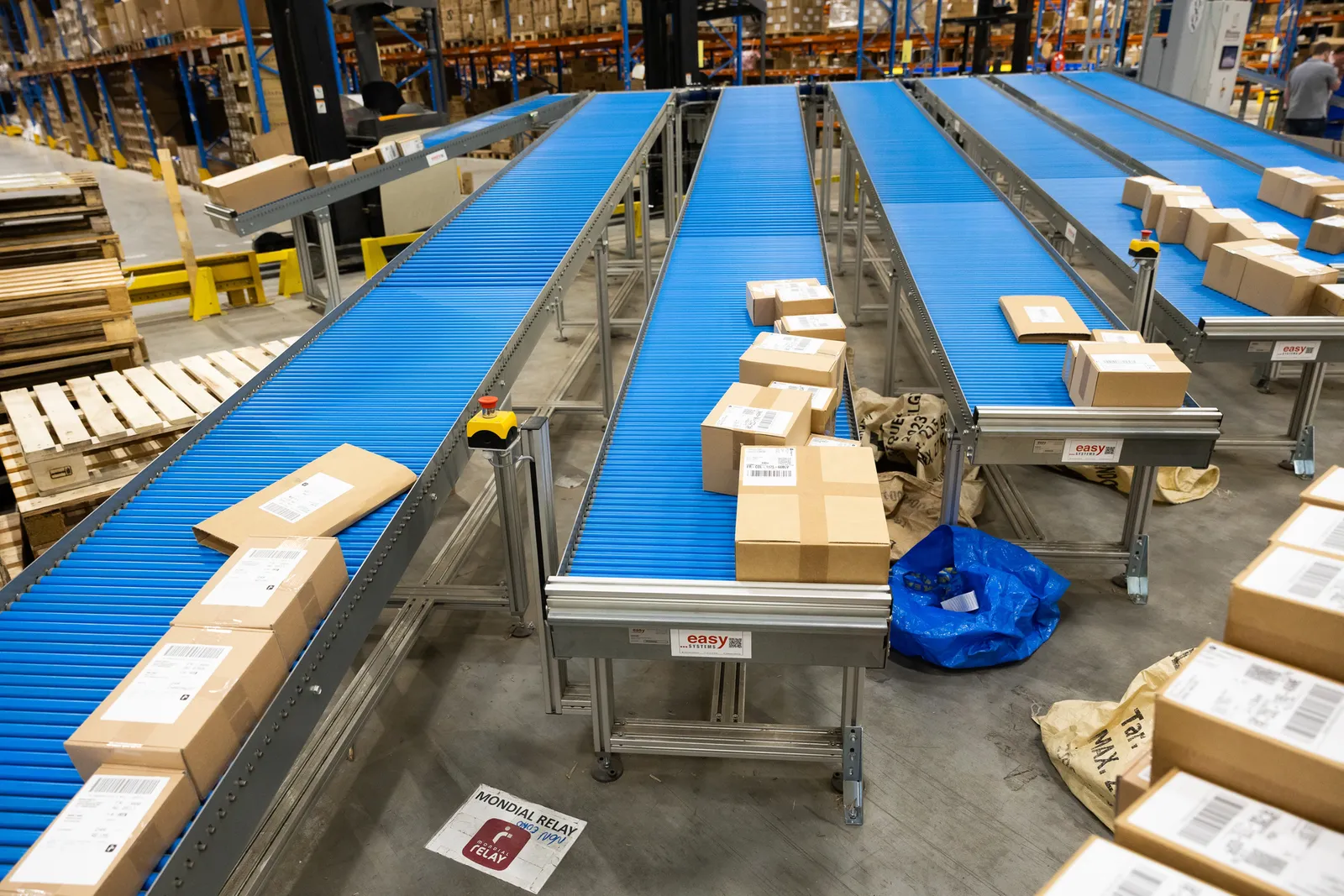
These businesses need to make the right choice, and in many cases they need advice to do so, says Taverniers. “A decision is no longer just about a conveyor, but about combining potentially many different types of technology. Think of conveyors with pushers and weighing units, lines with integrated scanners, labelling and printing units, case erectors and sealers, automated warehouses, palletising systems and AMRs. These also need to work together seamlessly.”
‘Understanding what the customer wants and needs’
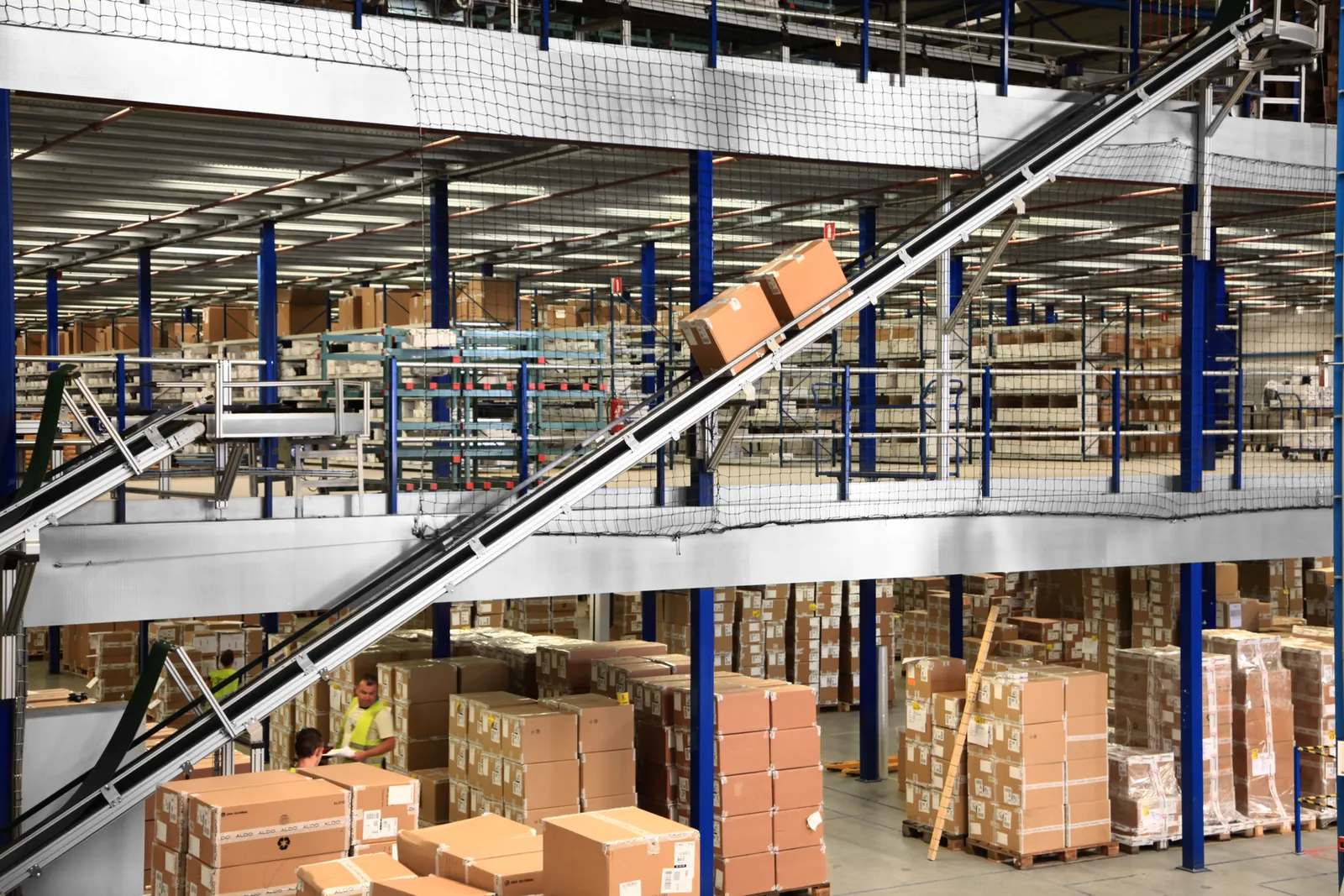
Taverniers: “We need to understand what the customer needs and wants. Only then will a solution have an impact and help a company achieve goals such as its growth targets. Smaller and medium-sized businesses often make choices with a longer-term outlook. Scalability plays a key role.”
Many projects focus on a form of automation or a combination of solutions. “If there isn’t enough money available for a complete transition straight away, it makes sense to draw up an overall plan. The business owner can then take the first step, confident that adding further systems later will result in good integration. This creates a process that is flexible enough to handle, for example, parcels for a pharma or animal feed customer that have the same dimensions and destination in very different ways. The simple reason is that different sectors have different needs.”
Mechanical and software: two sides of the same coin
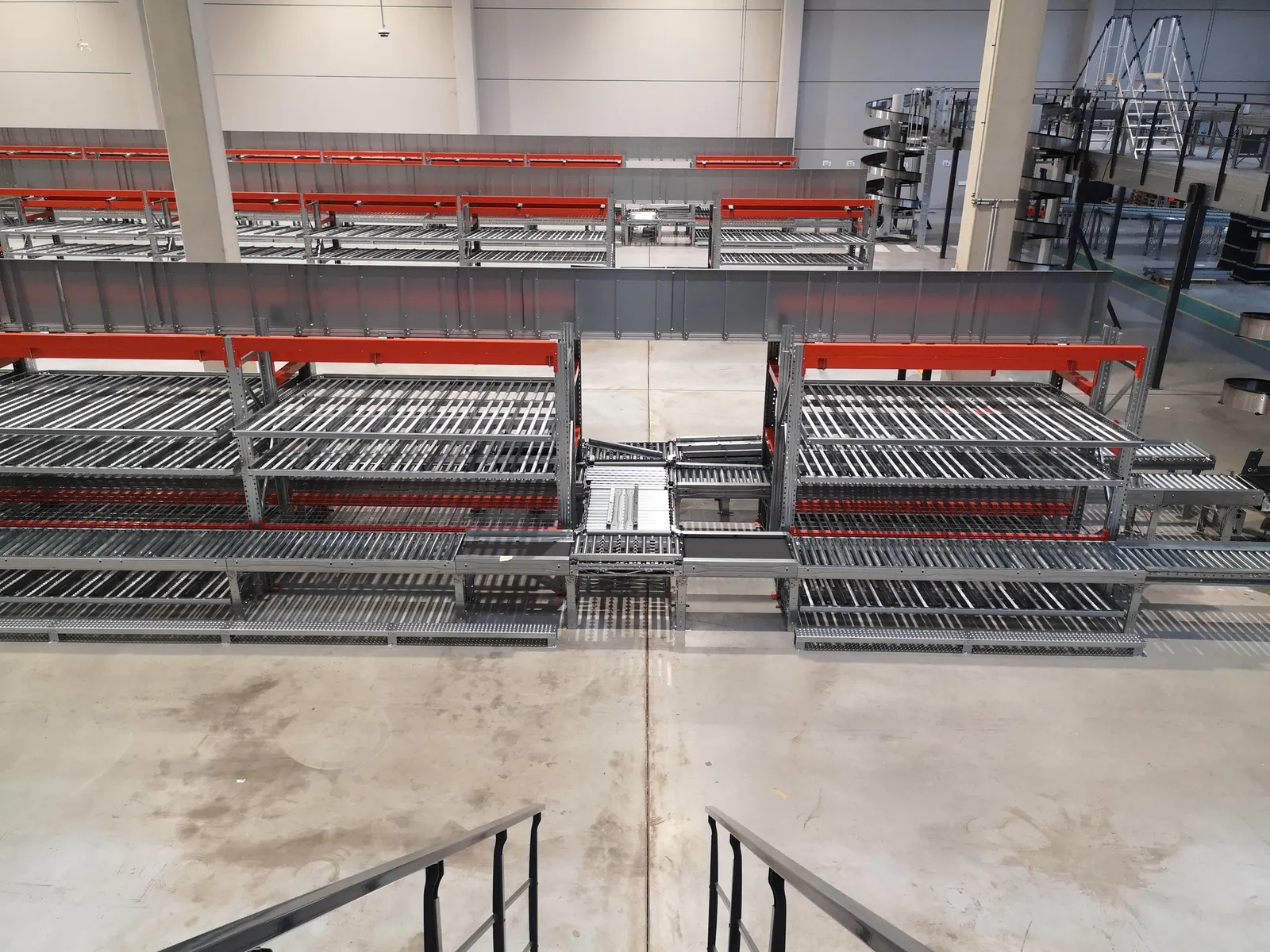
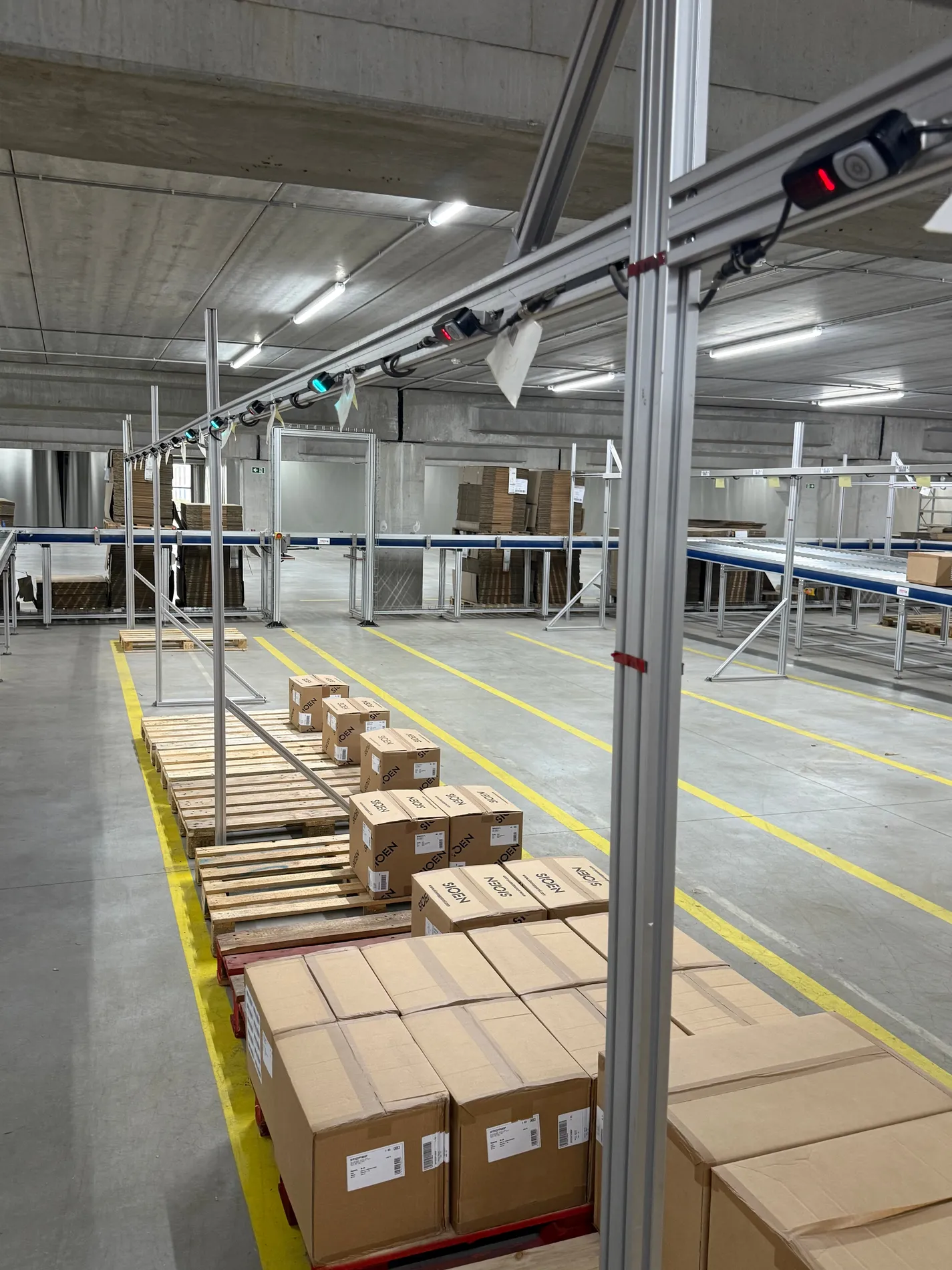
What sets Easy Systems apart from a conventional conveyor supplier is its combination of mechanical expertise and software control. Taverniers gives an example: “Take a sorting system where parcels are placed on a conveyor, weighed and scanned. At that point, the system communicates with the customer’s host ERP system, asking questions such as ‘Is the weight correct?’ and ‘Which exit should this parcel go to?’. That communication between the mechanical and software components is precisely where projects succeed or fail.” In the past, Easy Systems relied on external software companies for this part of the solution. Today, this is handled in collaboration with BOA Concept, its software partner and sister company, which manages all software control and WCS integration in-house.
Scalable, future-proof solutions
In the thirty years Taverniers has worked in logistics, he has seen the sector change considerably. “These days, it’s robots combined with order picking, AI and conveyor technology. But really, anything can be combined if there’s a good plan behind it. We’re very happy to help customers with scalable, future-proof solutions. That’s something we’re good at, according to the feedback we get from customers.”
Question about this story? Ask your question
Keep following this
Get an email when a new story is published. No account needed.
- ThemeAutomating goods flows
- SubjectGeneral







