One in three Dutch people order more online during Black Friday and Cyber Monday than during the rest of the year
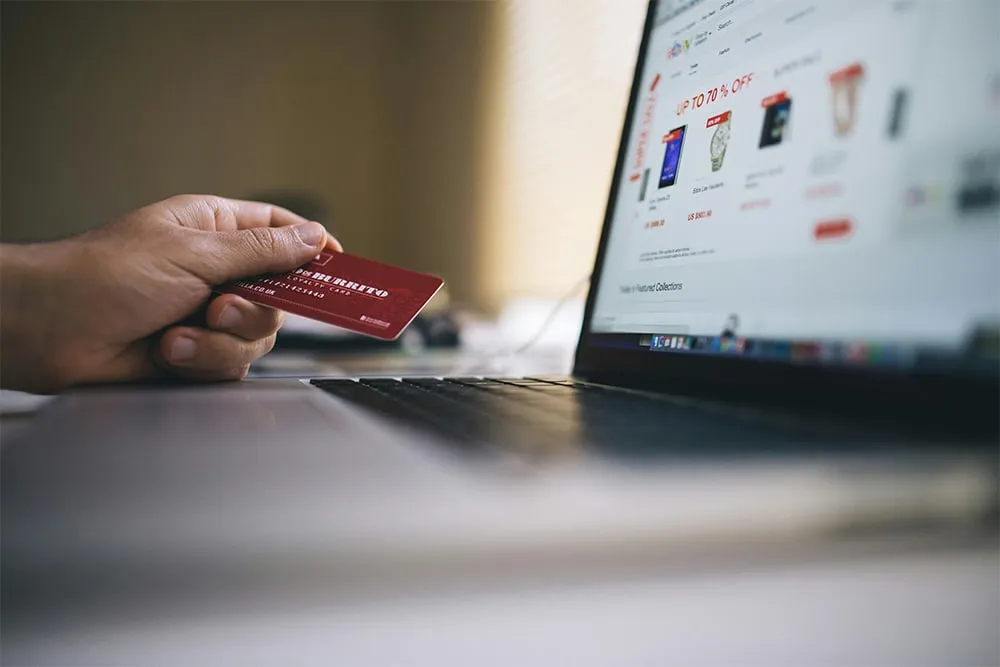
Charging for returns can encourage more conscious shopping: shoppers take longer to think (20%) or only order what they really need (19%)
One in three Dutch people (32%) say they order more online during Black Friday and Cyber Monday than during the rest of the year. Charging for returns on products ordered online can help make consumers more conscious of their shopping habits: 20% of Dutch people say they take a little longer to think before ordering products, while 19% now only order products they really need. This is according to research by Manhattan Associates among 500 Dutch people into their shopping habits and intentions during the period around Black Friday and Cyber Monday.
Dutch shoppers’ intentions around Black Friday and Cyber Monday vary
Black Friday and Cyber Monday have by now become a tradition in the Netherlands. Every year, most online shops offer products at a fraction of their usual retail price. 32% of Dutch people order more online during Black Friday and Cyber Monday than during the rest of the year. 26% often make several purchases during this period. Most people (27%) do their research in advance, keep an eye on offers and wait until Black Friday or Cyber Monday to make a purchase. 19% look for offers on the day itself, while 14% only order something they really need and 12% are open to being surprised on the day.
Returns put retailers under significant pressure
Not everyone keeps the products they order online. In fact, the large number of returns of products ordered online has been a major challenge for retailers for several years. They face high costs to get items ready for resale again, or even have to destroy them. Manhattan therefore also investigated whether Dutch people expect to return products they order during Black Friday or Cyber Monday. Most Dutch people (85%) say they do not expect to return anything, although they cannot rule it out. 6% often order several versions of the same product (e.g. in a different colour or size) to see which they like best, and return the rest. 9% of Dutch people often order different products and decide later whether to keep them all or return some of them.
Return fees make Dutch shoppers think twice
To tackle the problem of returns, a number of retailers, including Wehkamp, have started charging return fees. More than half of Dutch people (54%) think it is reasonable for online shops to do so. Retailers have introduced return fees not only to cover costs, but above all to make consumers more conscious of their own shopping habits. Manhattan investigated whether people expect return fees to affect their own shopping habits. 20% of Dutch people say they take a little longer to think before ordering products, while 19% now only order products they really need. 16% say their shopping habits will only change if they consider the return fees too high, while 15% check whether they can order from a competing online shop that does not charge for returns.
By far most Dutch people are willing to pay return fees
Online shops also need not worry that customers will be unwilling to pay return fees. Only 22% are firmly opposed, while 15% say they would no longer order from the online shop. This means 78% of Dutch people are willing to pay return fees. Asked how much they would pay per returned product, most people chose one euro (18%), two euros (16%), 3 euros (15%) or 50 cents (10%).
Physical shops are attractive return points
And how would Dutch people return products if they could no longer do so free of charge by post, but could return them to a physical shop? 28% would still return them by post, unless the return fee was higher than they were willing to pay. Just 8% would return products by post regardless of the additional cost. No fewer than 45% say they would return products to a physical shop because they would rather not pay anything extra. Physical shops are also popular for other reasons: 12% see returning products in store as an opportunity to buy something new at the same time, while 7% choose a physical shop because they also collected the product there.
Pieter Van den Broecke, EMEA Leader, Supply Chain Commerce Strategies at Manhattan Associates: “Black Friday and Cyber Monday are valuable days for retailers looking to increase sales. At the same time, the number of returns has been getting out of hand for years, not only during this period but throughout the year. The peak in orders may generate higher sales, but it also affects profitability. After all, all returned parcels have to be processed. By charging return fees, retailers can help their customers make more conscious choices and ease the pressure on their warehouse operations. Our research shows that online shops need not worry about losing customers if they start charging return fees. What is more, by drawing greater attention to their physical shops as free return points, they can strengthen customer relationships and boost sales.
Een zakelijke vraag aan Manhattan Associates Europe B.V.? Neem contact op
Bedrijven in dit verhaal

Blijf dit volgen
Bij een nieuw verhaal krijg je een e-mail. Geen account nodig.
- OnderwerpSoftware
- BedrijfManhattan Associates Europe B.V.