The logistics paradox: more demand, less efficiency
The pressure of changing logistics dynamics
Logistics and transport are at a crossroads. The rise of e-commerce and changing consumer behaviour have plunged the sector into a maelstrom of challenges. Where we once could rely on full lorries and long, efficient routes, we now face a reality of smaller, more frequent consignments and shorter delivery times. This fragmentation is logistics’ biggest enemy.
Electrifying logistics is a popular topic of discussion, but we risk overlooking a more fundamental problem. Current technologies are often not viable for hauliers operating on minimal margins and with small fleets. What’s more, electrification in itself will not solve the growing congestion on our roads. We are trying to make our problems electric rather than solving them first.
E-commerce has drastically changed our purchasing behaviour. Consumers order more frequently and in smaller quantities, often without the option of storing goods. This has led to an increase in transport movements, putting further pressure on logistics networks. Traffic jams are getting worse, lorry utilisation is falling and bankruptcies in the sector are on the rise.
To future-proof the sector, we must first focus on smart logistics. This means reducing transport movements and making our logistics processes more efficient. The idea of the ‘physical internet’ offers a solution. By organising transport flows in the same way as data flows on the internet, we can make better use of lorries and manage overall transport capacity more effectively.
The question for the future, then, is not just whether we should electrify, but how we can first make our logistics intelligent. Only once we have taken this step will electrification be worthwhile and viable. It is time to set priorities and strengthen the foundations of our logistics system so that we are prepared for tomorrow’s challenges.
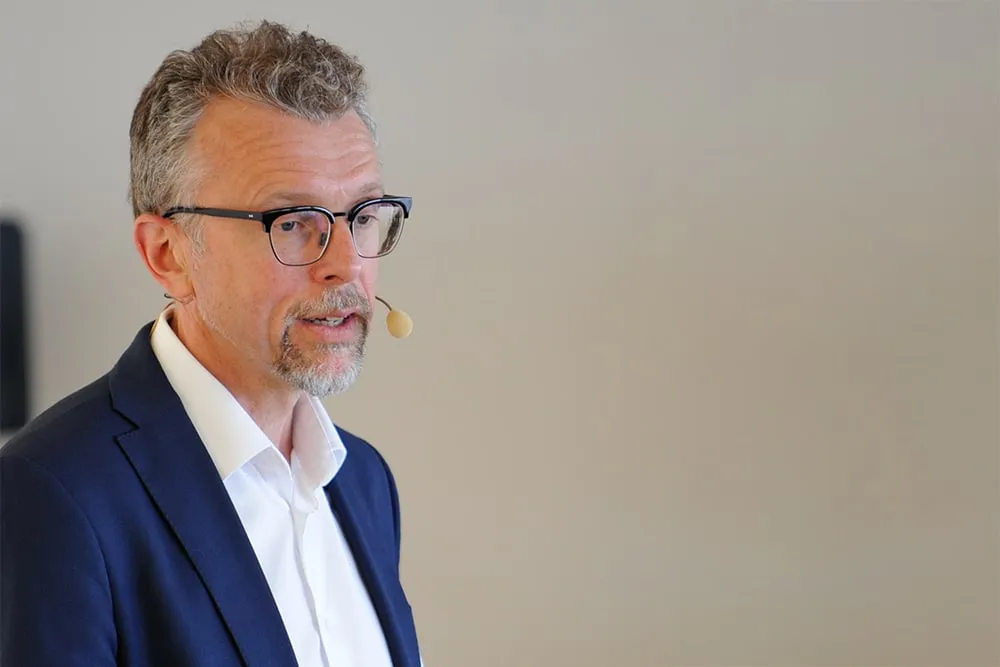
Alex Van Breedam, founder and CEO of TRI-VIZOR, is doing pioneering work and driving disruptive innovation in logistics and supply chain management. As the world’s first independent ‘orchestrator’ of transport and logistics, TRI-VIZOR proactively designs and manages horizontal partnerships and collaborative communities between shippers. By pooling and synchronising freight flows across multiple supply networks, double-digit gains can be achieved in terms of costs, customer service and sustainability.
Alex Van Breedam
founder and CEO, TRI-VIZOR.
Question about this story? Ask your question
Keep following this
Get an email when a new story is published. No account needed.
- SubjectMaterial handling