












Trade association SIGMA represents importers of materials handling and civil engineering machinery
Text Geert Van Cauwenberge Beeld SIGMA

In this magazine, we meet Joëlle Germain, secretary-general of trade association SIGMA. This specialist federation represents the interests of importers of materials handling and civil engineering machinery. It has 73 members in Belgium, together employing more than 3,100 people directly and generating a turnover of €1.6 billion. SIGMA is an important source of expertise and a networking platform for the sector. Joëlle Germain outlines the federation’s work and looks ahead to key trends and challenges.
For many years, SIGMA has been the benchmark for the Belgian market in civil engineering and materials handling machinery. Civil engineering covers, among other things, excavators, construction cranes, breakers, asphalt machinery, concrete formwork and generators, while the Materials Handling section brings together importers of forklift trucks and related accessories. “The acronym SIGMA stands for ‘Syndicat d’Importateurs Général de Matériel Américain’, referring to the import of surplus construction machinery after the Second World War,” explains Joëlle. “The trade association was established in 1947, and the non-profit association was set up in May 1966. Since then, the number of importer members has steadily increased. We now have 73. Around twenty of them belong to the Materials Handling section.”
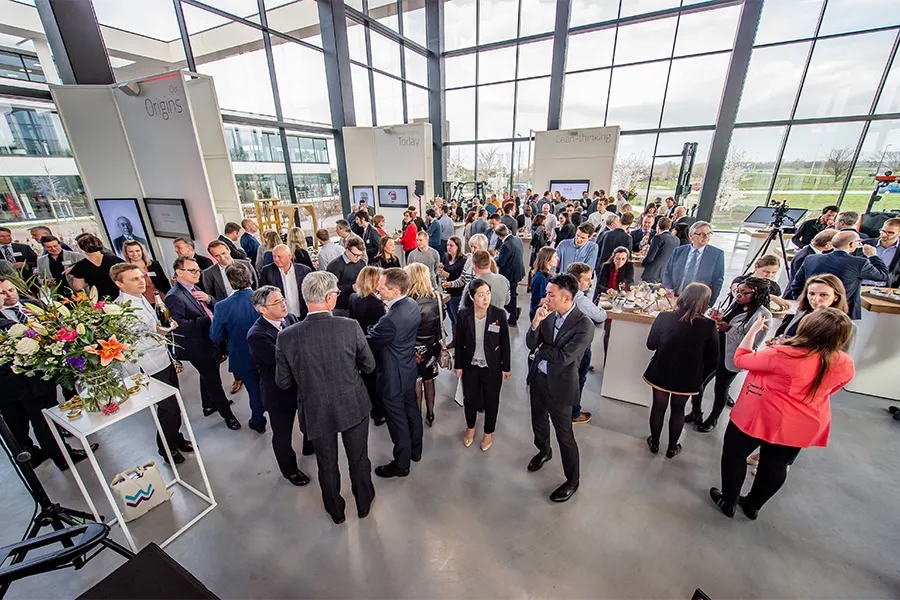
A central point of contact for the sector
Since its establishment after the Second World War, SIGMA has become the preferred point of contact in the civil engineering, construction and materials handling equipment sectors. “In the Civil Engineering/Construction section, we bring together Belgium’s leading companies that market and hire out machinery and equipment for public works, mines and quarries, construction, industry and road building,” says Joëlle.
“Our Materials Handling section focuses on importers of warehouse and forklift trucks, attachments and batteries. In both sections, SIGMA acts as a central point of contact for all members, offering, among other things, one-to-one advice on legal, tax, technical, employment and environmental matters, industry-specific information and template documents. You could think of us as a first port of call for members facing specific business issues.”
Working with TRAXIO
To provide this information, the SIGMA team draws on the expertise of sector federation TRAXIO, which has a professionally developed knowledge centre. “TRAXIO manages the funds of three joint committees, which cover most SIGMA members,” explains Joëlle. Through its own statistics platform, the specialist federation provides its members with a wealth of valuable data on the sector. These figures offer additional guidance when exploring the market and developing a successful business strategy.
“I’d also like to highlight our SIGMACert safety label,” says Joëlle. “We created it in 2011 for forklift trucks, pallet trucks, batteries and concrete pumps. This safety certification gives our members the opportunity to train their employees, who can then combine inspections of these machines at their customers’ premises with an annual service.”
A sector facing challenges
SIGMA is highly valued for keeping its members well informed, vigorously representing their interests and regularly organising events and networking opportunities. “We spare no expense or effort in supporting our members as effectively as possible, particularly because our sector is evolving at breakneck speed,” says Joëlle. “A structural shortage of technical staff is certainly one of the biggest challenges at present. Companies with more than fifty vacancies are, unfortunately, no longer an exception. That is why SIGMA is investing in media campaigns and training to promote our sector’s unique strengths and appeal as effectively as possible.”
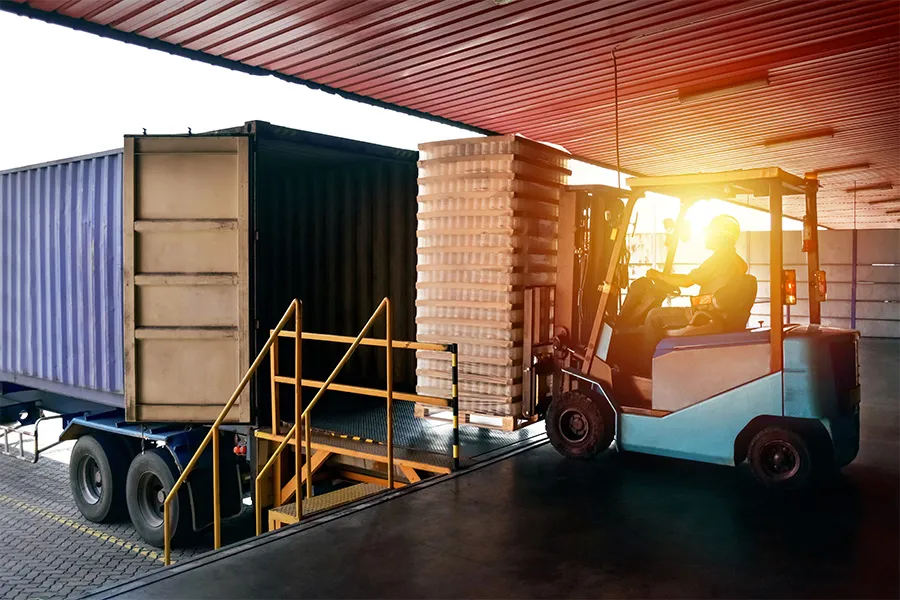
Another challenge in the Materials Handling section is the rise of intelligently controlled forklift trucks. Joëlle says: “The advance of autonomous vehicles is unstoppable, as is the electrification of vehicle fleets. Add to that greater product and system complexity, with connected machines that need to fit into a new warehouse’s ERP system, and you can see why the future of our sector looks so exciting.” ■
Question about this story? Ask your question
Keep following this
Get an email when a new story is published. No account needed.
- SubjectGeneral







