












State Secretary Van Weyenberg visits Staad
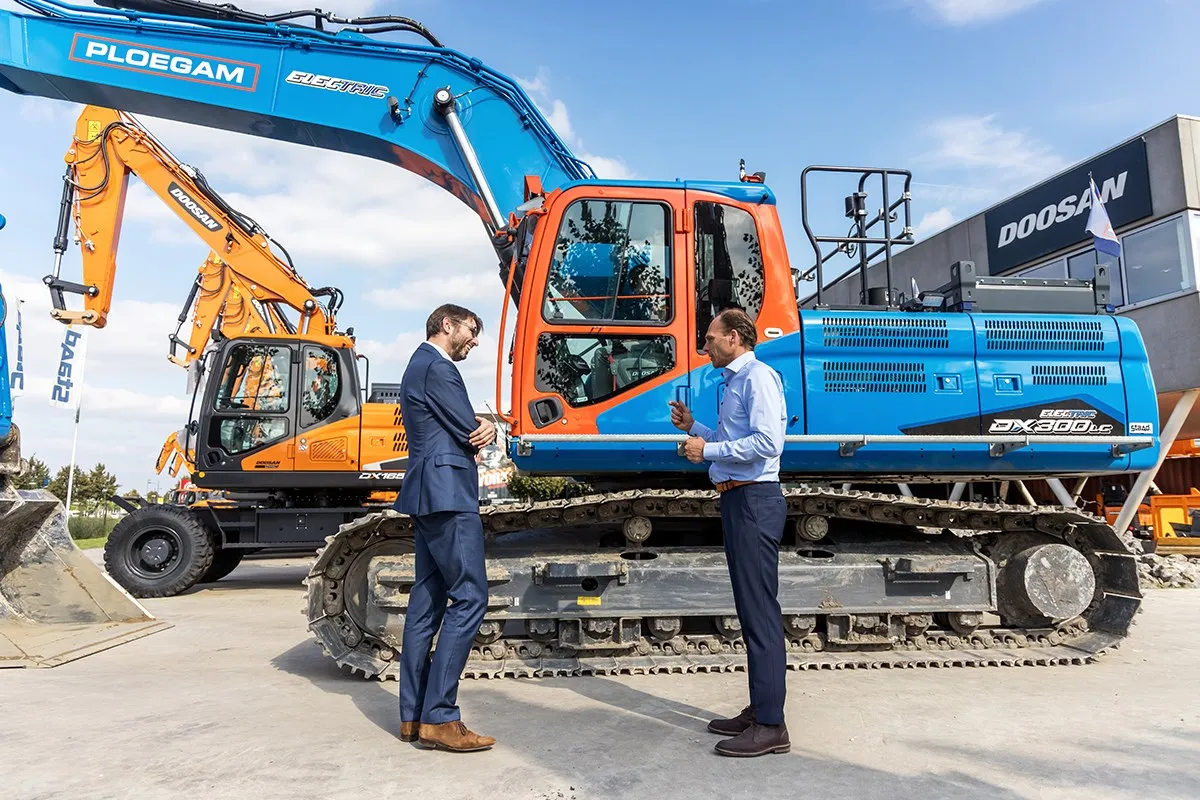
On Monday 20 September, Steven Van Weyenberg, State Secretary for Infrastructure and Water Management, paid a working visit to Staad B.V. During the visit, Pieter Staadegaard, Managing Director of Staad B.V., shared his insights into the market for zero-emission machinery with the State Secretary.
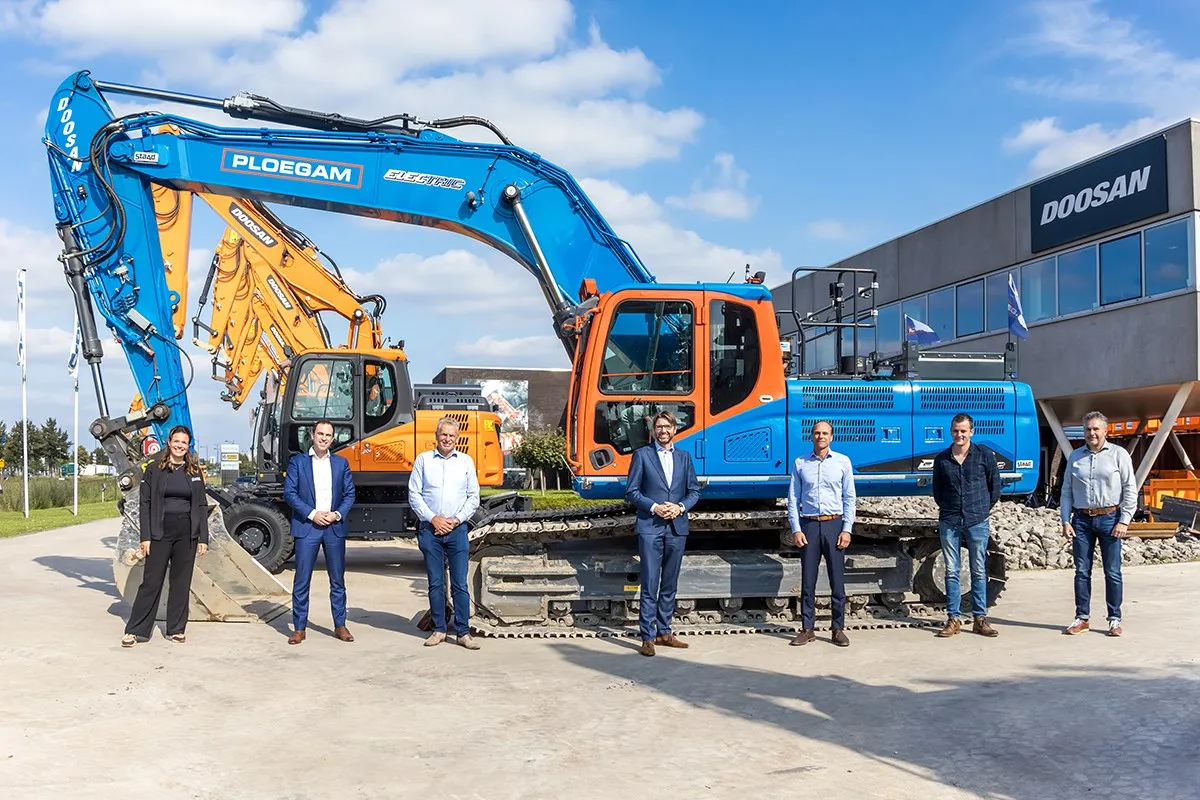
“Extremely valuable”
After the meeting, the State Secretary said he was impressed by the company and the stories he had heard. Van Weyenberg: “Visits like this help me ensure that the policies we develop are as closely aligned with practice as possible. That is extremely valuable. Ultimately, I want the financial support we provide to genuinely help businesses electrify excavators and other construction machinery. Experience from the sector is a huge help in this respect. Many thanks!”
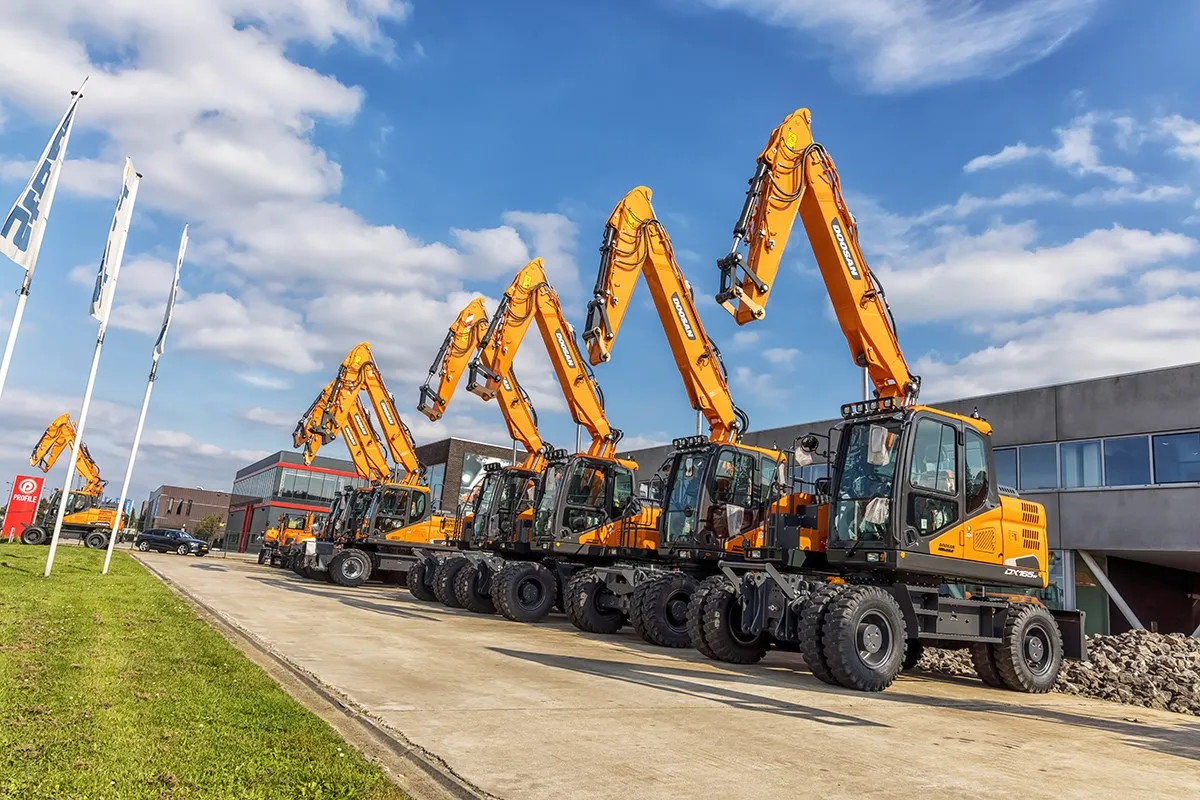
Staad’s subsidiary, Electric Construction Equipment, was founded in January 2020 to focus entirely on making zero-emission construction sites a reality. Electric Construction Equipment began by electrifying excavators. The State Secretary was impressed by the sustainable developments already under way and took a keen interest in learning that most electric excavators are currently exported by Electric Construction Equipment to other European countries. That needs to change. New subsidies expected to come into effect next year should make it more affordable for businesses to switch to electric excavators. The Dutch market can lead the way in electrifying construction equipment, but the government needs to take the right steps to ensure that every business can access it.
Electric Construction Equipment is therefore determined to keep making progress towards zero-emission construction sites and make them more accessible to everyone. Excavators are currently still relatively expensive because demand is too low. “If we can scale up, we can also reduce costs for our customers,” says Pieter Staadegaard. In some other European countries, such as Scandinavia, the right steps have already been taken, and construction sites are developing rapidly. The subsidy schemes there mean that small and medium-sized businesses can receive up to 50% of the purchase price from a subsidy fund. The SEB (Clean and Emission-Free Construction) subsidy scheme is expected to launch in the Netherlands in early 2020. An official from IenW says it is currently being developed. The idea is that a subsidy scheme in the Netherlands will also support businesses in purchasing zero-emission construction equipment. Good news! The Clean and Emission-Free Construction programme was established partly at the request of De Groene Koers. It is a collaboration between the ministries of IenW, BZK and EZK, the market and other levels of government, bringing together policy objectives from the Climate Agreement, the Clean Air Agreement and the Nitrogen Approach for mobile machinery and construction logistics.
More information: www.opwegnaarseb.nl
Working visit made possible by De Groene Koers
Equipment suppliers play a key role in making machinery more sustainable on the way to zero-emission construction sites. By innovating in sustainable machinery, the supply sector is taking responsibility for promoting a healthy living environment and a better environment. Leading innovators developing zero- and low-emission machinery are an example to others, showing how to work together towards a sustainable sector. That is why De Groene Koers supports companies such as Staad that are taking concrete steps to make machinery more sustainable. This visit to Staad was made possible in part by De Groene Koers. De Groene Koers is the sustainable industry initiative of BMWT, Bouwend Nederland, CUMELA and VHG. It promotes the sustainability of machinery by connecting stakeholders, sharing knowledge and showcasing inspiring examples.
More information www.degroenekoers.nl
The importance of government, clients and SMEs
At Staad, the State Secretary also met two SME owners, Chris Ploegmakers (Ploegam) and Jaap Veldhuizen (Cumela board member), who are keen to invest in electric equipment. They stressed that 70% of machine owners are SME businesses, making them highly relevant interlocutors for both government and clients. Jaap Veldhuizen demonstrated the calculation: the Climate Agreement’s ambition to cut emissions by 0.4 megatonnes of CO2 by 2030 is equivalent to reducing diesel consumption by 125 million litres. Based on average annual diesel consumption of 7,500 litres per machine, more than 15,000 machines will need to operate with 100% zero emissions by 2030. Given that the current development is only just beginning and there is no mass production yet, a robust incentive package that maintains a level playing field is essential. Clients are sometimes even more ambitious than government policy in their procurement policies. Aligning with the transition pathways being developed as part of Clean and Emission-Free Construction, and enforcing EMVI commitments, are therefore important, says the CUMELA board member.
“Extremely valuable”
After the meeting, the State Secretary said he was impressed by Electric Construction Equipment and the stories he had heard. Van Weyenberg: “Visits like this help me ensure that the policies we develop are as closely aligned with practice as possible. That is extremely valuable. Ultimately, I want the financial support we provide to genuinely help businesses electrify excavators and other construction machinery. Experience from the sector is a huge help in this respect. Many thanks!”
Question about this story? Ask your question
Keep following this
Get an email when a new story is published. No account needed.
- SubjectGeneral







