












Staad brings forward-thinking civil engineering contractors into transition programme
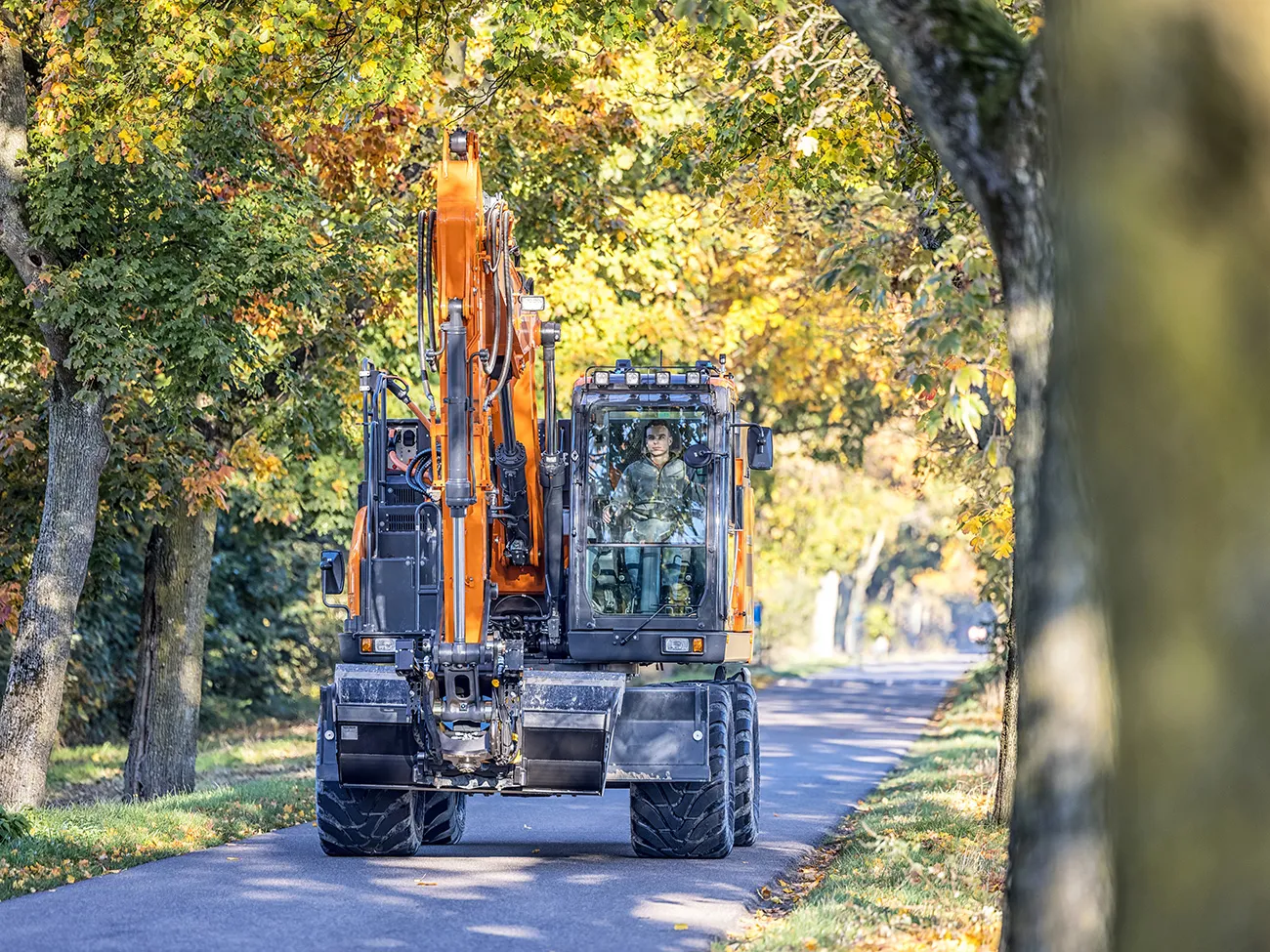
The civil engineering sector is increasingly aware that its activities need to generate fewer emissions, and that clients are including ‘zero emission’ as a criterion in their tenders. It is looking for efficient solutions and ways to significantly reduce emissions from powertrains. The introduction of zero-emission earthmoving machinery is the most important measure, and will also have a very positive impact on the wider sustainability of our sector.
Tomorrow’s construction site within reach
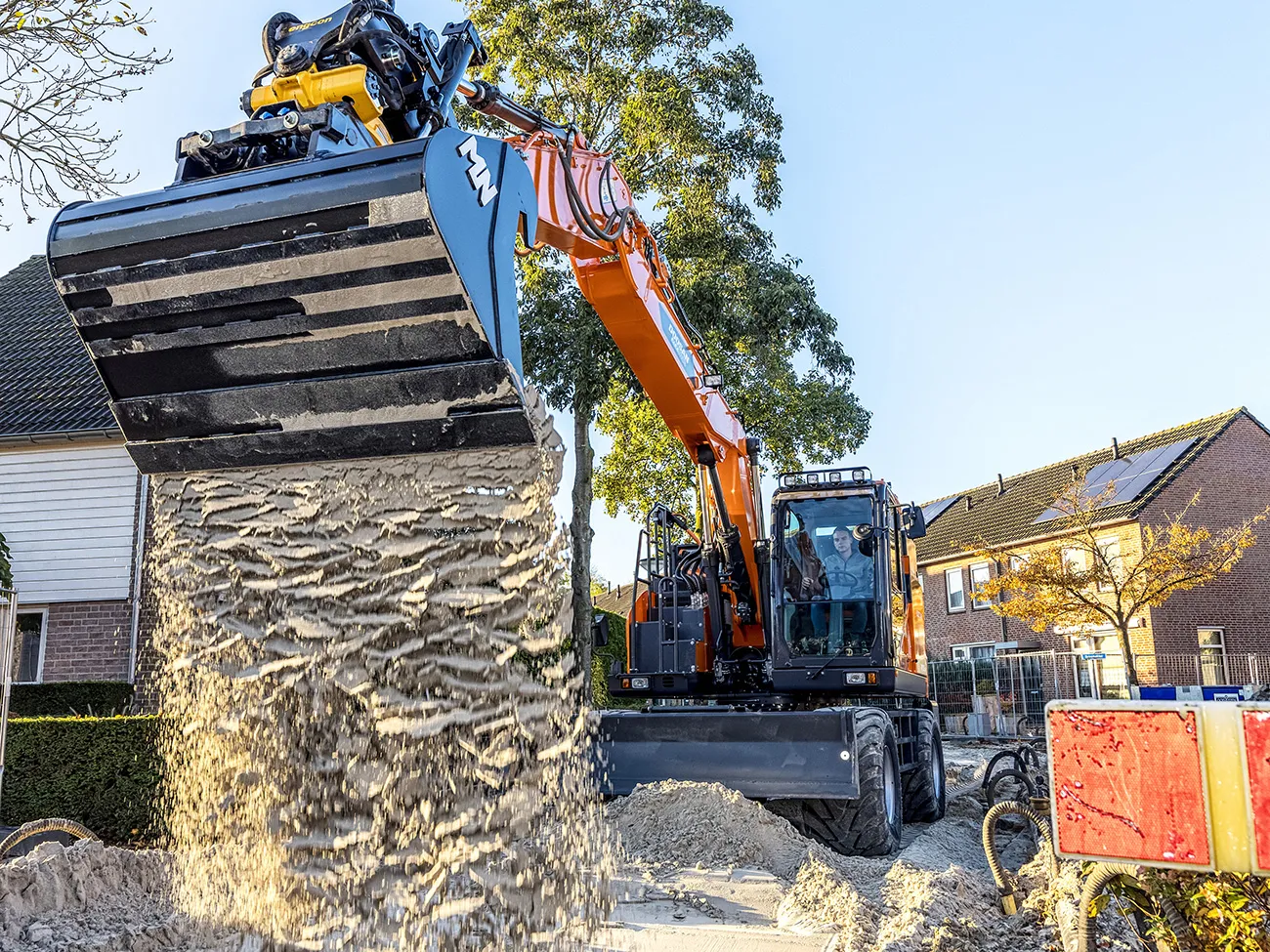
It is clear to everyone that we face a climate problem, caused in part by CO2 emissions, and an environmental problem involving nitrogen, NOx and particulate matter, as well as noise and odour pollution. In the civil engineering sector, the use of heavy machinery is by far the biggest source of pollution in construction work involving earthworks, roads and waterways. The sector’s aim is to achieve zero emissions in civil engineering work as quickly as possible.
Minister Schouten (Agriculture) has proposed a 26% reduction in nitrogen emissions by 2030, but the Remkes advisory committee argues that emissions from construction projects should be reduced by 80% within (a maximum of) 10 years. This would bring annual NOx emissions from construction machinery and construction logistics down from 19.2 kton to 3.8 kton.
A consortium of forward-thinking civil engineering contractors, FIER Automotive and research institute TNO, together with supplier Staad, has been formed to explore ways of reducing emissions. The proposal is to take another major step towards zero emissions in the civil engineering sector by deploying eight electric earthmoving machines with interchangeable power boxes.
Group of frontrunners
This group of frontrunners, comprising Van der Zanden, Boomrooierij Weijtmans, Huybregts Loon- en Grondwerkbedrijf, Gebr. Coremans grondwerken, Janssen Group, Gebr. van de Brand en van Oort and J. Veldhuizen Westbroek, has decided to take the lead. Together, they have formed the ‘De bouwplaats van morgen’ consortium, which will carry out a joint pilot project under the RVO’s DKTI scheme, motivated by the following aims:
- Build knowledge together about using electric earthmoving machines in tests with TNO across different applications, including charging on site and/or swapping power boxes, and share this knowledge among the partners;
- Be ready for the future, particularly for requests from municipal or provincial authorities for zero-emission construction sites;
- Kick-start the large-scale expansion of sustainability projects in the sector.
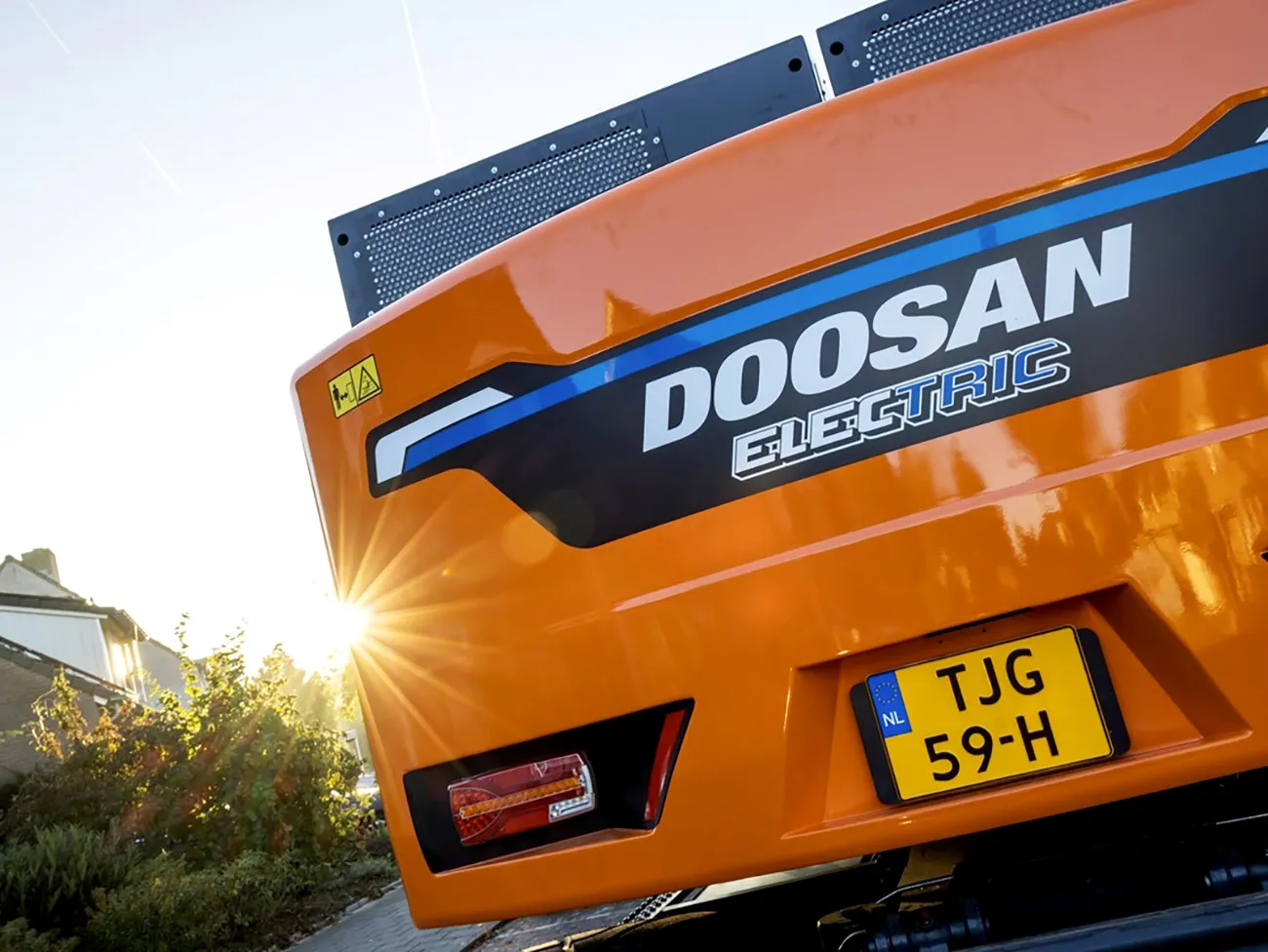
Making recommendations
The ‘De Bouwplaats van morgen’ pilot project will be developed further with the partners to ensure the best possible preparation for deploying and testing the machines. The civil engineering partners will use the machines in as much routine work as possible, while TNO monitors their performance. The research institute will analyse the data collected and make recommendations. Its findings will be shared with the civil engineering partners and also analysed in detail with supplier Staad to help improve the machines. The project will also assess suitability for use, the cost of operation compared with diesel engines, and financial viability.
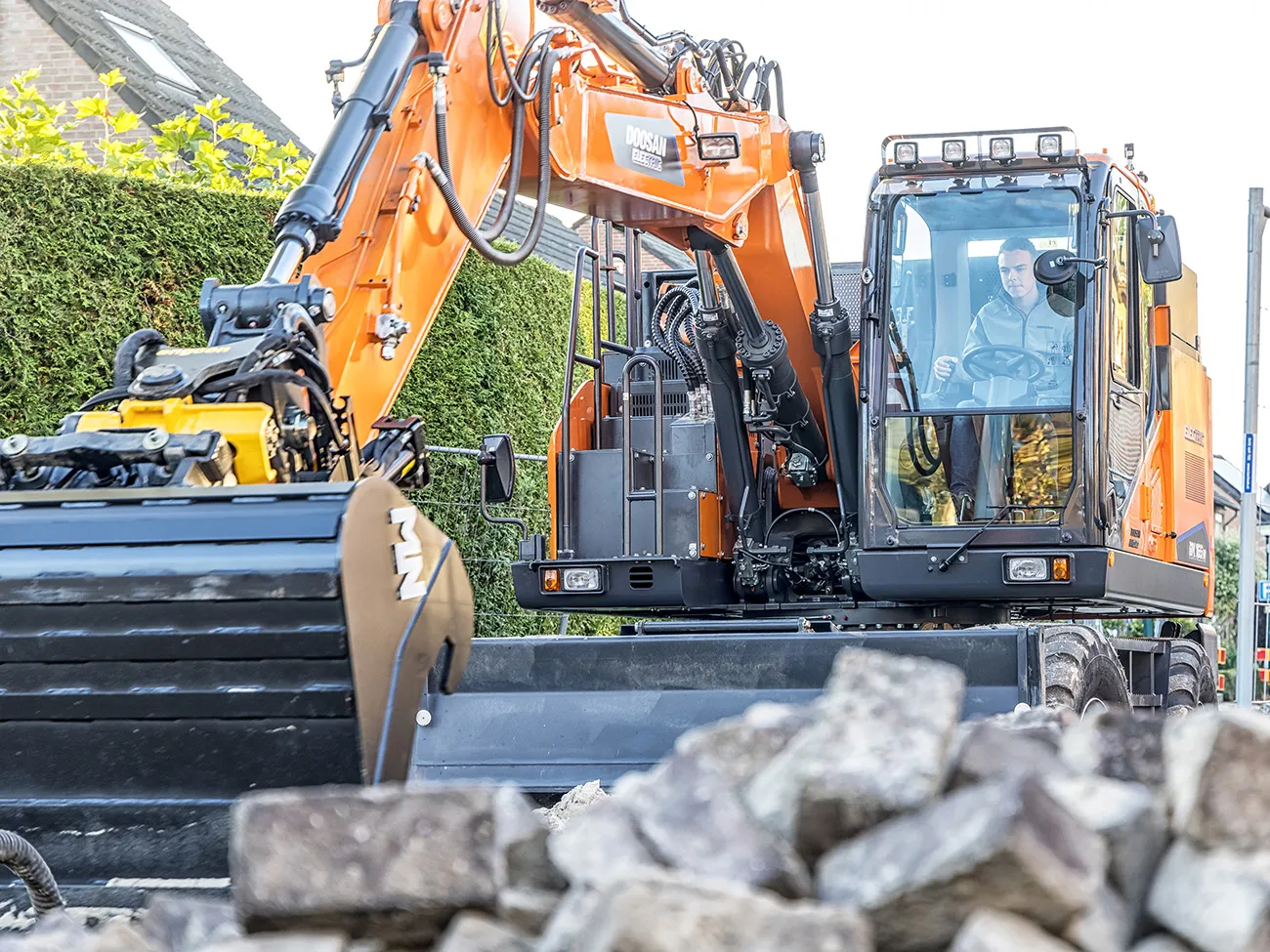
One of the project’s unique features is the use of interchangeable power boxes, much like those on a cordless drill, but on a (very) large scale. For heavy machinery to run 24/7, it must not have to travel to a charging point: its batteries need to be swappable. The charging system will also use technology comparable to that used to charge an electric car. In theory, combining these two elements makes the technology highly scalable. The consortium partners want to put this to the test in practice.
Giving it a major boost
Thanks to its strong consortium, this project will give emissions-free working in the civil engineering sector a major boost. The partners are based across the country and represent a range of use cases, enabling them to share their lessons learned, and probably their enthusiasm too, with the civil engineering sector as a whole.
Question about this story? Ask your question
Keep following this
Get an email when a new story is published. No account needed.
- SubjectGeneral







