












Scania Nederland MD Janko van der Baan: “Delay to kilometre charge fatal to rapid decarbonisation”
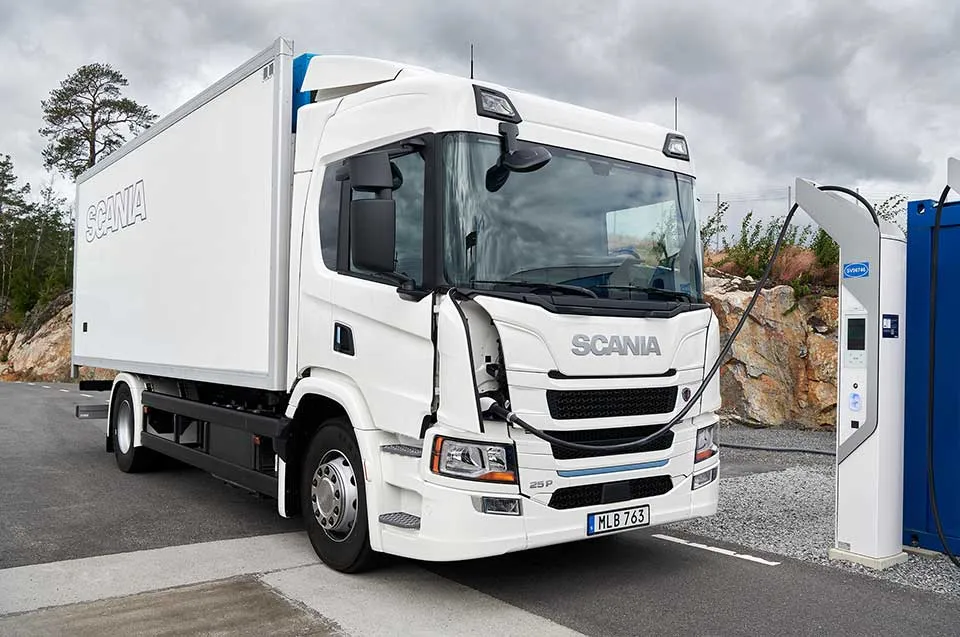
Once again, the Dutch government is putting the brakes on decarbonising the commercial vehicle fleet.
After electric trucks were previously sidelined in the Urban Logistics Implementation Agenda when the subsidy scheme was postponed, Minister Nieuwenhuizen has now informed the House of Representatives that the planned kilometre charge for trucks will be delayed until at least 2027. An important part of this charge was to fund the greening of the Dutch transport fleet. Scania Nederland Managing Director Janko van der Baan is clear in his assessment and calls it a missed opportunity. “This is yet another blow to a key pillar of decarbonisation. In this way, it will be virtually impossible to meet the targets set by, of all people, that same government.”
Van der Baan therefore understands the reaction of TLN chair Elisabeth Post. In her initial response, she called the government ‘an unreliable negotiating partner’. “We have been discussing the kilometre charge for years as a way of partly funding the decarbonisation of transport in the Netherlands. The starting point remains that this must not increase the sector’s overall costs,” Van der Baan adds.
The kilometre charge also offers an opportunity to introduce price differentiation for renewable fuels. Van der Baan says: “By charging more for fuels that deliver the smallest CO2 reduction than for renewable fuels, for example, we can also steer more effectively towards our green targets. An added advantage is that a charge of this kind is easier to channel back to the industry. Excise duties on fuels all disappear into the Treasury’s general coffers, and the sector sees none of that money again.”
Janko van de Baan hopes that the new government, with a fresh mandate, will realise that this is a dead end and will delay sustainable developments in transport by at least four years. “Scania has invested heavily in developing a broad range of sustainable solutions, from biogas and HVO to plug-in hybrids and battery-electric vehicles. We have a solution for every transport application. Now it is the government’s turn to act, but it is failing to do so. That is a shame,” he concludes.
Question about this story? Ask your question
Keep following this
Get an email when a new story is published. No account needed.
- SubjectGeneral







