












Reusing steel pipes and sections
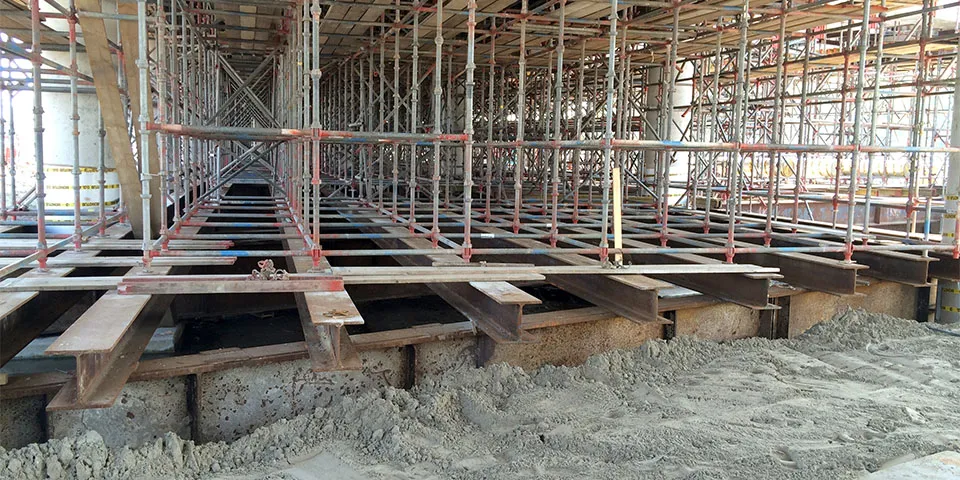
Steel is a product for use, not consumption. Steel beams and tubular sections retain the same properties as new ones, provided they are properly conditioned. In many cases, they can easily be used a second time, or even multiple times, without any adverse effects. This makes them a perfect fit for the drive towards a circular economy. Through its ‘Donorstaal’ platform, Swanenberg IJzer Groep is encouraging the reuse of steel. It offers unprecedented opportunities and environmental benefits, particularly in the infrastructure sector.
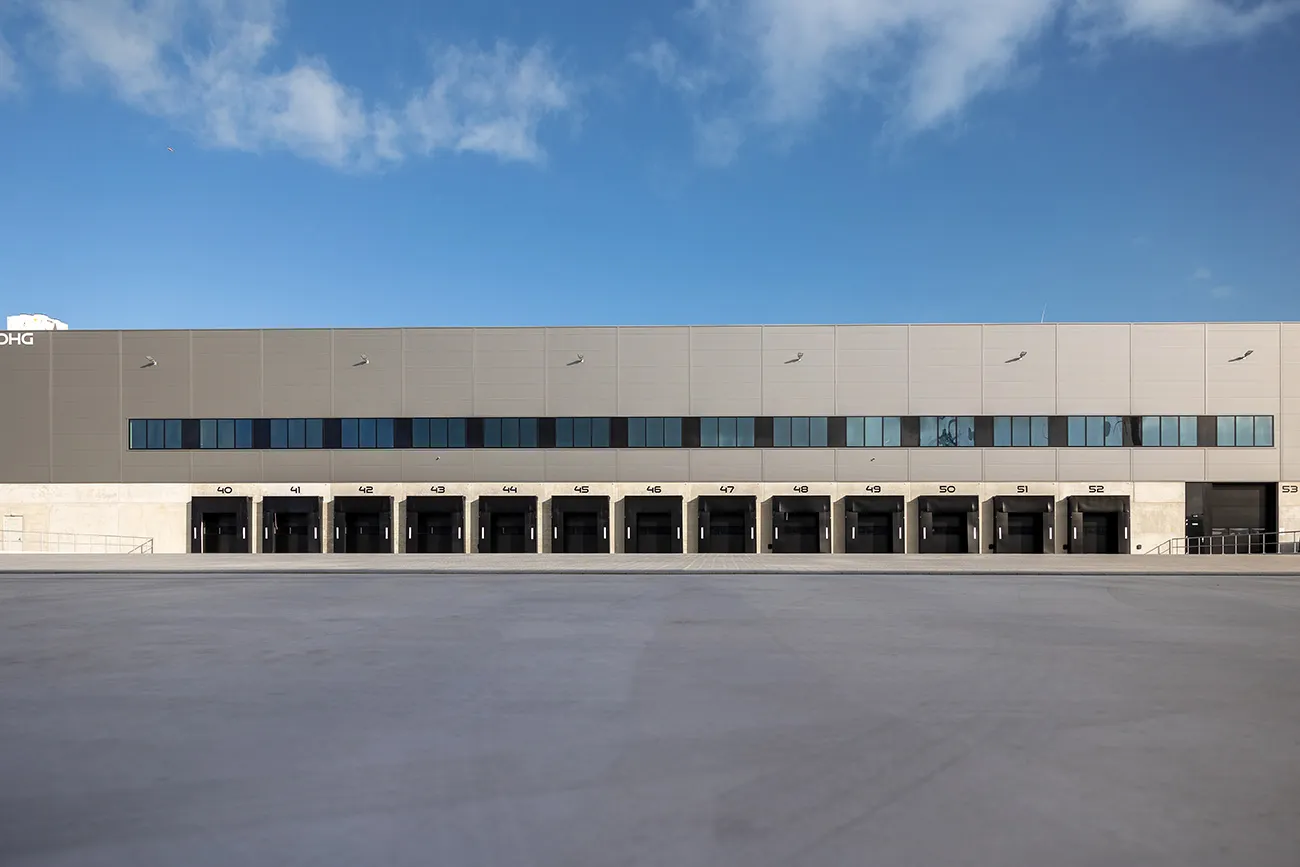
Steel pipes and sections are highly suitable for reuse.
“Reusing materials, reducing CO2 emissions and offsetting nitrogen emissions: these are topics of the day. Steel pipes and sections are highly suitable for reuse,” says Frank van der Loop of Swanenberg IJzer Groep in Schaijk. “By actively participating in and contributing to various initiatives on this subject, we keep abreast of the options for reusing steel. And the possibilities are quite extensive. Partly in response to the government’s stricter rules on steel traceability, we are trying to establish the exact properties of, for example, used tubular sections, building steel structures and old transmission pipelines. This information is essential to giving these sections a second life.”
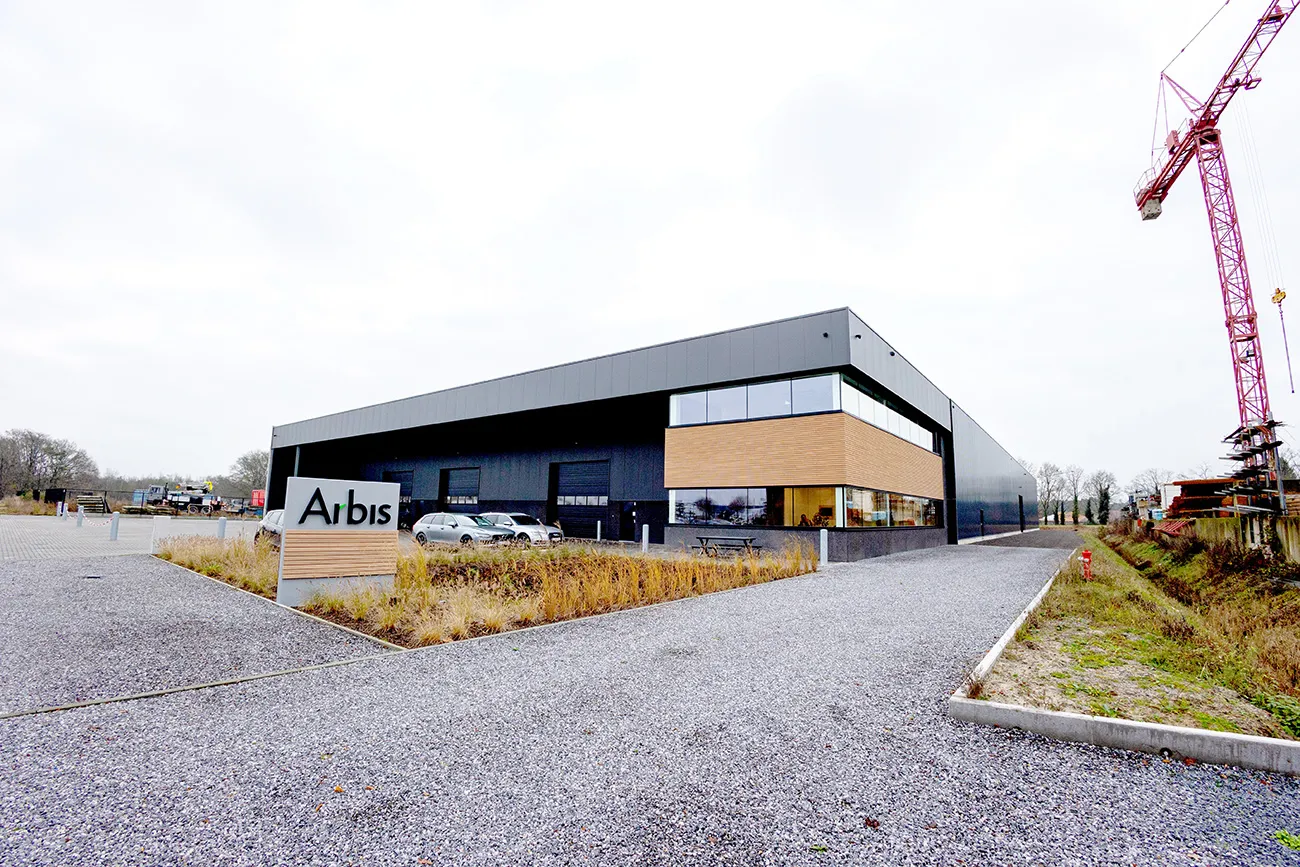
With stocks of more than 150,000 tonnes of steel pipes and beams, Swanenberg IJzer Groep can deliver very quickly on request.
Recertification
Swanenberg IJzer Groep has been the Netherlands’ greenest steel supplier for 55 years. “After all, we have been trading in used steel all that time,” says Van der Loop. “With stocks of more than 150,000 tonnes of steel pipes and beams, we can deliver very quickly on request. We started out buying and selling used steel. Following changes in the market, we are now also one of Europe’s largest stockholders of both new first-choice steel, with full mill certification, and unused surplus stock. We are also increasingly focused on changing the intended use of the material. In particular, we mean certifying products that have already been rolled. A product can often be used in several different ways. Pipes originally manufactured for use as gas pipelines can, in consultation with the manufacturer, be recertified to a different standard for acceptance in the infrastructure sector, for example. Applications include combi walls, bracing frames, rotary piles and driven piles. We also work closely with testing laboratories which, where necessary, can carry out chemical and mechanical analyses to verify the steel grades of the used steel, so it can be used for its intended application.”
Pipes originally manufactured for use as gas pipelines can, in consultation with the manufacturer, be recertified to a different standard for acceptance in the infrastructure sector, for example.
Lower cost
Using used steel sections means there is no need to produce new steel. “Bear in mind that a steel structure, if properly conditioned, will last an exceptionally long time,” Van der Loop stresses. “Its service life is often much longer than its period of use. There is therefore a huge amount of used steel in circulation. Current regulations (EN 1090, etc.) mean that projects often turn straight to new steel. That is a waste, especially when there are no additional requirements, or when the steel grades are known and used products with the same properties as new steel can be given a second life. Using used steel in this way delivers enormous environmental benefits. Fortunately, more and more clients are aware of this. It also reduces costs, making it a win-win situation.”
Using used steel is more cost-effective, often available directly from stock, and better for the environment. The infrastructure sector has already discovered this and is reaping the benefits.
Question about this story? Ask your question
Keep following this
Get an email when a new story is published. No account needed.
- SubjectGeneral







