












Renewable oil from plastic
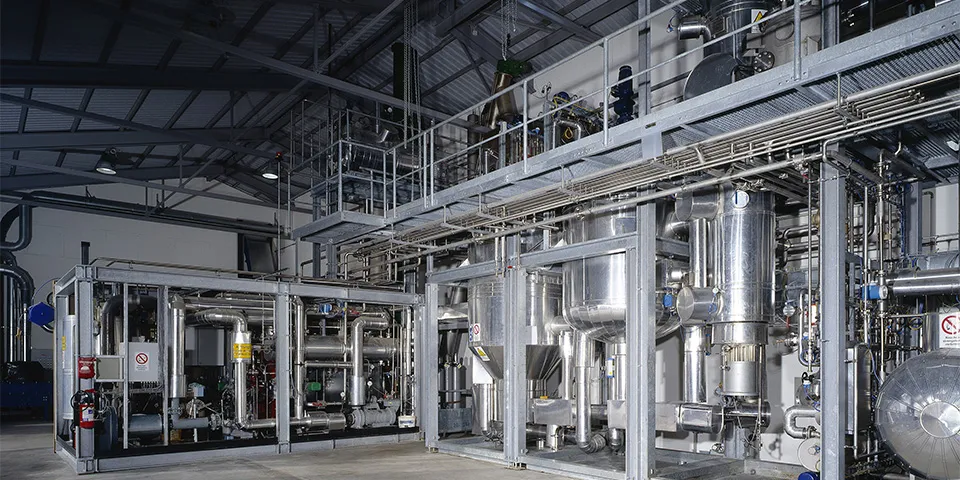
A further step in the company’s strategy, which focuses on fuels that save more CO2 and have a lower environmental impact. With that aim, fuel supplier Den Hartog is joining the Dutch-Belgian consortium set to build ‘the first profitable oil-from-plastic plant’.
A powerful combination
The Dutch-Belgian consortium consists of contractor and technical services provider Joh.Mourik and its subsidiary Petrogas, Den Hartog BV and Belgian waste processor RenaSci. Mourik’s BlueAlp business division holds the patent for the new plastic-to-oil process; Petrogas, as an engineering and construction company for the oil and gas industry, is responsible for building the new plant; RenaSci brings its expertise in waste processing concepts; and Den Hartog will market the end product. In this case, that is diesel compliant with the EN590 standard.
Proven technology
The new recycling plant, which is being built on RenaSci’s site in Oostende, will start producing oil from hard-to-process types of plastic next year. The end product will be diesel that reduces CO2 emissions. These plastics, such as agricultural plastics and films, are currently incinerated or sent to landfill. BlueAlp’s technology has already been proven at a pilot plant in Switzerland. A total of 120,000 tonnes of waste arrives in Oostende each year to be sorted for reuse. The oil-from-plastic plant is part of an integrated waste processing ecosystem. The “oil from plastic” plant in Oostende has an annual processing capacity of 21,000 tonnes of waste plastic that would otherwise have to be incinerated or sent to landfill.
Company strategy
The concept is so interesting because a product is made from all the waste that comes in, further advancing Den Hartog’s company strategy, which focuses on fuels that save more CO2 and have a lower environmental impact.
Minimising environmental impact
These fuels will be included in Den Hartog’s CO2 Saving Diesel range. The range includes several CO2-saving fuels, including high-blend biodiesel that meets all standards. These fuels can reduce CO2 emissions by up to 89%. Buyers of this emissions-reducing ‘diesel’ are mainly businesses in the business-to-business market: in particular, companies that need to achieve strong MKI (Environmental Cost Indicator) scores and companies focused on cutting CO2 emissions. Examples include transport companies and road construction firms.
Question about this story? Ask your question
Keep following this
Get an email when a new story is published. No account needed.
- SubjectGeneral







