












Reform of customs penalties on the way for Belgian businesses
Text Geert Van Cauwenberge Beeld FOD Douane & Accijnzen
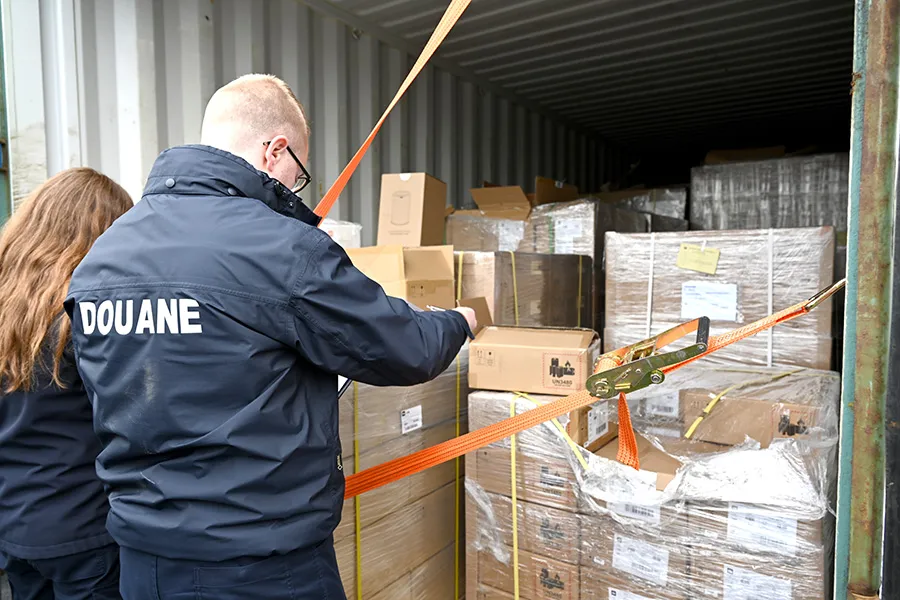
Customs criminal law in Belgium is still based on the Code Napoléon, which dates back to the early 19th century. The result? More than 18,000 codes for clearing goods in and out. This is a source of frustration for Belgian companies trading internationally, as they risk hefty fines. Reform of Belgium’s customs penalties policy is therefore more than welcome.
That reform is now well under way. “For several years, all players in the sector, including businesses, freight forwarders, shipping agents and policymakers, have been calling for a far-reaching reform and modernisation of the current prosecution and penalties policy,” says Werner Rens, Director-General Advisor at the FPS Customs and Excise.
“The modernisation of customs criminal law in Belgium was included in the 2020 federal coalition agreement. In 2022, the office of Finance Minister Vincent Van Peteghem held various round-table discussions with representatives from industry, logistics, the legal profession, academia and the customs sector to prepare for this reform. The National Forum, the consultation platform for the private sector and the General Administration of Customs and Excise (ed.), recently gave the green light to a reform proposal.”
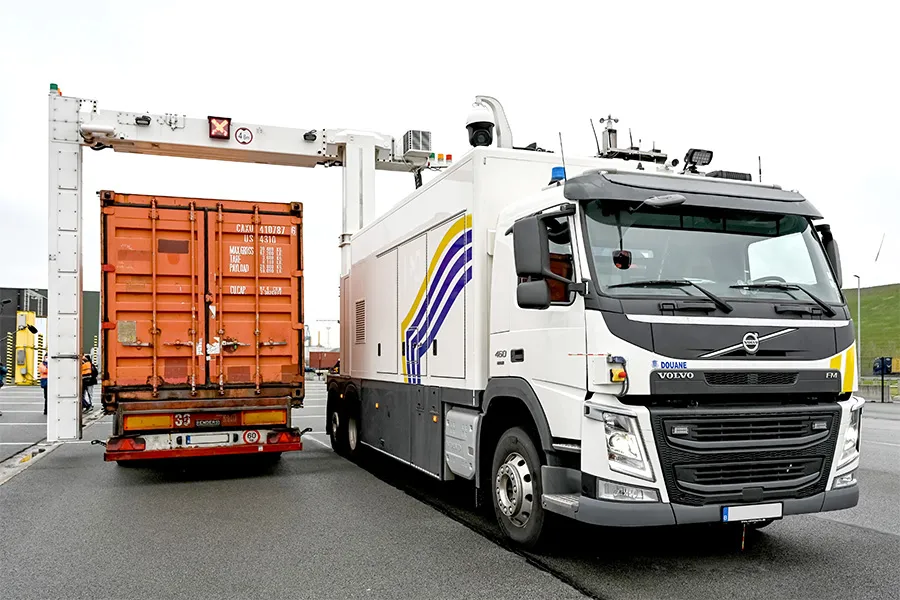
Are Belgian customs authorities too strict?
Are the Belgian customs authorities too strict compared with their counterparts abroad? Companies in Belgium think so. They say fines are imposed for the slightest administrative error in a customs declaration. They also argue that the penalties policy in Belgium is too punitive, while customs authorities in the Netherlands take a more corrective approach. Rens puts this into perspective. “The world has become much more complex in recent years. New and sometimes unexpected geopolitical events are making international trade more volatile, with European policymakers, among others, calling for tighter controls. After all, we do not want to ship goods that could be used in conflict situations. And that is not to mention the fight against drugs, for which we are deploying ever more people and resources.”
Key points in the reform of the penalties policy
“The reformed customs penalties policy should further embed the principle of good faith in customs legislation,” says Rens. “This will prevent certain disputes from automatically ending up in court. Companies should also be given the opportunity to correct mistakes, without, of course, giving them a free pass. If an internationally active business deliberately breaks the rules and commits fraud, we must continue to punish it harshly.” ■
Question about this story? Ask your question
Keep following this
Get an email when a new story is published. No account needed.
- SubjectGeneral







