












Reading between the barcode lines
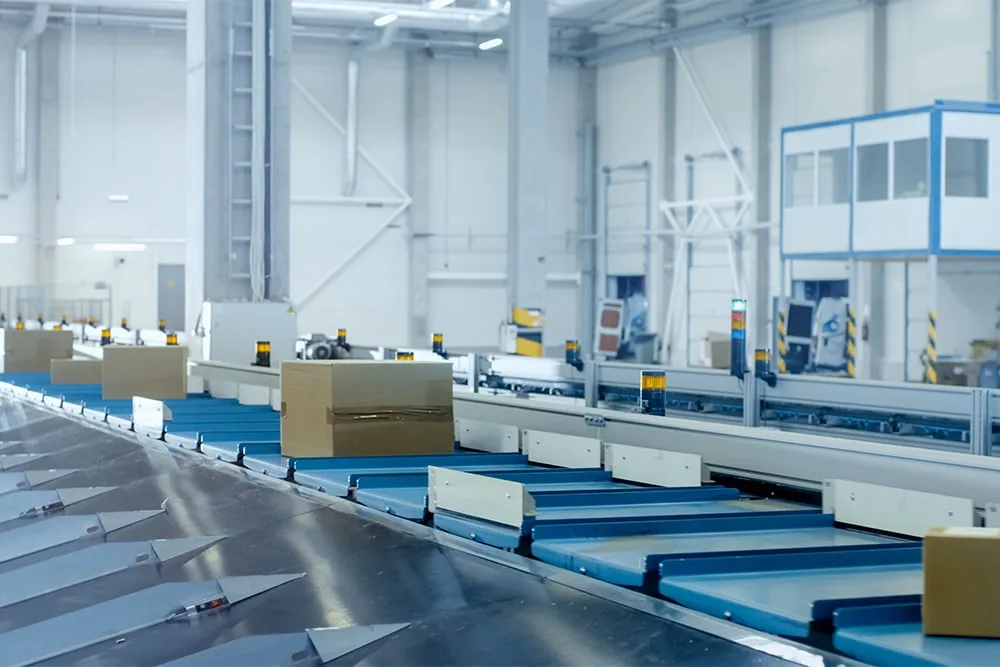
From supermarkets to warehouses, barcodes are everywhere, identifying and tracking items. Their widespread adoption is down to their near-perfect reliability, with read rates exceeding 99.9% under ideal conditions. However, external factors can disrupt this almost seamless process during parcel sorting, resulting in barcodes that cannot be read and parcels being rejected. To limit such cases, Prime Vision has developed Barcode Vision, a unique solution that reduces the number of rejected parcels.
Sjaak Koomen, Senior Researcher at Prime Vision, a world leader in computer vision integration and robotics for logistics and e-commerce, explains further.
Why barcodes go unread
In warehouses and fulfilment centres, barcodes enable businesses to identify parcels and sort them by destination. Typically, a series of five cameras positioned around a conveyor scans the barcode, after which the parcel is moved to the correct area. This works for most items, but a small proportion of barcodes are not read on the first scan.
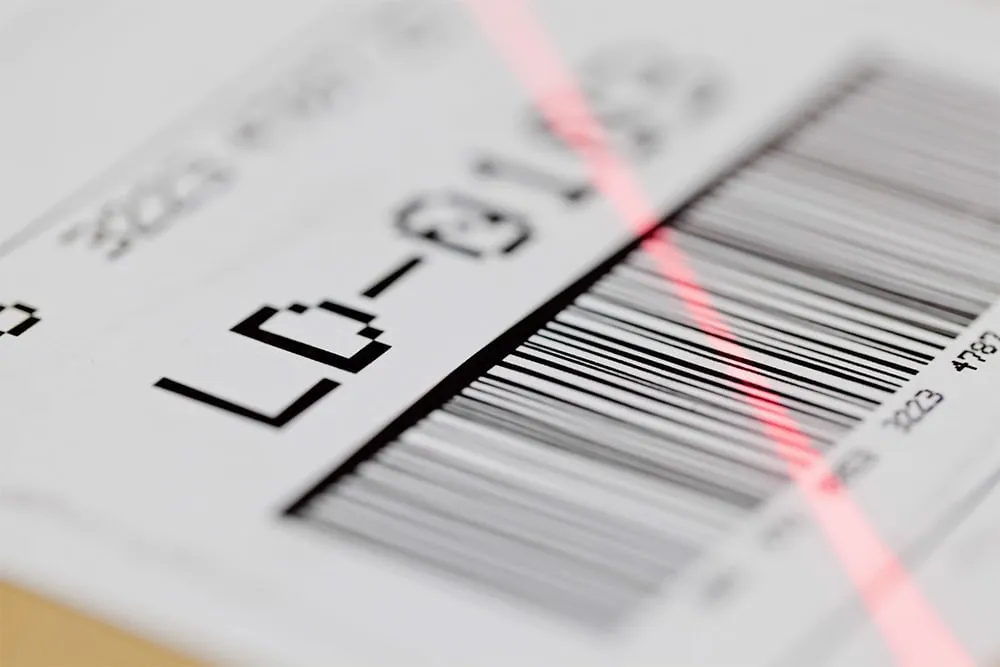
There are several reasons for these no-reads. A barcode may be damaged and no longer readable. The parcel surface may not be flat, as with flexible plastic packaging, a cylindrical object or a closed book with the label on it. The barcode may only be partly visible if the label is stuck around a corner. Printing errors or low ink levels, as well as camera problems, can also make a label unreadable.
Sorting challenges caused by rejected parcels
In all these cases, the parcel cannot be sorted, so intervention is required. The first option is to scan the barcode again, sending the goods back through the warehouse, which reduces sorting capacity. If that fails, the item is rejected. A warehouse worker must scan it again or enter the ID number, print and apply a new label, store the parcel and feed it back into the sorting process. It is an approach much like dealing with a barcode scanning error at a supermarket. This costs time and money.
Suppose rejected parcels make up 5% of the total flow of 40,000 parcels per hour at a large sorting centre. This equates to a capacity of 38,000 parcels per hour. It also means that the rejected 5% must be processed manually. In this case, 2,000 rejected parcels are sorted per hour. If handling each parcel takes 20 seconds, 11 employees are needed to process all the rejected parcels[1]. The loss of capacity and additional staffing costs amount to millions in lost revenue each year, so reducing barcode no-reads is definitely worthwhile, especially for large-scale sorting operations.
Decoding an unreadable barcode
Barcode Vision offers a proven digital solution for reducing no-reads by providing an additional, dedicated barcode scan for a second chance to identify an item before it is sent back for manual processing. Taking a different approach from a traditional system, Barcode Vision reconstructs damaged or unreadable barcodes using several methods.
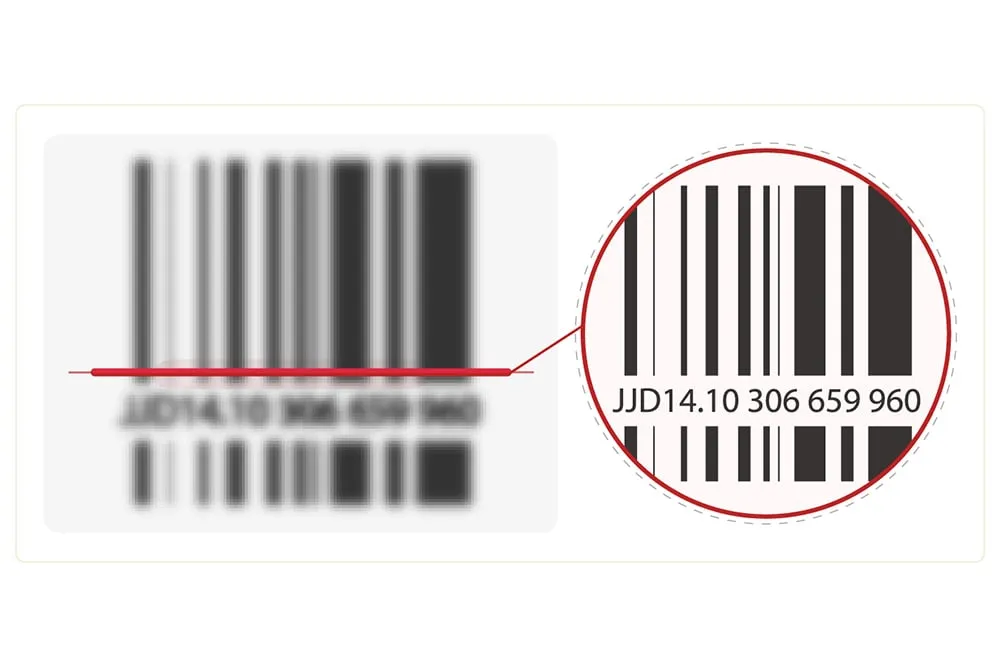
By assessing the barcodes used at a site, it can learn which types to expect. If a symbol at the beginning or end is missing, it can be reconstructed and validated. Barcode Vision can also read the text beneath the barcode and combine it with the symbols to achieve a successful read.
In addition to using customer information for accurate reconstruction, Barcode Vision uses deep learning technology. The system, programmed in-house by Prime Vision, can intelligently reconstruct barcodes from blurred images, helping to overcome camera or printer errors.
Putting a package of countermeasures in place
Barcode Vision is also easy to integrate. It is compatible with existing scanning cameras, so the no-read problem can be solved without replacing or modifying hardware or conveyor components. Barcode Vision works with an intelligent integration management system that collects images and results from existing barcode readers. If the standard reader is unsuccessful, this data is sent to Barcode Vision for a second attempt. In addition to using a general Prime Vision interface, the system is supplied as a Windows dynamic link library (.dll) for broad compatibility.
The system's effectiveness can be further improved by identifying specific customer issues. Eliminating printing errors, changing packaging to make it more scanner-friendly and expanding the scan area can also help the software minimise no-reads.
Giving unread barcodes a second chance
Barcode Vision is not a silver bullet for rejected parcels, but it does not need to be to deliver great results. The technology's success varies between sorting operations, but even reading 25% of rejected parcels can deliver significant annual cost savings by reducing manual intervention, improving warehouse capacity and making processes more efficient.
With access to a unique, bespoke solution that reads between the lines of barcode no-reads, there is now a second chance to reduce rejected parcels in sorting operations.
[1] 40,000 parcels/hour * 0.05 rejection rate * 20 sec ÷ 3,600 seconds/hour = 11.111
Question about this story? Ask your question
Keep following this
Get an email when a new story is published. No account needed.
- SubjectGeneral







