












R100 certification
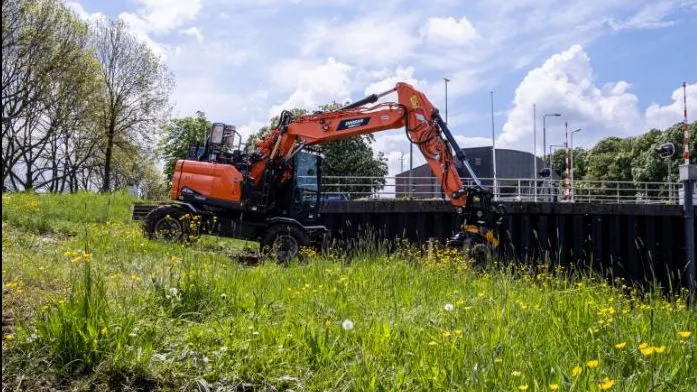
By now, everyone knows that mobile excavators must be registered from 1 January 2021.
This applies to both mobile diesel excavators and electric excavators. In addition to the registration requirement for electric excavators, new regulations also apply, including R100.02, which is divided into two parts:
- (Electric) machine safety
- REESS, Rechargeable Electrical Energy Storage Systems. In other words, rechargeable electrical energy storage systems. This definition covers electrical energy storage devices, such as batteries, used to supply energy for propulsion. A battery that powers an electric excavator is covered by this definition, for example, but a battery used to start a diesel engine is not.
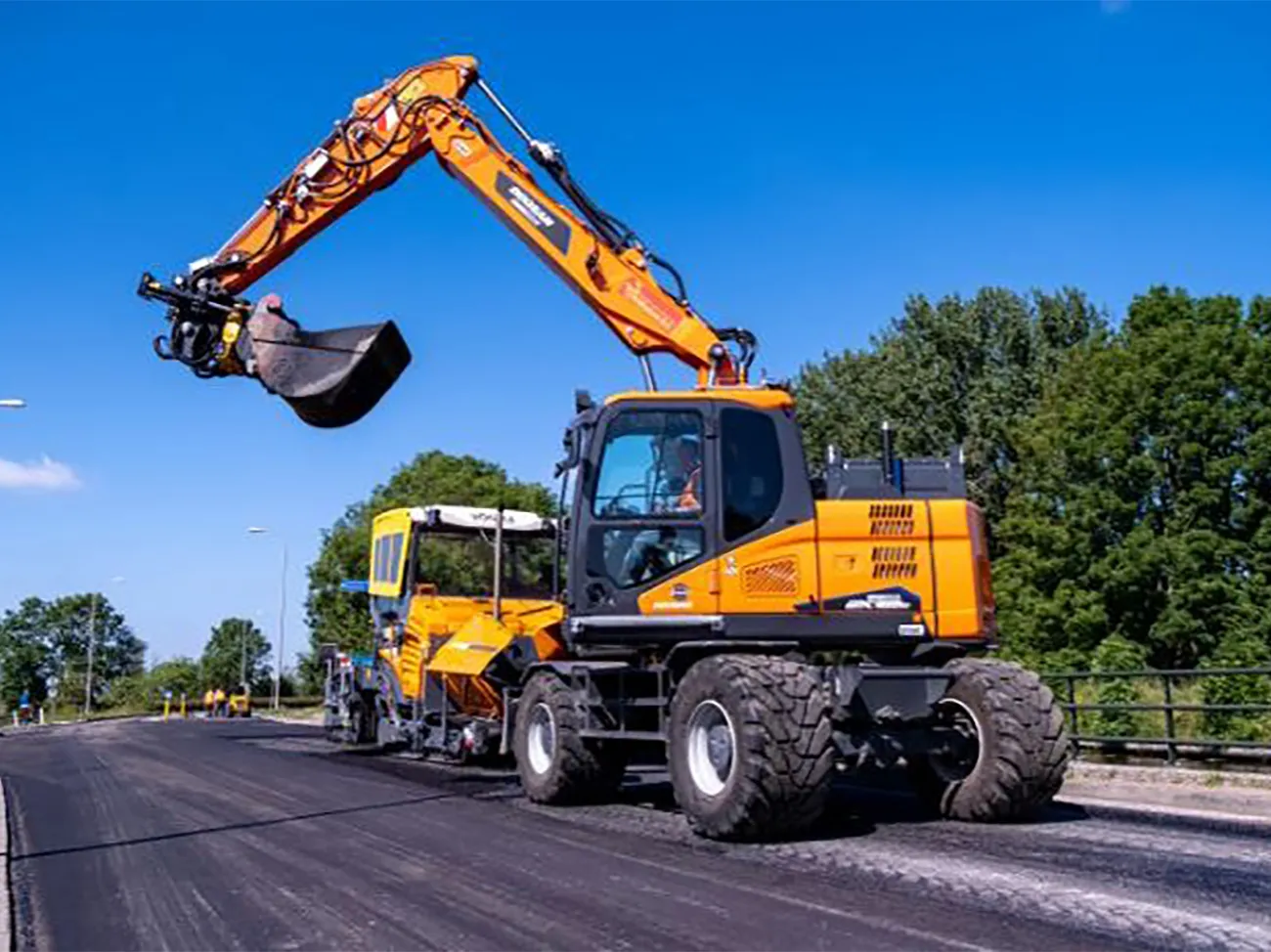
This means the machine is assessed for the safety of both the operator and the technician. The focus is on preventing the operator or technician from being exposed to electrical voltage. The battery is also tested to check that it is safe. It is tested under various conditions to rule out adverse effects and ensure that no dangerous situations can arise.
Several aspects are assessed to ensure that electric excavators are fully R100-certified.
- Protection against electric shock for the operator and technician
- Protection against direct and indirect contact
- Minimum resistance values: this involves measuring the voltage between the various components and checking that they are adequately protected. For example, the resistance values between the high-voltage system and the chassis of the electric machine are checked. This applies to both DC (direct current) and AC (alternating current).
- Requirements for the machine’s connectors
- Functional safety requirements. The machine must meet the following functional safety requirements:
- Give a signal when the machine is in active driving mode
- Prevent the machine from moving when it is secured on, for example, a low-loader
- Markings that must be visible on the machine:
- High-voltage markings (yellow stickers with a black electrical hazard symbol)
- Orange high-voltage cables, unless they are covered by enclosures
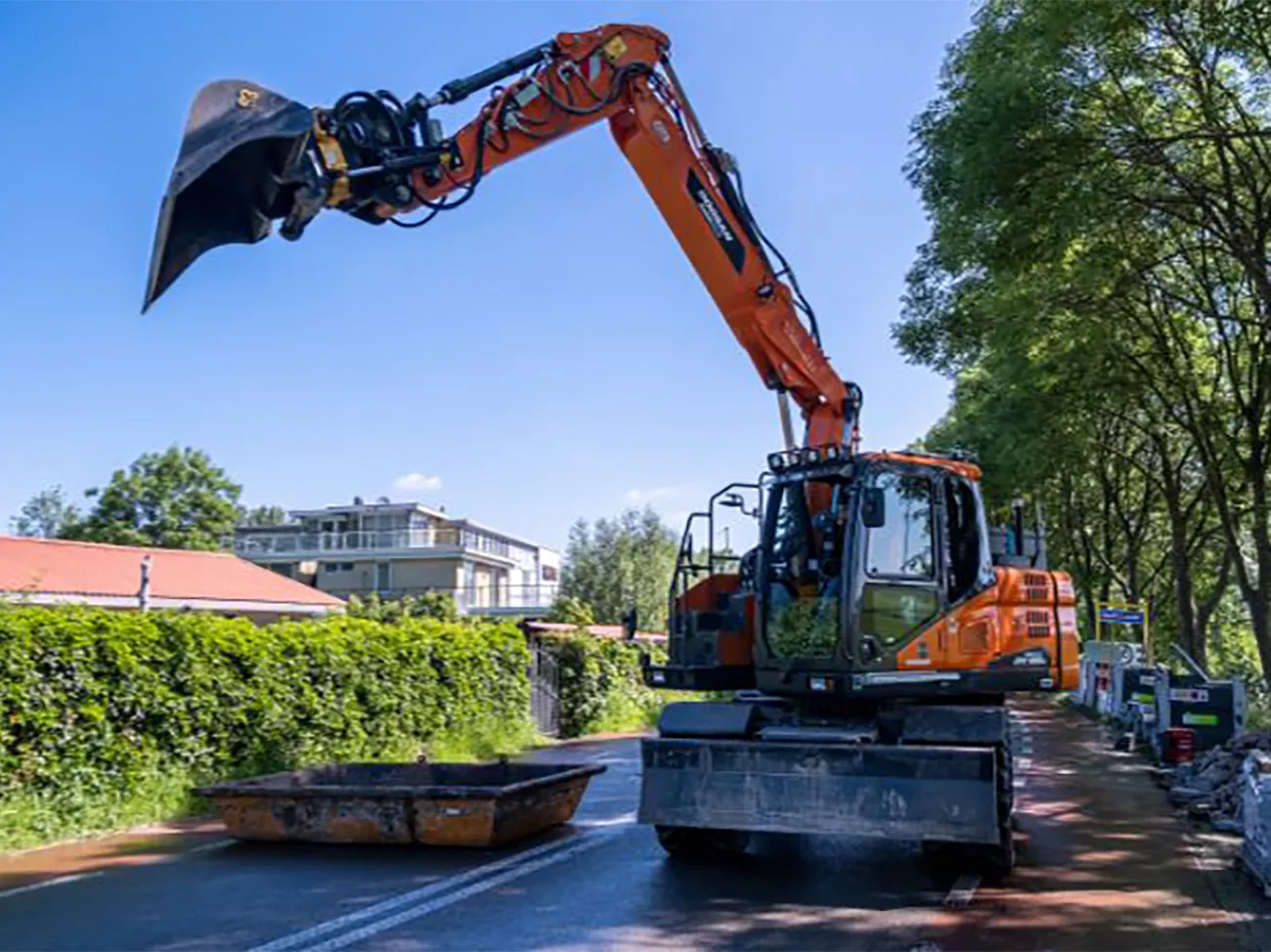
All the points above help ensure that our machines are safe. We want to prevent operators or technicians from coming into contact with high voltage, which is, of course, life-threatening. The Netherlands is one of the leaders in safety measures. This helps create a safe working environment, and we hope we can set an example for other countries.
Would you like to find out more about this subject? We recommend reading this document: https://unece.org/fileadmin/DAM/trans/main/wp29/wp29regs/2013/R100r2e.pdf
Question about this story? Ask your question
Keep following this
Get an email when a new story is published. No account needed.
- SubjectGeneral







