












NEN9140 at machine level
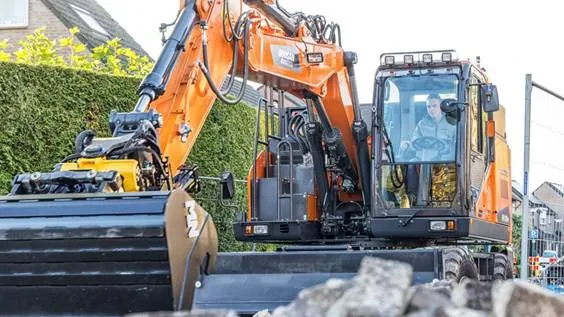
High-voltage vehicles are appearing everywhere. There are ever more electric cars, buses and lorries, as well as earthmoving machines. There are still few European regulations on working safely with these new technologies. In the Netherlands, this has been addressed with the NEN9140 standard for working safely on electric vehicles.
What is NEN9140?
The NEN9140 standard is derived from NEN3140, the standard for the operation of electrical installations. It has been adapted to provide guidelines for the automotive industry. The standard sets specific requirements for working safely on vehicles by identifying electrical hazards. NEN9140 also lays down requirements for the safe storage of (suspected) damaged electric vehicles and electrically hazardous components from electric vehicles.
Working safely
It is important to provide everyone with proper training to work on and maintain electric vehicles. Together with a certified trainer, we provide machine-specific training tailored to our system. This ensures that everyone who attends our training is properly trained and aware of the safety requirements.
In the Netherlands, only certified technicians are allowed to work on high-voltage electric vehicles. There are three levels:
• Adequately trained
• Competent
• Responsible for the work
Depending on the work involved, an employee may or may not be permitted to carry out certain tasks.
Working together to keep improving
Working with a certified trainer allows us not only to develop specific machine training for our technicians, but also to further develop our machines. This collaboration has highlighted various points that can be incorporated to improve safety for technicians, emergency services and inspectors.
This enables us to establish a standard for our machines by considering the essential points, ensuring that each machine is equipped with all the necessary safety components. These include:
• Preventing unintended movement
• Isolating the battery from the high-voltage system
• Preventing reconnection
• Checking that the high-voltage system is de-energised
• Covering live high-voltage components
For example, we provide connectors that physically disconnect the batteries from the machine, as well as ways to lock the system to prevent it from being switched on. Naturally, everything is documented in protocols to ensure safe working practices.
Question about this story? Ask your question
Keep following this
Get an email when a new story is published. No account needed.
- SubjectGeneral







