warehouselogistiek.eu
EN

The platform for internal & external logistics, supply chain and automation
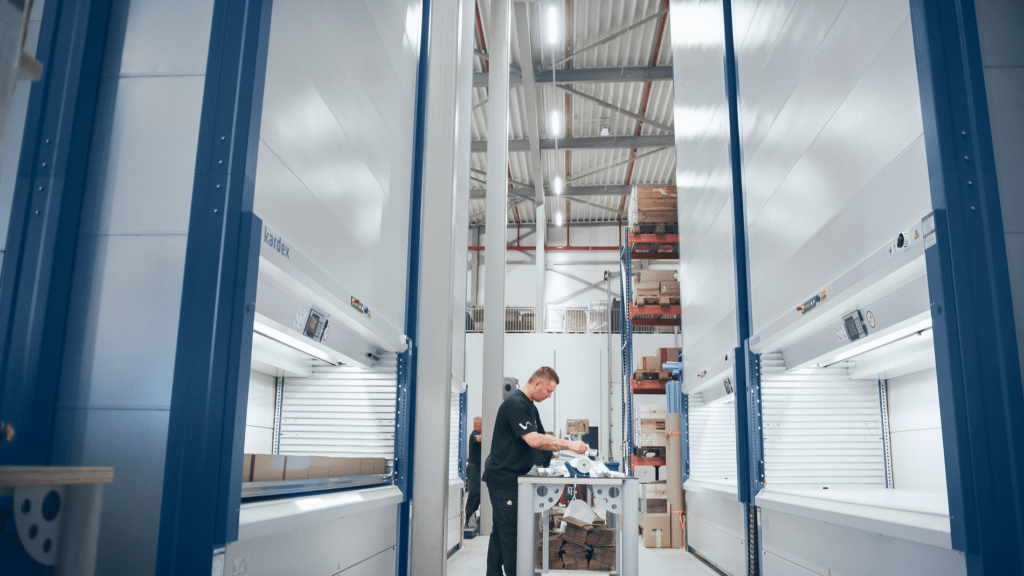
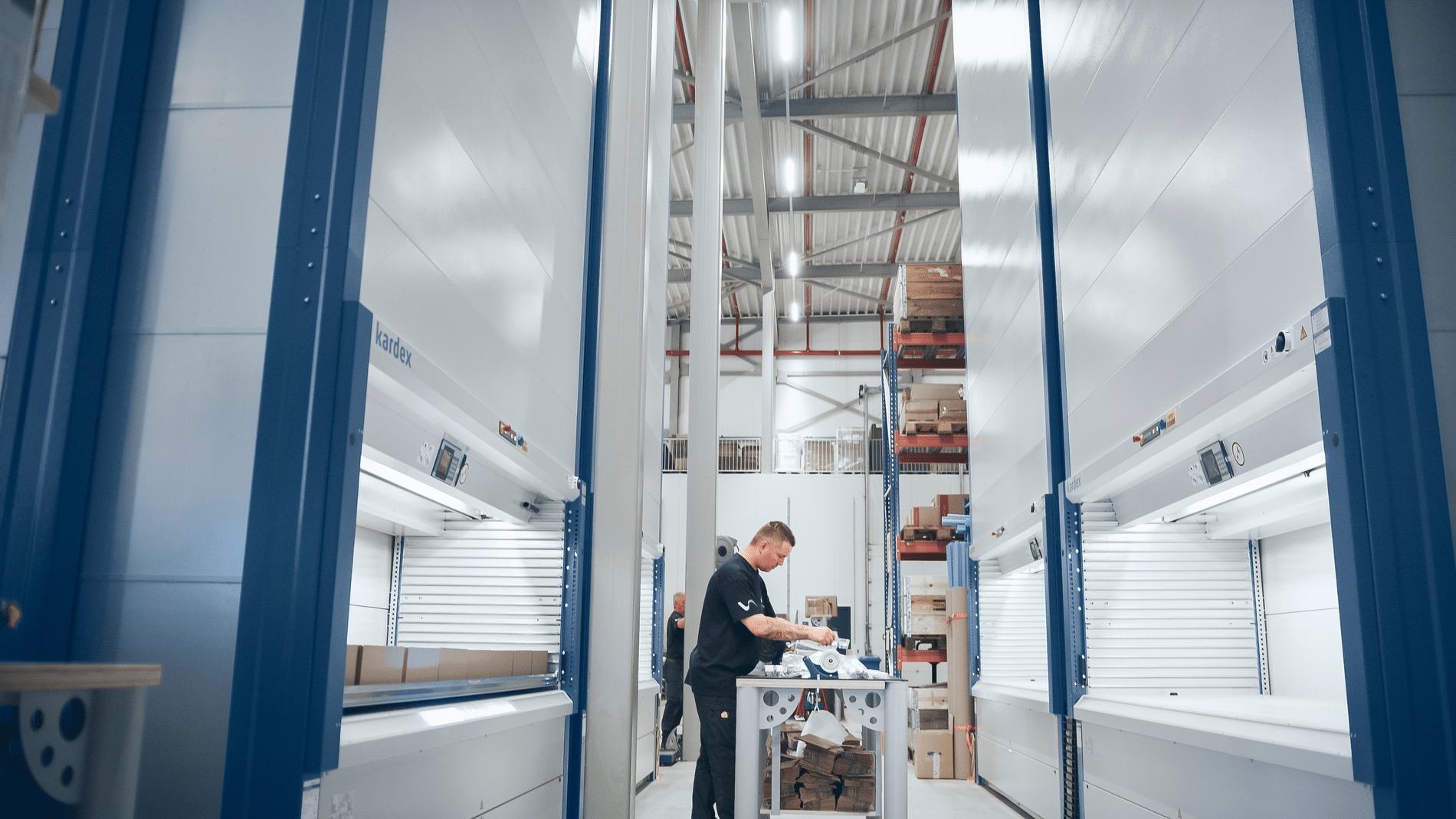
A lack of space due to an expanding product range, a large number of slow-moving items, or an inefficient warehouse layout. These are all legitimate reasons for a company to consider automation. Hans Zevenbergen, Sales and New Business Manager at Kardex: “A thorough discussion provides valuable insight into where your company should start and which type of automation is right for you as a business owner.”
A growing company will inevitably run into logistical challenges. Excess inventory leads to unnecessary costs. An inefficient warehouse layout costs time and money, in part because warehouse staff have to travel long distances. “Companies see automation as a solution, but don’t know where or how to start. A conversation, a deep dive into the data, and a clear understanding of the processes quickly give us a picture of the options.”
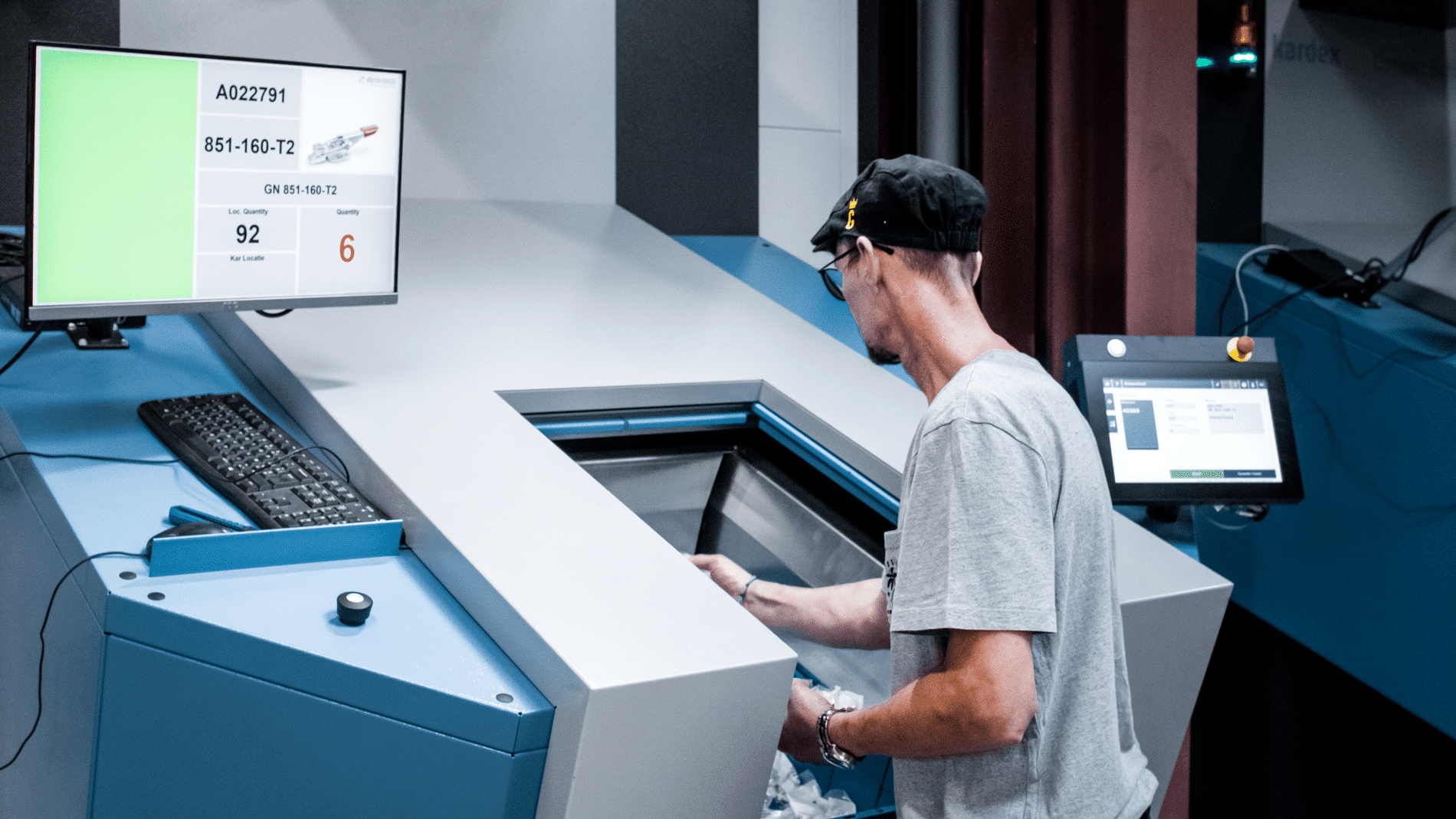
“We need to automate—that’s the thinking,” says Zevenbergen. “That’s often true, but the challenge lies mainly in choosing the right step. Precisely because Kardex works with so many companies, it can serve as a sounding board for business owners. “To advise a company, we want to understand its processes. In addition, we look at future processes, how order flows work, which systems the information comes from, and how items are shipped. No two companies are exactly the same, yet there are plenty of options.”
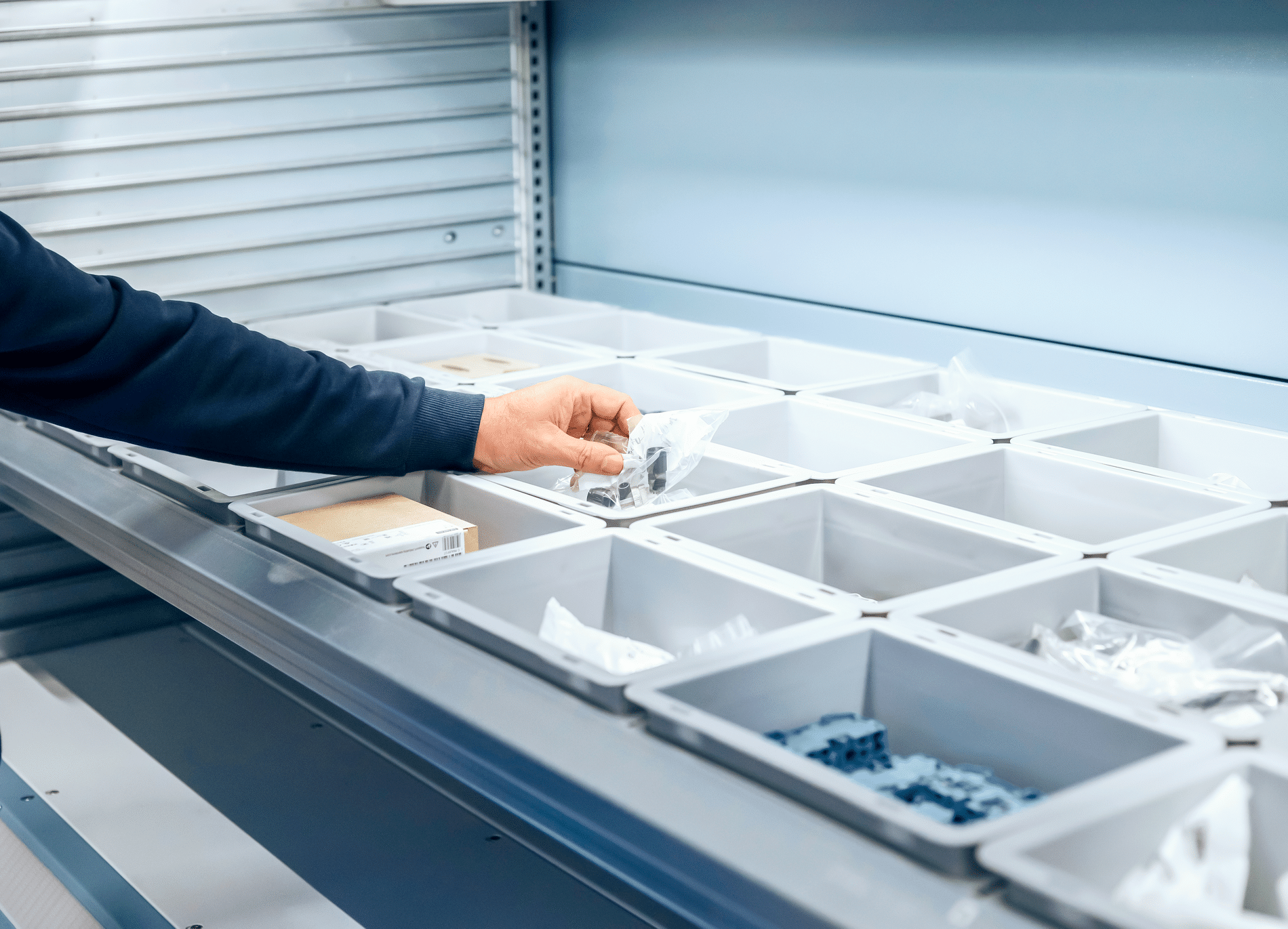

Zevenbergen argues that many of the problems companies face can be solved with some form of automation. “Take the space issue, for example: spending too much time picking orders, walking long distances, and making mistakes due to time constraints. These kinds of issues can be addressed with one or two Kardex systems. The systems” software also checks orders for completeness and accuracy.“ He sometimes sees a bit of ignorance, but just as often, fear about how to get started. ”It doesn’t have to be complicated at all. You can convert your current operations into a more automated process—as long as you know what you’re doing and how you want to continue doing it.”
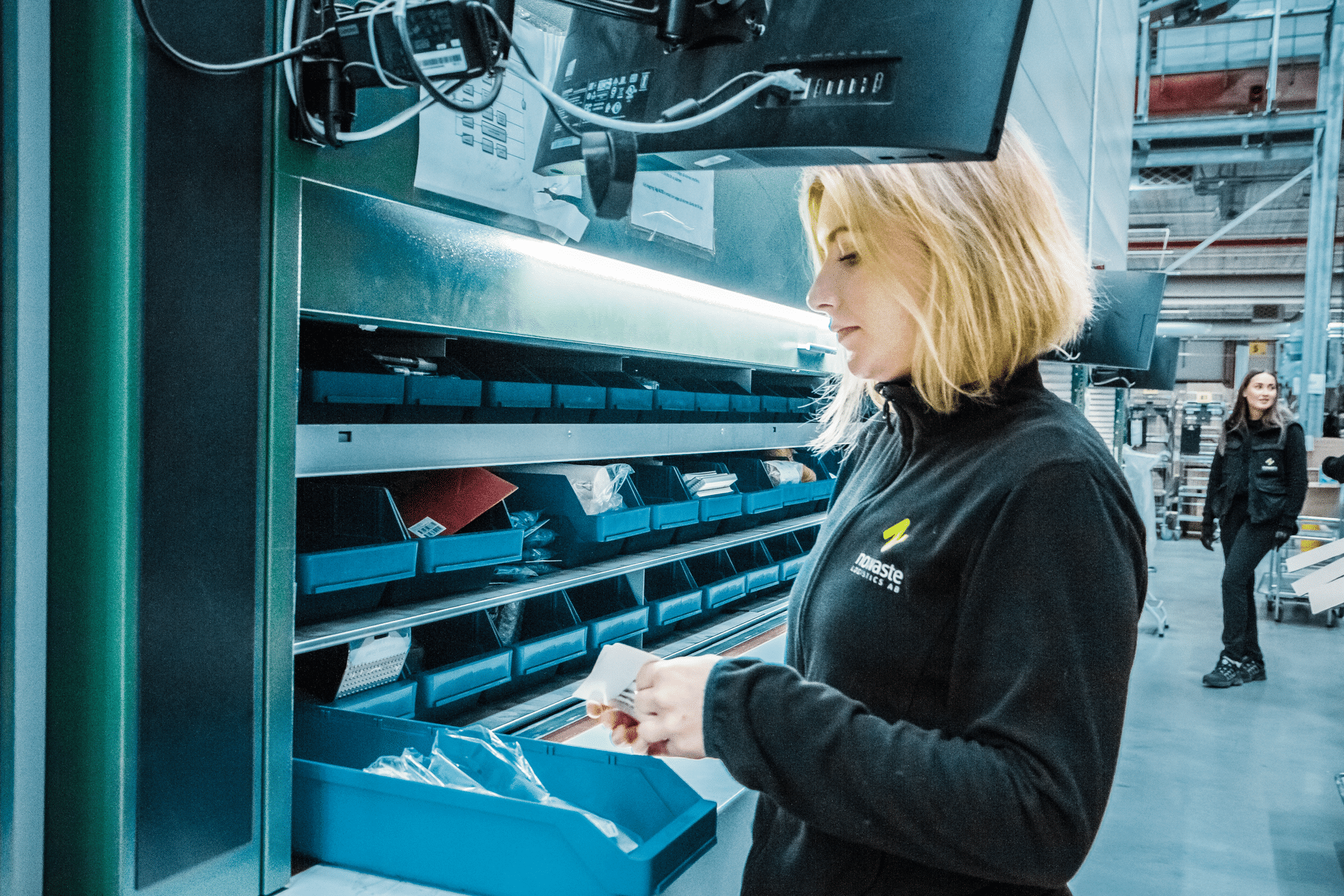
Automation creates space and provides insight, as is the case with a Kardex customer that manufactures pumps. The components are stored in bins in the warehouse. Before automation, an employee would pick all the parts for a pump. If something was out of stock, it had to be ordered, and the rest of the picked order would sometimes sit at the production site for a week. “By gaining earlier insight into missing parts, order picking can now be planned more effectively. This has created more space and allows disruptions to be identified sooner.”
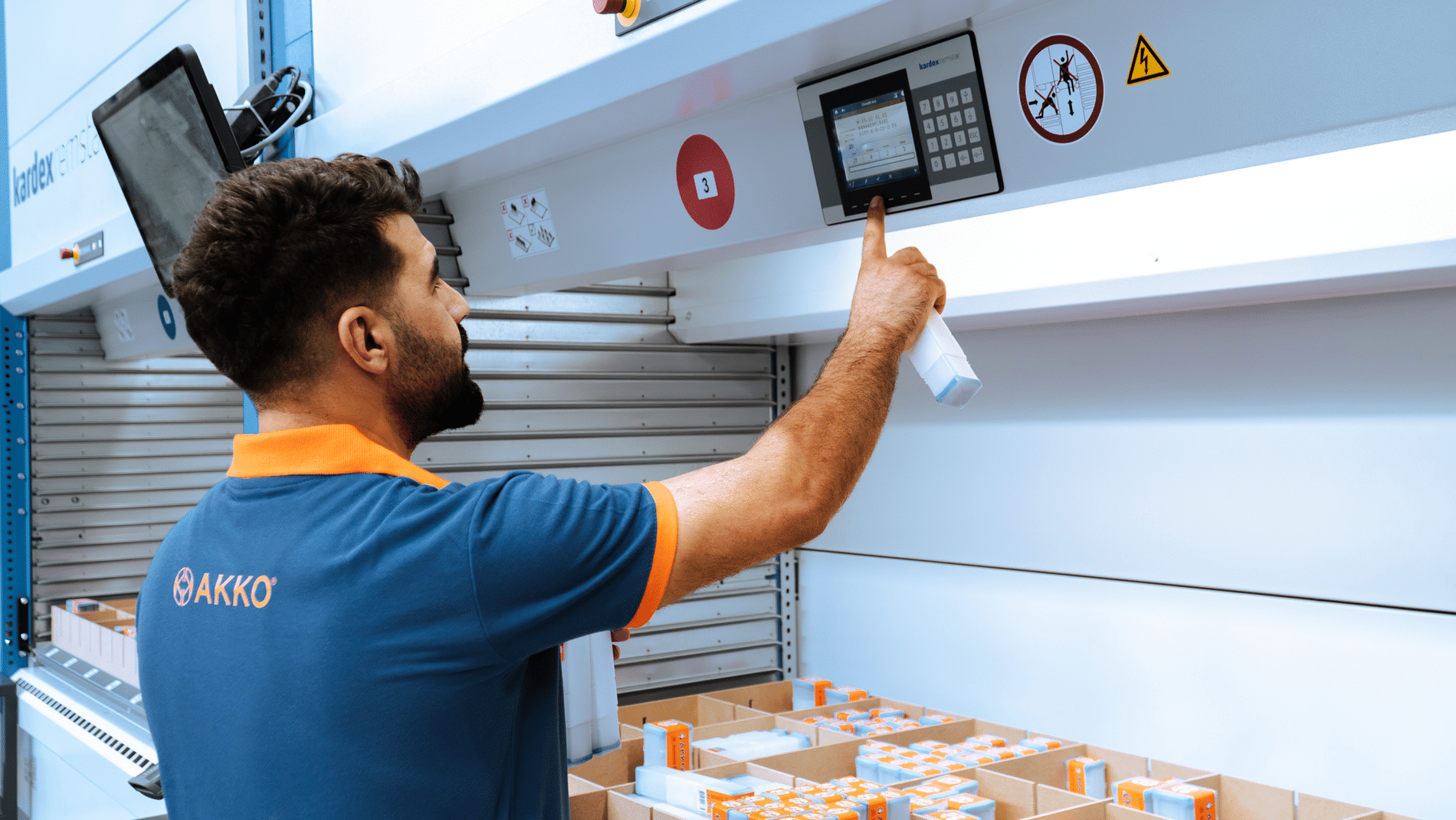
For many companies, automation doesn’t start with choosing a system, but with understanding the existing process, says Zevenbergen. “A good conversation goes a long way toward clarifying things. How do order flows work? Where do bottlenecks occur? And what growth do you expect in the coming years? After that, we look at factors such as capacity, budget, and product dimensions. Small items often require a different solution than large or heavy products. Sometimes a single system is sufficient; other times, a combination of different storage methods makes more sense. There is no one-size-fits-all solution. That’s precisely why it’s important to first understand the process and only then choose the technology. At Logistica Next, we look forward to discussing this with companies.”