












Iveco S-Way is now even cleaner thanks to Bio-LNG
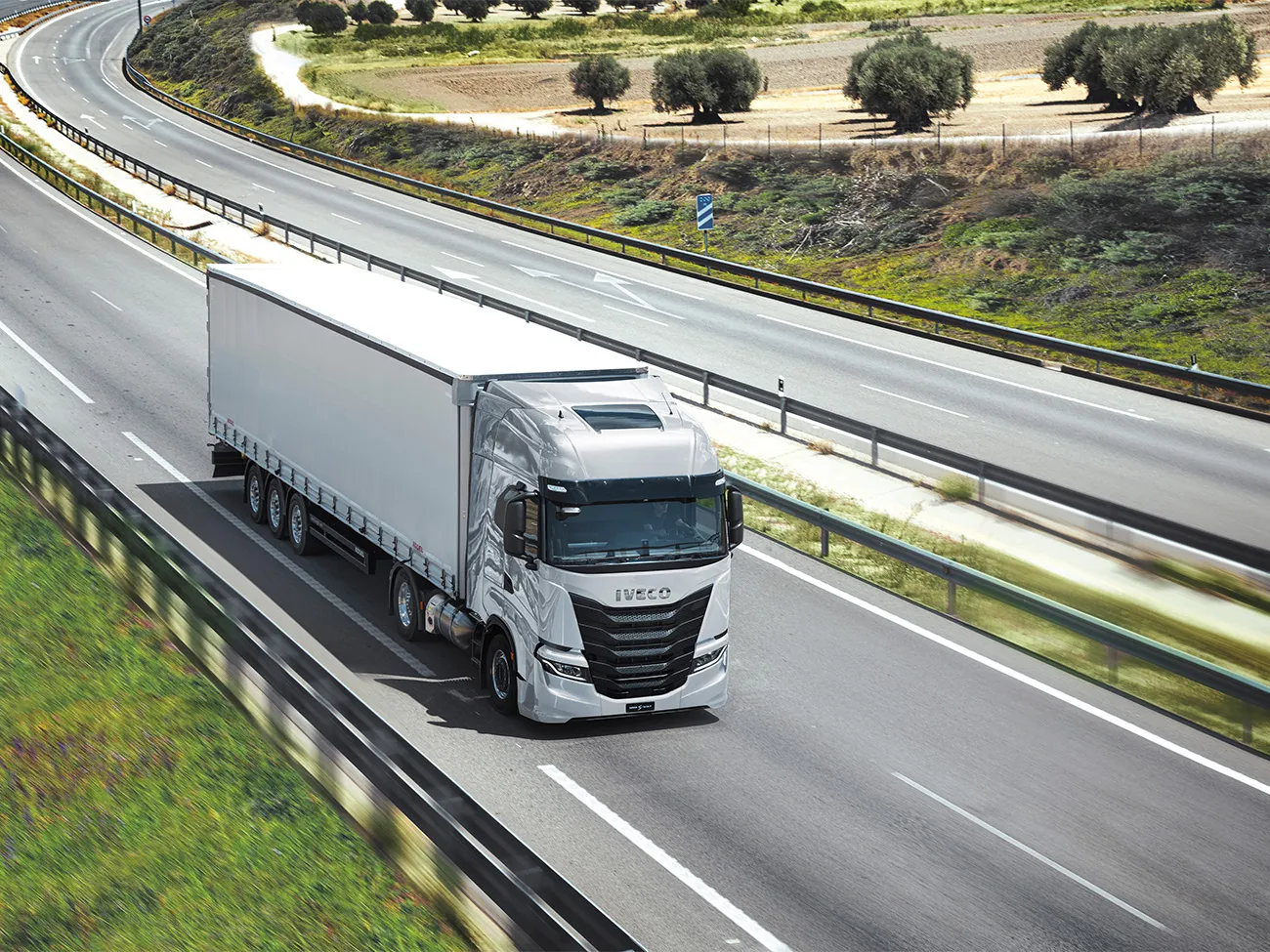
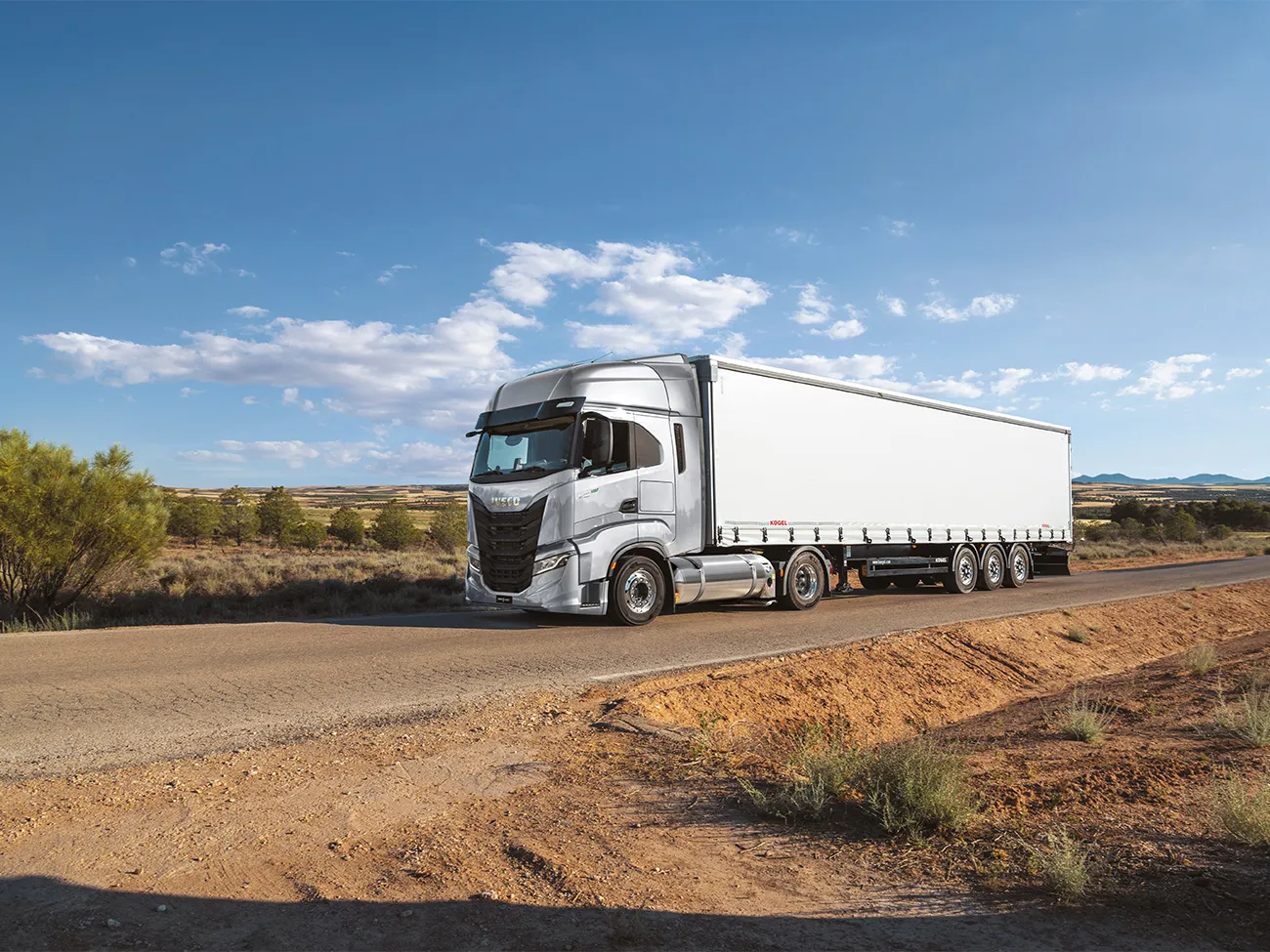
There is plenty of forecasting and planning when it comes to alternatives to diesel, but much of it is still in the future, while CO2 emissions need to come down now. Electric trucks are still mostly rigid vehicles, however, and hydrogen trucks are still years away. So, says Iveco, if you want to cut CO2 emissions now, your best bet is to buy an Iveco S-Way running on LNG, especially now that Bio-LNG is becoming widely available. “That is the best way to help meet climate targets in the short term.”
Climate targets are still not on track. Now that the coronavirus pandemic has largely been brought under control, climate experts conclude that the ‘climate gains’ from lockdowns have largely been wiped out. Action is therefore needed as soon as possible to reduce emissions.
Iveco is a pioneer in LNG-powered trucks. The company has been leading the way with this technology for nearly ten years and has secured a good market share in the supermarket distribution segment. Over that period, LNG technology has improved considerably. These applications often involve shorter distances and heavy loads.
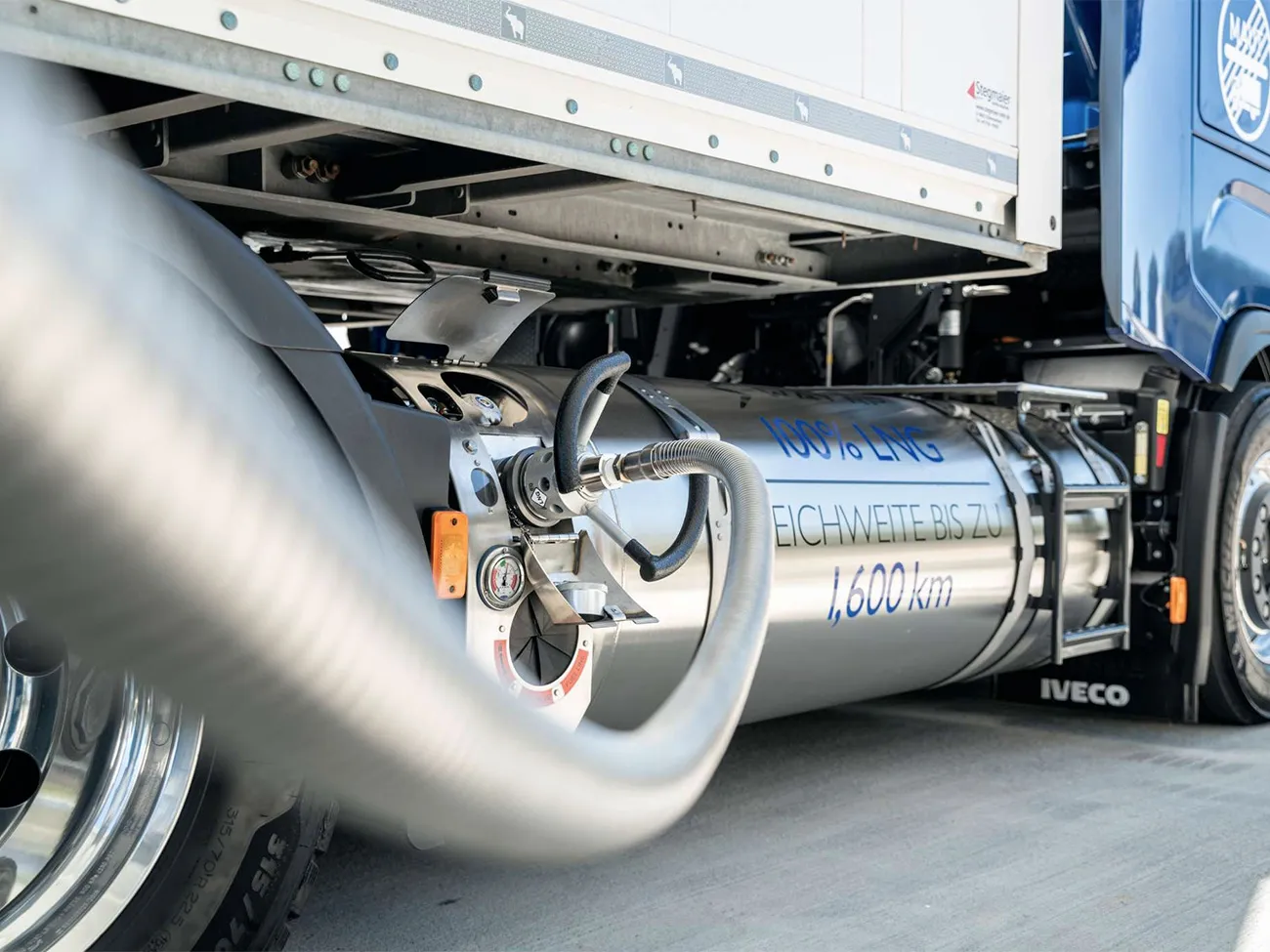
“Iveco has proved that our trucks are perfectly suited to this type of work. But that is only part of the story. The S-Way is the LNG truck with the longest range. We have the most practical truck chassis layout, which allows us to fit larger tanks. This makes our trucks ideally suited to longer journeys. More and more customers are realising this and using the S-Way, sometimes even as an LHV, on international routes,” says Loek Vroon, commercial director at Iveco NLS.
Biogas
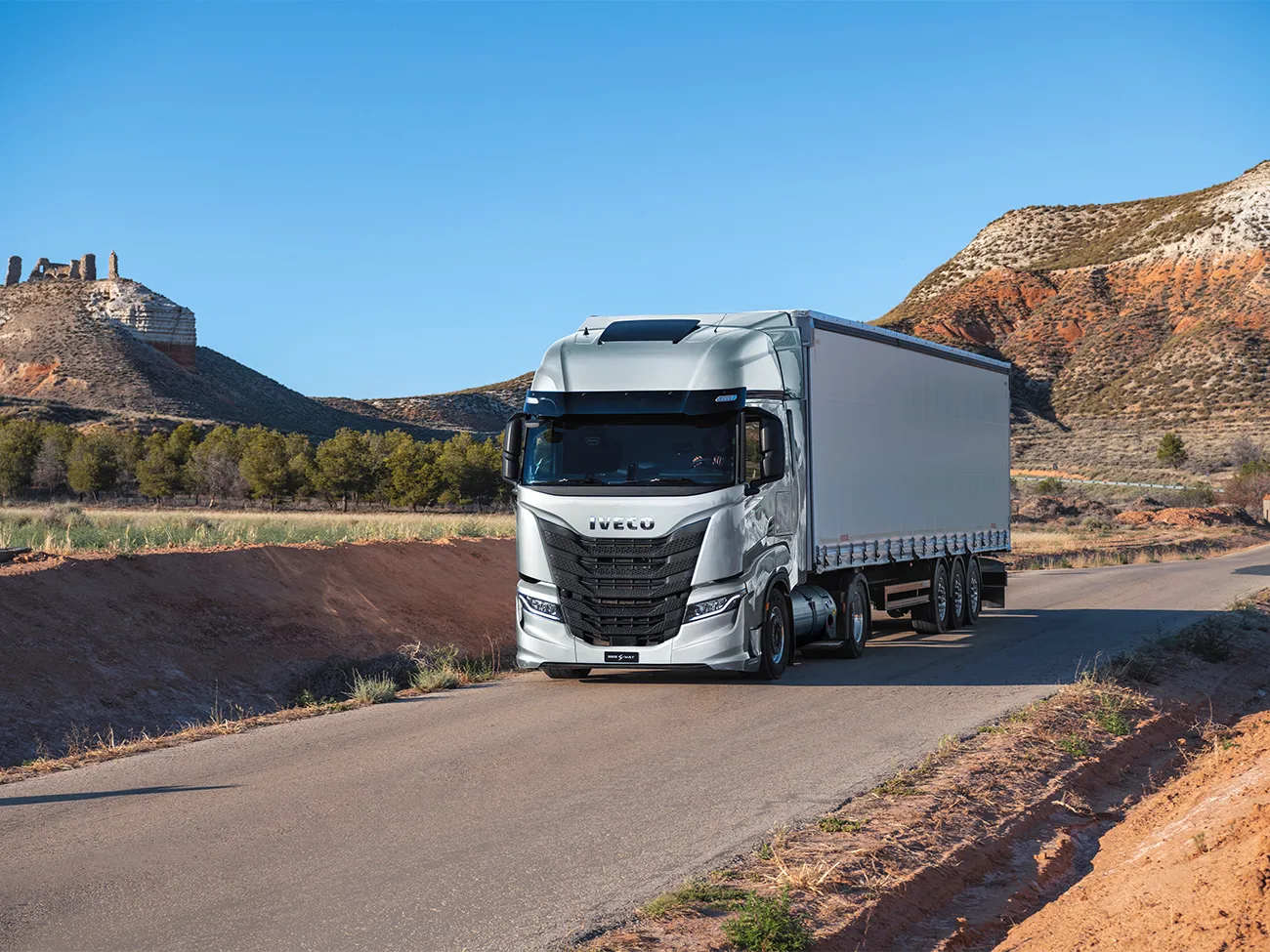
Today’s LNG trucks reduce CO2 emissions by 20 per cent and are no more costly to run than their diesel counterparts. But Bio-LNG is set to take off as a fuel in autumn 2021. Its availability means that the same trucks, using the same technology, can achieve a CO2 reduction of almost 100 per cent. The feedstock for LNG comes from waste, which was the original idea behind LNG.
Bio-LNG can now be produced on a scale that enables regular deliveries to the growing network of LNG filling stations in the Netherlands, at the required quality. “Our aim is to ensure that waste does not simply end up in an incinerator. Bio-LNG is a way of reusing waste as truck fuel, while immediately reducing CO2 emissions from road transport,” says Iveco.
Although trucks can run on 100% Bio-LNG, initially, as Bio-LNG deliveries get under way, it will be blended with 30% LNG, the highly chilled natural gas we are familiar with. “This allows us to achieve widespread use of the gas in a relatively short time and already deliver a substantial reduction in CO2 emissions from road transport.”
First plant
The first Bio-LNG plant in the Netherlands recently opened in Amsterdam-West. A number of partners are working together there, aiming to produce around 3.4 kilotonnes of Bio-LNG a year, which would prevent more than 14.3 kilotonnes of fossil CO2 emissions. That is enough to power 13 million road kilometres. Bio-CO2 is also produced during Bio-LNG production. This is captured for reuse in greenhouse horticulture, creating an exceptionally efficient and environmentally friendly chain.
This was the aim when the LNG project began: to produce a fuel from waste streams that could be used in trucks. And this is only the beginning. Other parties are expected to start producing Bio-LNG too, resulting in greater supply and availability, as well as a denser network of filling stations.
Tenfold increase
The parties involved expect Bio-LNG production in Europe to increase tenfold over the next few years. This is very important, as it would make a relatively rapid and measurable reduction in CO2 emissions achievable. At the same time, less waste would need to be processed by incinerators, which are not particularly clean, as more waste is effectively reused. The tenfold increase is expected to be achieved within three years from now.
Bio-LNG therefore offers benefits in addition to the emissions advantages already associated with non-Bio-LNG. These include lower particulate and NOx emissions, as well as lower emissions when greenhouse gas emissions are measured across the entire chain, or well-to-wheel. The arrival of Bio-LNG has no noticeable effect on truck performance. Bio-LNG can also be blended, either with existing LNG or on its own.
The arrival of Bio-LNG is a clear win and vindicates the path Iveco chose at the time. Bio-LNG production has been designed to capture an additional residual product and reuse it in a sector in the Netherlands that is keen to become more sustainable.
The right path
For Iveco, the arrival of Bio-LNG confirms that the brand has chosen the right path towards sustainability. “With our range of LNG trucks, hauliers can make a significant contribution to climate targets in the short term, without having to make major investments. Iveco also offers the new X-Way, a truck ideally suited to construction work. All this can be achieved without any further concerns about higher costs, and no investment in additional equipment is required. Maintenance costs are comparable to those of a diesel truck, so that should not be an obstacle either.”
Question about this story? Ask your question
Keep following this
Get an email when a new story is published. No account needed.
- SubjectGeneral







