












DEUTZ helps pave the way to a sustainable world
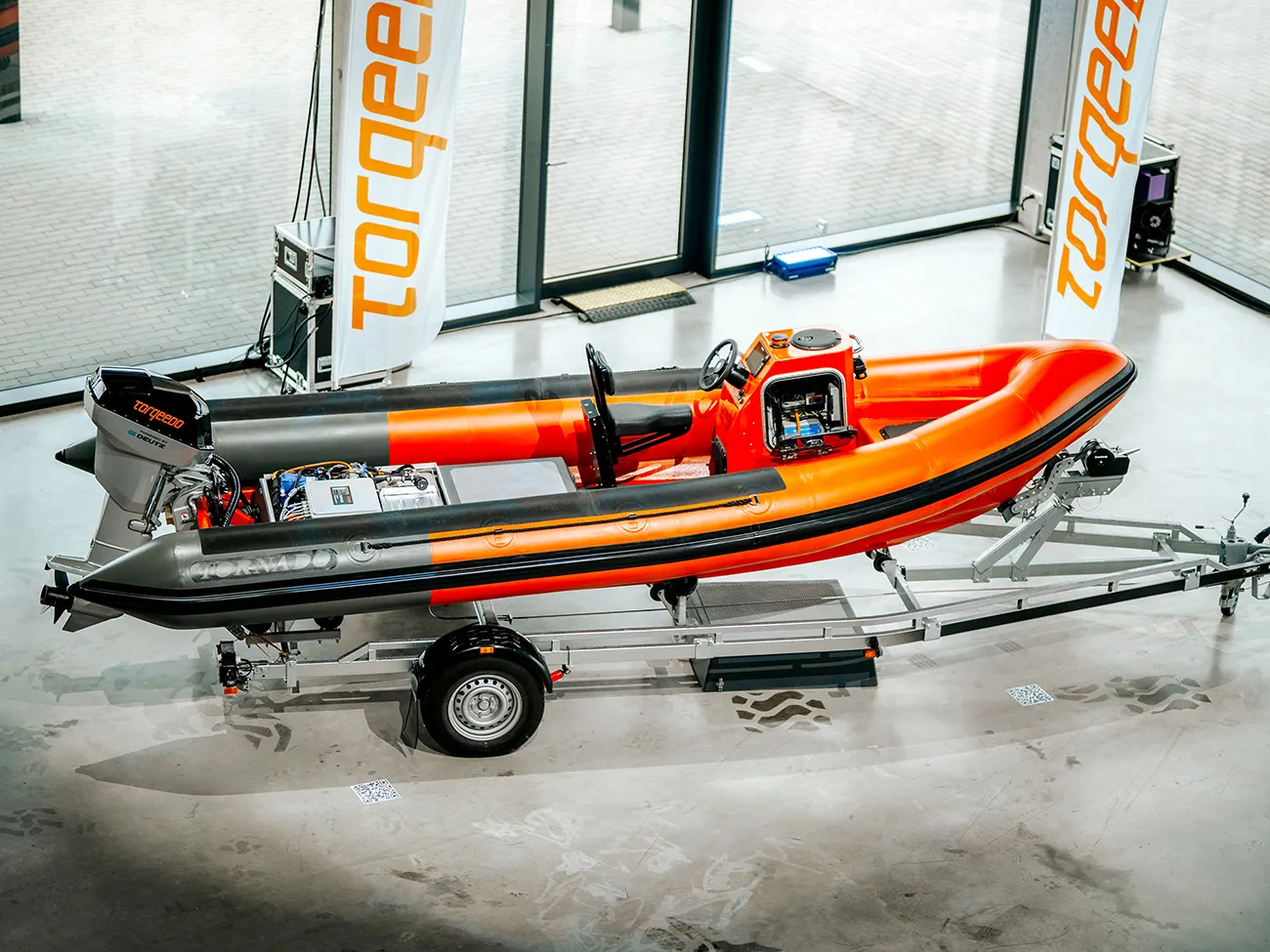
When it comes to green energy, it is fair to say that nothing is set in stone in the energy transition. While the focus is generally on which energy source will ‘win out over the rest’, Germany’s DEUTZ is exploring several ways to go green.
Innovation across the entire spectrum of drive systems
Dr Matthias Szupories, SVP Sales & Service EMEA Region at DEUTZ AG, and Bert van Hasselt, Managing Director of DEUTZ Benelux, show that DEUTZ is much more than a manufacturer of engines for industry and agriculture. “DEUTZ wants to play a pioneering role in the energy transition. Our innovations are primarily about developing affordable, future-proof drive systems, lowering the barrier for customers who want to work sustainably,” says Matthias Szupories as he opens the conversation.
Working with low emissions
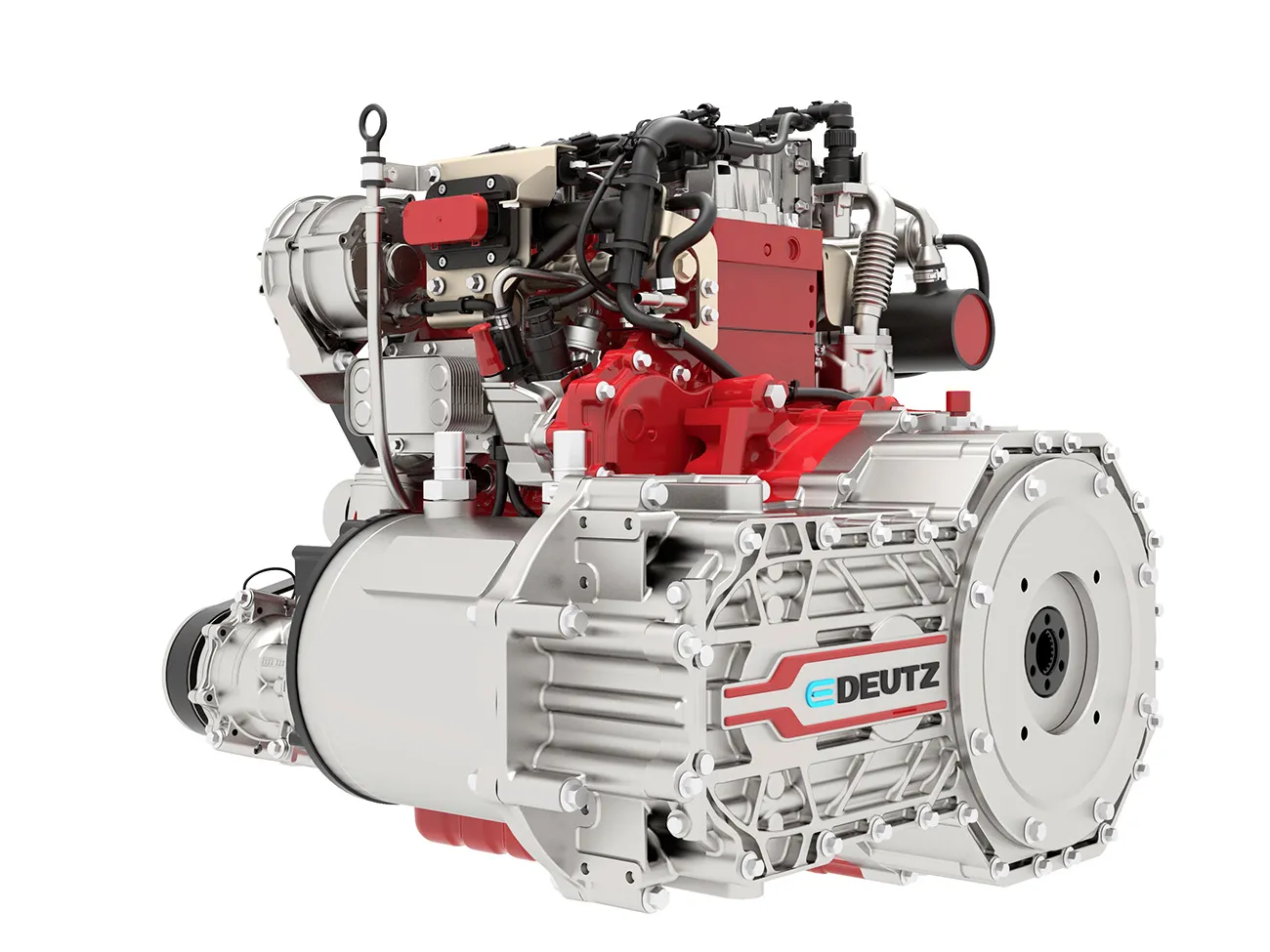
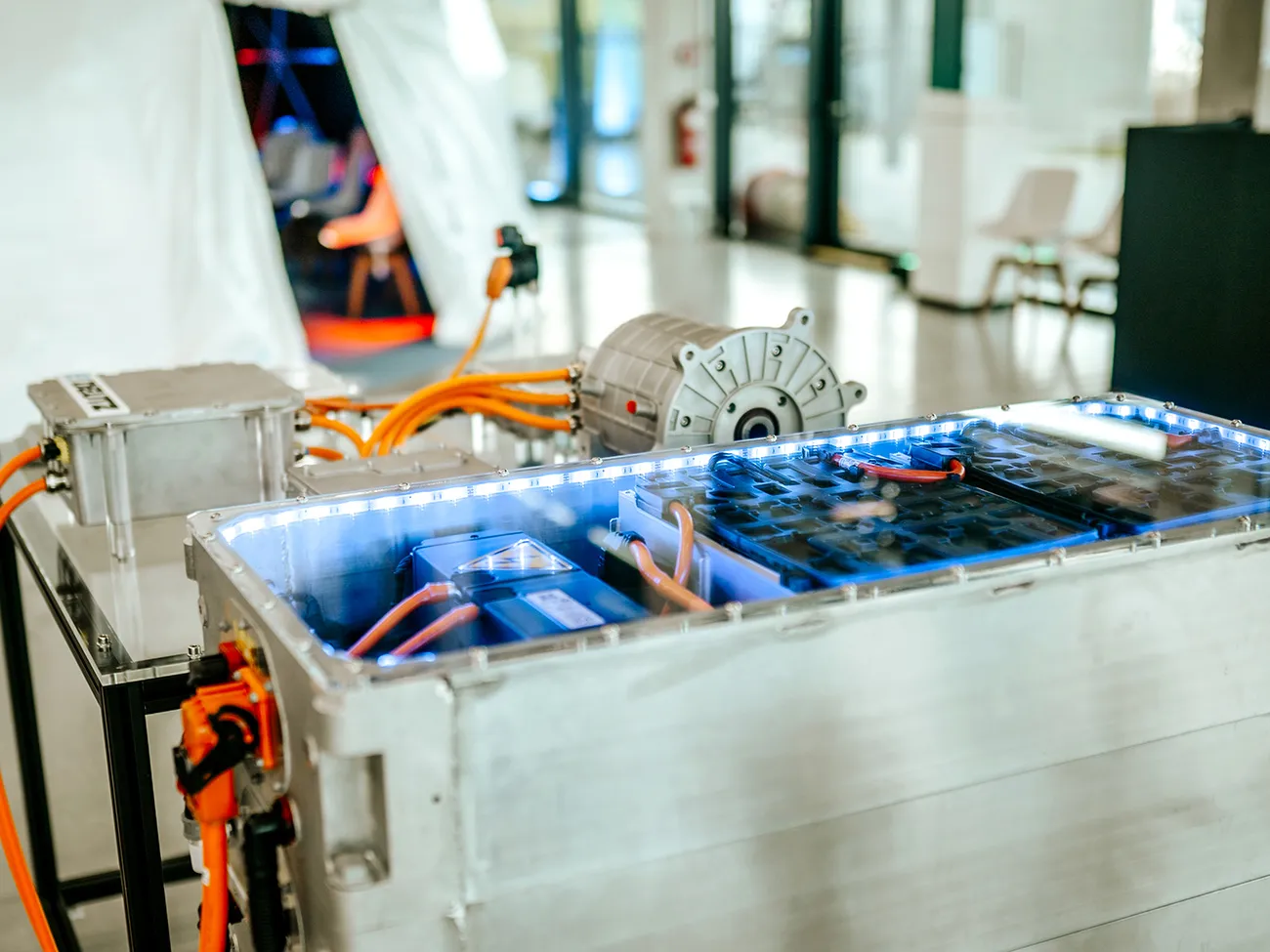
Szupories: “As a company, DEUTZ wants to play an active part in ensuring that diesel engines are no longer seen as purely harmful to the climate. We do this in various ways, for example by promoting our Stage V engines. So we are not saying goodbye to diesel, but we do want to ensure that people work with clean diesel engines. A modern diesel engine running on e-fuel is even 100% climate-neutral. That is the first gain, since we cannot yet electrify large machines efficiently or always convert them to hydrogen technology. That does not mean we are not fully committed to developing electric motors, hydrogen combustion engines and hybrid systems running on a combination of electricity and hydrogen.”
Van Hasselt adds: “Sometimes it seems that the focus everywhere is on electrification, but there is a lot of discussion about hydrogen in the world of large machines. That is why DEUTZ takes a technology-neutral approach to sustainable forms of propulsion. We want to stay in the game across the board.”
Szupories asks a pertinent question: Is it sustainable to replace a machine with an older, high-emissions diesel engine entirely with a new machine fitted with a modern diesel engine? “We do not think so, because a lot of embodied energy has gone into manufacturing such a machine. That is why it makes sense to replace the old diesel engine with a clean, fuel-efficient and quiet Stage V version. That is an improvement without destroying capital.”
DEUTZ is strongly focused on expanding its service offering, opening new branches and carrying out repairs and modifications in-house. Van Hasselt: “We want to be closer to customers everywhere and help them find the most efficient solutions. That lowers the barrier to working more sustainably. We have the expertise and can guarantee that our service is delivered properly.”
Developing energy storage systems
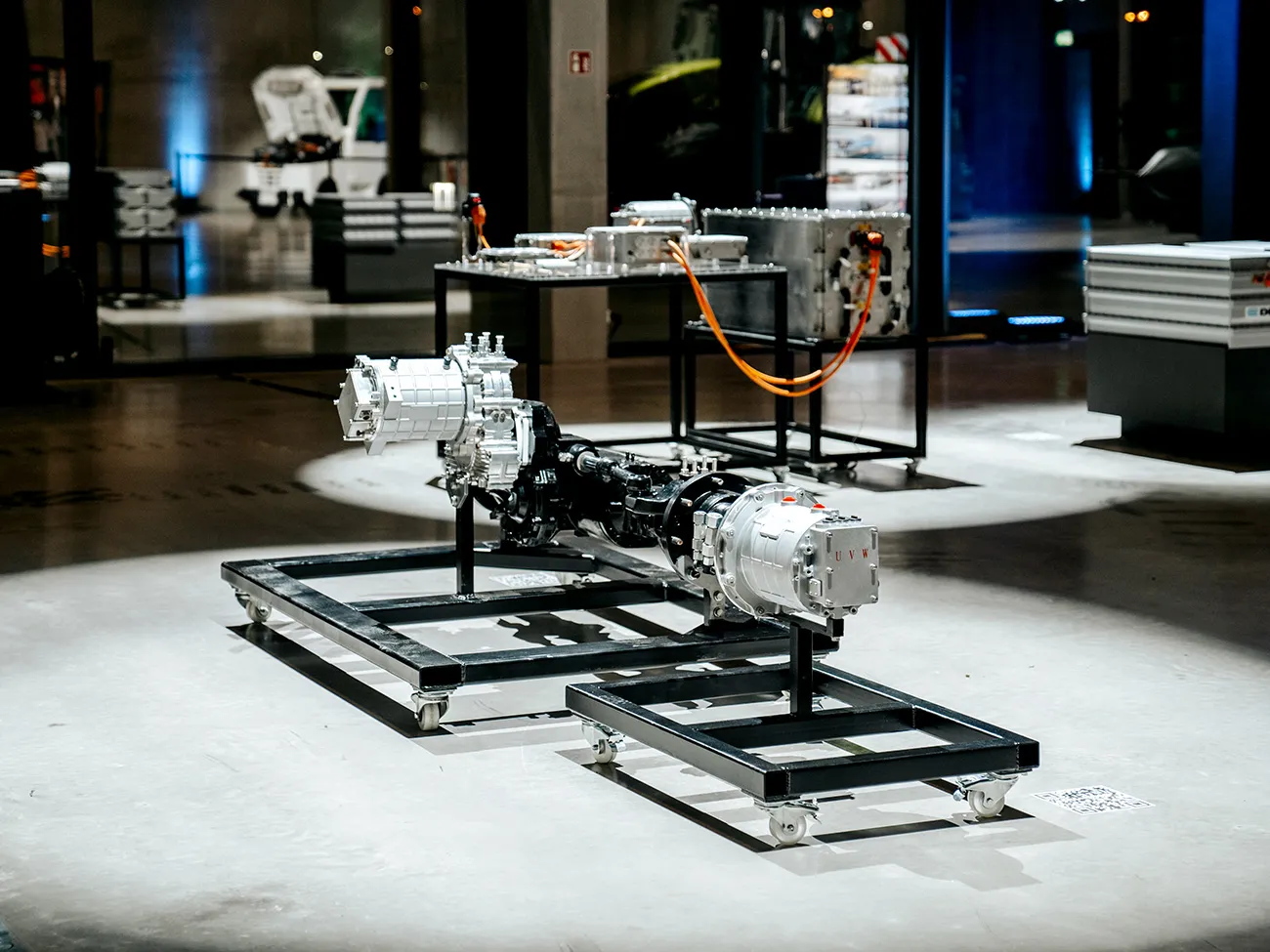
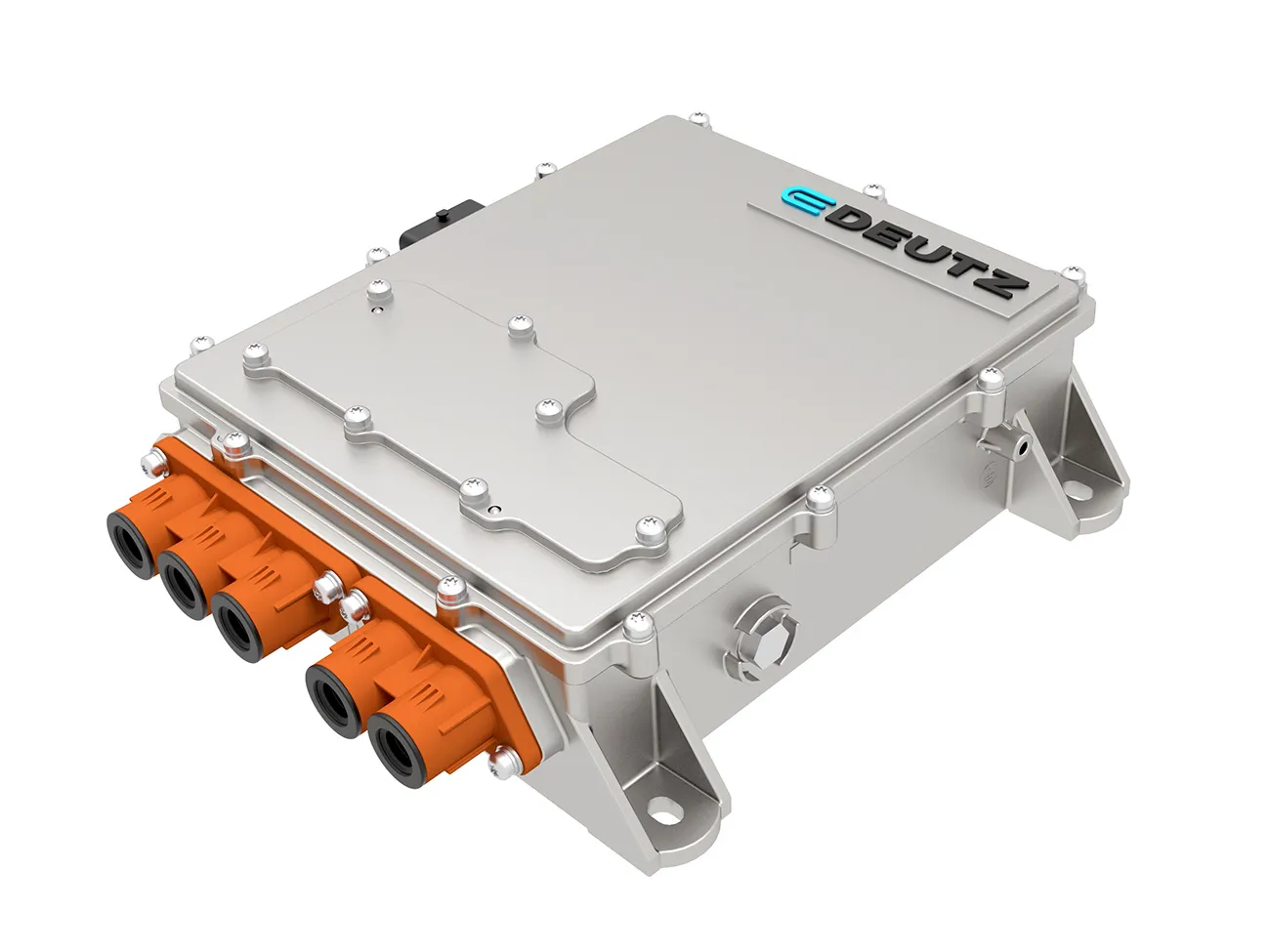
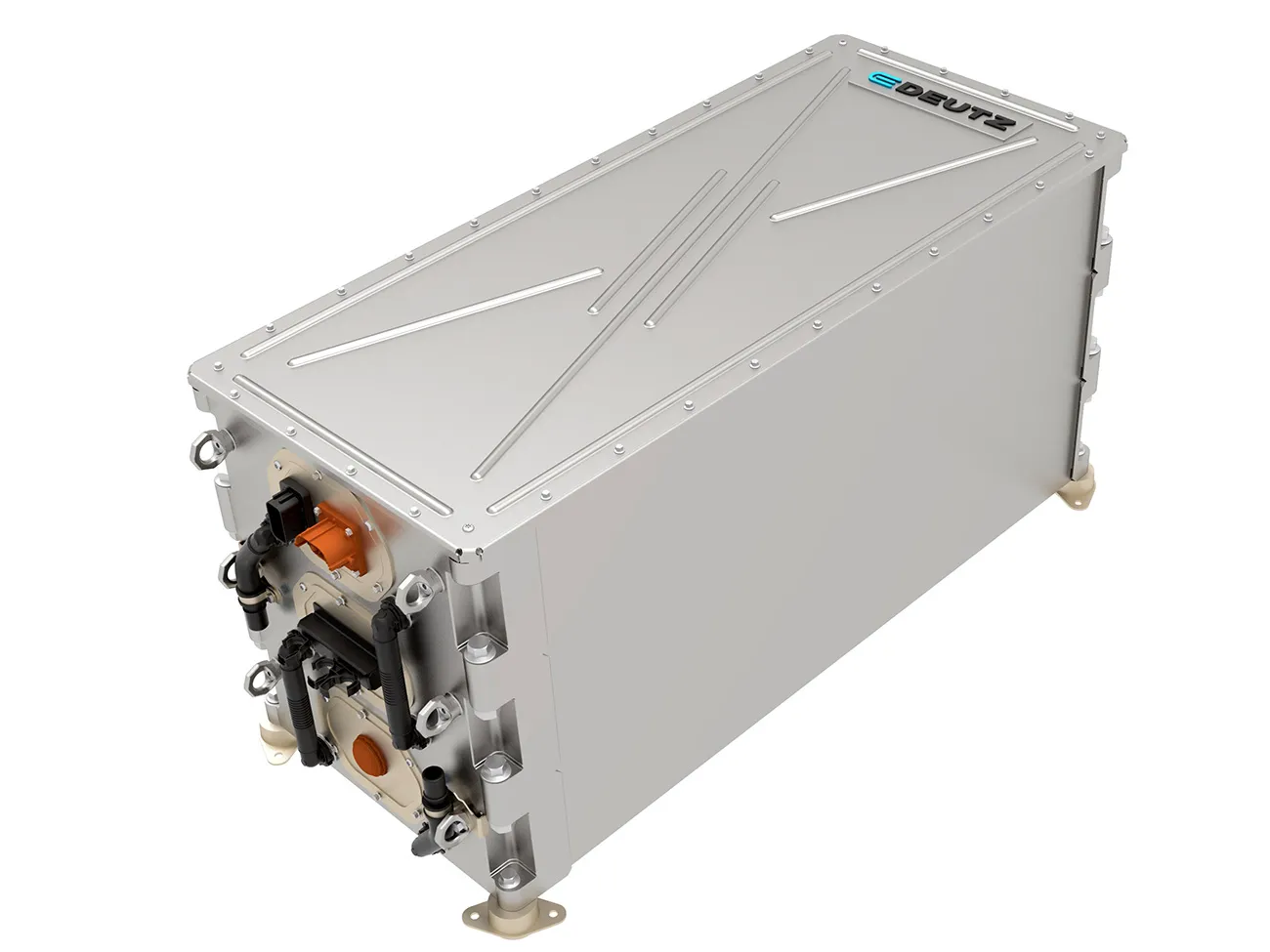
Thanks to DEUTZ’s extensive expertise and relentless drive to innovate, many major manufacturers are switching to DEUTZ. “We help with electrification in the 20 kW to 100 kW range, as well as hydrogen-powered drives and hybrid solutions combining electric power and hydrogen,” explains Szupories. “What makes us unique is that we also consider where the energy should come from. Both governments and companies give us scope to experiment, and we are working towards self-sufficiency in energy distribution.”
To clarify: “Our ‘PowerTree’ containers are equipped with batteries charged using wind and solar power. This gives us a ‘provider concept’. DEUTZ delivers energy wherever the customer wants it: in the city centre, on a construction site or in a residential area. The customer tells us where the power socket needs to be, and we make it happen. The customer hires mobile power from us. This also lowers the barrier and makes working electrically accessible to everyone. We are developing similar distribution options for hydrogen, although storing and transporting hydrogen is a much more complex matter.”
Van Hasselt: “In the Netherlands, there is not yet an OEM that takes energy systems into its own hands. We still have to deal with sub-optimisation, where energy distribution is only considered afterwards. We do both in tandem.” Szupories adds: “A 100% switch to electrification overnight may be desirable from a climate perspective, but it is not feasible. That is why every drive technology must deliver significant emissions reductions on the way to the 2030 and 2050 climate targets. Our hybrid engines, for example, already achieve reductions in NOx and CO2 emissions of up to 70%.”
Supplying energy systems
DEUTZ prefers to talk about supplying energy systems rather than engines. “If we want to be sustainable, we have to look at the whole picture,” says Szupories. “A sustainable engine is no use without a reliable energy supply. If we did not fill that gap, working green would become far too expensive. But we cannot do it alone. We need help from governments, OEMs and, above all, end users. Together, we can make it work. We already do a lot ourselves, such as overhauls, and we invest in companies that help us achieve our goal. To reiterate, we are interested not only in selling new engines, but also in modifying existing ones. When DEUTZ carries out such a modification, the customer goes home with an engine that is as good as new, with a matching warranty. That is how we operate sustainably: an environmentally friendly engine, lower energy consumption, less waste and lower consumption of raw materials than with a new build are the key benefits.”
Van Hasselt: “Electric motors are ideal for new machines with low or medium power requirements. Replacing an older diesel engine with a Stage V version can also achieve a great deal. Our hybrid electric/hydrogen engines can help kick-start the transition. Think of them as a bridging phase. With the path it has chosen, DEUTZ is moving towards multiple end solutions and aims to provide a broad range of answers to whatever lies ahead.”
A pragmatic approach
Szupories concludes: “Given the situation as it is now, and will remain, we cannot afford simply to put all our eggs in one basket. We will have to be pragmatic and look at the machine, how it will be used and its power requirements, then apply the most suitable and ideal drive system accordingly. That is why DEUTZ takes an integrated approach to propulsion and specialises in the industrialisation of such systems. The core values are safety, continuity and availability. We always go a step further in our development work, for example by having our systems certified to the latest applicable standards. At DEUTZ, the energy transition is not about short-term success, but about the sustainable development of the business.”
Question about this story? Ask your question
Keep following this
Get an email when a new story is published. No account needed.
- SubjectGeneral







