












Coronavirus testing in wastewater expanded
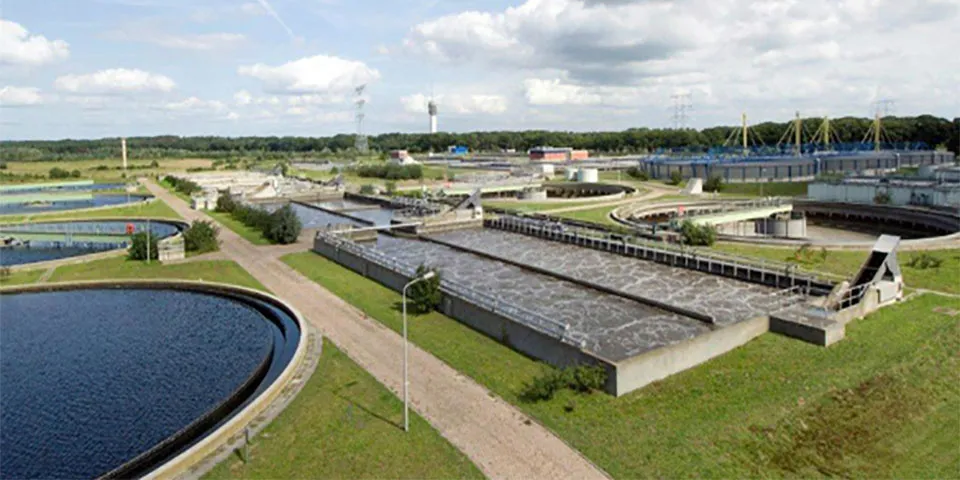
Water authorities and the RIVM are testing wastewater for coronavirus particles. This means wastewater from all people…
Water authorities and the RIVM are now testing wastewater for coronavirus particles across the Netherlands. This means wastewater from all more than 17 million people in the Netherlands is being tested. The data are published on the Dutch government’s updated Coronavirus Dashboard and are updated weekly.
Wastewater testing has expanded significantly in a short time, from 29 sampling points in April to 80 in August. Almost all 318 wastewater treatment plants in the Netherlands are now sampled every week. The water authorities take samples from the wastewater and make them available to the RIVM, which analyses the samples and interprets the data.
Big Brown Data
Sander Mager, board member of the Unie van Waterschappen: “The water authorities are doing everything they can to help make this ‘Big Brown Data’ accessible. We are keen to contribute to the major societal challenge of tackling the coronavirus. Wastewater measurements can help identify infection hotspots and trends in specific regions at an early stage. This is because people who are infected shed virus particles before they develop symptoms. These are valuable data that provide an early indication compared with data such as test results and hospital admissions.”
Virus particles
Researchers test wastewater collected over a 24-hour period. They do not measure infectious virus, but the virus’s genetic material, called RNA, which determines the virus’s characteristics. The test results show how many virus particles are present in the wastewater. The virus cannot be detected in the faeces of everyone with COVID-19, and some people have more virus particles in their faeces than others.
Differences by region and over time
The concentration of human wastewater can vary by region and over time, as can the number of virus particles per millilitre. This is because the wastewater entering treatment plants does not come only from households. It is often mixed with industrial wastewater and ‘extraneous’ water entering the sewer system, such as groundwater or surface water. Rainwater is also a major cause of dilution of domestic wastewater. Work is under way on a methodology to make these differences clear, so that measurement data from different regions can be interpreted more effectively.
Question about this story? Ask your question
Keep following this
Get an email when a new story is published. No account needed.
- SubjectGeneral







