












‘Automation in logistics is more a necessity than a luxury’
Text Jurgen Geys en Corvus Solutions Beelden Céline Geys en Corvus Solutions
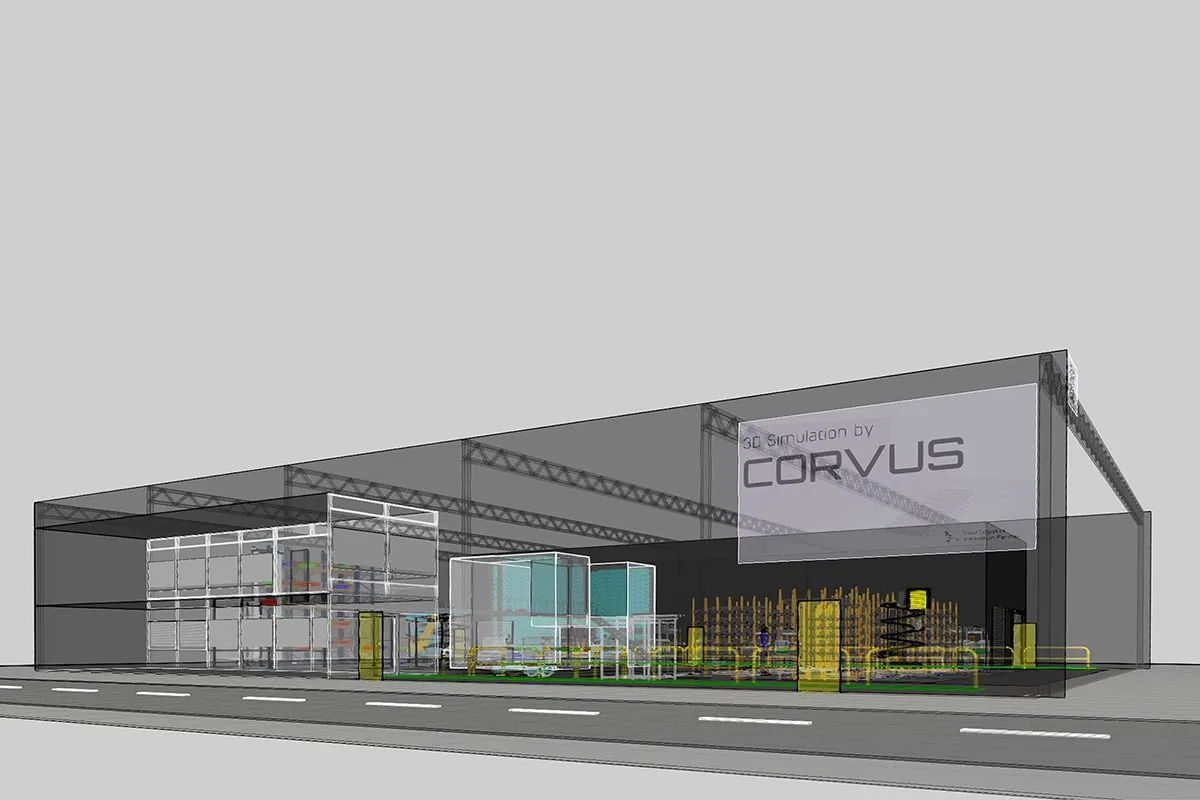
Automation in logistics is certainly no longer a luxury. Shortages of warehouse operatives, forklift truck drivers and other staff are forcing SMEs to look for alternatives to keep their goods moving. As someone said recently: “It’s not a ‘war for talent’, it’s a ‘war for people’.” SMEs are feeling the pressure in particular. Automation tailored to the shop floor is crucial here. It should not be adopted as a fad, but as a practical tool to support businesses.
It all starts with a solid foundation
Automation requires a sound, robust structure. Without a solid foundation, integrating automation can be a pitfall. Data is therefore essential. And to collect accurate data, you need a digital environment. A WMS is a good example, as it keeps precise track of where goods are stored in a warehouse. The WMS of tomorrow, enhanced with artificial intelligence, will also detect trends. This helps with the efficient design or optimisation of a warehouse.

Insight drives impact
Automation almost always starts with gaining insight. This requires not only a blend of expertise in logistics, industry and IT, but also a clear understanding of work processes. Integrators often know their own systems best, but can sometimes lack a connection with their customers’ specific needs. That is why it is important to visualise processes and make logistics’ ‘black box’ visible. You need to map what is missing yourself. AI-powered tracking sensors, for example, can map the movements of goods and vehicles in real time. Visualising this data in tools such as Power BI and others makes bottlenecks clearly visible and enables businesses to work more efficiently.
Which solution is right?
Companies are sometimes driven by hype. This is a risk, because trying to solve a problem with trendy systems without prior knowledge can lead to the wrong systems being applied. One example is the growing number of autonomous vehicles, not only on the road, such as Tesla, but also in warehouses or production environments, where horizontal movement is often required. The choice of automation depends on the needs. So which should you choose: an AGV or an AMR? Or should robots or cobots be used, for example, to place boxes automatically on a conveyor belt or stack them on pallets? Every challenge calls for a tailored solution. This does not necessarily have to be bespoke, but can be existing technology that solves the particular company’s problem.
People and machines working together
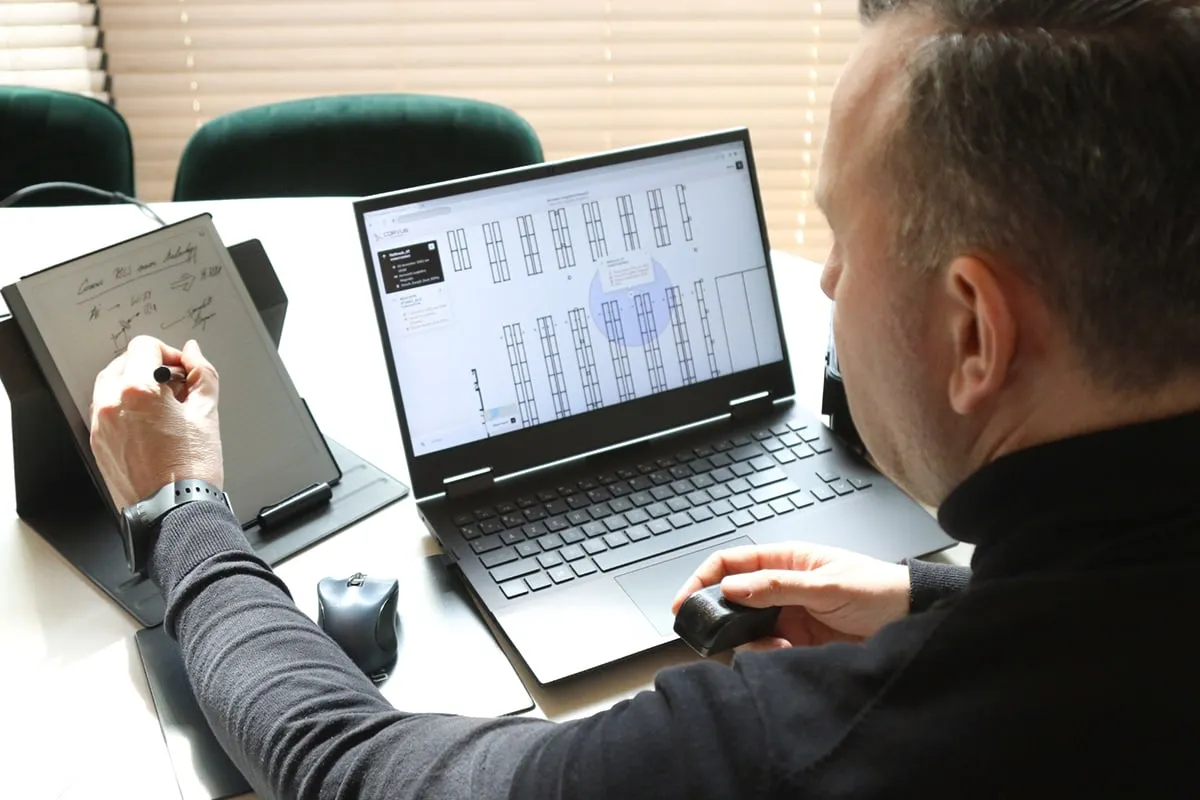
We must not forget that people and machines complement each other, says Corvus, an expert in logistics automation and innovation. This is more true than ever. Working together, they deliver more efficient processes and better results, and that is the future of warehouses and other logistics operations. We are also moving increasingly towards digital twins, digital copies of real-world environments. Corvus has been applying this approach for some time. It creates 3D digital twins, allowing new automation concepts to be tested without major investment. This speeds up integration and minimises risks. It also gives businesses the ongoing control they need over their processes, so they are ready, now and in the future. “One of our customers said recently: we need to embrace AI,” says Corvus. “And that’s right. Because innovation cannot exist without change.”
A business enquiry for Corvus Solutions? Get in touch
Companies in this story
Keep following this
Get an email when a new story is published. No account needed.
- SubjectGeneral
- CompanyCorvus Solutions







