The logistics sector in transition: caught between space shortages, energy hunger and sustainable ambition
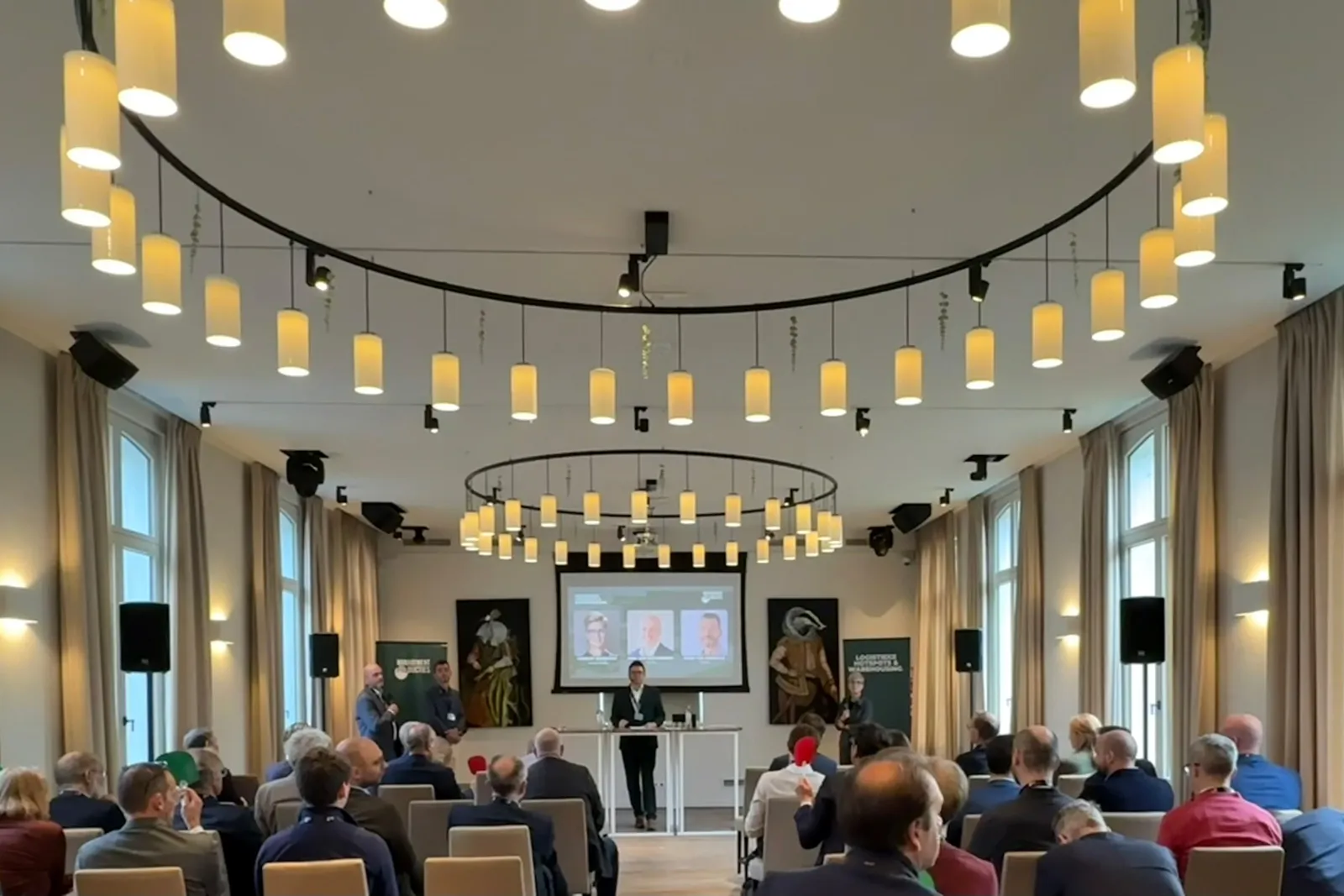
On 21 October 2025, Management Producties held the sixth edition of Logistieke Hotspots & Warehousing. With Warehouse & Logistiek as one of the media partners, the organisers brought logistics players together at Wikrijkse Salons Van Edel for an afternoon of insights and debate. Experts, business leaders and policymakers discussed the challenges and opportunities facing a sector in the midst of transition.
A changing world
The conference opened with a sharp economic and geopolitical analysis from Koen De Leus, chief economist at BNP Paribas Fortis. He described a world in which raw materials are scarce, debt is mounting and labour markets are under sustained pressure. “Rare earth materials largely come from China,” he said. “That makes negotiations complex, but unavoidable.”
De Leus emphasised that deglobalisation, the deliberate shortening of international supply chains, will drive up inflation structurally. The logistics sector is feeling the effects first-hand: more local production and higher labour costs are squeezing margins, while geopolitical tensions and government intervention are further undermining the predictability of international trade.
From perfect storm to a new equilibrium
Professor Dr Roel Gevaers (UAntwerpen) linked these macro trends to the realities of logistics. He said the sector has been caught in a “perfect storm” of successive crises since 2020, from the pandemic to the energy crisis. These shocks forced companies to rethink their supply chains. “Chains are becoming shorter, greener and more expensive, but also more resilient,” said Gevaers.
The traditional just-in-time approach is giving way to strategic inventories, regional production and greater collaboration between logistics, real estate and energy. Sustainability is no longer a prerequisite, but a survival strategy. Gevaers summed it up neatly: “Logistics companies are becoming energy companies.”
Yet the balance remains precarious. Sustainability requires substantial investment, while economic and geopolitical uncertainty makes viable business cases harder to achieve. Automation, grid congestion and decentralisation are shaping the future, but without stable regulation and a reliable energy supply, implementation remains a challenge.
Space wanted
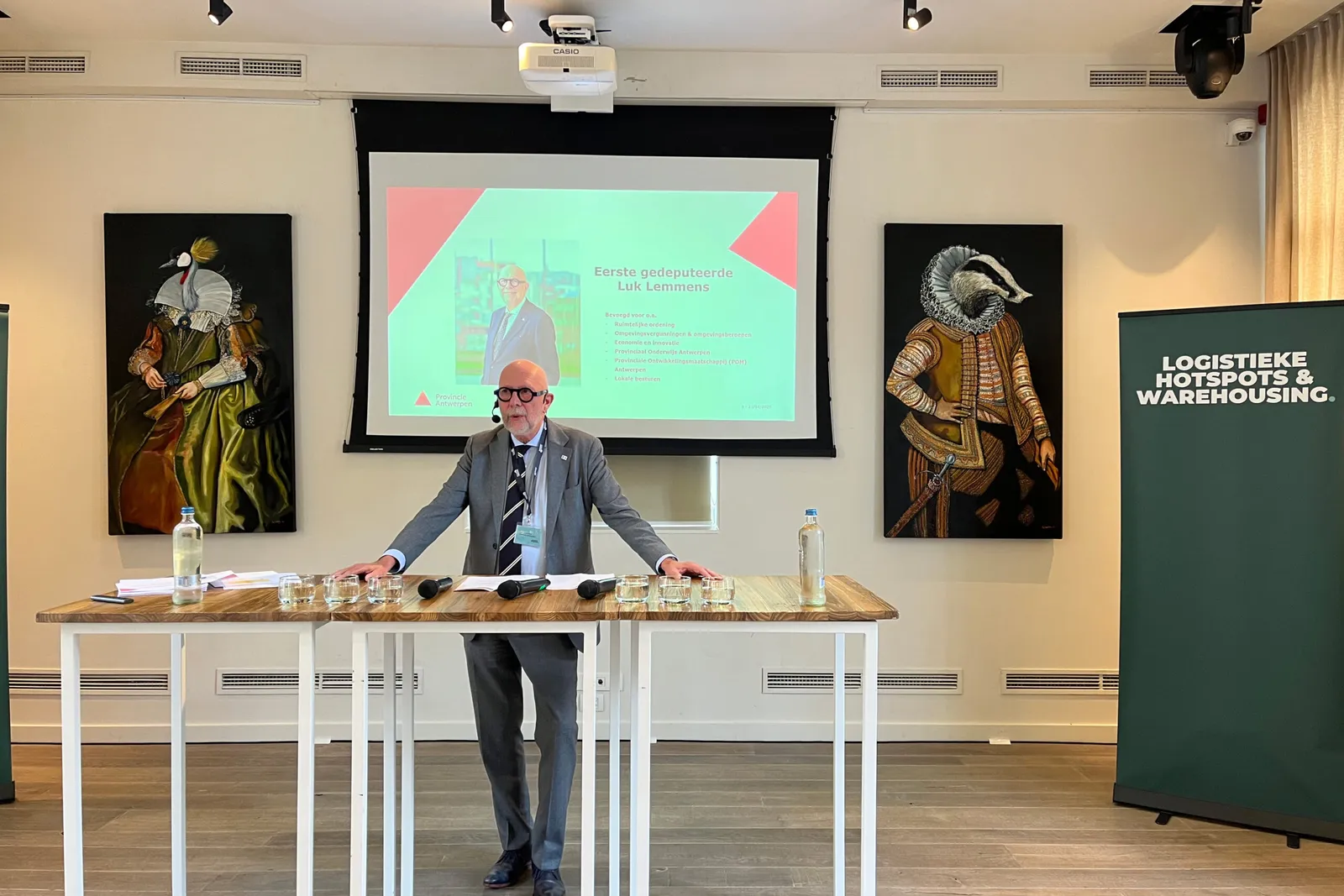
The issue of spatial planning was brought into sharp focus by Luk Lemmens, a member of the executive of the Province of Antwerp. “Spatial planning cannot be separated from the permitting process. We understand how important fast procedures are for businesses,” he said.
The reality, however, is one of acute shortage. “There simply isn’t enough space,” warned Christophe Wuyts of property company Ceusters. “New-build projects in Antwerp and Brussels are at a standstill. Major players are building upwards, but that approach has its limits too.” Edwin Eggebeen of DSV illustrated the point with a concrete example: “In Ghent, we literally had the last plot of land.” The new warehouse is being designed from the inside out, illustrating how creatively companies have to deal with scarcity.
Energy: the new gold
The conference’s second major topic was energy and energy management. The electrification of transport and warehouses is running up against a harsh reality: electricity is becoming more expensive and scarcer. Moderator Roel Gevaers struck a chord: “Anyone wanting to electrify their fleet needs to focus on generating their own energy.”
Lieselot Rouquart of Colruyt showed the scale of the challenge. “Our lorries cover 210,000 kilometres every day. Electrifying our fleet is a huge challenge, not only in terms of charging infrastructure but also grid capacity.”
Grid capacity is precisely what concerns Hans Van Sebroeck of Fluvius. “We are seeing companies reserve large amounts of grid capacity that they may not need. The ‘first come, first serve’ system is reaching its limits.”
For companies such as Montea, represented by Dirk Van Buggenhout, the answer is clear: “Energy management is becoming an integral part of their services. That is why Montea is investing not only in warehouses, but also in solar panels, batteries and smart energy storage.”
Automation as the answer
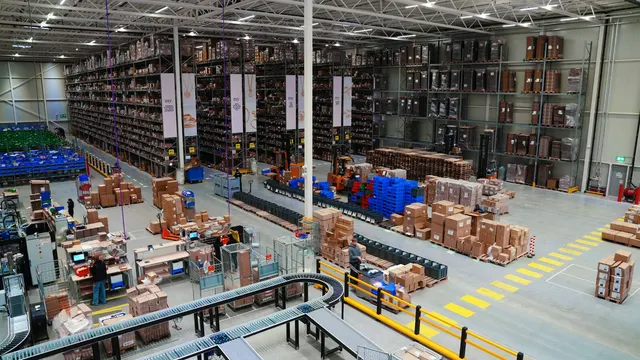
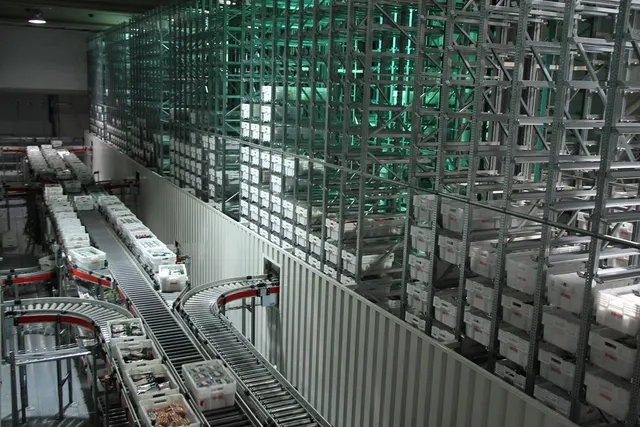
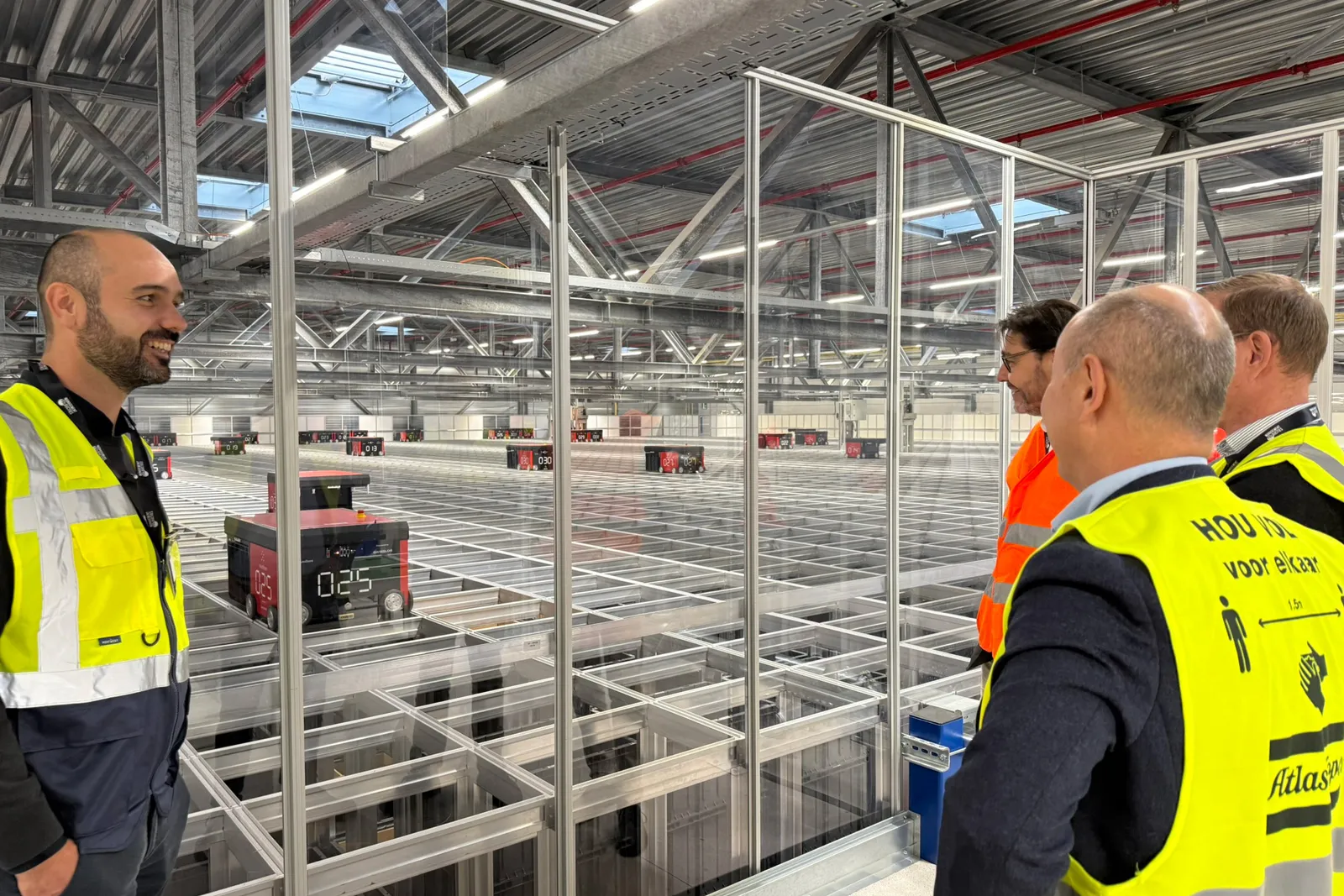
Automation emerged as the third recurring theme of the afternoon, a natural consequence of both space shortages and energy demand. During a company visit beforehand, participants got a behind-the-scenes look at Atlas Copco’s new, fully automated warehouse, where efficiency and robotics go hand in hand.
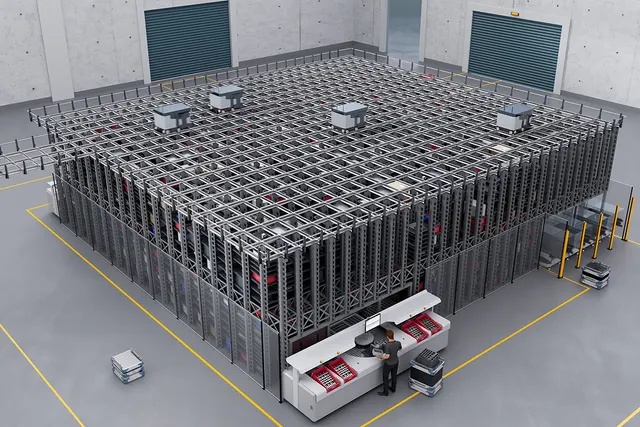
Another inspiring example came from GC Europe. Vice President Supply Chain Walter Bogaerts explained how the company fully automated its warehouse in Leuven. Without expanding the building or hiring additional staff, it doubled storage capacity and raised delivery reliability to more than 99.5 per cent. The investment is paying off: within seven years, GC Europe expects to achieve a full ROI and make room for a new factory.
Question about this story? Ask your question
Keep following this
Get an email when a new story is published. No account needed.
- SubjectAutomation