VIL expects Logibat project to bring breakthrough in electric road freight
Text Geert Van Cauwenberge Beeld VIL
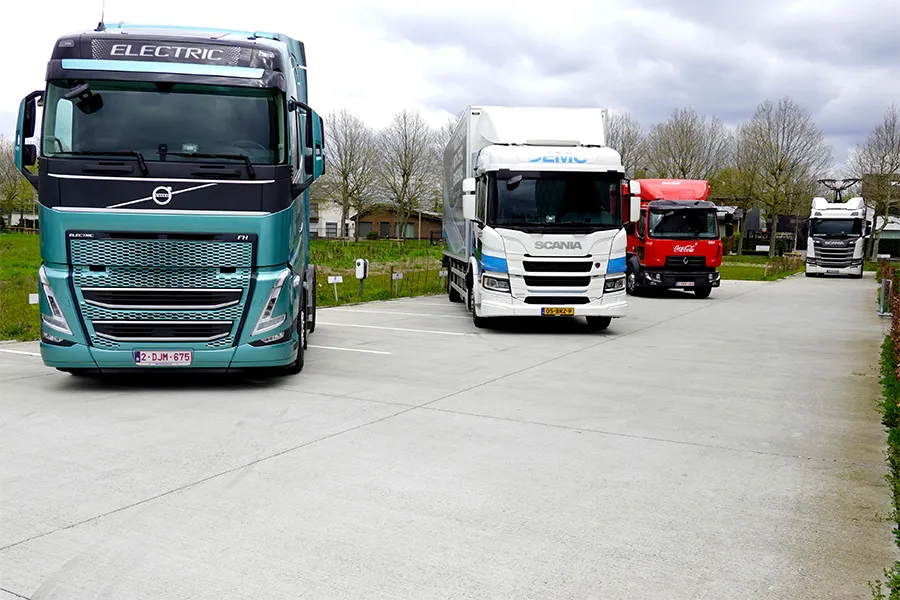
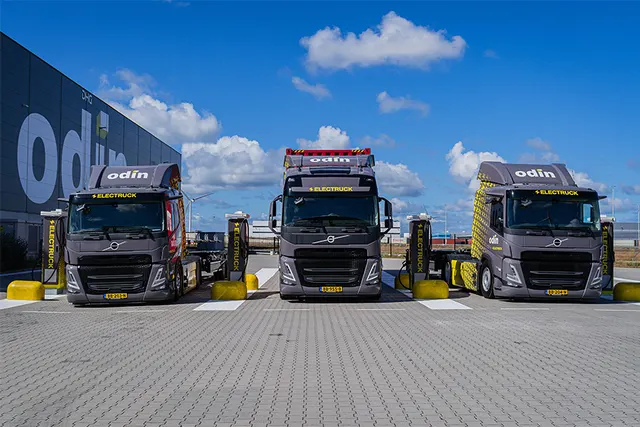
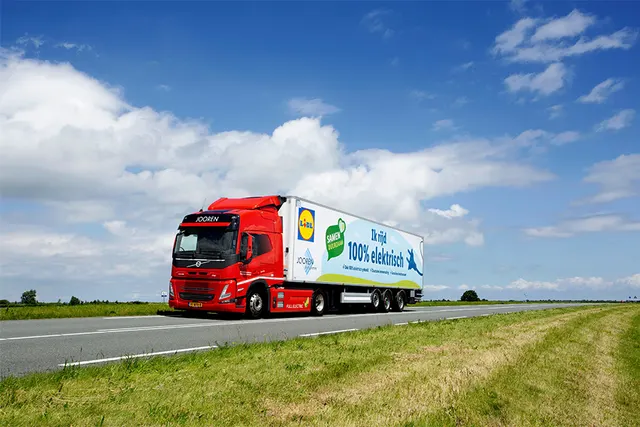
Road freight is moving towards an emission-free future. As you can read in this magazine, truck manufacturers are increasingly backing electric vehicles. In the Logibat project, VIL, the innovation platform for logistics, investigated the operational and economic conditions needed to make battery-electric transport viable, and the requirements for rolling out a nationwide charging network.
In 2023, battery technology is undergoing spectacular development. This is bringing battery-electric vehicles increasingly into view as a cost-efficient and sustainable transport option. At the same time, ever stricter regulations and growing pressure to become more sustainable are challenging the logistics sector to take a clear position. Truck manufacturers, both established names and newcomers, are also sending a clear signal that the pioneering phase is over: they are taking their first steps towards series production. Increasingly powerful battery technology means that heavy battery-electric trucks with a range of several hundred kilometres are already a reality. With prices moving in a favourable direction, this technology has a good chance of breaking through relatively quickly. ‘Gigafactories’ are being built across Europe at speed to produce batteries. This, too, could accelerate the electrification of freight transport.
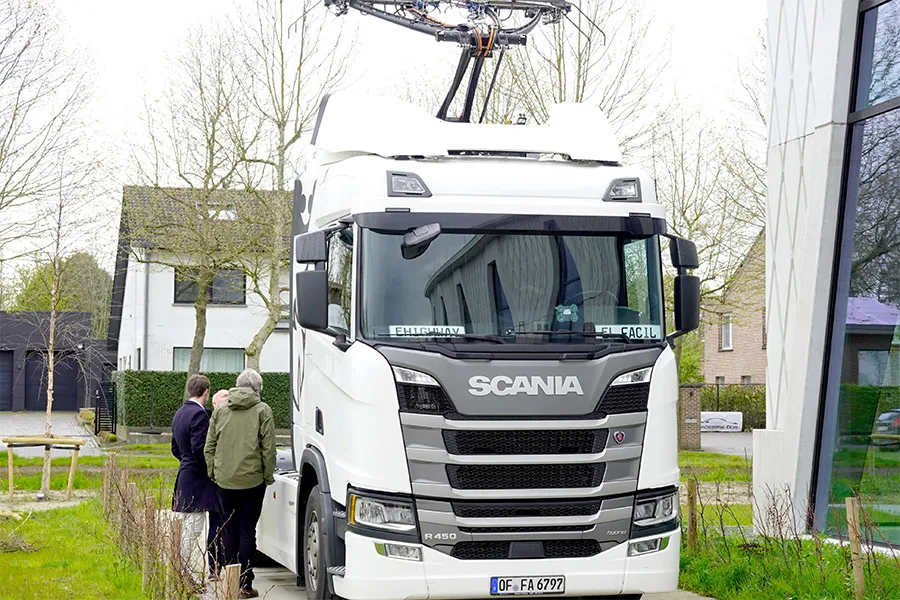
The Logibat project sheds light
At the end of April 2023, VIL presented the results of the Logibat project. Launched in May 2021, the project saw VIL work with 31 companies to map the battery-electric road freight landscape. What is already possible in this area? What developments can we expect in the short term? And what challenges still need to be addressed before electric road freight can be rolled out more widely? At the closing event, project leader Sven Geysels summed up the key highlights.
Joining forces
“Electric trucks are no longer a distant prospect, but are gradually becoming a reality,” says Sven. “They will play at least a substantial role across all segments of our freight transport and bring about an unprecedented transformation in the transport sector. The transport sector, energy sector and government must now join forces.”
Operationally, electric transport calls for a new way of working. Charging needs to be integrated into operations. “This does not have to be a disadvantage,” says Sven. “Truck batteries can be charged while vehicles are stationary, for example overnight at the depot, at loading bays or during waiting periods or rest breaks.”
Getting to know each other
The Logibat project also shows that the transport and energy sectors need to get to know each other better. “For example, transport companies will need to take a fundamentally different approach to purchasing energy,” says Sven. “The necessary infrastructure will also have to be available at the right locations and in good time, so that drivers can charge their vehicles easily and sufficiently. Energy suppliers can also help the transport sector access electricity at competitive prices.”
Adjusted driving and rest times
The project also shows that government has an essential role to play. It must create a framework in which these objectives can be achieved. “This is a new technology with huge potential. Financial and non-financial support is needed for it to break through in a competitive market.”
“Adjustments to driving and rest times could help meet the needs of electric road freight. This is emphatically not a call to undermine social protection or compromise road safety. But some flexibility would be a great help, allowing truck drivers to reach the nearest charging point, or to move their vehicles during a rest break so another truck can use the charging point,” says Sven.
“Emission-free driving by 2035”
One of the companies taking part in the Logibat project is Colruyt. “Colruyt Group aims to achieve emission-free driving by 2035. Projects such as Logibat help us realise this ambition, because they allow us to operate in an ecosystem that supports and enables electric transport. Together with other companies, government and research institutions, we believe we can make the transition happen,” says Pieter Leonard, Sustainable Transport Expert at Colruyt Group. ■
Question about this story? Ask your question
Keep following this
Get an email when a new story is published. No account needed.
- ThemeLower-emission transport
- SubjectTransport