‘Developing supply chain collaboration can certainly lead to improvements’
Text Carolien Klees Beeld TLN, Rijkswaterstaat | Harry van Reeken / Sydney Bulham / Rens Jacobs / Roeland van Santbrink
TLN and Logistieke Alliantie
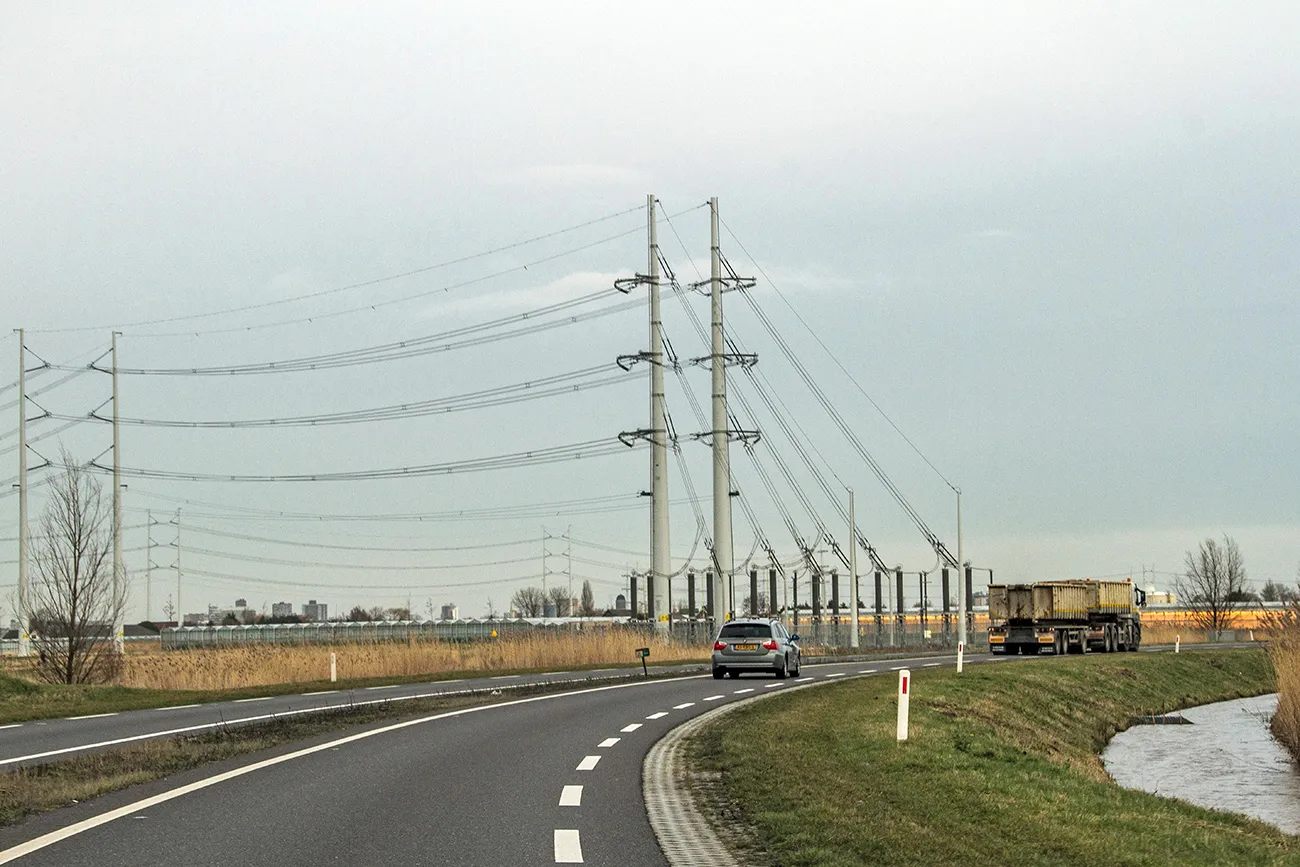
Economic losses caused by delays in freight transport rose to a record €1.7 billion in 2022, according to research by Panteia. The figures for 2023 are not yet available, but one thing is clear to Logistieke Alliantie and Transport en Logistiek Nederland (TLN): the Netherlands cannot afford slow decision-making or cuts. That is why they are continuing to lobby vigorously.

Logistieke Alliantie is a large network of sixteen Dutch organisations that have joined forces to strengthen trade and logistics. Its members include companies and knowledge institutes such as Schiphol, ProRail, VNO-NCW and evofenedex. The business organisation TLN is also a member. As one of the largest employers’ organisations in the Netherlands, it is an authoritative interlocutor for government and politicians, public authorities and members, supply chain partners and other stakeholders in society on logistics matters.
Lobbying
Elisabeth Post is chair of the TLN board and chair of Logistieke Alliantie: “The logistics sector is very diverse by nature. What various parties have in common is our need for space, accessibility, sustainability, safety and digitalisation. We can jointly draw attention to these issues, because together we can lobby effectively on matters we agree on. After all, in the coming years we face a huge societal challenge: getting our infrastructure in order and tackling the maintenance backlog.”
Speeding things up
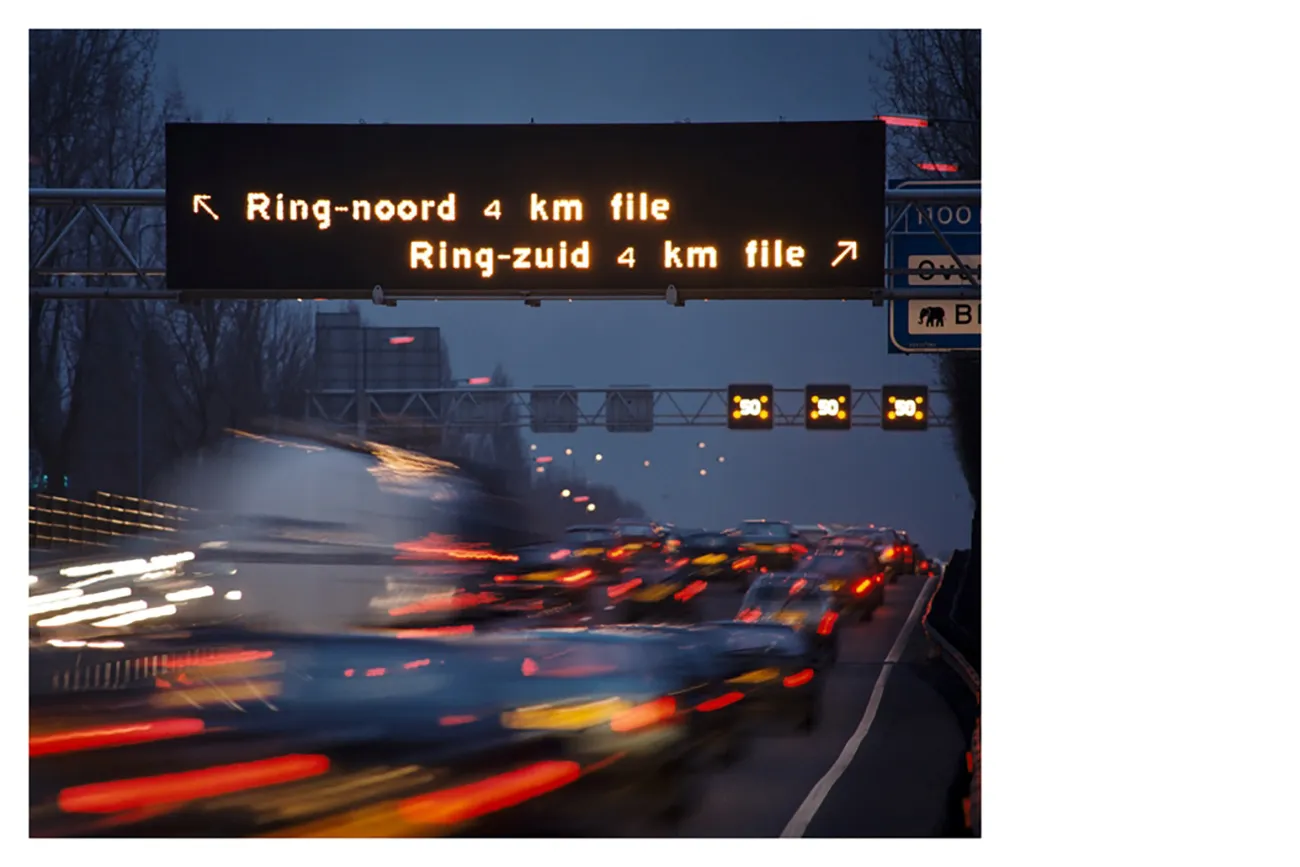
And the alliance is lobbying. In June, for example, it presented Panteia’s research to the House of Representatives, and on 5 July it called on the national government not to approve the proposed €2 billion in cuts. Unfortunately, the government fell two days later. The alliance continued lobbying tirelessly, however, and submitted input to political parties for their election manifestos. “A government can always fall. But it is frustrating that urgent decisions are consequently put off. And we are already behind, for example on maintaining our infrastructure. Or on logistics centres that fail to get off the ground. Grid congestion is also holding up important work, including the transition to sustainability. We hope the new government will not spend endless time on research and deliberation, but will use the information already available. As an alliance, we will continue to highlight the importance of speeding things up and investing.”
Solutions
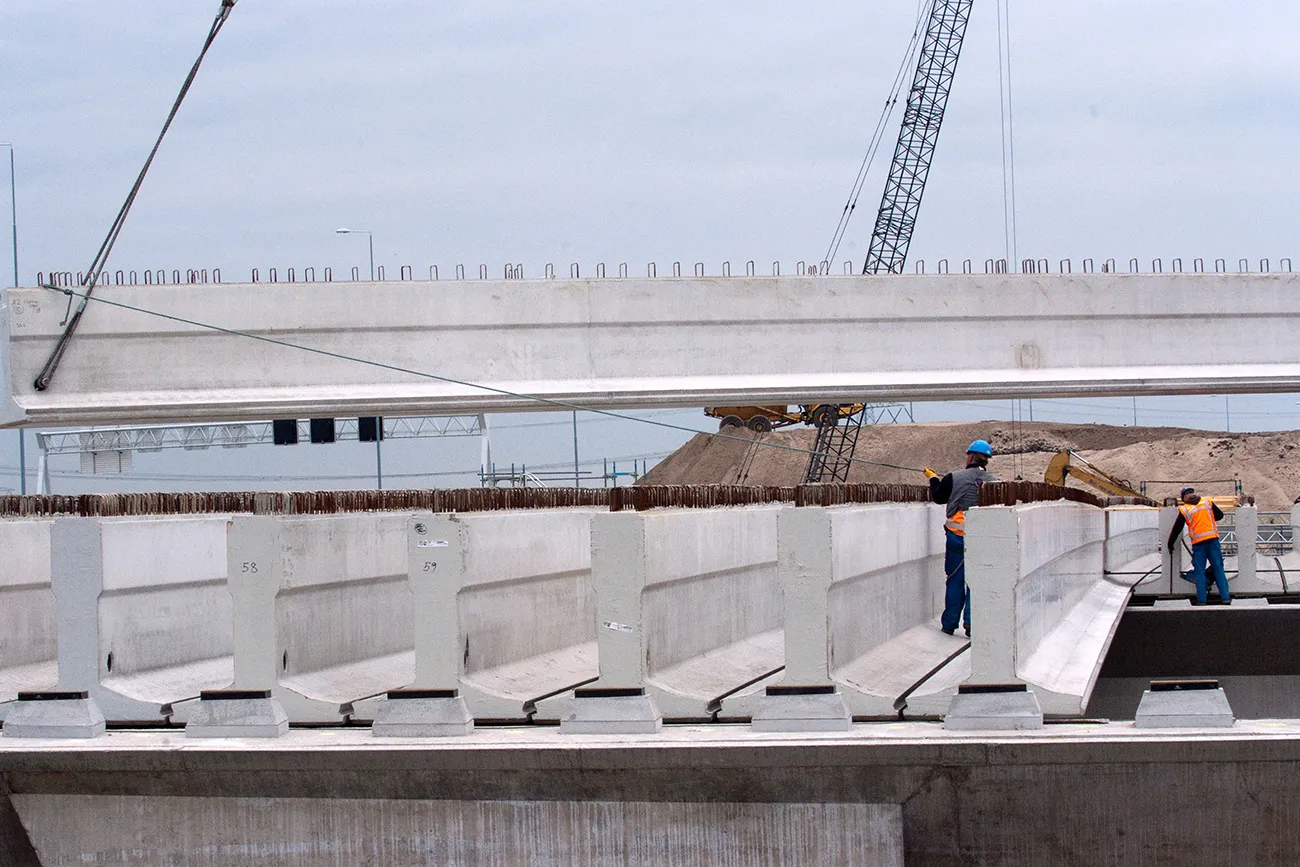
What can the sector do itself? “Although we perform well in many areas compared with other countries, we can always learn from them. I’m thinking, for example, of the longer trucks in Spain and Scandinavia, which mean fewer transport movements. Innovation through the use of AI, robotics and smart software can also help the sector make the best possible use of its capacity.”
Post concludes: “It remains crucial to join forces. For example, growing cybercrime can cause considerable damage to our sector. Protecting against cybercrime requires major investment, however, which is a difficult challenge for SMEs. Collaboration can make a big difference here. It is also important for us as a sector to look more often at the supply chain as a whole, rather than focusing solely on our own processes. If a shipper and a carrier each optimise their own process, this inevitably leads to inefficiencies across the overall process. Improving the process together could offer a solution. A logical allocation of freight transport across different modes can also help improve logistics further. One example is the Joint Corridors Off-Road programme, which helps make multimodal transport corridors alongside roads possible. Developing supply chain collaboration can certainly lead to improvements across our sector.”
Question about this story? Ask your question
Keep following this
Get an email when a new story is published. No account needed.
- ThemeThe supply chain under pressure
- SubjectTransport