AB Texel makes transport more sustainable with Volvo Bio-LNG trucks
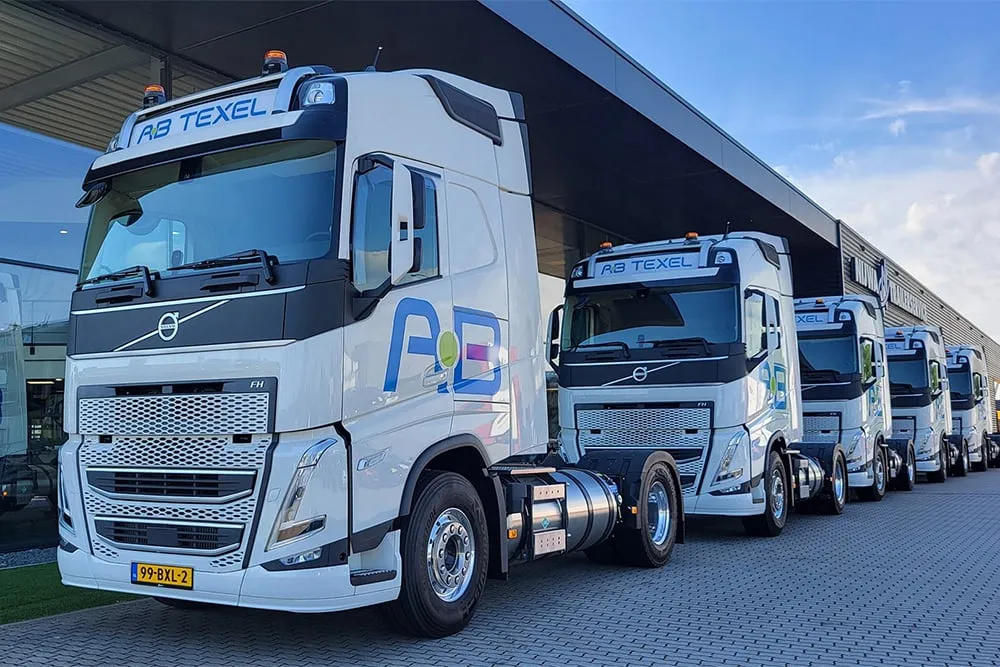
Having proved their reliability, AB Texel is investing in fifty Volvo FH trucks running on (Bio-)LNG. The trucks will be deployed across regional and international transport operations. With a shared focus on reducing CO2 emissions, the company sees Volvo Trucks as the perfect partner for achieving its sustainability goals.
AB Texel has once again opted for Volvo (Bio-)LNG trucks. Their fuel efficiency, proven reliability and positive experience with the service network were decisive factors. “Electric trucks are not yet fully suitable for the heavy-duty and international transport we operate. Bio-LNG, on the other hand, allows us to reduce CO2 emissions immediately. Fortunately, Bio-LNG is becoming more widely available, including abroad, giving us greater flexibility in using this biofuel,” says Dennis Wetenkamp, CEO of AB Texel.
Substantial reduction in CO2 emissions
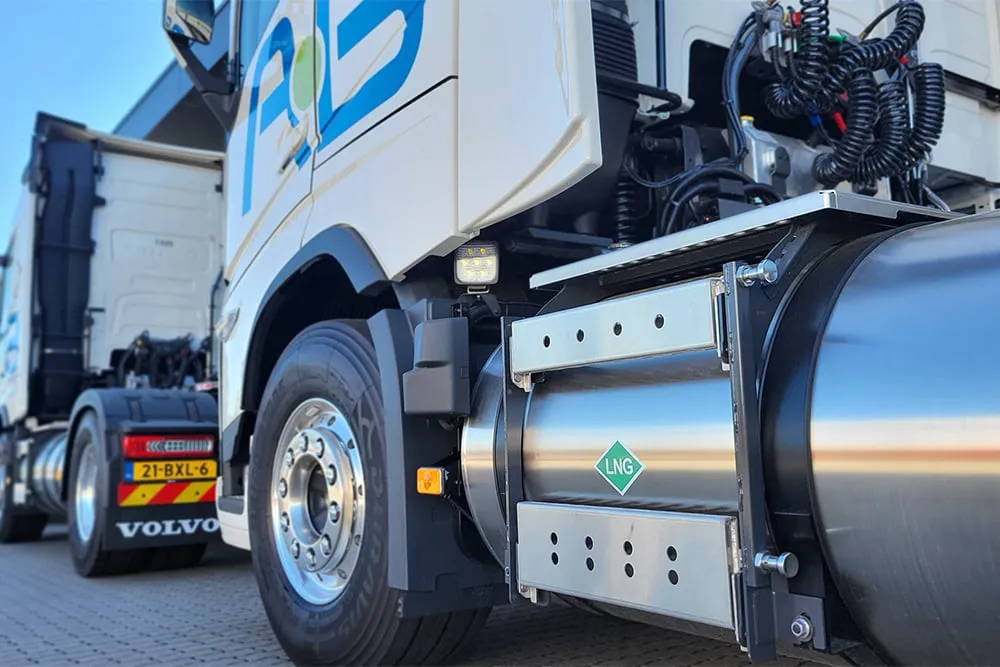
As a first step towards an emissions-free future, AB Texel bought a batch of five (Bio-)LNG trucks back in 2016. Today, the organisation has dozens of them. The purchase of fifty new gas-powered Volvo trucks marks another significant step forward. “By running on (non-fossil) Bio-LNG, we can now reduce CO2 emissions by up to 100%,” says Wetenkamp. The exact savings depend on the composition of the feedstocks.
The fifty Volvo FH 4×2 tractor units feature the recently updated, more fuel-efficient LNG engine and a new 225 kg fuel tank. Together, these deliver a longer range. The trucks will be deployed across all AB Texel divisions, including the transport of agricultural produce, flour, animal feed and dairy products, as well as refrigerated, distribution and specialist transport. The trucks will be delivered during the first half of 2024, with the first units entering service from mid-April.
“Volvo’s unique technology delivers extremely low fuel consumption without compromising on driving comfort or performance. Even when running on fossil LNG, it achieves a significant reduction in CO2 emissions. Choosing Bio-LNG makes a reduction of up to 100% possible, at an attractive cost per kilometre,” says Jan Schouten, Manager Energy Transition at Volvo Trucks Nederland. “Bio-LNG plays an important role in the mix of fuels and technologies needed to meet CO2 targets as part of the energy transition. AB Texel’s investment shows renewed confidence in Bio-LNG as a transition fuel.”
Maintenance control with a service contract
To maintain control over truck maintenance, AB Texel has opted for the Volvo Gold service contract. This repair and maintenance contract guarantees maximum vehicle availability. It covers all preventive maintenance and truck repairs, as well as a maintenance schedule tailored to requirements, remote diagnostics and Real Time Monitoring.
Target: net zero by 2050
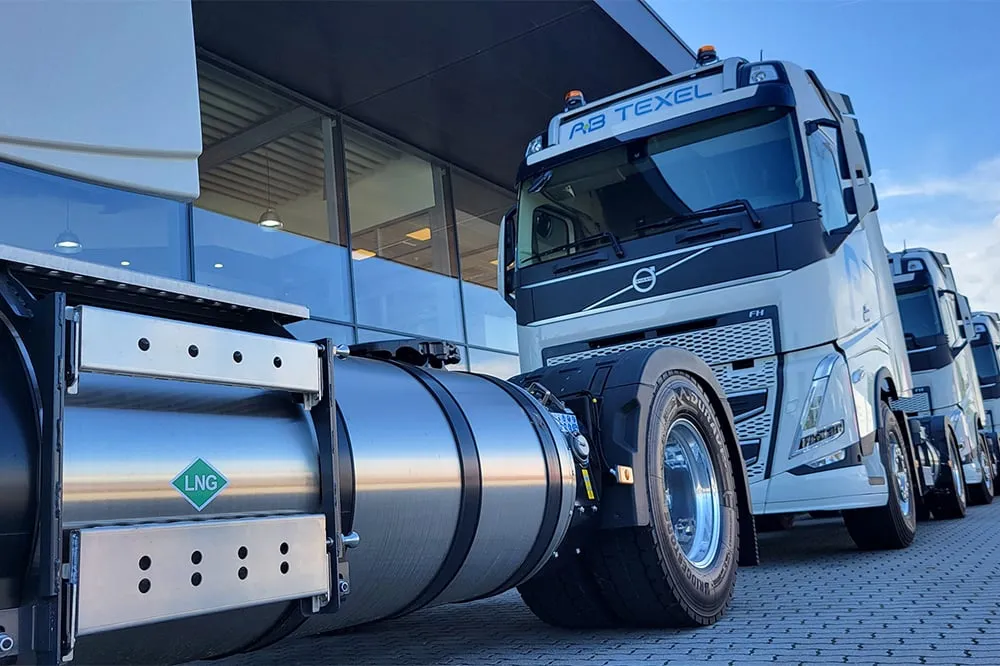
Together with its partners, AB Texel is working to reduce CO2 emissions per tonne-kilometre by at least 40% by 2030 and bring them down to net zero by 2050. The company aims to minimise its environmental impact by working safely and keeping its ecological footprint as low as possible. Wetenkamp says: “95% of our CO2 emissions come from physical transport movements. Naturally, the biggest gains can therefore be made by making our fleet more sustainable. We already have an electric Volvo truck in our fleet. However, because our transport operations over long distances need to remain flexible, it is still difficult to deploy electric vehicles on a large scale. We therefore see renewable fuels, including Bio-LNG and HVO, as good transition fuels for the coming years. Of course, we will continue to experiment with new technologies and developments, with electric vehicles and, in the longer term, perhaps hydrogen as possible next-step solutions.”
Working together across the supply chain
However, the sustainability goals extend beyond reducing CO2 emissions, nitrogen emissions and particulate matter. “As market leader, we take responsibility. We are working hard to achieve the highest possible standards of safety at work and on the road. We also want to be an attractive employer for our employees and a valuable partner to the organisations we work with across the supply chain. We are keen to discuss with our supply chain partners how we can work together to become more sustainable,” Wetenkamp concludes.
Question about this story? Ask your question
Keep following this
Get an email when a new story is published. No account needed.
- ThemeLower-emission transport
- SubjectTransport