‘Smaller steps in automation can make a big difference’
Text Ferdi den Bakker Image KV-Techniek
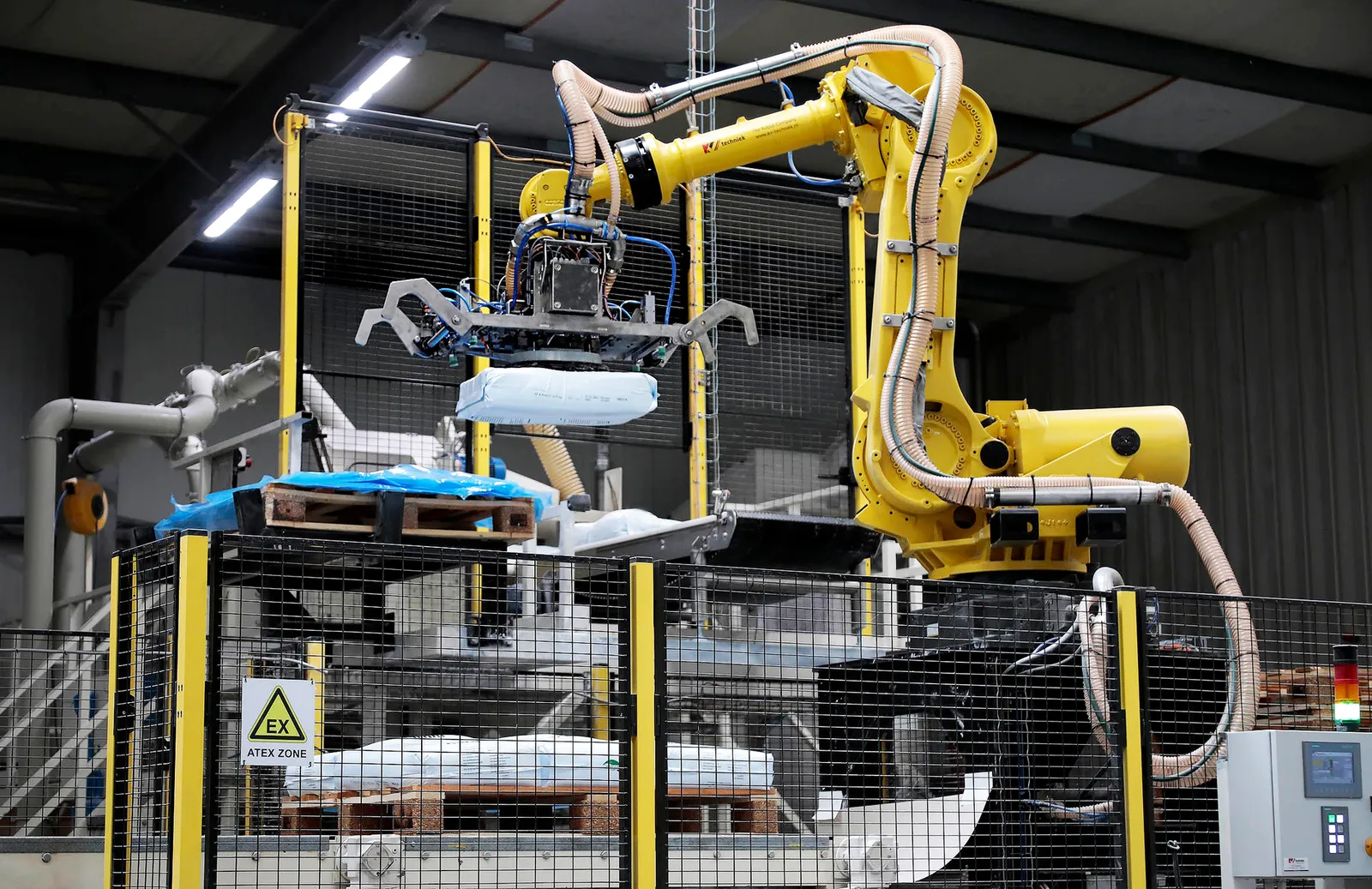
The logistics sector is clearly calling for flexible solutions, including automation and the use of robots and AGVs. KV-Techniek believes logistics service providers should make more use of accessible tools. Owner Bastiaan Krijger says: “Trying to do everything at once holds back both investment and innovation, even though there are plenty of options.”
Responding more quickly to market developments and customer demands is an important reason for wanting to automate logistics and production processes. Labour shortages are another. KV-Techniek sees logistics businesses wanting to do too much too quickly on the way to becoming highly automated. Krijger says: “That approach can quickly make a solution complex. This leads to higher investment, even though automation in smaller steps is certainly achievable and can make a big difference.”
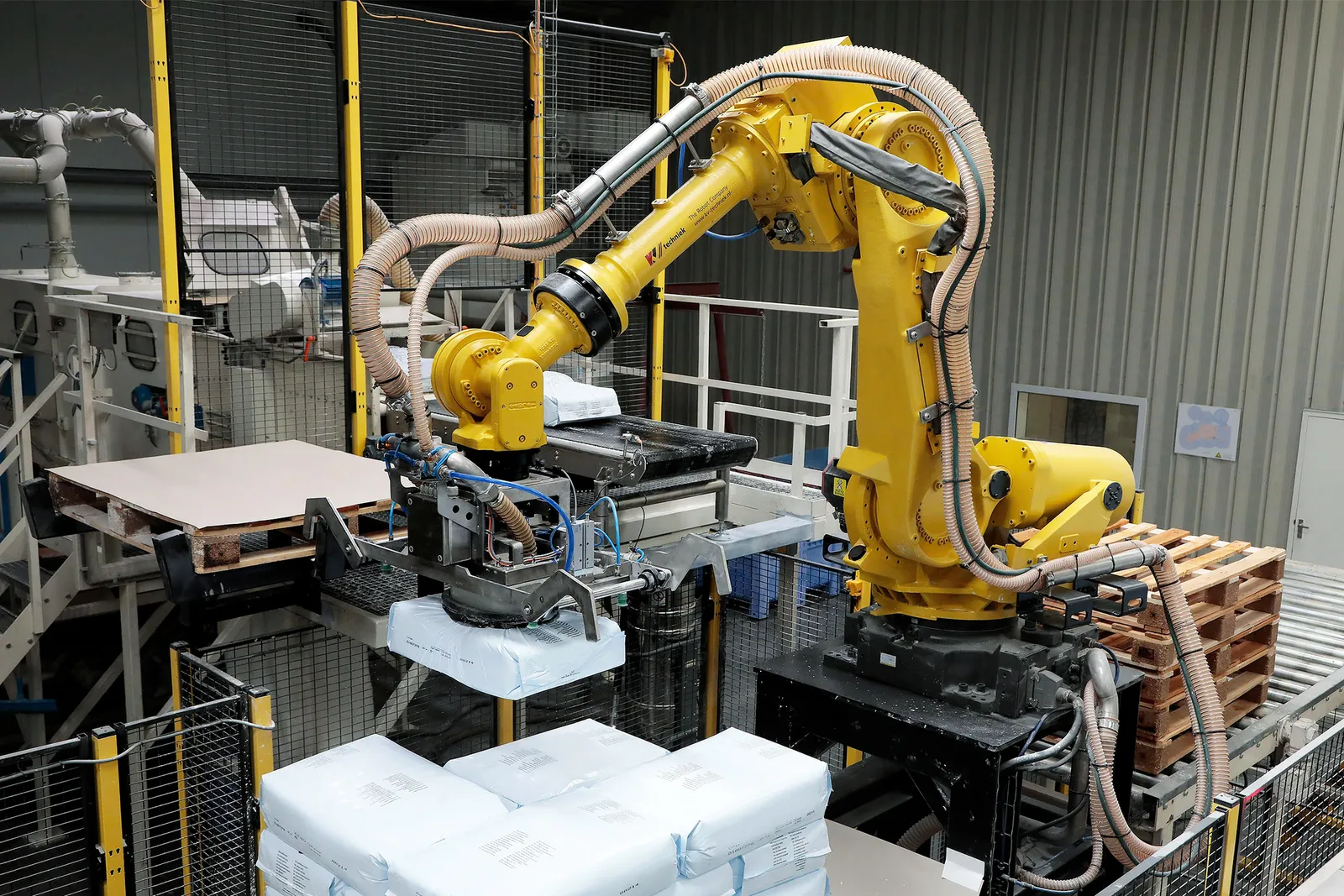
Gripper changing system
Krijger says: “Logistics companies think that a short-term contract with a shipper or large retailer means a limited payback period for their investments. In fact, a flexible robot solution enables them to keep using the installation, even when the types of goods they handle change. Businesses do not really have a choice. The shortage of workers means they have to consider automation. Very large investments may not be feasible, but businesses can start by automating simple steps and make their operations more flexible as a result.” He also gives some examples. “A gripper changing system lets you use different gripper sizes, so you can easily pick up products ranging from small to large. If requirements change, it is easy to add a new type of gripper, without the need for a completely new solution.”
‘It’s not all or nothing’
According to the owner of KV-Techniek, logistics service providers are currently too focused on fully automating handling processes. “That makes projects too expensive, so development grinds to a halt. It’s not all or nothing, because if you automate nothing, you don’t save on labour or make progress. The key to success is to get started with accessible solutions and accept that manual work will still be needed initially. Even so, the automation you do use may already save you half your workforce. That’s a great improvement!”
AGV instead of forklift
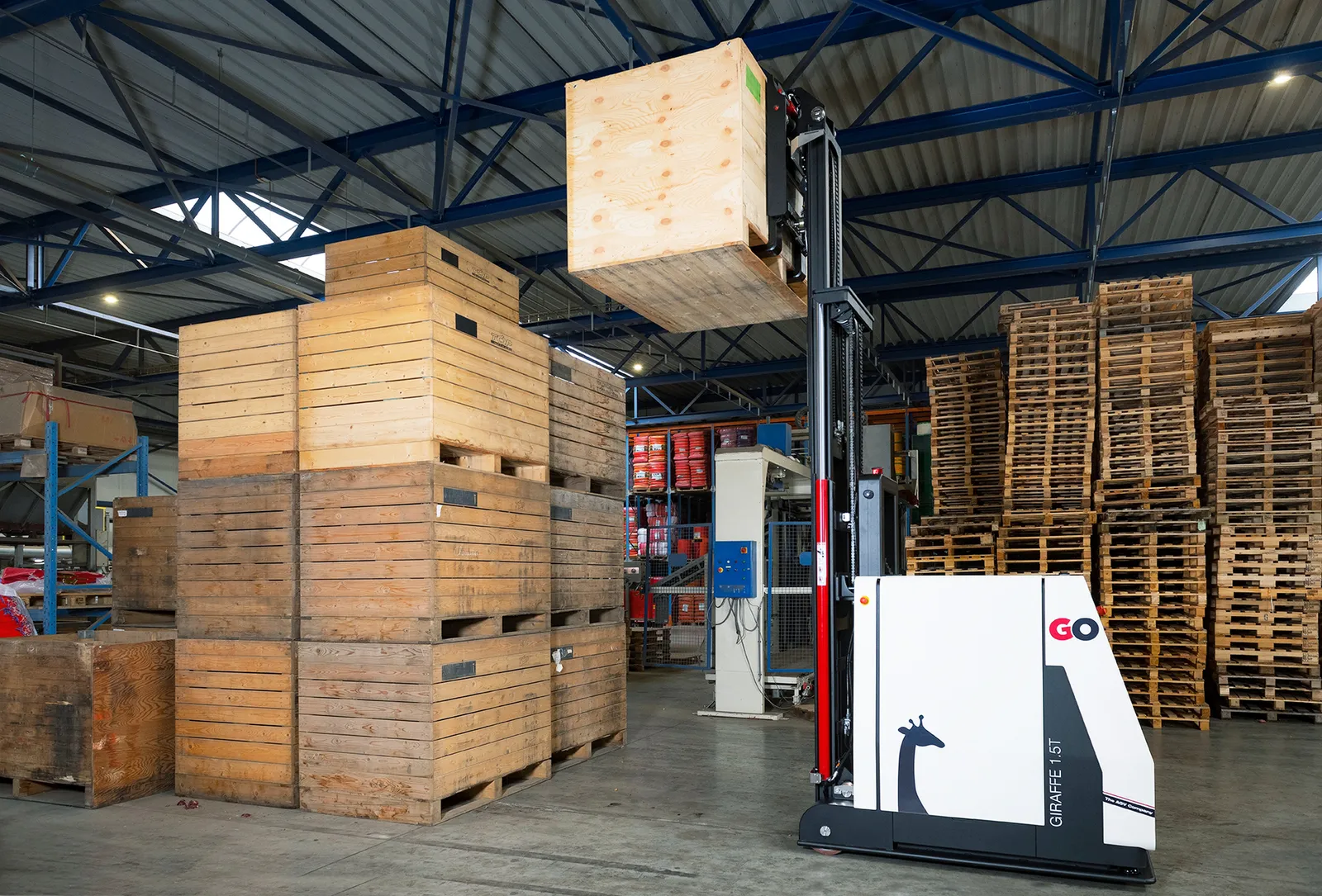
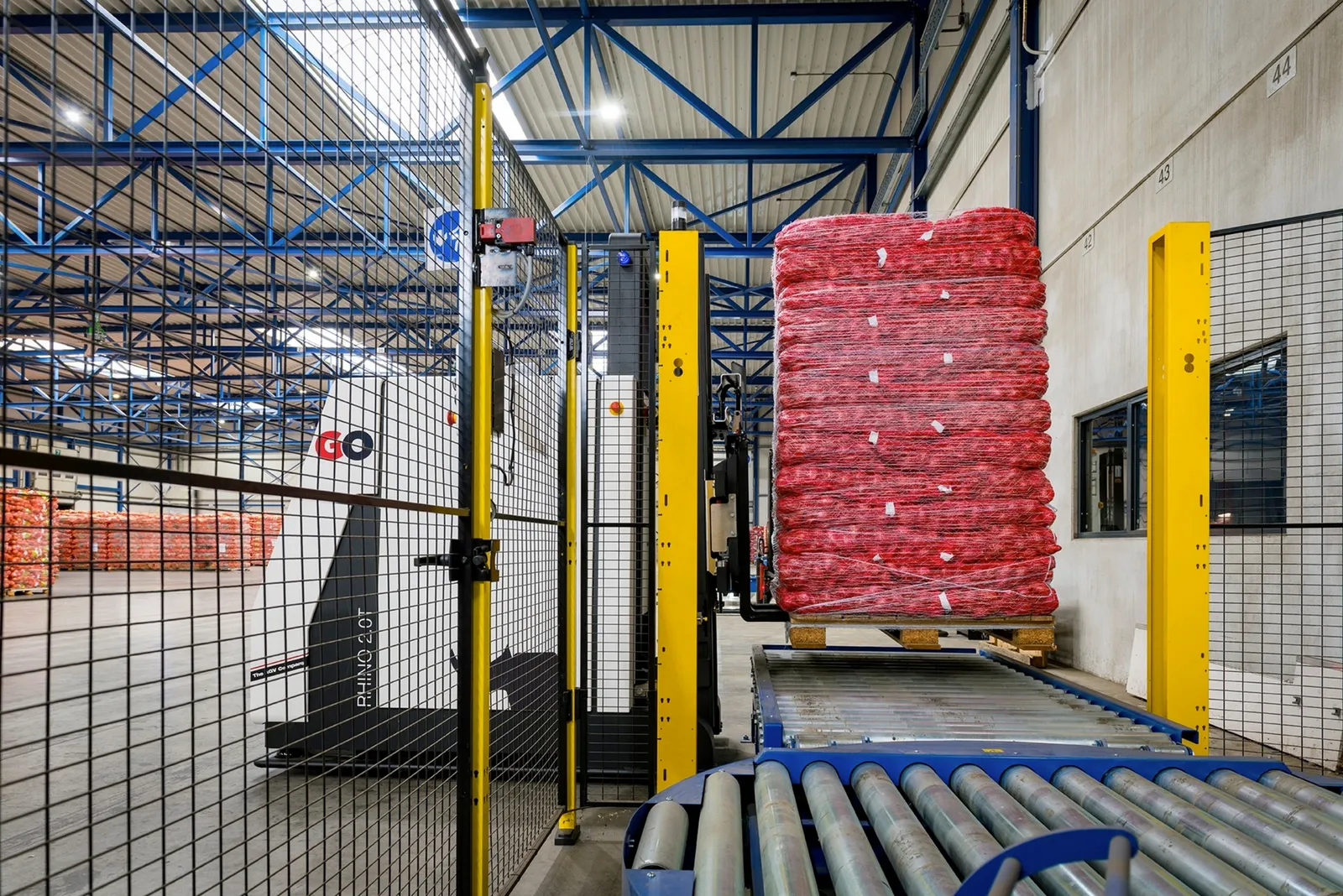
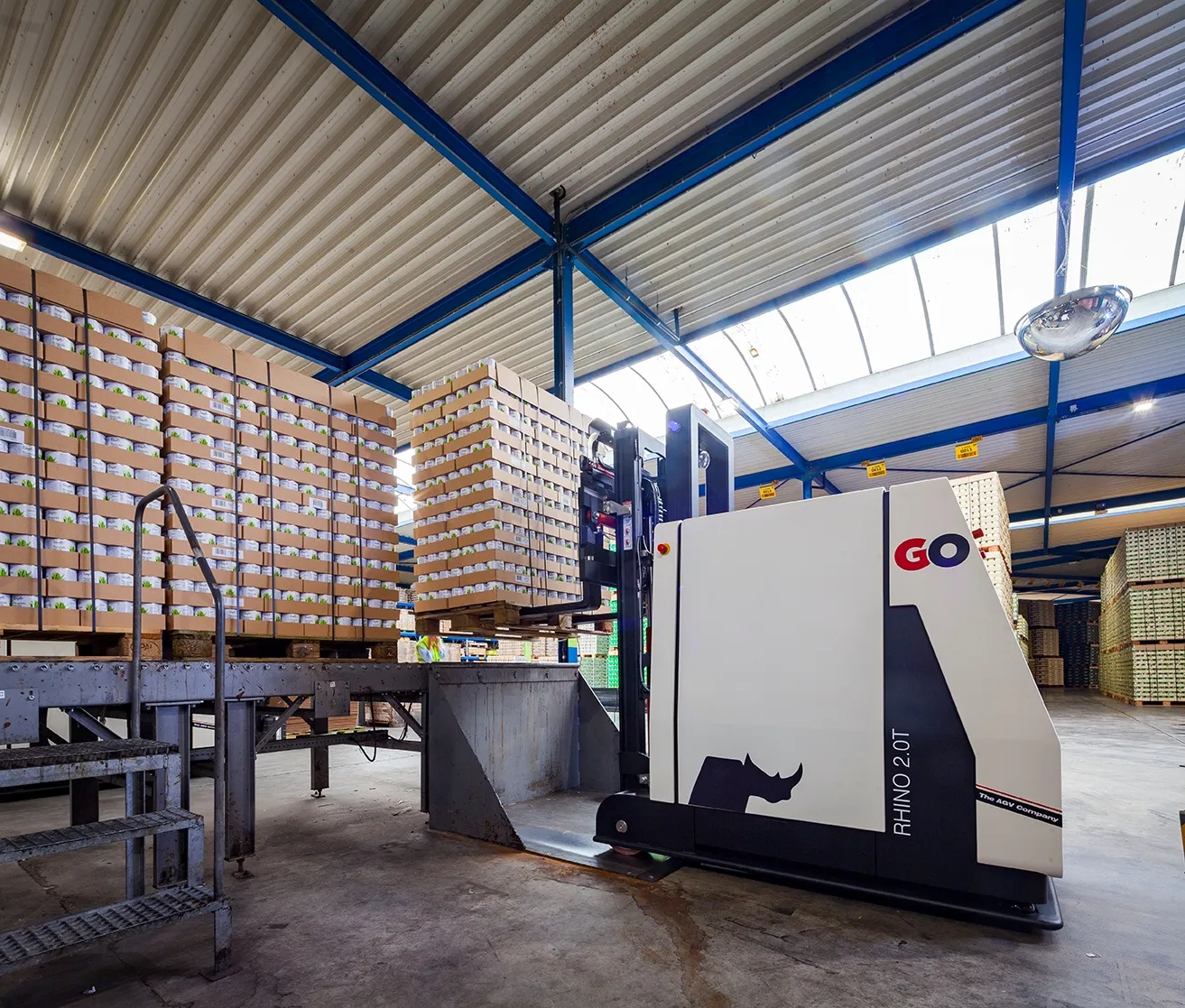
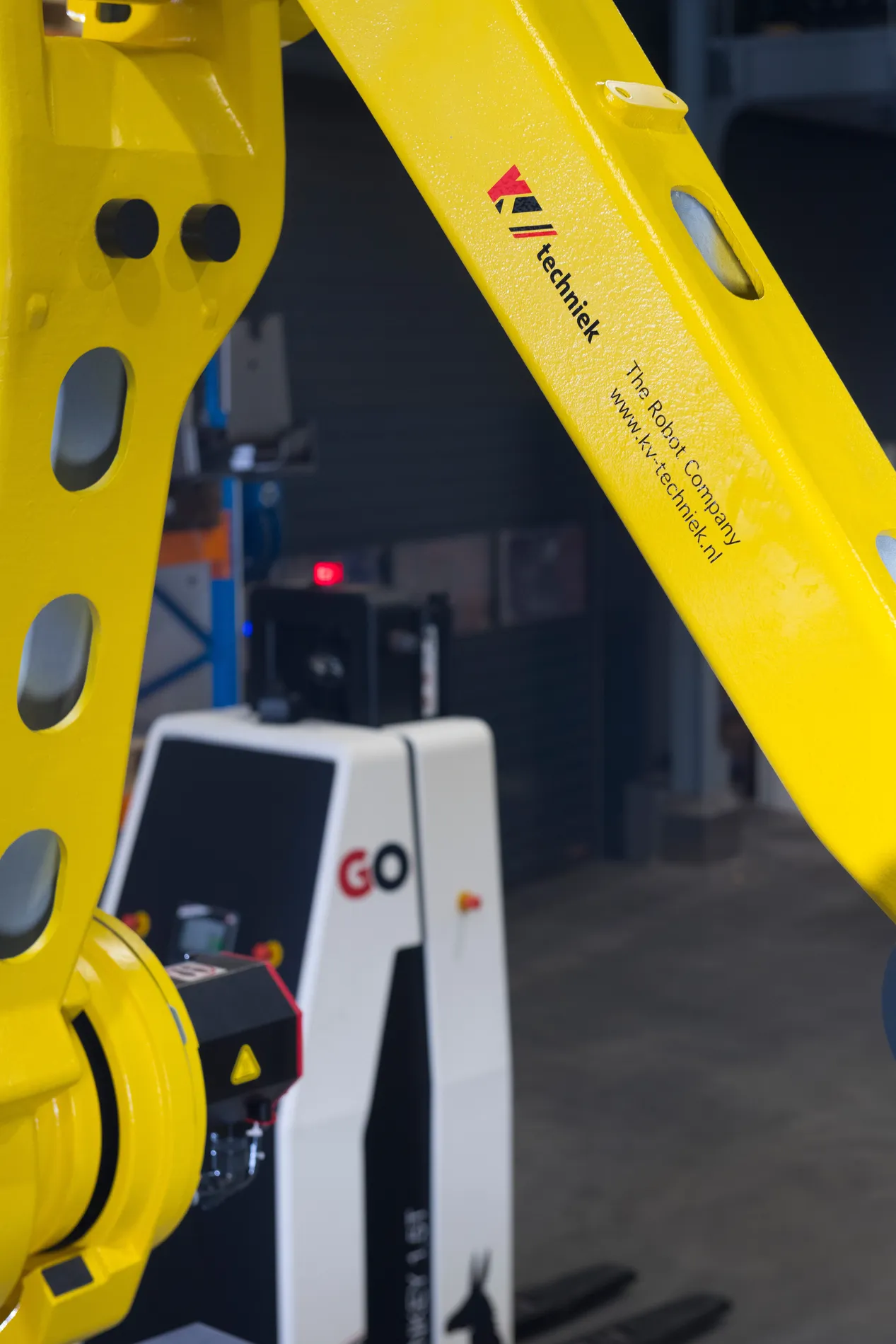
If pallets need to be moved over longer distances within a warehouse, Krijger sees potential in the ‘GO’ AGVs developed by KV-Techniek. “These AGVs can move a pallet from one location to another, after which a high-bay truck puts it in place. These are simple, repetitive tasks that can be automated effectively at an attractive cost. This solution avoids the need for a forklift. This intermediate step builds confidence and gives a business greater insight into how to automate further. Above all, I want to emphasise that smaller-scale projects can be a great stepping stone towards a future-proof business.”
A calmer warehouse
Choosing to take smaller steps towards automation also brings another benefit for logistics service providers. Krijger says: “An AGV or AMR moving a pallet in a distribution centre brings a sense of calm. These vehicles do not rush, their movements are predictable, and warehouse staff do not have to be on their guard. It’s a different story with a forklift.”
Question about this story? Ask your question
Keep following this
Get an email when a new story is published. No account needed.
- ThemeAutomating goods flows
- SubjectAutomation