‘Working together towards our net-zero emissions ambition’
Text Carolien Klees Beeld Volvo Trucks/Nabuurs/Mars
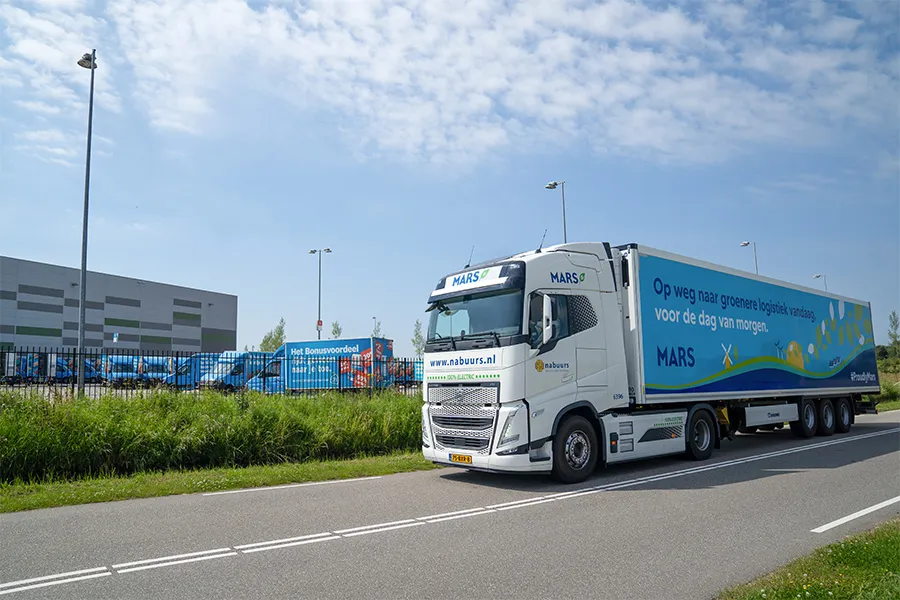
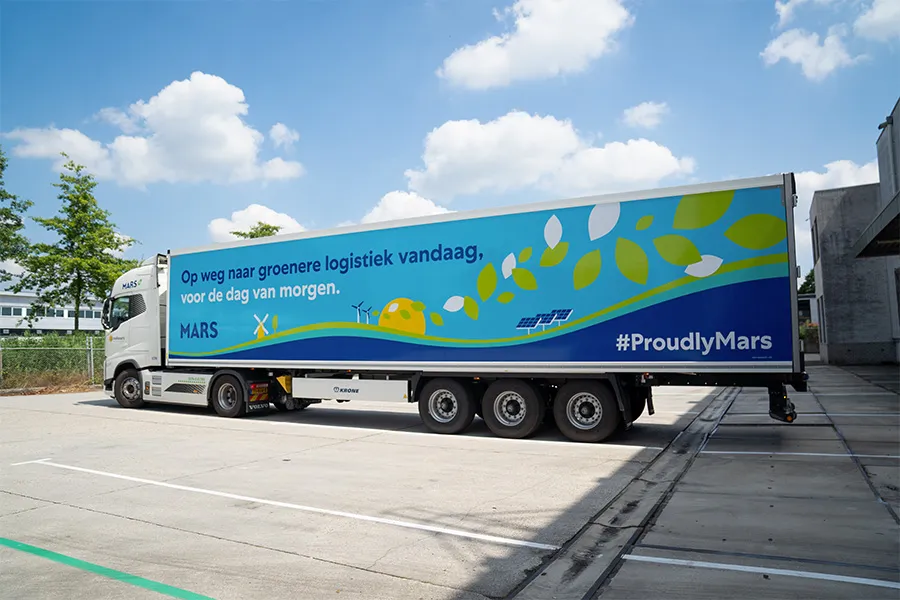
Together with Mars, logistics service provider Nabuurs has taken a major step towards a sustainable future. The company recently purchased two Volvo FH Electric trucks for daily journeys from the Mars factory to its distribution centre, helping to reduce CO2 emissions. “This partnership is an important milestone on the way to our ambition of net-zero emissions by 2050,” says Luuk Langeveld, Business development manager at Nabuurs. “A year and a half ago, Mars expressed a desire to achieve sustainable transport. This aligned with our objectives, and so the initiative to work together on this was born.”

Family-owned Nabuurs is a logistics service provider for FMCG in Food, Personal Care, Retail and Hospitality. With around 100 employees, 360 vehicles and 23 locations, Nabuurs is committed to sustainable logistics. Mars, also a family-owned business, makes chocolate products, pet food and meals from well-known brands, and is investing a billion dollars globally in climate action.
Testing first
“We decided to start by hiring an electric truck rather than buying one. We already had some experience of electric driving in city centres, but not beyond them. So we first wanted to find out what challenges we might face when running a normal logistics operation. This gave us the opportunity to see how the routes affected factors such as range, and at what times and locations charging could be integrated into the journey schedule. We tracked all the data for several weeks so that we could discuss it with Mars and work out together how to make the best possible use of every kilometre. Our distribution centre in Oosterhout, in Gelderland, had enough work to dedicate the electric trucks to Mars. In this region, we serve eight customers, and the data we collected showed that, with the right coordination, there would be enough full truckloads (FTLs) travelling back and forth every day.”
Volvo FH Electric
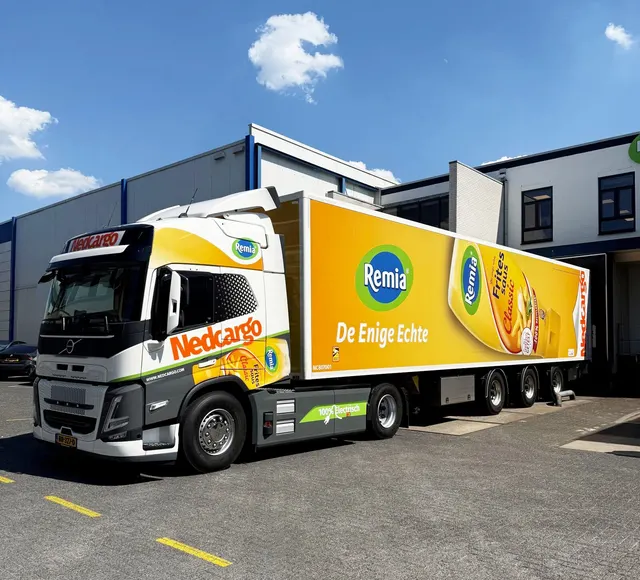
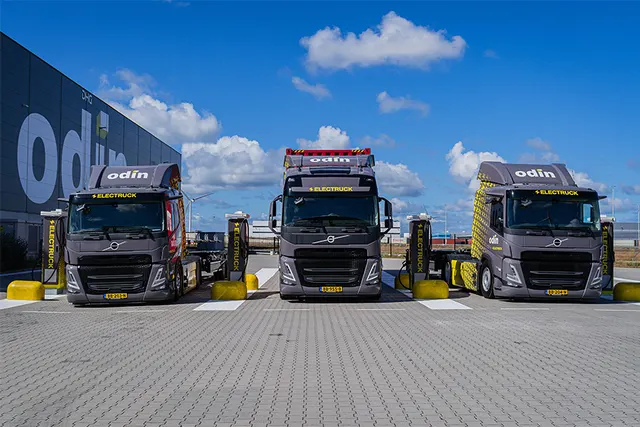
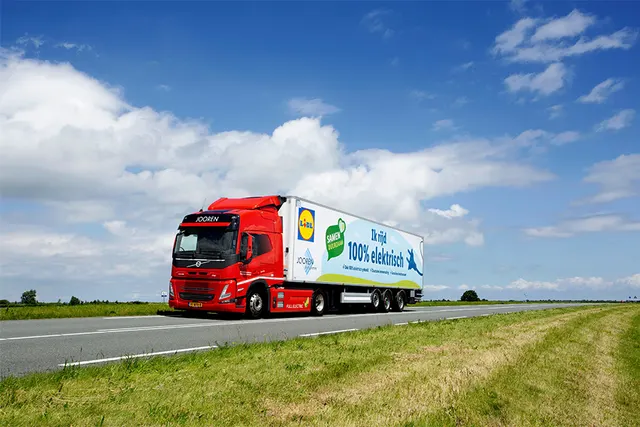
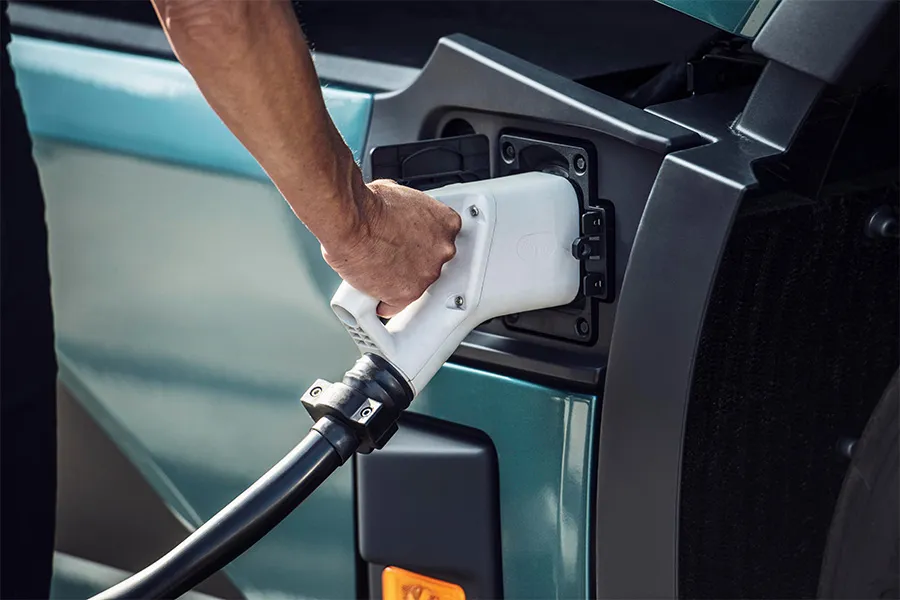
The two brand-new Volvo FH Electric trucks are equipped with six battery packs, each with a capacity of ninety kilowatt-hours, and an ePTO system for fully electric cooling. This enables these vehicles to deliver top performance with minimal CO2 emissions. “We quickly realised that Volvo Trucks was the best partner to help us switch to an electric fleet. The reliability of these vehicles and the brand’s expertise in servicing electric trucks led us to purchase two Volvo FH Electric trucks. We then worked with truck dealer BAS Truck Center to put together the right configuration.” As the first manufacturer to bring a full range of electric trucks into series production, Volvo Trucks has built up extensive experience over the past five years, resulting in high reliability. “We have been using these electric trucks since May and are extremely satisfied. The drivers say they are very smooth to drive, and we are pleased to receive valuable data through Volvo Connect. This includes energy consumption, the impact of drivers’ driving styles, the available range and how much energy is regenerated. This data is very useful for a thorough long-term analysis.”
Charging points
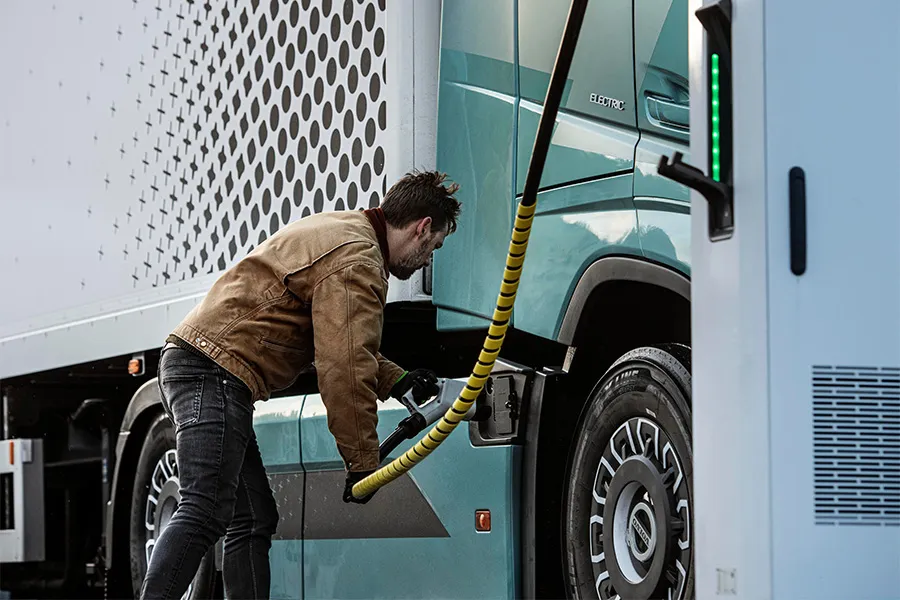
The distribution centre in Oosterhout does not have its own charging point. How does Nabuurs deal with this? “There is a charging point at Mars that we are allowed to use, and next door there is a distribution centre with one of the largest charging hubs in the region.
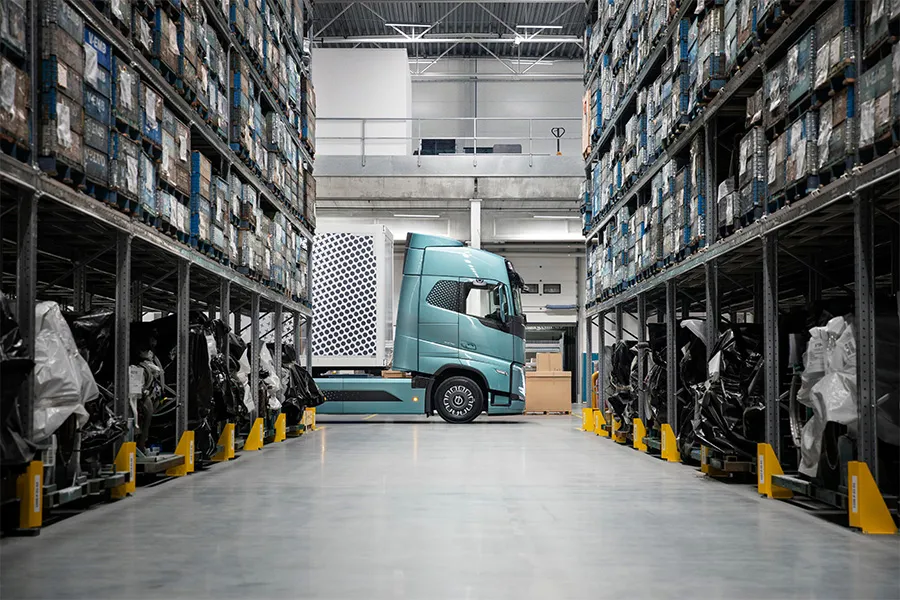
What we are finding is that a few electric trucks are manageable. But as the fleet grows, the power supply will need to grow with it. We are preparing for that now. Although there are currently no regulations requiring electric driving in our work, we do not want to wait until there are. We want to do our bit now to help create a fossil-free future with the lowest possible CO2 emissions.”

Take action now
The advice is not to put off thinking about sustainability, but to make a fleet plan now and take action. Volvo Trucks has extensive experience and knowledge, which it is happy to share by working with hauliers and warehouses on a no-obligation basis. It can also point them in the right direction within its network, for example when it comes to charging infrastructure.
Question about this story? Ask your question
Keep following this
Get an email when a new story is published. No account needed.
- ThemeLogistics property that grows with you
- SubjectTransport