When and how should you start transitioning your fleet?
Text Carolien Klees Image AB Volvo
Advice on sustainability
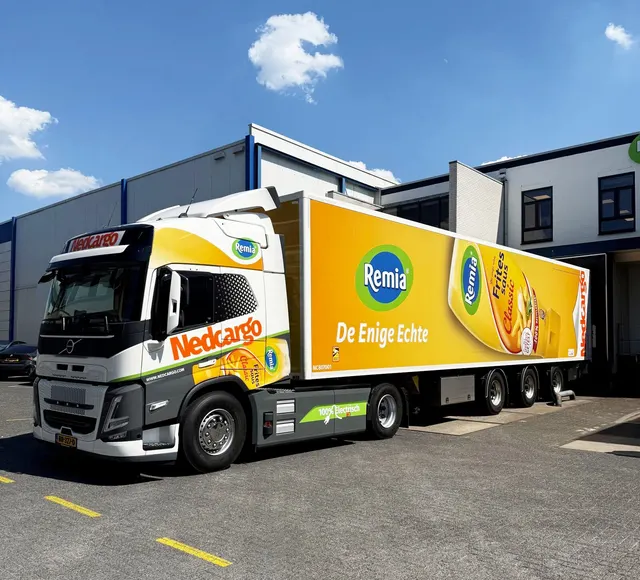
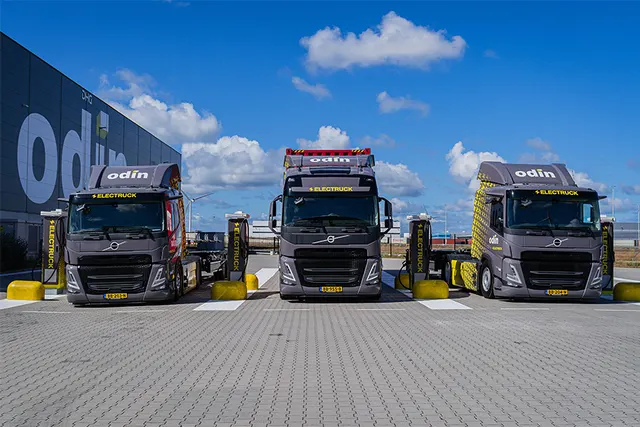
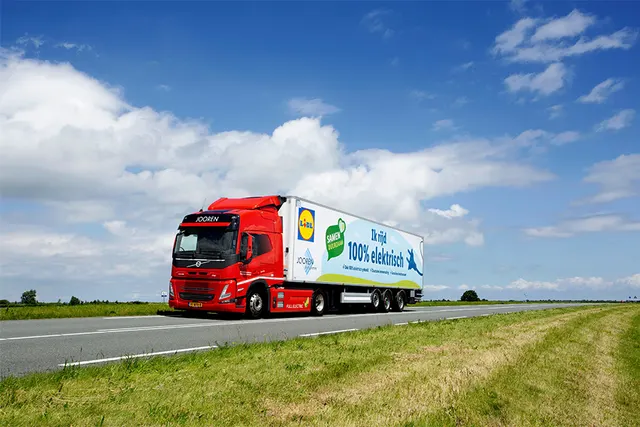
Is it wise to invest in making your fleet more sustainable given the current grid congestion? Wouldn’t it be better to wait until vehicles have a longer range? Who better to ask than Jan Schouten, Manager Energy Transition at Volvo Trucks. Not only does he work full-time on these issues, Volvo was also the first truck brand to bring hybrid trucks, (Bio-)LNG trucks and a full range of electric trucks into series production.
Schouten: “Now is really the time to make a plan for your fleet in terms of CO2 emissions and sustainability. Our sector will face major changes in the coming years, but I see that many smaller transport operators have no idea what lies ahead.”
Schouten has worked at Volvo for more than 20 years and took up his role as transition manager last year. “People think it will all take a while yet, partly because of grid congestion. But a great deal is going to change in the short term. Take the zero-emission zones. From next year, certain commercial vehicles and trucks will no longer be allowed into many city centres. In addition, a kilometre charge is due to be introduced in 2026, and one of the requirements is that it includes CO2-based charges. Given that you buy a truck for around five to seven years, it’s better to plan ahead than to wait and see.”
Gain experience
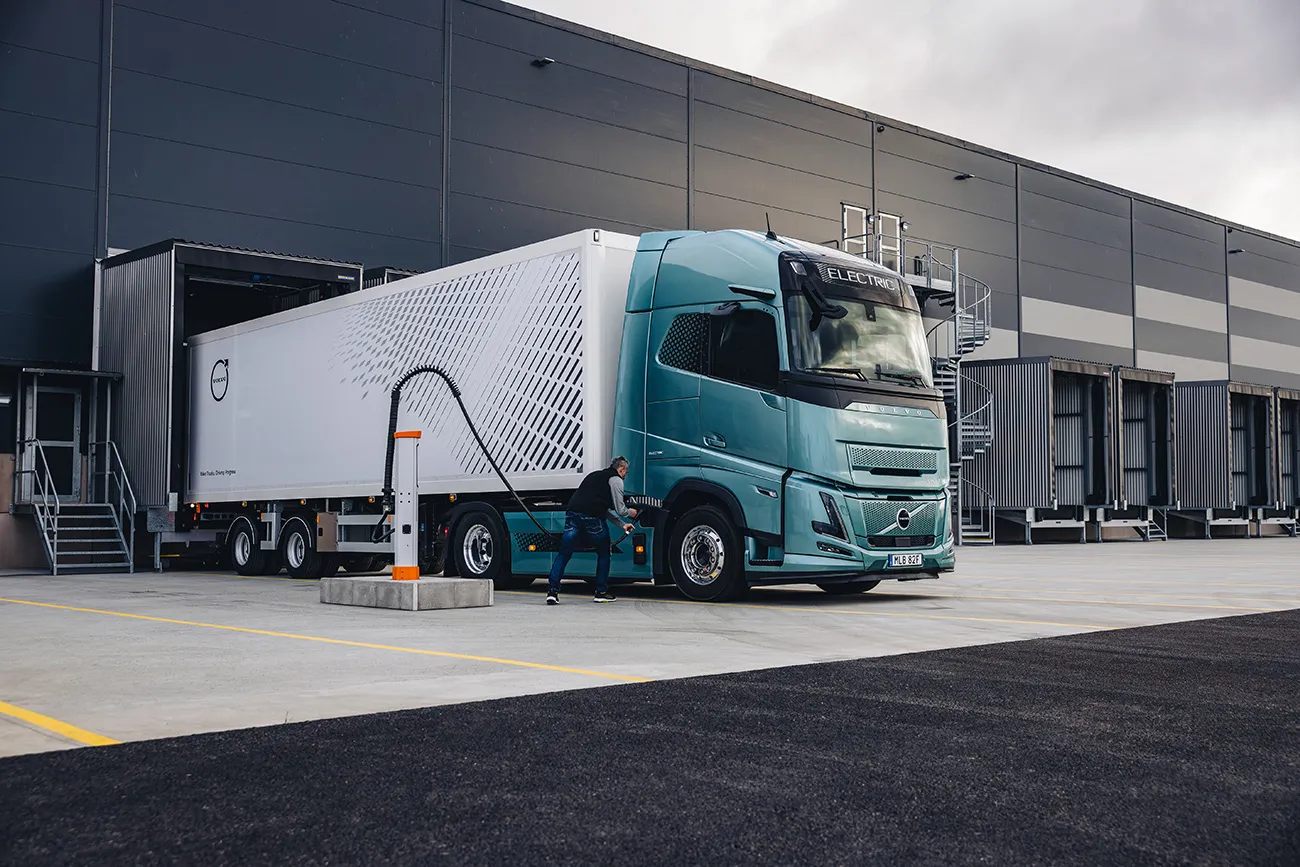
But wouldn’t it be smarter to wait until the range exceeds the current 300 kilometres? “There will always be something that’s about to get better. But it’s important to get started now. That way, you can start small and gain experience. You can also begin applying for an upgraded grid connection for your charging facilities. Charging one truck overnight is manageable, but installing a fast charger is already more complicated. Let alone fully charging ten trucks. And if you wait for a longer range, you’re simply shifting the problem. You’ll also need more charging capacity.”
Alternative fuels
Electric vehicles are not the only way to reduce CO2 emissions. This can also be achieved by using fuels such as HVO and Bio-LNG now, and hydrogen in the future. “I recommend comparing the various options carefully and, above all, seeking advice from professionals who already have the necessary expertise. We’re always happy to use our expertise to offer transport operators and warehouses impartial advice. Or point them in the right direction within our network. For example, we also have several partnerships in the field of charging infrastructure.”
Volvo FH Aero
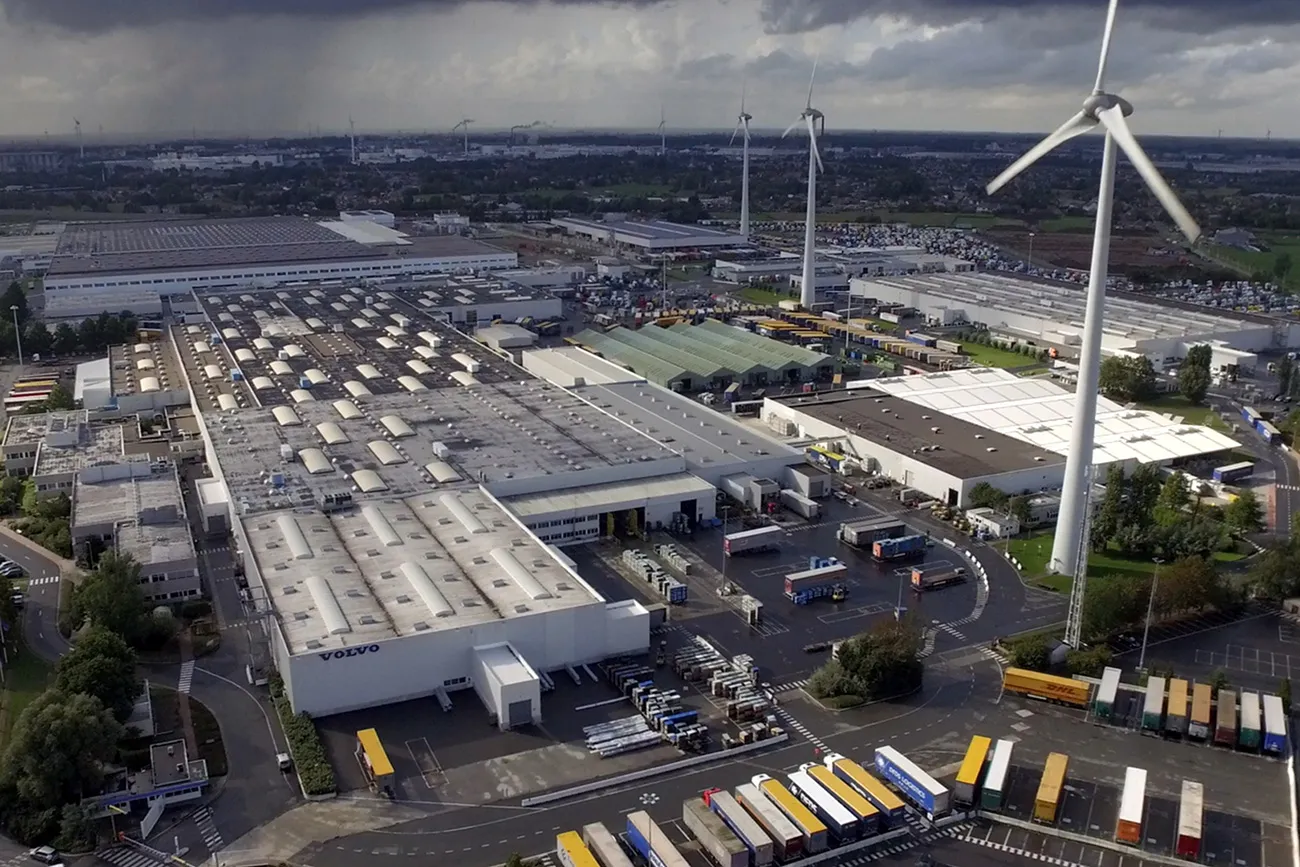
“Environmental care has been embedded in our strategy for many years. After the Paris Agreement, we therefore decided to commit voluntarily to the Science Based Targets initiative. Our production facility in Ghent, Belgium, has been the world’s first CO2-neutral vehicle factory since 2007. And when it comes to safety features, we don’t wait until they become a legal requirement either. Being ahead of the curve means you have to be the first to work things out, but it also brings a major benefit: you build up more experience than your competitors, making the technologies you use more reliable.”
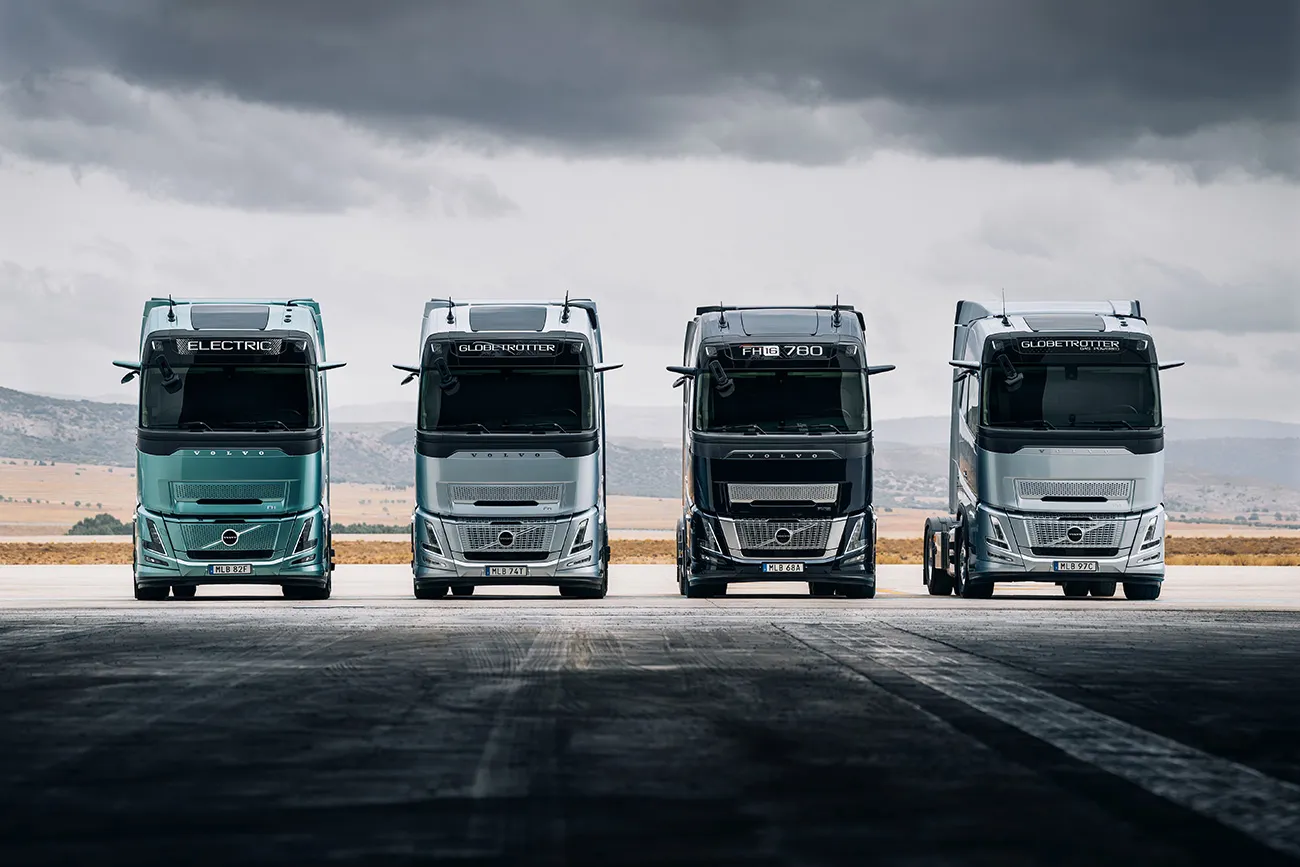
In keeping with this pioneering approach, Volvo Trucks has recently added a new truck to its iconic FH series: the Volvo FH Aero. Volvo has made particular advances in aerodynamics. “Air resistance has a major impact on fuel consumption and therefore on CO2 emissions and range. Thanks to the improved aerodynamics and other technologies in this new truck, you can save up to five per cent on energy consumption and emissions.” The VOLVO FH Aero is available in four variants, including a Bio-LNG version and the award-winning electric version.
Question about this story? Ask your question
Keep following this
Get an email when a new story is published. No account needed.
- SubjectTransport