‘You can’t buy an automated warehouse from a catalogue’
Text Armand Landman Beeld Körber Supply Chain
Körber Supply Chain is expanding its activities in the Netherlands. The technology company, known for its innovative logistics automation solutions, has set up a dedicated system integration team that operates locally. The aim is to get closer to the Dutch market, respond more quickly and offer tailor-made solutions. Leading this expansion is Marcel Spruijt, who became the new sales manager for the Netherlands last September.
Spruijt has more than eighteen years’ experience in selling logistics automation and previously worked at companies including Dematic. “The Netherlands remains an important market for logistics automation, with considerable growth opportunities in the near future,” he says. “Setting up a local system integration team enables us to deliver solutions that are better tailored to the specific needs of Dutch customers.”
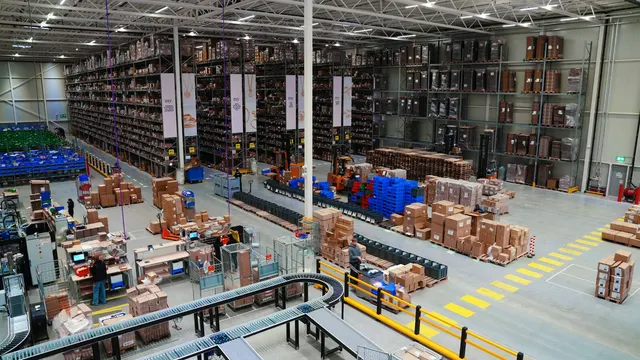
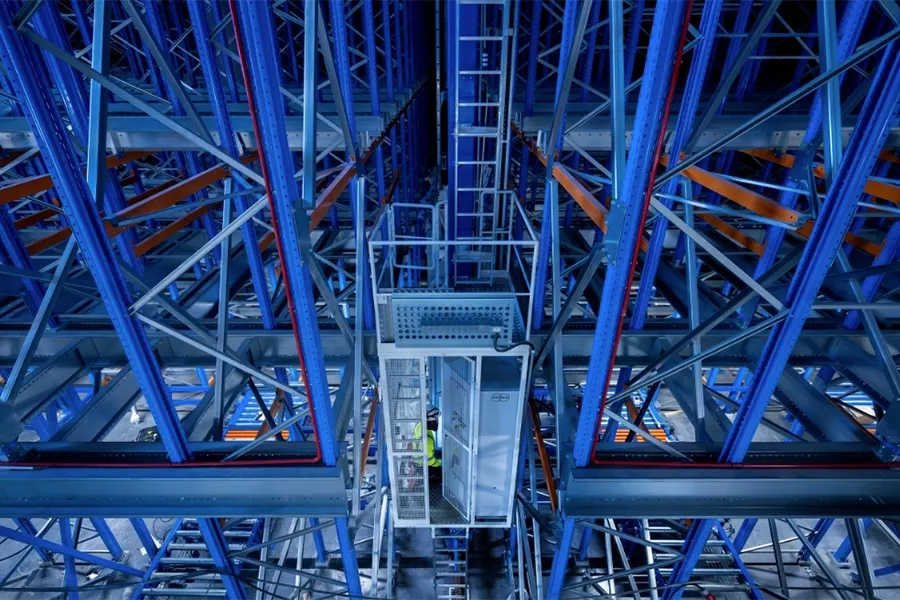
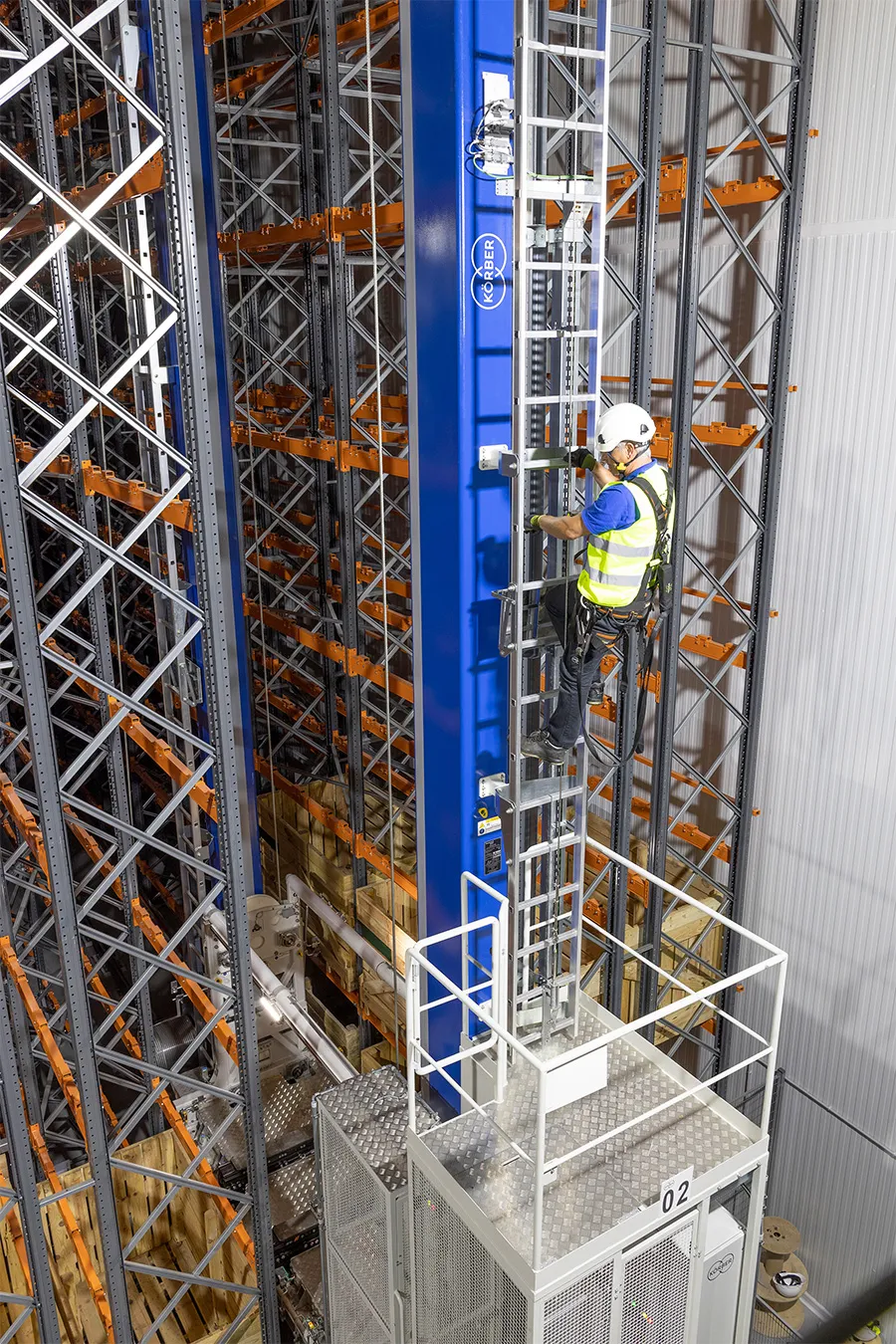
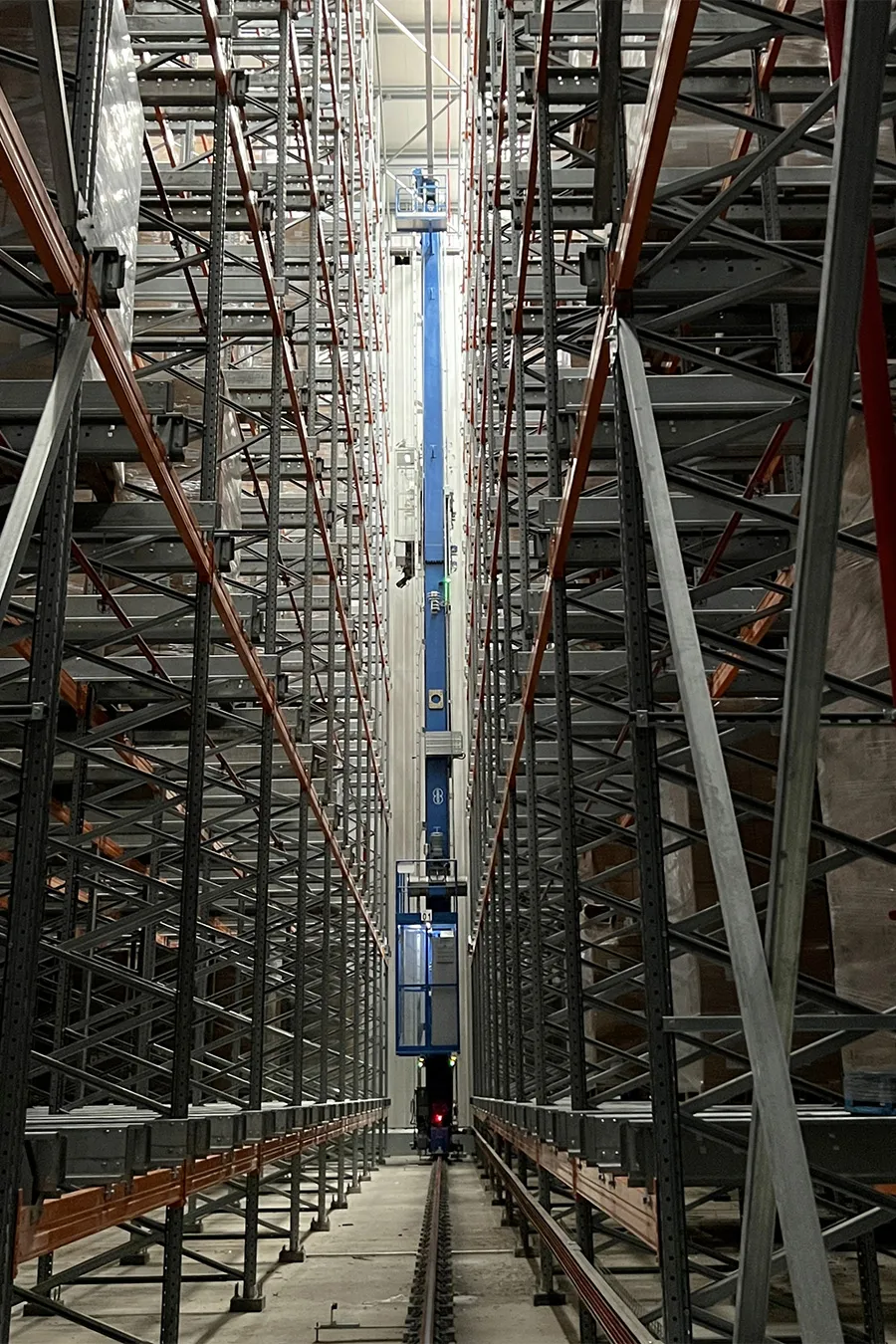
Körber Supply Chain was already active in the Netherlands, including through major projects such as JYSK’s new distribution centre in Lelystad. This state-of-the-art facility covers 147,000 square metres, has two high-bay warehouses with a total of 166,000 pallet locations and is served by 21 cranes. It has 32 inbound and 105 outbound docks, impressive figures that match the ambitions of both JYSK and Körber.
A local approach, global reach
According to Spruijt, choosing a local sales organisation is a strategic decision. “We find that many companies in the Netherlands are not yet familiar with us, even though we are a mature global organisation with a broad portfolio and strong references,” he explains. “To succeed, you need to be visible locally, respond quickly and provide close support throughout projects.”
This local support is crucial in a market that, according to Spruijt, is increasingly looking for ‘tailor-made’ solutions. “You can’t buy an automated warehouse from a catalogue,” he says. “You need a partner with experience, technical knowledge and creativity. Körber has everything it takes to work with customers to develop a solution that meets their needs.”
From WMS to AMR: a broad technology portfolio
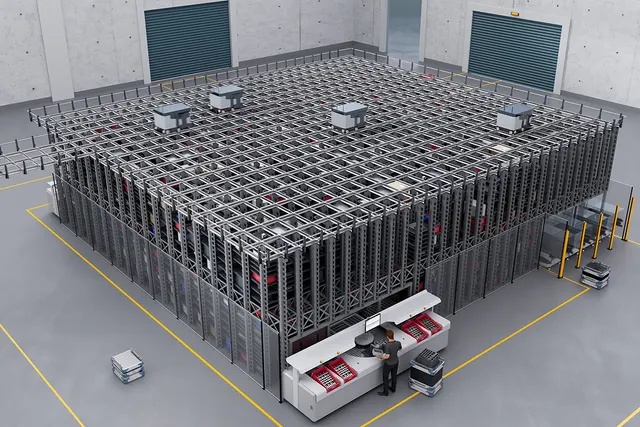
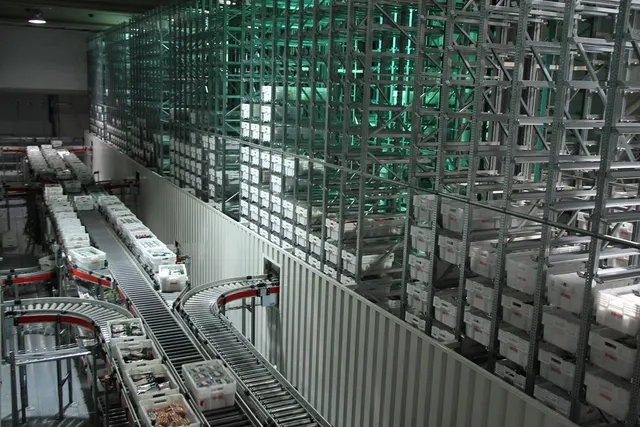
Körber’s portfolio includes automated pallet storage systems, layer-picking solutions, autonomous mobile robots (AMRs), sorting systems, palletisers, warehouse management software (WMS) and AI solutions. “Through strategic acquisitions, we have built up a comprehensive range. This enables us to deliver projects end to end,” says Spruijt.
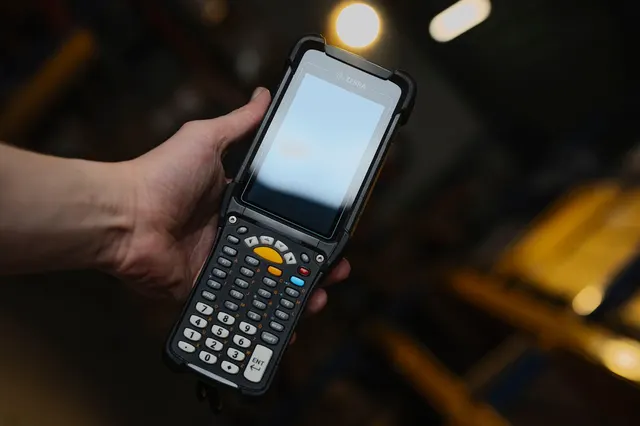
He says one of Körber’s particular strengths lies in software. “We have a broad range of WMS packages and can integrate different automation technologies. This makes us flexible and scalable, which is important in a market where companies often want to grow step by step.”
Growth lies in smart expansion
Although investment in entirely new distribution centres is currently lower, Spruijt sees plenty of opportunities. “Most growth is now coming from the expansion of existing warehouses. We are seeing strong demand for compact, modular systems that can easily be scaled up.” Demand for automation remains high, particularly in sectors such as food, e-commerce, 3PL and frozen goods, where labour is scarce and continuity is crucial.
He notes that logistics processes continue to be under pressure. “Mechanisation is not just a matter of cost, but also a necessity for guaranteeing supply reliability.”
Project delivery: from design to after-sales
Körber supports customers from concept to handover. Spruijt says: “After the sale, our project team gets to work on the detailed engineering. We do this in close collaboration with the customer. Installation, software integration and acceptance testing follow. We then hand the project over to our service teams.”
Körber also offers flexibility when it comes to aftercare. Customers can choose simple service contracts with third parties or comprehensive all-risk options. “We are transparent and happy to share information, so that customers can also maintain their systems themselves if they wish.”
Ambitious, but realistic
Although Spruijt describes the market as cautious at present, he is optimistic about the future. “Demand for logistics continues to grow, and companies are looking for more efficient, future-proof solutions. Körber is ready to support that growth, not only with technology, but above all with knowledge, experience and a strong local presence.”
Een zakelijke vraag aan Körber Supply Chain? Get in touch
Companies in this story
Keep following this
Get an email when a new story is published. No account needed.
- ThemeAutomating goods flows
- SubjectAutomation
- CompanyKörber Supply Chain