The impact of intralogistics changes on warehouse automation
Text Carolien Klees Beeld Vanderlande
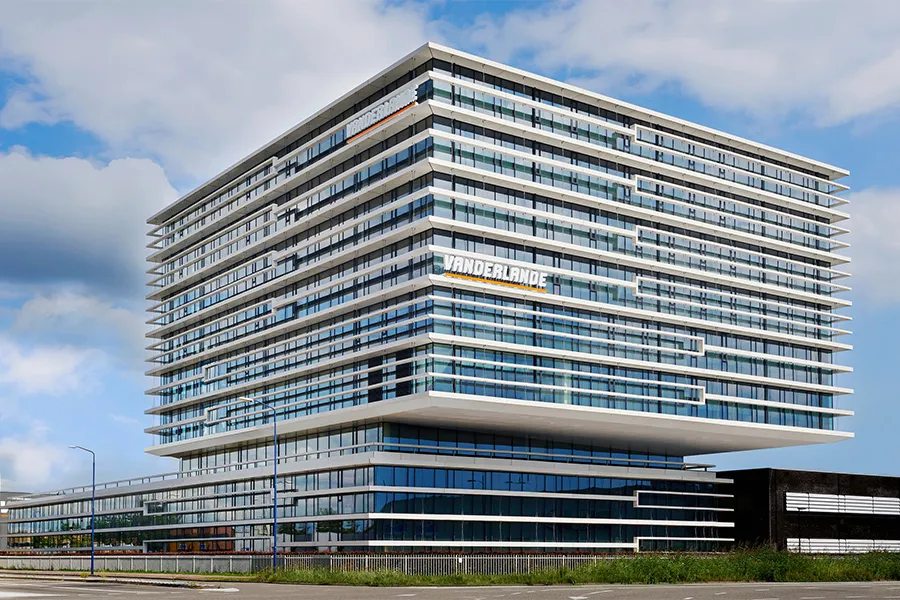
The pandemic and the rapid rise of e-commerce are examples of events that have had a considerable impact on (intra)logistics and, in turn, on warehouse automation technology. Over the past ten years, for example, order picking has become much smarter, more accessible and more efficient. But nobody has a crystal ball, so how can you make sure your warehouse automation is future-proof? Who better to ask than Wilco van de Veerdonk? He has worked for the internationally operating Vanderlande, a supplier of transport systems for internal logistics, for twenty years. As Managing Director Benelux, Nordics & Central Europe, he is responsible for sales, implementation and service in these regions.

“A well-known reference for us in the Netherlands is Albert Heijn. This sometimes creates the mistaken impression that we are only interested in projects of this size. However, we have invested heavily in developing smaller, scalable components and systems. As a result, our warehouse automation is not only future-proof, but also accessible to companies that need a relatively small system, or want to start small while retaining the option to scale up later.”
Flexibility
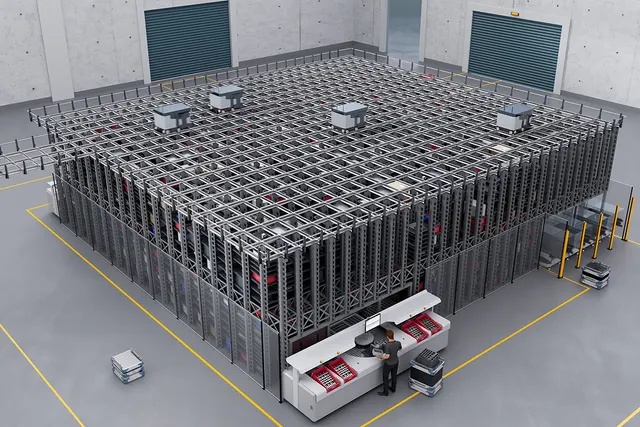
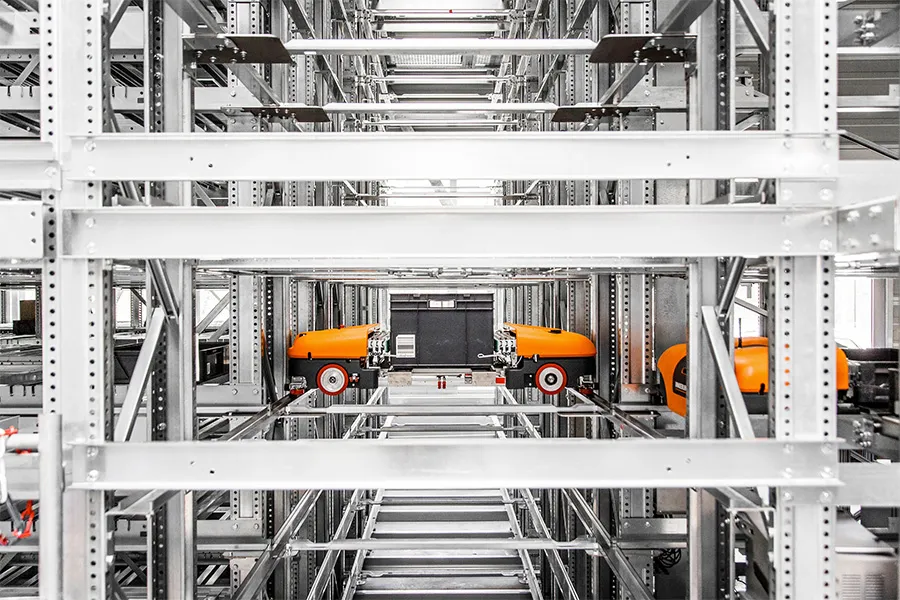
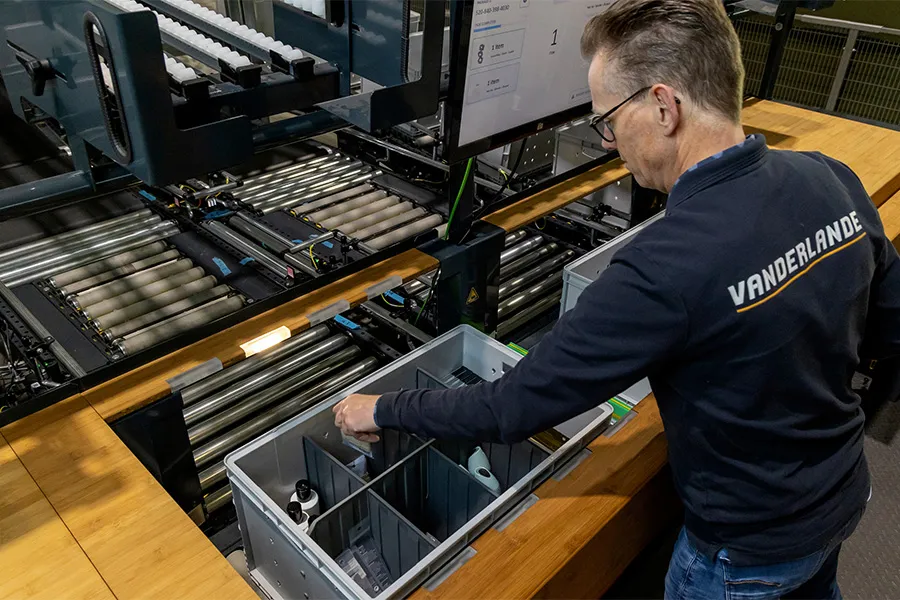
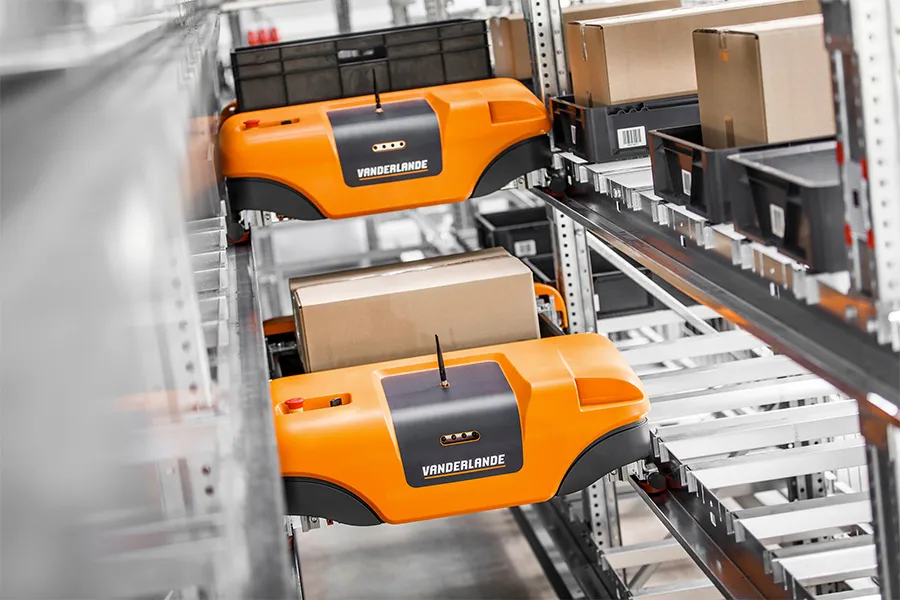
This brings us straight to one of the main trends of the past decade: scalability. “In the past, companies like ours supplied components that were actually rather ‘bulky’. They offered little flexibility and were therefore inefficient when a customer’s order profile changed. This could be a change in the way the business operated or a shift in focus from retail to e-commerce. The latter happened frequently during the pandemic, of course. That is why we have invested heavily in developing smaller components. In our case, this is ADAPTO. This intelligent system is based on shuttle technology and is not dependent on how order profiles evolve. What is more, we have built sorting and sequencing functionality into our shuttle. This means you can pick orders in any sequence you like, which contributes enormously to efficiency.”
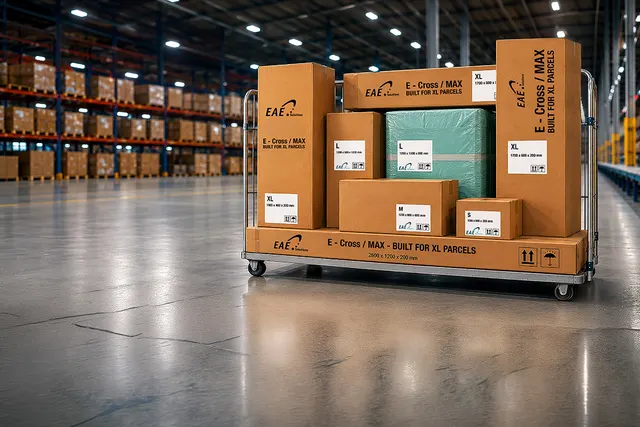
Functions like these greatly reduce the number of sorting steps, saving a considerable amount of time. The warehouse ensures that the items are arranged in the roll cage to match the layout of the recipient’s aisles and racking. “This also makes it much easier for you, as a customer, to say: today I’ll pick retail orders, and tomorrow I’ll pick e-commerce orders.”
All this progress is thanks to the ongoing development of software and shuttles. “This is impossible with the conveyors used in traditional systems. But because our shuttles can move freely through the warehouse without having to wait for one another, any order-picking sequence is possible, giving you this flexibility.”
Fast delivery
Another development that has had a major impact on the sector is the changing expectations around delivery times. ‘Order today, delivered tomorrow’ is now more the rule than the exception. This makes warehouse downtime even less desirable. “To tackle this, our systems are controlled by intelligent software, which limits the impact of any fault and ensures products are always accessible.”
Health & safety
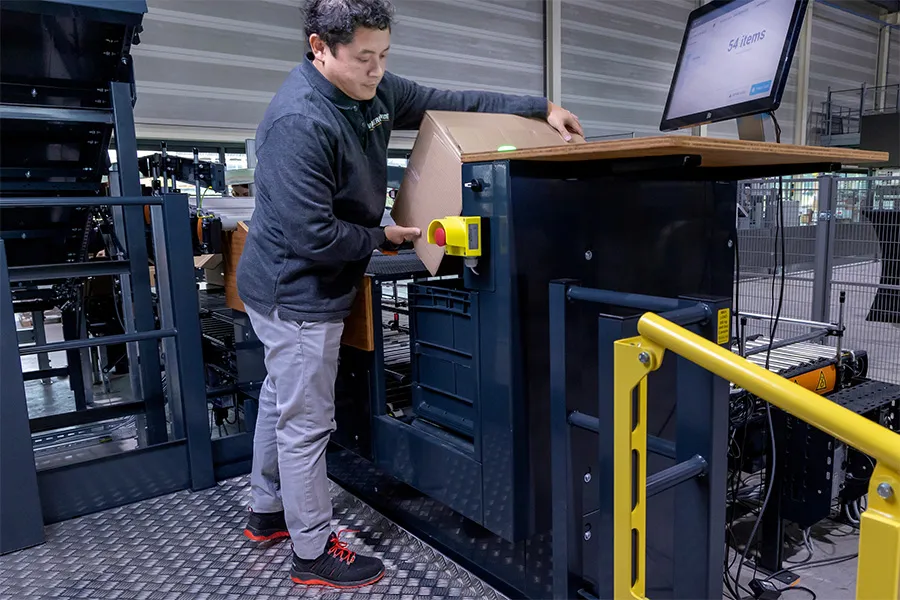
Another factor that has had an impact is the greater importance now attached to health and safety in the workplace. “Australia and England have been particularly influential in this area. We want to lead the way in health and safety. A safe environment for our customers and our service engineers is the foundation of our solutions. Ergonomics also continues to play an important role. This trend began around twenty years ago and came to us from Scandinavia.”
Sustainability
And then, of course, there is the trend nobody can ignore at the moment: sustainability. “Ten years ago, sustainability played a less significant role in our customers’ choices. But it has become a major game changer. Today it is a genuine decision criterion, and customers are willing to pay more for sustainability. We have a team that calculates the footprints of our systems and clearly shows which components or materials have a lower environmental impact. This helps customers make decisions. We have also made sure that our conveyors switch off automatically when no parcels have passed for a few seconds.”
Van de Veerdonk concludes: “Experience and customisation play a major role in warehouse automation if you want to translate customer requirements seamlessly into an automation solution. Our customers tell us they greatly value the fact that we are what is known as a systems integrator. Vanderlande has its own products, but we look at what the best solution is for each individual case. And if that means there is a good product available that complements our product range, we will choose it and integrate it into our solution.”
Question about this story? Ask your question
Keep following this
Get an email when a new story is published. No account needed.
- ThemeAutomating goods flows
- SubjectAutomation