‘Scenario planning is essential when scaling up warehouse automation’
Text Ferdi den Bakker Beeld Lalesse Logistics Solutions
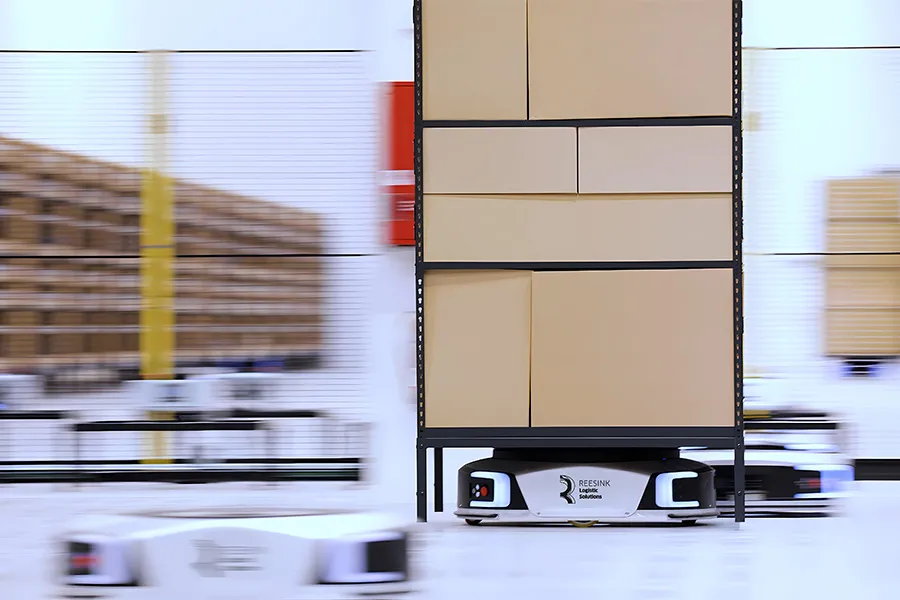
Logistics operations continue to grow, although more often step by step than in one big bang. “Whatever the situation, having the confidence to scale up is important. Scenario planning is the key to success when scaling up warehouse automation solutions,” says Machiel van den Hazelkamp, CCO at systems integrator Lalesse Logistics Solutions, part of Reesink Logistic Solutions.
The world keeps turning, and many logistics operations are growing along with it, despite geopolitical unrest, inflation and economic uncertainty. Van den Hazelkamp says: “It is very good that logistics growth is continuing, but companies are more cautious. So it is more important than ever to be sure that your business can scale up.”
According to Van den Hazelkamp, modular solutions are a good way to ensure that scalability. “Of course, they must deliver value straight away and pave the way for future-proof growth.” As a neutral systems integrator, Lalesse has made a speciality of supplying a wide range of automation solutions and integrating them seamlessly.

‘Bringing customers on board with scenario planning’
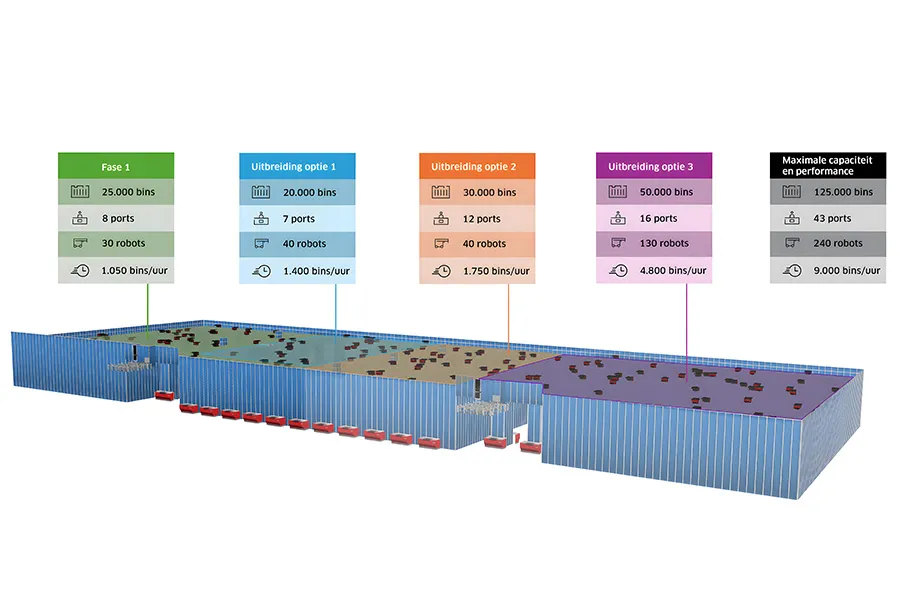
Logistics companies and shippers with their own warehousing turn to Lalesse for advice, including on scalability. Van den Hazelkamp says: “In these cases, we often take customers through scenario planning. If scalability and flexibility are important, there are various scenarios that can lead to the desired situation. Expectations for next year and the year after are key, but in every case you need to factor in long-term growth. All these scenarios provide a clear picture of the direction and the options available. The business owner then also knows how far automation can support them as they scale up.”
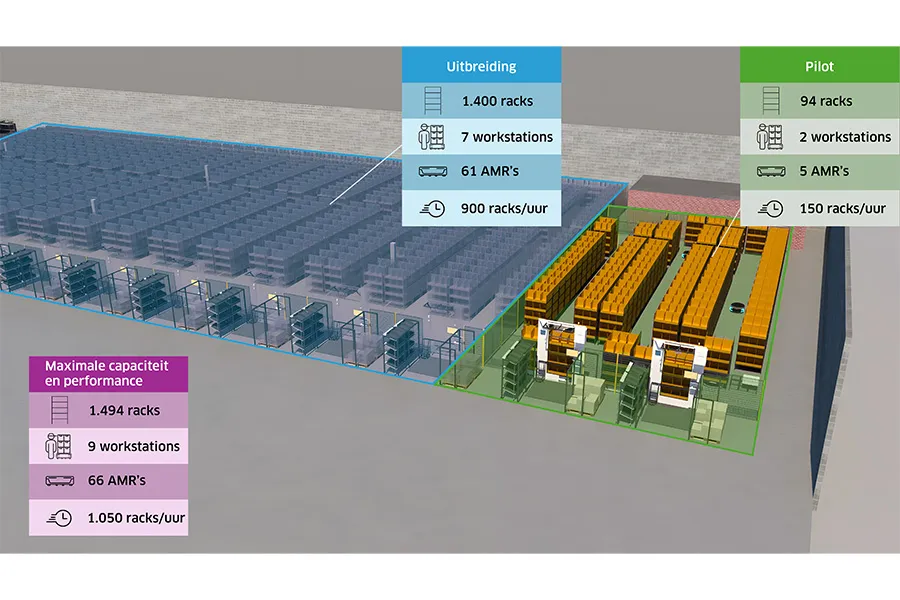
AutoStore is easy to expand
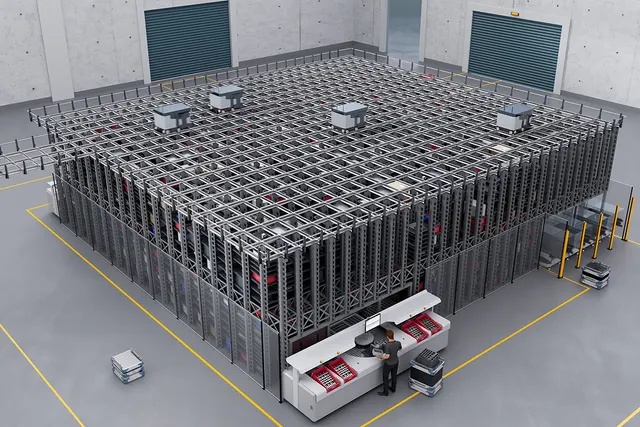
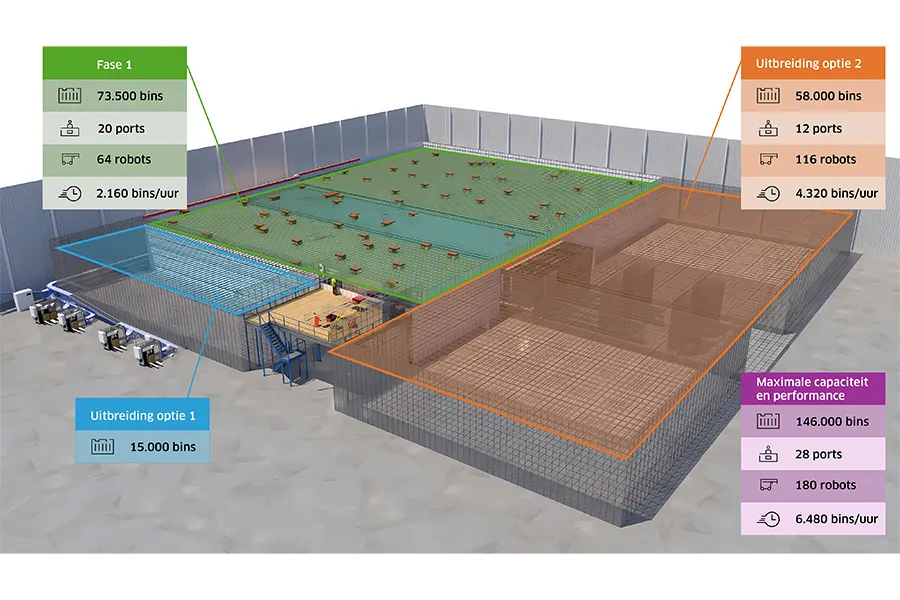
An AutoStore system is a good example of an automation solution that can be expanded. “The system ensures maximum flexibility for a logistics operation. An ROI of 24 months is regularly achievable. This also enables users to take further steps based on business growth and cash flow.” According to the CCO, one of the advantages of AutoStore is that storage or picking capacity can be expanded by adding more bins, robots or workstations, without causing operational disruption
“What makes an AutoStore system unique is its exceptionally high storage density: it often needs just 25 per cent of the floor space of a conventional warehouse.” This leaves room for further growth. “In an existing operation, space often seems like a fixed constraint, but smart automation creates new opportunities. Extra capacity can be added where it is needed most, to optimise processes and support the organisation’s growth with ease.
Adding a conveyor, AMR or picking robot
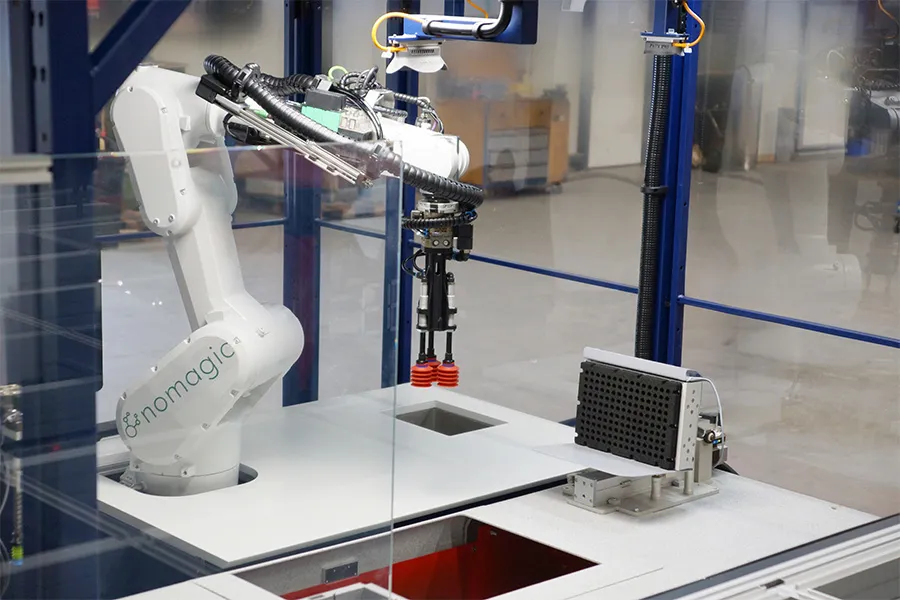
When scaling up automated warehouse operations, there are many options beyond adding storage space and capacity, or packaging machines. Van den Hazelkamp lists a few: “A conveyor or AMR system can make the flow of totes to and from a storage system more efficient. Weight checks and product scanning can also be added. More and more companies want to add a positive barcode scan during order picking, as an extra confirmation of the process and product. Some of our customers have retrofitted a picking robot to their AutoStore installation, where it can replace an operator 24/7. If this works well, more picking robots will be added at the other workstations.”
Software, cameras and AI
A powerful Warehouse Control System (WCS) makes it straightforward to control all the options for scaling up, even when they come from different suppliers. “Our in-house developed LogiCS WCS seamlessly connects the various subsystems and products, bringing them together into one fully integrated solution. And the possibilities keep growing. Adding camera systems and AI to processes creates further opportunities for control, efficiency and process optimisation.”
‘Automation is an obvious choice’
Van den Hazelkamp expects the adoption of warehouse automation solutions to continue growing in the coming years. “That is mainly because they make operations more flexible. There is also still room for greater adoption. There are increasingly more options for using automation to support logistics processes that currently rely mainly on manual activities. With labour in short supply, automation is the obvious choice.”
Have a business enquiry for Syncore? Get in touch
Companies in this story
Keep following this
Get an email when a new story is published. No account needed.
- ThemeAutomating goods flows
- SubjectAutomation
- CompanySyncore